Last updated: November 20, 2026
In short: How to Build a Heart-Healthy Lunch from a Convenience Store is a quick way to get lean protein, fiber, produce, and a drink from the shelves in front of you.
This guide shows what to grab, what to skip, and how to mix a lunch from the cooler, snack rack, and produce case in 5 minutes or less.
Key Takeaways
- Build lunch around protein, fiber, and fluids while avoiding excess sodium, added sugar, and fried fat.
- Pair one cooler item, one produce or snack item, and one drink, then skip anything that turns lunch into dessert.
- Good grab-and-go combinations are filling without relying on chips, sweets, or fried food.
- Avoid meals that combine sodium, added sugar, and saturated fat in the same package.
What a heart-healthy convenience store lunch needs
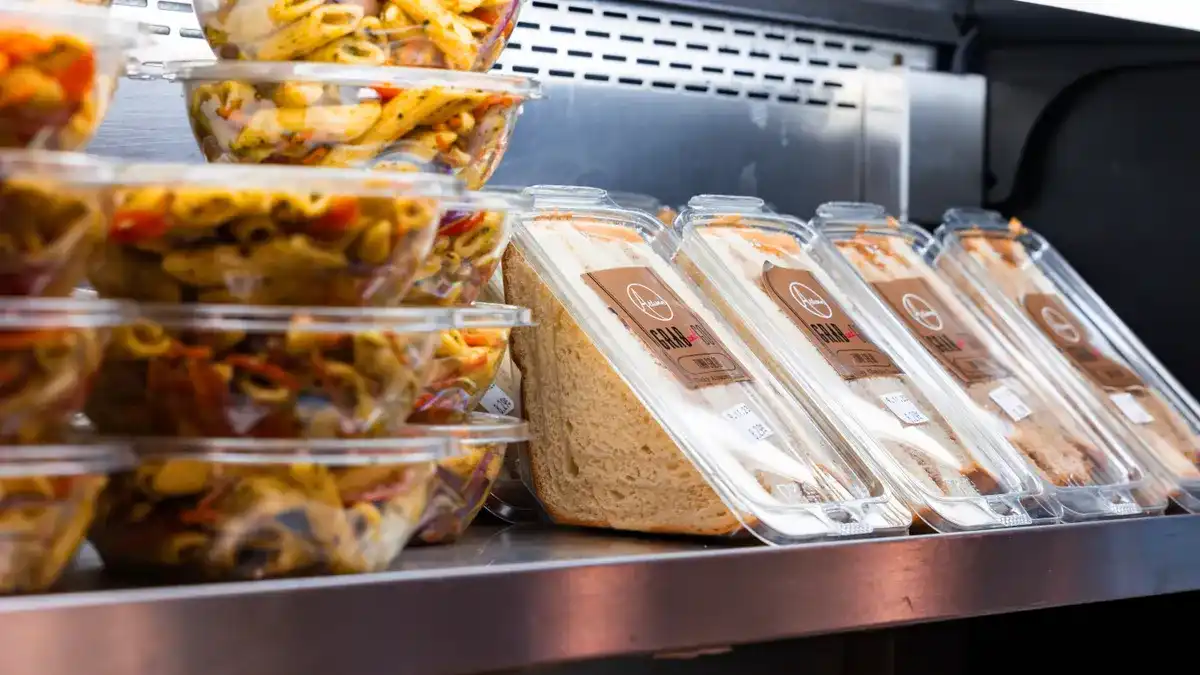
To start, picture this: you’re standing in a fluorescent aisle with a 10-minute lunch break, a cooler door that fogs up, and not much food that looks promising. How to Build a Heart-Healthy Lunch from a Convenience Store still comes down to the same basics: protein, fiber, and fluids without piling on sodium, added sugar, or fried fat.
The formula is simple. Pick 1 protein, 1 high-fiber food, 1 produce item, and water. That usually means something like yogurt, nuts, fruit cups, precut vegetables, or whole grain snacks. It does not mean a bag of chips and a soda.
However, convenience stores vary a lot. Some have a fresh cooler with string cheese, yogurt, and cut fruit. Others mostly have shelf-stable snacks, so the job is to make the best possible mix from limited choices. For heart health, the goal is not perfection. It’s a lunch that gives you a steadier blood sugar rise, less sodium, and more filling power than a candy bar would.
A quick rule helps at the shelf. If the item is mostly white flour, sugar, or fried breading, keep moving. If it has a short ingredient list and one clear job—milk protein, fruit, nuts, vegetables—it has a better chance of fitting the meal.
What to look for:
- Protein: yogurt, string cheese, nuts, boiled eggs if available
- Fiber: fruit cups, whole grain snacks, precut vegetables, plain popcorn, oatmeal cups
- Hydration: water, unsweetened seltzer, unsweetened tea
- Better fats: nuts, seeds, nut butters in small packs
For comparison, the American Heart Association’s guidance on saturated fat, sodium, and added sugar gives you a solid yardstick for shopping, even in a gas station cooler. The page is here: https://www.heart.org/en/healthy-living/healthy-eating/eat-smart/fats/saturated-fats
How do I assemble a lunch from a gas station or convenience store?
You assemble it by pairing one item from the cooler, one from the produce or snack shelf, and one drink, then skipping anything that turns the meal into dessert. A good convenience store lunch usually comes together in 3 picks, not a cart full of extras.
Next, picture this: you have a cold case, a row of chips, and maybe a fruit shelf near the register. You don’t need a recipe. You need a fast system that works in a store built for speed, not nutrition lectures.
Use this order:
- Pick a protein first. Choose yogurt, string cheese, nuts, eggs, or a single-serve hummus cup if you find one. This helps the lunch feel like a meal instead of a snack.
- Add a fiber food. Choose fruit cups, precut vegetables, whole grain crackers, plain popcorn, or oatmeal if it’s later in the day. Fiber helps the meal hold up for the next 2 to 4 hours.
- Choose water. Plain water is a common default. Unsweetened tea or sparkling water can work too.
- Check the package fast. If the item is obviously very salty, sugary, or fried, put it back.
- Eat the produce first or alongside the protein. That makes the meal feel fuller without much added sodium.
For example, a few easy combinations are:
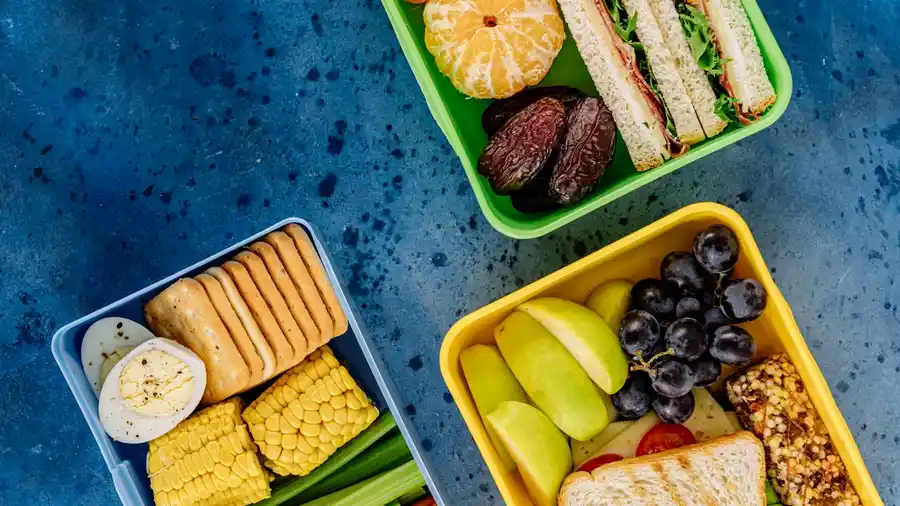
- Plain Greek yogurt + fruit cup + water
- String cheese + unsalted nuts + precut vegetables
- Nuts + whole grain crackers + apple slices
- Yogurt + whole grain snack pack + water
- Vegetable cup + hummus + sparkling water
The best options are often the ones that stay filling without leaning on chips, sweets, or fried food. A packet of nuts, a fruit cup, and water still beats a pastry, soda, and candy bar.
One caution: if the store offers a sandwich, check the bread and fillings. Whole grain bread helps. Thick deli meat, bacon, and creamy sauces push sodium and saturated fat up fast. A plain turkey sandwich can be fine; a stacked club usually is not.
As a practical shopping reminder, the American Heart Association’s general guidance on healthy eating can help you compare options quickly: https://www.heart.org/en/healthy-living/healthy-eating/eat-smart/nutrition-basics
Best grab-and-go combinations that actually work
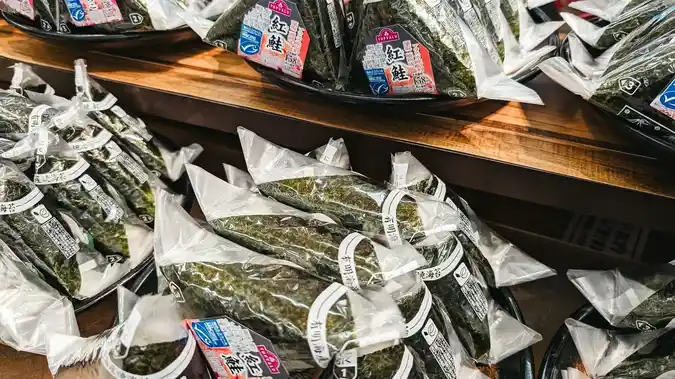
Because the cooler choices can be limited, the best grab-and-go combinations are the ones that stay filling without leaning on chips, sweets, or fried food. A strong combo usually lands in the 250 to 500 calorie range for a lunch-sized meal, but you do not need to count calories to use the pattern.
Then there’s the label front. Picture this: you’re at the cooler and the best-looking item is a yogurt with fruit on the label. That can work, but only if the rest of the lunch balances it out. The trick is to build around the container size and the label, not the picture on the front.
Try these combinations when the store is limited:
- Yogurt + nuts + water
- String cheese + whole grain crackers + fruit cup
- Precut vegetables + hummus + plain seltzer
- Boiled eggs + apple slices + unsalted nuts
- Plain oatmeal cup + nuts + water
- Whole grain snack pack + yogurt + fruit cup
What makes these work is the mix of protein + fiber. Protein slows hunger. Fiber gives bulk and helps the meal feel like lunch instead of a snack. Nuts help too, but only if the portion is modest. A giant canister of salted peanuts can turn into a sodium bomb fast.
The type of fruit matters as well. Fruit cups packed in juice are better than those packed in syrup. Whole fruit is better than fruit snacks. If the store has bananas, apples, or oranges near the register, those are usually better picks than a glazed pastry.
Use this quick test:
- Does it have some protein?
- Does it have some fiber?
- Is the drink unsweetened?
- Is the item mostly baked, plain, or raw rather than fried?
If the answer is yes to three of those four, you’re usually in good shape. If the lunch is just crackers and juice, keep shopping.
What to avoid if you want a heart-healthier lunch
The foods to avoid are the ones that stack sodium, added sugar, and saturated fat into the same meal. That combination shows up often in convenience stores, and it’s the fastest way to turn lunch into an energy dip an hour later.
Meanwhile, the hot case is glowing, the pizza slice smells good, and the drink cooler is packed with bright labels. This is where most people miss the mark. The store is full of foods that are easy to grab and hard on the heart if they become a habit.
Common traps:
- Fried chicken, taquitos, and breaded snacks: usually high in sodium and saturated fat
- Large deli sandwiches: the bread, processed meat, cheese, and sauces can pile on sodium fast
- Chips with a soda: little protein, little fiber, and a lot of salt or sugar
- Sweet coffee drinks: they can carry dessert-level sugar
- Pastries and donuts: quick energy, weak staying power
- “Protein” bars loaded with sugar alcohols or added sugar: read the label, because the front label can mislead you
The cost of this mistake is simple. You eat, but you’re still hungry. Then you reach for another snack 45 minutes later. That pattern is rough on both budget and appetite.
Here’s the swap that usually works better:
- Hot case item → yogurt, cheese, or eggs
- Chips → nuts or whole grain crackers
- Soda → water or unsweetened tea
- Pastry → fruit cup or whole fruit
- Sweet snack pack → plain popcorn or vegetables
I’d skip any lunch that depends on three “maybe” foods in a row: maybe healthy bread, maybe lean meat, maybe low sugar. A cleaner meal beats a clever label.
For label reading, the Academy of Nutrition and Dietetics has a useful consumer page on ingredient lists and Nutrition Facts labels: https://www.eatright.org/food/nutrition/healthy-eating/understanding-food-labels
Which convenience store foods give the best protein and fiber?
After you rule out the hot case, the best protein and fiber choices are the plain foods that do one job well, even if they look boring. That usually means yogurt, string cheese, nuts, fruit cups, precut vegetables, and whole grain snacks.
Finally, picture this: you’ve already ruled out the hot case, and now you’re scanning the cooler for the least bad choice. This is where the lunch comes together. You want foods that do not need heavy sauce, extra salt, or a long ingredient list to be useful.
Good protein picks:
- Plain or low-sugar yogurt
- String cheese
- Hard-boiled eggs
- Unsalted nuts
- Nut butter packets
- Single-serve hummus, if available
Good fiber picks:
- Fruit cups packed in juice, not syrup
- Whole fruit
- Precut vegetables
- Whole grain crackers or crispbread
- Plain popcorn
- Oatmeal cups without a sugar-heavy topping pack
A few specifics matter here. Yogurt works best when it is plain or lightly sweetened. String cheese is handy because it needs no prep. Nuts help a lot, but the sodium level can jump if they’re heavily salted or flavored. Whole grain snacks beat refined crackers because they stick with you longer.
The weakest choices are the ones that look healthy but don’t deliver much. A fruit drink is not the same as fruit. A “grain” bar with a candy coating is not the same as whole grain snack food. A tiny yogurt with dessert toppings can be more sugar than meal.
A good shortcut is this:
- Protein anchor: yogurt, cheese, eggs, or nuts
- Fiber anchor: fruit, vegetables, or whole grain snacks
- Drink: water
If you can’t find both anchors, keep the lunch modest and skip the sugary drink. A simpler meal is still a better choice than a flashy one with very little staying power.
How do I read labels fast without turning lunch into homework?
Before you buy anything, read labels fast by checking the serving size, sodium, added sugar, and ingredient list, then making a yes-or-no decision in 20 seconds. That is enough time for a convenience store lunch.
Then picture this: the package says “made with whole grains,” but the front also shows frosting, glaze, or a syrupy filling. That front panel is advertising. The nutrition panel is the truth. You only need a few numbers and one ingredient list to avoid the worst traps.
Use this quick label check:
- Look at serving size first. A bag may contain 2 servings, not 1.
- Check sodium. If it’s very high for a small snack, that item is a weaker lunch choice.
- Check added sugar. Yogurt, drinks, and granola-style snacks often hide a lot here.
- Scan the first 3 ingredients. If sugar, refined flour, or oil is near the top, move on.
- Pick shorter lists when possible. Plain foods usually win.
A food does not need to be “perfect” to fit. It just needs to be better than the other choices in the store. A plain yogurt with some sugar is still better than a frosted pastry. Unsalted nuts beat candy. Whole grain crackers beat white crackers if the sodium isn’t sky-high.
What to watch hardest:
- Sugary drinks: they can wreck the lunch even if the food is decent
- Heavy sauces: they often hide sodium
- Double portions: one package may be two servings
- Flavored nuts: tasty, but salt can climb quickly
If you’re also managing blood pressure, diabetes, kidney disease, or heart disease, a registered dietitian or clinician can help tailor the label rules to your needs. That’s a real place for professional advice, especially if sodium or sugar limits are already part of your plan.
A simple 5-minute convenience store lunch formula
A simple formula is the safest way to leave the store with lunch in hand and no regret later. Use one protein, one fiber food, one produce item, and one drink every time.
Before you head out, picture this: you’ve got five minutes left, and you need the easiest possible decision. This is where habits beat guesswork. You are not building a gourmet meal. You are building a lunch that holds you through the afternoon.
Use this repeatable formula:
- Protein: yogurt, string cheese, nuts, eggs
- Fiber: fruit cup, precut vegetables, whole grain crackers, plain popcorn
- Produce: apple, banana, orange, veggie cup, fruit cup
- Drink: water, unsweetened tea, or plain seltzer
Three example lunches:
- Yogurt + apple + water
- String cheese + vegetables + whole grain crackers
- Nuts + fruit cup + sparkling water
If you want a little more staying power, choose two proteins instead of one, such as yogurt plus nuts. If you need a lighter lunch, keep the portions smaller and still include water. The point is balance, not a giant haul.
The truth is, the convenience store will not make the choice easy. It will make the fast choice easy. Your job is to choose the better fast option, then leave.
If you want more planning help for the bigger picture of work, school, and errand meals, the hub for this topic is Heart-Healthy Lunch Planning for Work, School, and Errands.
Drafted with AI; not yet reviewed by a person.