Last updated: November 19, 2026
Key Takeaways
- Heart-healthy road-trip snacks are low in sodium, low in added sugar, and built around fiber or unsaturated fat.
- Sealed, low-moisture snacks are usually the easiest to keep fresh and clean in the car.
- Four to six portions usually work better than one big mixed bag.
- Heat, salt, and portion size are the main road-trip snack pitfalls.
A hot car is a bad place for a soggy snack. Heart-healthy snacks for road trips hold up to heat, stay out of the crumb zone, and still give you fiber, protein, and a sensible amount of salt. Heart-Healthy Snacks for Road Trips work best when they are plain and portable: nuts, whole-grain crackers, fruit cups, roasted chickpeas, string cheese, and low-sodium jerky, packed in portions that are easy to grab at the next rest stop. For general food safety guidance, see the USDA’s food safety advice and the American Heart Association’s sodium guidance: https://www.fsis.usda.gov/food-safety and https://www.heart.org/en/healthy-living/healthy-eating/eat-smart/sodium
What makes a road-trip snack heart-healthy?
Lower sodium. Less added sugar. More fiber or unsaturated fat than refined carbs alone. That is the basic formula for a heart-healthy road-trip snack, and it usually points to a serving-sized bag of unsalted nuts, a 2- to 3-ounce portion of jerky with reduced sodium, or a single-serve cup of fruit packed in juice instead of syrup.
But the car changes the rules. A snack can be fine at home and still flop in transit because it melts, spoils, leaks, or leaves your fingers sticky on the steering wheel. Sealed, shelf-stable, low-mess foods belong at the top of the list; otherwise, you are just inviting regret.
A good rule is to build each snack around one of three anchors:
- Protein: nuts, roasted chickpeas, string cheese, low-sodium jerky
- Fiber: whole-grain crackers, fruit cups, plain popcorn
- Healthy fat: unsalted almonds, walnuts, pistachios, seed mixes
That mix helps keep hunger from hitting hard between exits. It also cuts down the odds of grabbing whatever is nearest at a gas station, which is where snack choices usually get salty fast. Honestly, that math stops working fast.
Not every “healthy” snack fits a road trip. A yogurt parfait, a sliced avocado sandwich, or anything that needs a cold pack for hours can work for some trips, but they are not the easiest default. They also create more cleanup than most travelers want.
For a broader plan, the hub on Heart-Healthy Snack Planning can help you map snacks by time of day, storage, and hunger level.
Which travel snacks stay fresh and easy to eat?
Travel snacks that stay fresh and easy to eat are the ones with sealed packaging, low moisture, and little to no odor. Think nuts in resealable bags, whole-grain crackers in a rigid container, fruit cups in individual sealed cups, roasted chickpeas in a small tub, string cheese in a cooler, and low-sodium jerky in unopened packets.
The best car snacks are the ones you can handle with one hand and finish in a few bites. Sticky dried fruit mixes, frosted pastries, and anything that sheds frosting or filling are poor choices for the driver. They also make the car feel messier after 20 minutes than it was before the trip started. Nobody wants that.
A practical road-trip snack list looks like this:
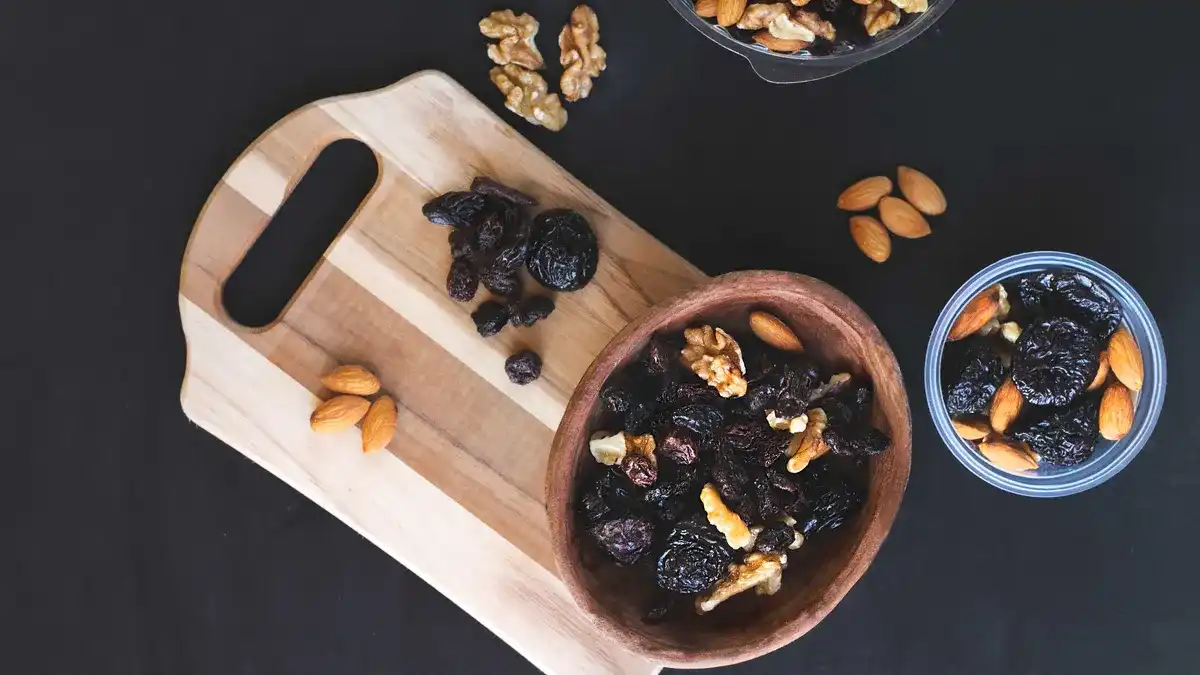
- Nuts: almonds, walnuts, pistachios, or mixed nuts without heavy salt
- Whole-grain crackers: pair them with a cheese stick or a small container of hummus if you have a cooler
- Fruit cups: choose cups packed in juice, not syrup, and eat them at a stop
- Roasted chickpeas: crunchy, shelf-stable, and less messy than many chips
- String cheese: useful for cooler trips and quick protein
- Low-sodium jerky: a compact protein option that does not need utensils
For a road trip, shelf life is not just about expiration dates. It is about the time your food spends in the car. A sealed package may still be a bad choice if it gets warm enough to soften, leak, or smell off before lunch. Dry snacks are often the safest default.
A small cooler expands your options, but it also adds work. If you do not want ice packs, choose snacks that are fine at room temperature for several hours and save the perishable items for the first half of the drive.
How do I pack heart-healthy snacks for travel?
Pack them before you leave. Separate wet foods from dry foods, then put the first-round snacks where you can reach them without unpacking the whole car. A simple system with 4 to 6 snack portions usually works better than one big bag of mixed food.
Start with containers you will actually open while driving or sitting in the passenger seat. Small resealable bags, 8- to 12-ounce lidded containers, and single-serve packets cut down on mess and on the urge to eat past one serving. If you want to avoid constant grazing, pre-portion the snacks before the trip instead of carrying one large jar of nuts. It sounds fussy. It pays off.
A clean packing method looks like this:
-
Choose 3 to 5 snack types for the trip.
Pick a mix of protein, fiber, and something crunchy, such as unsalted nuts, roasted chickpeas, whole-grain crackers, fruit cups, and low-sodium jerky. This keeps the snack bag from getting monotonous by hour 4. -
Portion each snack into single servings.
Use 1 small handful of nuts, 1 packet of jerky, or 1 cup of crackers per bag. Smaller portions make it easier to track what you eat and prevent the “open bag, finish bag” problem. -
Separate dry snacks from chilled snacks.
Put string cheese and fruit cups in a cooler with ice packs, and keep nuts and crackers in a dry tote. That reduces the risk of warm cheese or soggy crackers. -
Pack the messiest items last and eat them at stops.
Fruit cups and anything that needs a spoon belong where they are easiest to grab at a rest area, not buried under jackets and chargers. -
Keep wipes and a small trash bag with the snacks.
This is not optional on a road trip. A package of napkins and a grocery bag for wrappers prevents the car from turning into a wrapper bin by the second stop.
If you are traveling with kids or a group, label the portions with names or keep separate bags. That avoids arguments over the last cheese stick and makes it easier to know what is left.
What should I watch for in heat, salt, and portion size?
Watch those three things closely. Heat can spoil dairy and soften packaged foods, salt can creep up quickly in jerky and crackers, and oversized portions can turn a decent snack into a full meal without meaning to.
Temperature matters most for anything perishable. String cheese, for example, belongs in a cooler with ice packs if the trip is long or the car will sit in the sun. Fruit cups are more forgiving because they are sealed, but once opened they should be eaten promptly. Dry snacks such as nuts and roasted chickpeas are far easier to manage because they do not depend on refrigeration.
Salt is the hidden trap. Many snacks marketed as “protein” or “savory” are much saltier than they seem. Low-sodium jerky is a better choice than standard jerky when you want a portable protein, and unsalted or lightly salted nuts are easier to fit into a heart-healthy pattern than heavily salted versions. Whole-grain crackers can also be unexpectedly salty, so check the package before you buy a large box for the car. The label can be a sneaky little land mine.
Portion size is where good intentions get lost. A road trip can encourage mindless eating when the bag is always within reach. Pre-portioning into 1-serving containers helps because you decide the amount before hunger and boredom kick in. If you are still hungry after one serving, take another at the next stop instead of eating from the open package.
A practical limit is this: pack enough snacks to bridge the distance between stops, not to replace every meal on the road. That keeps food from becoming the center of the trip and makes it easier to choose an actual meal when you stop for lunch or dinner.
Heart-healthy snacks for road trips: what to skip
Skip the foods that melt, crumble, dribble, or bring a lot of sodium with very little payoff. Those are usually the items that make a car messier, not the ones that keep you steady between stops.
Common troublemakers include:
- Chips and cheese puffs: easy to overeat and usually high in salt
- Sugary granola bars: portable, but often closer to candy than a filling snack
- Chocolate-coated snacks: heat turns them into a sticky problem
- Large bakery items: muffins, danishes, and frosted pastries leave crumbs and add a lot of refined flour and sugar
- Salty snack mixes: nuts can be healthy, but mixes with pretzels, crackers, and candy pieces often drift into excess salt and sugar
The cost of skipping these foods is not just nutrition. It is also convenience. Sticky fingers, greasy wrappers, and melted coatings are annoying in a car. A snack should reduce stress, not create a cleanup job every 30 minutes.
Still, a small treat can fit into a road trip for some travelers without taking over the whole food plan. If you have specific heart-health concerns, it is wise to check with a clinician or registered dietitian. The mistake is letting a “road trip snack” become a bag of heavily processed food because it is easy to grab. That trade-off usually leaves you less satisfied and more thirsty.
If you know the drive will be long, bring one backup snack with better staying power, such as roasted chickpeas or unsalted nuts, so you are not forced into the first vending machine you see.
A simple road-trip snack list you can pack tonight
A simple road-trip snack list you can pack tonight is a mix of 3 dry snacks, 1 chilled snack, and 1 fruit option. That gives you variety without overpacking the cooler or filling the car with loose bags.
A solid starter kit looks like this:
- 2 small bags of unsalted nuts
- 2 servings of roasted chickpeas
- 1 box or sleeve of whole-grain crackers
- 2 sealed fruit cups packed in juice
- 2 string cheeses in a cooler
- 1 or 2 packets of low-sodium jerky
That mix covers crunch, protein, and something fresh without requiring a full meal setup. If the trip is very short, drop the cheese and fruit cups and keep only shelf-stable items. If the trip is very long, add more cooler space rather than more dry snacks, so you do not end up eating the same thing all day.
The best travel snacks are the ones you can reach without opening every bag in the car, so keep the first set in a small tote near the front seat and store backup portions in the trunk or cooler. That way the driver and passengers can eat without turning the cabin into a picnic table.
What snacks travel well for a road trip?
Snacks that travel well for a road trip are sealed, dry, and easy to portion. Nuts, whole-grain crackers, fruit cups, roasted chickpeas, string cheese in a cooler, and low-sodium jerky all work because they hold up to hours in a bag or cooler without a lot of cleanup.
The best travel snacks also fit the stop-and-go rhythm of a drive. A food that needs a knife, napkins, and a sink is not ideal when the next break is 40 minutes away. For most trips, the winning combination is one dry snack for the car and one cooler snack for the first half of the day.
How do I pack heart-healthy snacks for travel?
I pack heart-healthy snacks for travel by portioning them before the trip, separating dry foods from chilled foods, and keeping wipes and a trash bag within reach. Small containers, single-serve packets, and a cooler with ice packs make the snacks easier to eat and safer to store, especially for string cheese and other perishable items.
The easiest system is to pack 4 to 6 servings in advance and keep the first bag accessible. That cuts down on grazing, keeps the car cleaner, and makes it less likely that the snacks will be finished before the first real stop. If the drive is long or hot, choose more shelf-stable food and treat cooler items as early-trip food only.
Drafted with AI; not yet reviewed by a person.