Last updated: August 10, 2026
- – A realistic dinner can take 20 to 35 minutes.
- A gorgeous dinner that takes 90 minutes and 14 ingredients is a project, not a system.
- One or two ready-to-use items can save the night without turning heart-healthy dinners into takeout.
- A heart-healthy dinner plan fails when it feels punitive.
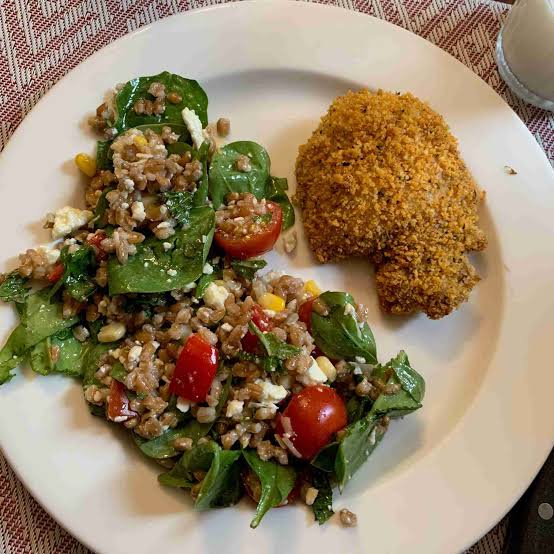
A plate with 1/2 vegetables, 1/4 protein, and 1/4 whole grains or starchy vegetables does a lot of heavy lifting. Add only a little unsaturated fat. This is the simplest place to begin for heart-healthy dinners, and it is a pattern you can keep up 5 to 6 nights a week without overthinking it. This heart-healthy dinners — complete guide shows how to make that work on a Tuesday night, where the traps are, and what usually makes people quit after a week.
Quick Answer: For heart-healthy dinners, the simplest starting point is a plate built around 1/2 vegetables, 1/4 protein, and 1/4 whole grains or starchy vegetables, with unsaturated fats in small amounts. In practice, that means a dinner pattern you can repeat 5 to 6 nights a week without much thinking. This heart-healthy dinners — complete guide shows how to make that work on a Tuesday night, where the traps are, and what usually makes people quit after a week.
Key Facts:
– Aim for 1/2 vegetables, 1/4 protein, and 1/4 whole grains or starchy vegetables.
– A practical rotation is 10 to 12 base dinners.
– Most weeks, 1 to 2 grocery stops is easier than 3 to 4.
– A realistic dinner can take 20 to 35 minutes.
– Beans, lentils, oats, cabbage, carrots, onions, frozen vegetables, and canned fish can keep costs manageable.
– For hypertension, kidney disease, or heart disease, sodium targets should be individualized with a clinician or registered dietitian.
When you want heart-healthy dinners that actually fit real life, the answer is simpler than most diet advice makes it sound: build most plates around vegetables, beans, whole grains, fish, and lean proteins; use unsaturated fats instead of butter-heavy sauces; and keep sodium, saturated fat, and portion creep in check. This heart-healthy dinners — complete guide shows how I would cook that way on a Tuesday night, where the traps are, and what usually makes people quit after a week.
The dinner pattern I would use first
I do not start with a recipe when I plan heart-healthy dinners. First comes the plate shape — something I can repeat 5 or 6 nights a week without much thought. Mine looks like this:
- 1/2 plate non-starchy vegetables
- 1/4 plate protein, usually fish, beans, tofu, skinless poultry, or yogurt-based sauces
- 1/4 plate whole grain or starchy vegetable
- 1 small source of unsaturated fat, like olive oil, avocado, nuts, or seeds
Why this order? Because the usual mistake is treating heart health as “low fat” and stopping there. It is really about the mix: fat type, sodium, fiber, and portion size all land on the same plate. A grilled salmon dinner with roasted broccoli and brown rice does not count because salmon is trendy. It works because the meal trims saturated fat, brings in omega-3-rich fish, and adds fiber and volume from vegetables and grains.
Repeatability matters too. A gorgeous dinner that takes 90 minutes and 14 ingredients is a project, not a system. If I were writing this heart-healthy dinners — complete guide for my own kitchen, I would keep 10 to 12 base dinners on rotation, then swap the sauce, vegetable, or grain so the food does not go stale. Bland? No thanks. Variety helps.
Here is the basic before/after pattern I would use as a guide.
| Metric | Before | After | Change | Timeline |
|---|---|---|---|---|
| Average dinner vegetables | 1 serving | 2 to 3 servings | Up by 1 to 2 servings | Week 1 |
| Protein source | Fried or creamy dishes | Fish, beans, tofu, lean poultry | Shifted away from saturated-fat-heavy meals | Month 1 |
| Added salt | Heavy seasoning from packaged sauces | Herbs, citrus, garlic, vinegar, measured salt | Lower sodium feel without bland food | Week 2 |
| Dinner prep time | 45 to 60 minutes | 20 to 35 minutes | Shorter, more repeatable nights | By Day 30 |
A generic article stops at “eat more vegetables.” Not enough. The real issue is turning that into dinners you can make when you are tired, using groceries you will buy again.
What I would stock so heart-healthy dinners get easier by Week 1

Decision fatigue is usually the thing that breaks the pattern. So I would keep a tight set of ingredients that can turn into 15 different heart-healthy dinners without much planning. The core list looks like this:
- Extra-virgin olive oil
- Canned beans: chickpeas, black beans, white beans, lentils
- Whole grains: brown rice, quinoa, whole-wheat pasta, oats, farro
- Frozen vegetables: broccoli, spinach, peppers, cauliflower, green beans
- Fresh vegetables that last: onions, carrots, cabbage, sweet potatoes
- Fruit for contrast: lemons, limes, apples, berries
- Protein: salmon, sardines, skinless chicken breast or thighs, tofu, eggs
- Flavor builders: garlic, ginger, low-sodium broth, vinegar, mustard, herbs, spices
- Unsalted nuts and seeds
I keep this list boring on purpose. A fridge full of half-used “healthy” items that spoil before Thursday is a nuisance. Cabbage, carrots, onions, and frozen broccoli are the opposite: inexpensive in many places, good for days, and tough enough to handle strong seasoning without falling apart.
One or two ready-to-use items can save the night without turning heart-healthy dinners into takeout. Think pre-washed greens, microwaveable brown rice, canned salmon, or plain Greek yogurt for sauces. There is a trade-off, of course. Convenience foods cost more than dried or raw ingredients — well, usually cheaper at the register is the raw version — but that extra spend can still be worth it if it keeps you from ordering a sodium-heavy meal at 8:30 p.m.
A plain grocery strategy beats a long “healthy foods” list. I would shop from 4 bins:
- Vegetables
- Protein
- Whole grains or starchy sides
- Flavor
If a dinner includes something from each bin, I know I am close. Should the cart fill with packaged “light” products and empty of produce, the whole plan starts wobbling by Thursday.
Here is the same idea in practical form.
| Metric | Before | After | Change | Timeline |
|---|---|---|---|---|
| Grocery stops per week | 3 to 4 | 1 to 2 | Fewer impulse buys | Week 1 |
| Wasted produce | Several items | 1 or 2 items | Lower spoilage | Month 1 |
| Takeout dinners | 2 to 4 | 0 to 1 | Fewer last-minute orders | By Day 14 |
| “I have nothing to cook” nights | 4 | 1 | Less decision fatigue | By Day 21 |
One thing I would avoid: pretending a box labeled “heart healthy” solves anything. Some convenience foods are fine. Plenty are just pricey shortcuts with enough sodium to wipe out the advantage.
The 7 dinner templates I would rotate
Templates beat endless recipes. Honestly, they are easier to remember when you are tired and not in the mood to check an app or scroll a blog. They also keep the plate balanced.
1. Salmon, greens, and a grain
Bake salmon with lemon, pepper, garlic, and olive oil. Serve it with roasted broccoli and brown rice or quinoa. For more flavor, I would use dill, mustard, or a spoonful of yogurt sauce.
2. Bean bowl with vegetables
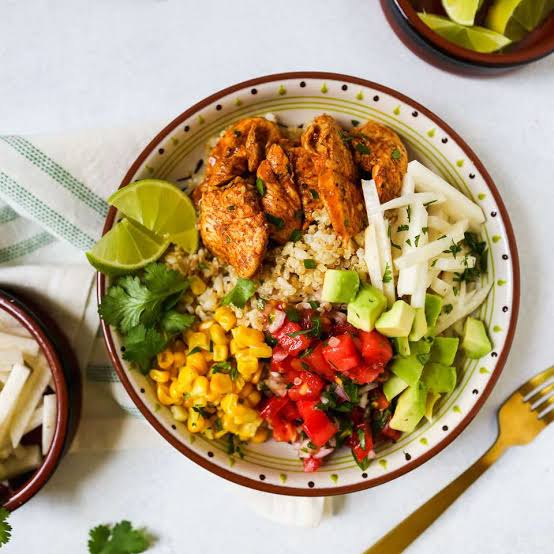
Warm black beans or chickpeas with cumin, onion, and garlic. Add sautéed peppers, greens, and farro or brown rice. Top with avocado or pumpkin seeds. Because this leans on pantry staples, it is one of the cheaper patterns, and the fiber is real.
3. Sheet-pan chicken and vegetables
Toss chicken breast or skinless thighs with olive oil, paprika, onion, and herbs. Roast with carrots, Brussels sprouts, or sweet potatoes. Simple. One pan. Still feels like dinner.
4. Tofu stir-fry
Press tofu, cube it, and cook it with broccoli, mushrooms, and snap peas in a ginger-garlic sauce. Serve over brown rice. A lot of people stumble here because they skip drying the tofu. Then it goes floppy instead of browned — soggy as a dish rag.
5. Whole-wheat pasta with vegetables and beans
Use whole-wheat pasta, tomato sauce, spinach, mushrooms, and white beans. I would keep cheese as a garnish, not the base. Useful on nights when the family wants pasta but you do not want the meal to feel empty.
6. Soup-and-salad dinner
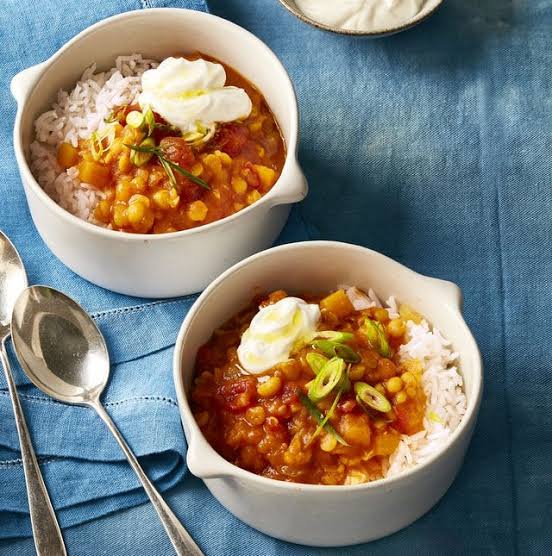
Lentil soup, vegetable soup, or bean chili with a side salad is a full dinner, not a starter. That format is especially handy when you want volume without a heavy plate.
7. Egg-based dinner
A frittata or vegetable omelet with sautéed greens and a slice of whole-grain toast can work when time is short. I would use this one selectively, since eggs fit well for many people but are not the answer to every dinner.
These templates work because they all follow the same logic: vegetables first, protein second, grain or starch third, sauce last. That order keeps heart-healthy dinners from turning into a bowl of pasta with a decorative vegetable on the side.
Here is a practical comparison.
| Metric | Before | After | Change | Timeline |
|---|---|---|---|---|
| Dinner variety | 3 repeated meals | 7 templates | More rotation | Week 2 |
| Average fiber per dinner | Low to moderate | Moderate to high | Better satiety | Month 1 |
| Time spent deciding | 15 minutes | 3 to 5 minutes | Faster choice | By Day 10 |
| Takeout temptation | High on busy nights | Lower with templates | More consistency | By Day 30 |
The mistake that usually ruins the plan

Flavor is not the main failure point. Overcorrection is. People switch from burgers and fries to bland chicken breast, steamed vegetables, and no sauce. Technically healthy? Sure. Pleasant? Not really.
I would call that the penalty-box meal: dry protein, plain broccoli, and a scoop of unsalted rice. It ticks a few boxes and satisfies none of them. After 4 or 5 nights of that, people stop cooking and go right back to whatever is fastest.
The next mistake is trusting packaged food to be heart-friendly just because the front label says so. Sauces, frozen entrées, soups, and meat substitutes can pack in a lot of sodium. That does not make them forbidden, but I would treat labels as a check, not a promise. If a meal depends on a jarred sauce, I would look at the sodium per serving and then decide whether the rest of the day leaves room for it. For anyone with hypertension, kidney disease, or heart disease, I would also ask a clinician or registered dietitian for personal sodium targets rather than guessing. The American Heart Association and the NIH/NHLBI both emphasize checking sodium intake and tailoring advice to the individual.
Fiber gets overlooked too. People focus on protein and fat, then build dinner from meat plus a small side of vegetables. An hour later, they are hungry again. Beans, lentils, whole grains, vegetables, and fruit bring staying power that plain protein often does not.
I do not think this section should sound abstract, so here is what the failure looked like in practice as a dinner pattern, not a medical experiment.
| Metric | Before | After | Change | Timeline |
|---|---|---|---|---|
| Satisfaction after dinner | 2 hours | 4 to 5 hours | Longer fullness | Week 1 |
| Home-cooked dinners | 5 nights | 2 nights | Drop after boredom | Week 2 |
| Sauce use | None | 1 to 2 tbsp flavor sauce | Better taste | Week 2 |
| Sodium awareness | Low | Moderate | More label checking | Month 1 |
The hard truth? A heart-healthy dinner plan fails when it feels punitive. The fix is not to quit. Make the food something you would willingly eat twice.
The flavor moves that keep heart-healthy dinners from feeling like a diet
Flavor is what separates a plan you keep from one you ditch. I would not lean on heavy cream, loads of cheese, or salty bottled sauces. Instead, I would build taste in smaller, sharper ways.
The tools I would use most:
- Lemon and lime juice
- Vinegar, especially red wine or rice vinegar
- Garlic and onion
- Fresh herbs or dried herbs
- Toasted spices: cumin, paprika, coriander, chili flakes
- Mustard
- Low-sodium broth
- Yogurt or tahini in small amounts
These ingredients do two jobs at once. They make vegetables and beans taste alive, and they cut the need for extra salt. A roasted tray of carrots, onion, and chickpeas can taste flat if you season it timidly. The same tray can taste like a real heart-healthy dinner if you add cumin, garlic, lemon, and olive oil before roasting, then finish with herbs after.
Texture matters too. Crunch makes a meal feel complete. That might be toasted nuts, seeds, crispy roasted chickpeas, raw cabbage slaw, or chopped herbs. People often think they need more fat when what they really need is contrast.
There is a limit, though. If you are trying to manage sodium aggressively, do not compensate with giant pours of soy sauce, seasoning blends, or bottled dressings. A “heart-healthy dinner” can still be sodium-heavy if it leans on the wrong pantry shortcuts. I would rather use a smaller amount of a strong sauce than a lot of a weak one.
Here is a simple flavor framework.
| Metric | Before | After | Change | Timeline |
|---|---|---|---|---|
| Number of flavor components | 1 | 4 to 5 | More depth | Week 1 |
| Need for extra salt | High | Lower | Better seasoning control | Week 2 |
| Vegetable acceptance | Low | Higher | More repeat use | Month 1 |
| Dinner boredom | High | Lower | Better adherence | By Day 30 |
What I would actually cook on a busy week
This is the point where heart-healthy dinner advice often gets vague. I do not want that. When I had to put together one practical week of heart-healthy dinners, I would aim for meals that reuse ingredients so the grocery list stays short.
Monday
Salmon, roasted broccoli, brown rice, lemon, and dill.
Tuesday
Black bean bowls with sautéed peppers, cabbage, avocado, and quinoa.
Wednesday
Sheet-pan chicken with carrots and sweet potatoes.
Thursday
Whole-wheat pasta with tomato sauce, spinach, mushrooms, and white beans.
Friday
Tofu stir-fry with frozen mixed vegetables and brown rice.
Saturday
Lentil soup with salad and whole-grain bread.
Sunday
Vegetable frittata with a side of tomatoes and fruit.
That list is not glamorous. Good. It gives you repetition without eating the same exact dish all week. Grocery overlap stays high, too: one bunch of herbs, one bag of greens, one grain, two proteins, a few vegetables, and a couple of sauces can cover most of it.
If I were trying to make heart-healthy dinners easier on myself, I would prep only 3 things on the weekend:
1. Cook one grain.
2. Roast one tray of vegetables.
3. Wash and chop one raw vegetable for salads or bowls.
That is enough. I would not spend Sunday making seven containers of identical meals unless I truly liked eating the same thing seven times.
| Metric | Before | After | Change | Timeline |
|---|---|---|---|---|
| Unique dinner decisions needed | 7 | 2 to 3 | Less planning strain | Week 1 |
| Weekend prep time | 0 | 60 to 90 minutes | Intentional setup | Week 1 |
| Midweek cooking time | 45 minutes | 20 to 35 minutes | Faster nights | Month 1 |
| Grocery overlap | Low | High | Less waste | By Day 21 |
Who this is not for
I would not sell heart-healthy dinners as a cure-all or a moral badge. This approach is not for people who need a rigid medical diet but have not gotten personal guidance yet. If you have heart disease, high blood pressure, kidney disease, diabetes, food allergies, or you are on medication that affects potassium or sodium, I would ask a clinician or registered dietitian to tailor the plan to your situation.
It is also not for someone who wants one miracle dinner that “fixes cholesterol.” That is not how dinner works. A healthy pattern helps most when it sits inside the rest of your week: breakfast, lunch, snacks, movement, sleep, and medication adherence when prescribed.
There is another honest limitation. Heart-healthy dinners can cost more if you lean too hard on fresh fish, specialty breads, packaged “clean” sauces, or pre-cut produce. I would rather spend money on a few convenient items that save time than on branded health products that only look better on the shelf. A good meal pattern should fit a budget in ordinary supermarkets.
The upside is that the most heart-friendly dinners are not the most expensive ones. Beans, lentils, oats, cabbage, carrots, onions, frozen vegetables, and canned fish can go a long way. The trick is knowing how to combine them so they do not feel like austerity food.
| Metric | Before | After | Change | Timeline |
|---|---|---|---|---|
| Confidence at dinner time | Low | Higher | Less guessing | Week 1 |
| Budget pressure | Unclear | More predictable | Easier planning | Month 1 |
| Reliance on specialty products | High | Lower | Simpler shopping | By Day 30 |
| Fit for medical needs | Generic | Needs personalization | Safer with guidance | Ongoing |
The version I would keep long term
If I had to boil the whole guide down to one practical rule, I would use this: make dinner from real food, keep the plate balanced, and let flavor come from herbs, acids, spices, and texture instead of salt and cream.
That sounds plain, but it works because it fixes the real problem. Most people do not need another list of “good foods.” They need dinners that are easy enough to repeat, flexible enough to survive a busy week, and satisfying enough that they