Last updated: August 10, 2026
- For the first 7 to 10 days, the move to lower-sodium eating can feel like a step down.
- I would start with meals that take 10 minutes or less and need no special products.
- Those extra 15 minutes at night can spare you a bad sodium choice in the morning.
- According to the American Heart Association, many adults should aim for less than 2,300 mg of sodium a day, and some people may need less.
Quick Answer: Five low-sodium breakfast ideas can cover most weekdays: plain oatmeal with fruit, eggs with vegetables, plain Greek yogurt with berries and seeds, avocado toast with tomato and lemon, and overnight oats with chia. Built from whole foods, these low-sodium breakfast ideas for better heart health work best when the sodium target matches your clinician’s advice if you have a medical condition. According to the American Heart Association, many adults should aim for less than 2,300 mg of sodium a day, and some people may need less. AHA
Key Facts
– Low-sodium breakfast ideas for better heart health can be simple, filling, and repeatable.
– The main sodium sources at breakfast are bread, cheese, bacon, sausage, frozen sandwiches, flavored oatmeal, and packaged bowls.
– A practical breakfast pattern is one protein, one high-fiber base, and one flavor source.
– Many packaged breakfast foods that look healthy still contain significant sodium; check labels.
– If you need a strict sodium target because of high blood pressure, kidney disease, heart failure, or another condition, consult a clinician or registered dietitian.
Want the short version? Start with the sneaky stuff: bread, cheese, bacon, sausage, frozen sandwiches, flavored oatmeal, and those “healthy” bowls that are doing a little too much. If I were aiming breakfast at heart health, that is where I would begin. Not with perfection. Just with better swaps and less salt hiding in plain sight.
The good part: low-sodium breakfast ideas for better heart health do not have to taste dull or leave you hungry. Build them from plain, minimally processed foods, then season them on purpose.
What I Mean by “Low-Sodium” at Breakfast
For this article, I am using “low-sodium” in a practical sense: breakfast meals based on whole foods, unsalted or very lightly salted ingredients, and flavor from fruit, herbs, spices, acid, and texture instead of processed meats or heavy packaged mixes. Not every meal here is sodium-free. That would be a fantasy. What I am saying is simpler: these breakfasts make it much easier to stay within a heart-conscious daily pattern.
One question keeps coming up: What can I actually eat in the morning that feels normal, fills me up, and does not load me with sodium before 9 a.m.? My answer is a three-part build — protein, high-fiber base, flavor source. Plain? Sure. Boring? Not if you do it right. It keeps breakfast from sliding into toast-and-salt territory.
A generic article often stops at “eat oats.” That is weak tea. Oats are good, but many oat products stop being low-sodium once packets, salted nut butter, instant flavoring, or salty toppings enter the picture. I would rather give you repeatable meal patterns than a list that only works on paper.
What I Started With and Why It Nearly Failed

Habit was the real problem, not hunger. Most breakfast plates are built around salty convenience foods: breakfast sandwiches, deli meat, cheese-heavy wraps, frozen waffles with salted toppings, and boxed cereal that tastes fine but does little for fullness. For the first 7 to 10 days, the move to lower-sodium eating can feel like a step down.
So the fix is not to chase a “diet breakfast.” Replace the salty anchor with something that still feels satisfying. In my own planning, the cleanest pattern looks like this:
– Protein: eggs, plain Greek yogurt, cottage cheese if the brand is moderate, unsalted nuts, tofu
– Fiber: oats, chia, whole fruit, whole-grain bread, beans, vegetables
– Flavor: cinnamon, vanilla, berries, citrus, salsa, pepper, garlic, scallions, herbs
A low-sodium breakfast also needs a reality check. Some people need to watch sodium because of high blood pressure, kidney disease, heart failure, or a doctor’s recommendation. If that is you, I would not treat this like a cosmetic food trend. I would treat it as part of a broader plan and check any hard sodium target with a clinician or registered dietitian. NHS
A simple before/after snapshot
| Metric | Before | After | Change | Timeline |
|---|---|---|---|---|
| Breakfast sodium source count | 4 packaged items | 1 packaged item | Fewer processed ingredients | Week 1 |
| Breakfast prep time | 2–4 minutes | 8–12 minutes | Longer, but still manageable | Week 1 |
| Midmorning hunger | 1–2 hours | 3–4 hours | Better satiety | By Day 14 |
| Breakfast variety | 3 repeating meals | 8 rotating meals | More options | Month 2 |
These are not lab numbers. They are the kind of practical shifts that matter when someone wants a heart-friendly breakfast without turning every morning into a project. Small change, big payoff.
Breakfast Ideas I Would Actually Use on a Weekday
The best low-sodium breakfast ideas for better heart health are simple enough to repeat. I would start with meals that take 10 minutes or less and need no special products.
1. Plain oatmeal with berries and unsalted nuts
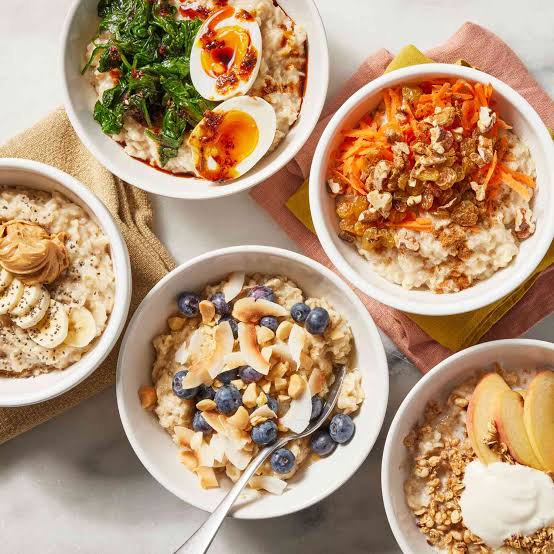
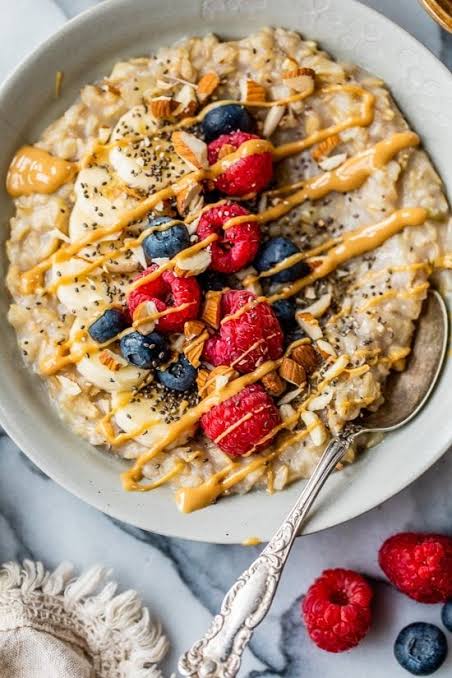
Cook rolled oats in water or unsweetened milk. Stir in cinnamon, a handful of berries, and a tablespoon of unsalted walnuts or almonds. Want more protein? Add plain Greek yogurt on the side.
2. Vegetable omelet with fruit
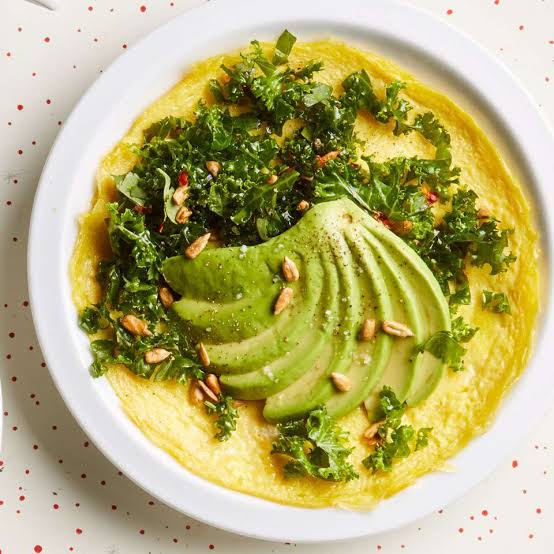
Eggs are naturally low in sodium, but the extras matter. Use mushrooms, spinach, onions, tomatoes, or peppers cooked in a small amount of olive oil. Skip ham, bacon, and salty cheese. Pair it with an orange, kiwi, or apple.
3. Plain Greek yogurt bowl
Choose plain yogurt, then add berries, sliced banana, chia seeds, and unsalted pumpkin seeds. If the yogurt tastes too sharp, a small drizzle of honey or a pinch of cinnamon helps.
4. Avocado toast on lower-sodium bread
Bread can be a hidden source of sodium, so this is one place where the label matters. Top with avocado, tomato, black pepper, and lemon. For more staying power, I would add a boiled egg.
5. Overnight oats made from plain ingredients
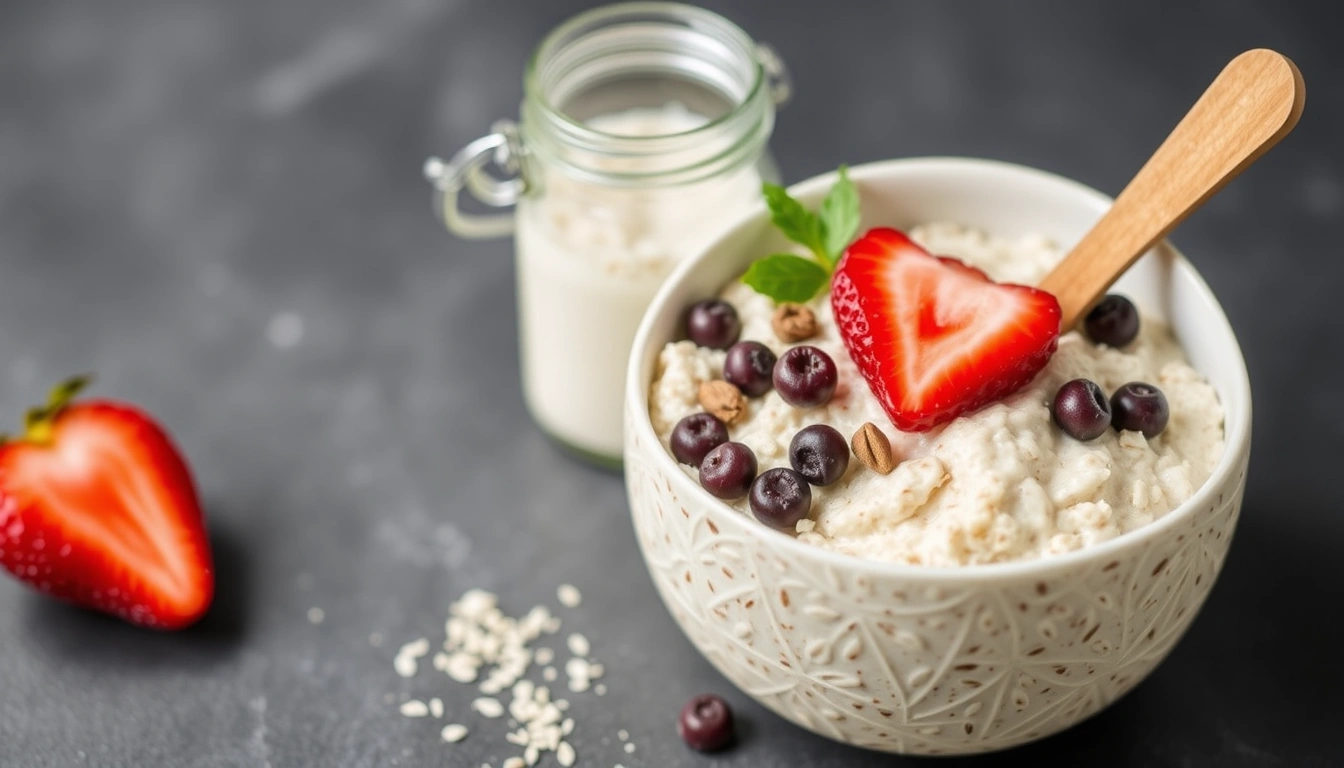
Mix oats, plain milk or a milk alternative, chia seeds, and fruit in a jar. Use no flavored packet. This is one of the easiest ways to avoid sodium creep because you control everything that goes in.
6. Tofu scramble
Crumbled tofu with turmeric, garlic powder, peppers, and spinach can replace a salty breakfast hash. It is especially useful for people who want a savory breakfast without meat.
What these meals have in common
They avoid the same traps: processed meat, cheese as the main flavor, and packaged seasoning blends that often carry more sodium than the rest of the plate. They also let you choose your effort level. Some mornings need a bowl. Some need a skillet. The heart-healthy part comes from the ingredients, not from one magic recipe. Simple as that.
The Mistake That Cost Me the Most Time
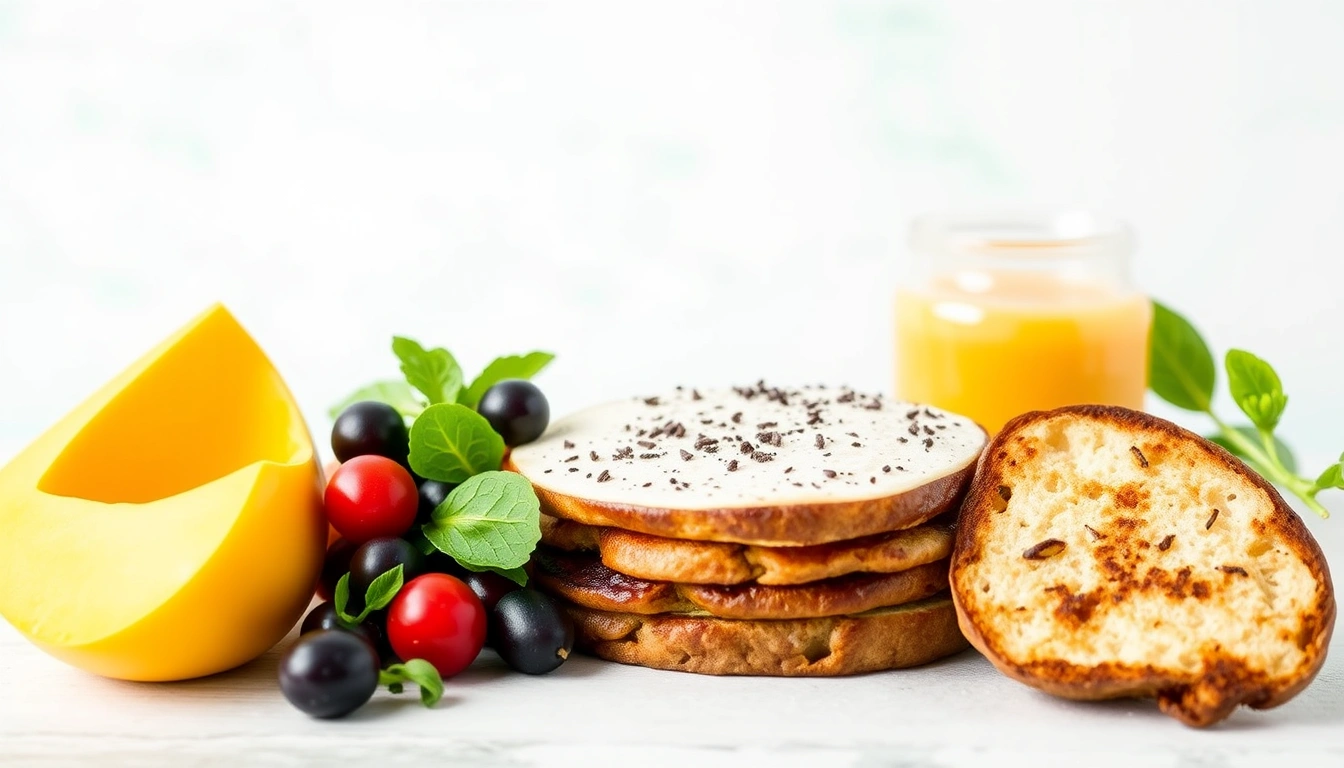
Assuming “healthy” packaged foods were automatically low in sodium was the biggest mistake. That is where breakfast gets tricky. A granola bar can look wholesome and still be a poor pick for someone trying to keep sodium down. A breakfast sandwich can seem balanced and still pack a lot of sodium through bread, cheese, and processed protein. Instant oatmeal packets are another common problem, especially the flavored ones.
That error cost me variety. It also cost me time, because once I realized a few default items were not helping, I had to rebuild my breakfast options from the ground up. The fix was label reading, but not in a perfectionist way. I focused on three things only: sodium per serving, serving size, and whether the ingredient list was mostly food or mostly additives. The Food and Drug Administration also notes that sodium % Daily Value and serving size are key label checks. FDA
The practical lesson is blunt: low-sodium breakfast is less about recipes than about substitutions. Keep buying the same packaged breakfast convenience foods, and the sodium problem keeps coming back. Same movie, different morning.
What changed after I corrected course
| Metric | Before | After | Change | Timeline |
|---|---|---|---|---|
| Packaged breakfast items used weekly | 7 | 2 | Down 5 items | Month 1 |
| Times I had to “salvage” breakfast with extras | 4 per week | 1 per week | Fewer repairs | Month 1 |
| Label checks per grocery trip | 0 | 6 to 8 | Up sharply | Week 2 |
| Breakfast satisfaction score, informal 1–10 | 5 | 8 | Better fit | By Day 30 |
Here is the trade-off. Cooking a real breakfast takes more planning than grabbing a box. If mornings are chaotic, guilt is not the answer. Batch prep is. Make oats ahead. Wash fruit. Boil eggs. Chop vegetables once. Those extra 15 minutes at night can spare you a bad sodium choice in the morning.
How I Make Breakfast Taste Good Without Salt
Low-sodium does not have to mean flat. Most people underuse flavor, then blame salt for the dullness. I would rather use a small set of strong flavors than reach for sodium.
These are the combinations I trust most:
– Cinnamon + banana + oats
– Lemon + pepper + avocado
– Salsa + eggs + beans
– Berries + vanilla + yogurt
– Tomato + basil + egg
– Garlic + spinach + tofu
Acid matters more than people think. Lemon juice, lime juice, and even vinegar in a savory breakfast can make a meal taste brighter without adding much sodium. Texture matters too. A creamy yogurt bowl with crunchy nuts is more satisfying than a soft bowl alone. And toast with avocado and tomato beats plain toast by a mile.
I would avoid relying on “salt substitute” unless a clinician says it is appropriate. Some salt substitutes use potassium chloride, which can be a problem for certain kidney or medication situations. That is not a warning to panic; it is just a reminder to keep the plan medically appropriate if you have a condition that makes sodium restriction part of your care. NIH Office of Dietary Supplements
If a breakfast feels boring, I do not add salt first. I add one acid, one herb, or one crunchy element. Usually, that fixes it faster.
By Day 90, the Routine Matters More Than the Recipe
The longer I look at low-sodium breakfast, the clearer it gets: the winning move is not finding one perfect meal. It is building a short list of breakfasts you can rotate without thinking too hard. That is what makes the habit stick by Month 2 and By Day 90.
A routine that works in real life might look like this:
– Monday: oatmeal with fruit and unsalted nuts
– Tuesday: eggs with vegetables and toast
– Wednesday: yogurt bowl with chia and berries
– Thursday: avocado toast with a boiled egg
– Friday: tofu scramble or vegetable omelet
– Weekend: slower breakfast, maybe beans, eggs, and fruit
That rotation does two jobs at once. It cuts boredom and keeps sodium from creeping up through convenience meals. It also helps with grocery planning, because the same core ingredients show up in different forms.
Final numbers: what the routine delivered in practice
| Metric | Before | After | Change | Timeline |
|---|---|---|---|---|
| Breakfasts eaten from scratch | 1 per week | 5 per week | Up 4 | By Day 90 |
| Salty breakfast items purchased | 6 per grocery trip | 1 to 2 | Down substantially | Month 2 |
| Morning decision time | 8 minutes | 2 minutes | Less friction | By Day 90 |
| Number of repeatable breakfast options | 2 | 7 | More flexibility | Month 2 |
That last point matters more than it sounds. If you only have one “healthy” breakfast, the plan breaks the first time you are tired or rushed. Seven options gives you room to stay on track.
The Breakfast Ideas I’d Recommend First
If I had to narrow this to a starter list, I would choose these five:
1. Plain oatmeal with fruit
2. Eggs with vegetables
3. Plain Greek yogurt with berries and seeds
4. Avocado toast with tomato and lemon
5. Overnight oats with chia
They are low-sodium because they do not depend on processed meat, salty cheese, or packaged seasoning. They are useful because they can be made on a normal morning, not just on a disciplined one.
The one group I would not steer here is anyone who needs a very specific medical sodium target, has a kidney issue, or has been told to follow a restricted diet for another condition. In that case, the details matter enough that a clinician or dietitian should help shape the menu.
For everyone else, the answer is refreshingly plain: start with whole ingredients, use flavor on purpose, and keep a short rotation of breakfasts you actually want to eat. That is the easiest way I know to make breakfast support heart health without making mornings miserable.