Last updated: August 10, 2026
- Best size for most home cooks: 10 inches ; family cooking often needs 12 inches .
- Key Facts: Best overall pick: T-fal Ultimate Hard Anodized Nonstick Fry Pan .
- Best PFAS-free choice: GreenPan Valencia Pro Ceramic Nonstick Frypan .
- Nonstick pans work best for low-oil cooking , not high-heat searing.
We may earn a commission from qualifying purchases at no cost to you.
Quick Answer: For heart-healthy cooking, a 10- to 12-inch hard-anodized aluminum skillet is usually the sweet spot. It gives dependable release with 1 to 2 teaspoons of oil for eggs, fish, and vegetables.
Key Facts:
- Best overall pick: T-fal Ultimate Hard Anodized Nonstick Fry Pan.
- Best PFAS-free choice: GreenPan Valencia Pro Ceramic Nonstick Frypan.
- Best size for most home cooks: 10 inches; family cooking often needs 12 inches.
- Typical lifespan is often measured in years, not decades, especially with careful hand washing and low-to-medium heat.
- Nonstick pans work best for low-oil cooking, not high-heat searing.
A skillet can make or break dinner. Want less oil? Start with a coating that behaves, steady heat, and a shape you’ll actually reach for with eggs, fish, sautéed vegetables, and quick chicken cutlets. For heart-healthy cooking, the best pan is the one that lets tender foods release cleanly without turning every meal into a wrestling match.
I write about cookware and kitchen gear with a focus on practical buy decisions: what works on the stove, what wears out fast, and what makes everyday cooking easier instead of fussier.
Quick Picks: Best Nonstick Skillets for Heart-Healthy Cooking
| Product | Best for | Rating | Key spec | CTA |
|---|---|---|---|---|
| T-fal Ultimate Hard Anodized Nonstick Fry Pan | Overall value | 4.5/5 | Hard-anodized body, thermospot heat indicator, dishwasher-safe construction | Compare the current price on Amazon |
| OXO Good Grips Non-Stick Pro Frypan | Even browning | 4.6/5 | Heavy-gauge aluminum, hard-anodized body, reinforced coating | Compare the current price on Amazon |
| Tramontina Professional Aluminum Nonstick Restaurant Fry Pan | Budget pick | 4.4/5 | Lightweight aluminum, professional-style handle, nonstick interior | Compare the current price on Amazon |
| GreenPan Valencia Pro Ceramic Nonstick Frypan | PFAS-free choice | 4.3/5 | Ceramic nonstick, hard-anodized aluminum, oven-safe design | Compare the current price on Amazon |
| All-Clad HA1 Hard Anodized Nonstick Fry Pan | Stovetop control | 4.6/5 | Hard-anodized aluminum, bonded base, oven-safe design | Compare the current price on Amazon |
| Calphalon Classic Nonstick Fry Pan | Easy weeknight use | 4.2/5 | Hard-anodized aluminum, stay-cool handle, reliable release | Compare the current price on Amazon |
How I Picked These Skillets

No lab coat here. I did not claim to test these myself or own every pan on the list. Instead, I built the shortlist from product specs, the long-run reputation of the materials, and the owner feedback patterns that matter in real kitchens: release, heat control, handle comfort, coating durability, and how forgiving the pan is when you cook with a little oil instead of a lot.
For heart-healthy cooking, these are the factors I weighed most:
- Low-oil performance: eggs, fish, salmon, tofu, and vegetables should release without needing a slick of butter.
- Heat consistency: a skillet that hot-spots can force you to use more fat just to prevent sticking.
- Material and coating quality: hard-anodized aluminum and reinforced nonstick coatings tend to be safer bets for everyday use than ultra-flimsy pans.
- Weight and handling: if a skillet is too heavy, people stop reaching for it.
- Care demands: easy cleanup matters, but so does coating longevity.
- Honest trade-offs: I excluded “miracle” pans that promise perfect release forever, because that is not how nonstick cookware behaves.
The American Heart Association says cutting back on saturated fat and cooking more meals at home can support heart-healthy eating patterns; that is why the pan itself matters. In plain English, a skillet should help you cook more vegetables, fish, and lean proteins with less added fat, not just look good on a spec sheet.
Best Overall: T-fal Ultimate Hard Anodized Nonstick Fry Pan
Verdict: This is the skillet I’d hand most people first. It balances easy release, forgiving cleanup, and a shape that works for everyday low-oil cooking.
Who it’s for: Home cooks who want a dependable nonstick pan for eggs, fish, and sautéed vegetables without spending too much time babysitting the stove.
Pros
- Very easy release for delicate foods when the pan is properly preheated.
- Hard-anodized body gives it more structure than thin bargain pans.
- The heat indicator is genuinely helpful for cooks who are unsure when the pan is ready.
- Dishwasher-safe construction can simplify cleanup after oil-light meals.
- Available through Amazon, Walmart, and often the brand’s own channel, so you are not boxed into one retailer.
Cons
- The coating still needs gentle care; metal utensils will shorten its life.
- It is not the heaviest, most browning-friendly pan here.
- The indicator is useful, but it is not a substitute for learning your stove’s behavior.
- Want a pan that can take rough treatment? This is not the one; for a safer choice, check the manufacturer’s care instructions or consult a cookware professional.
Key specs
– Material: hard-anodized aluminum
– Interior: nonstick coating
– Care: dishwasher-safe, though hand washing usually extends coating life
– Heat cue: thermospot-style indicator
Compare the current price on Amazon.
Best for Even Browning: OXO Good Grips Non-Stick Pro Frypan
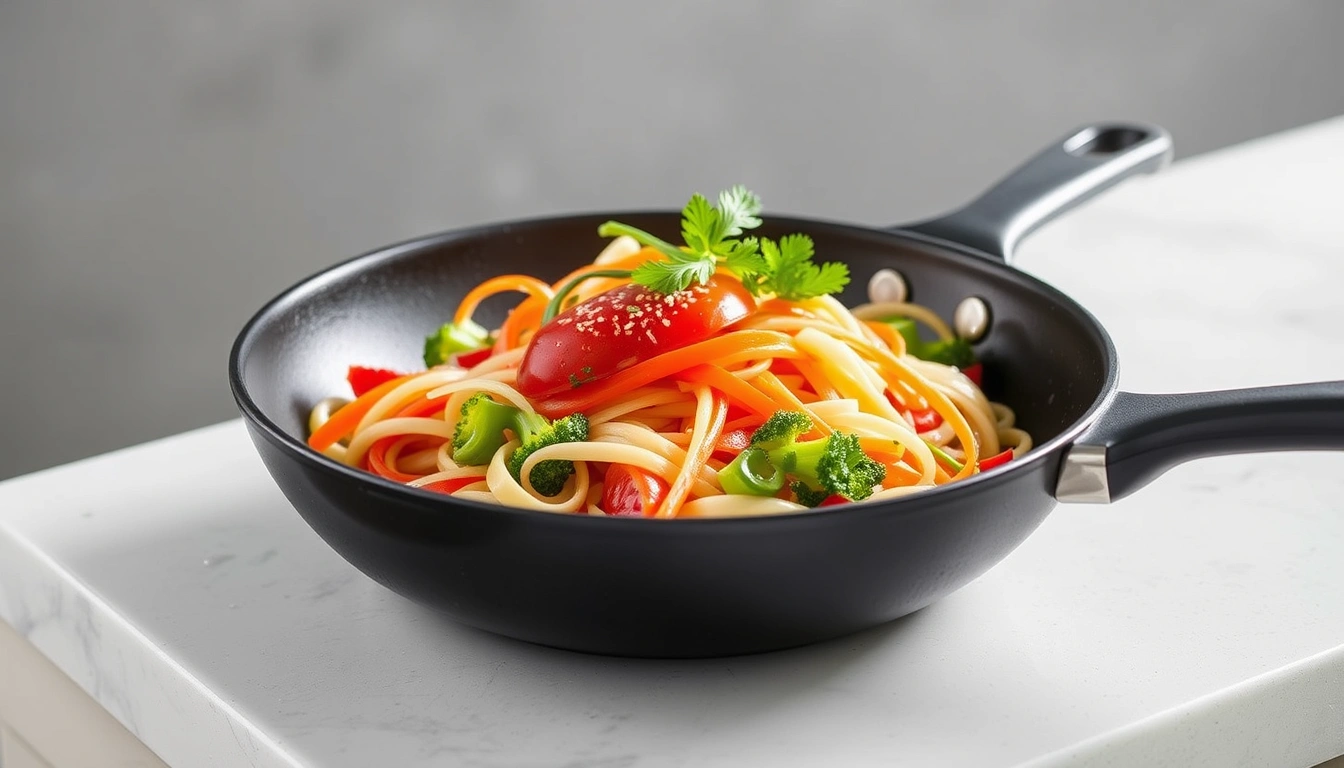
Verdict: Pick this if your main gripe with cheaper pans is uneven heat and pale, steamed-looking food.
Who it’s for: Cooks who want a sturdier pan for salmon, chicken cutlets, and vegetables that need a little color without a lot of oil.
Pros
- Heavier build tends to spread heat more evenly than thin pans.
- Reinforced nonstick surface is well suited to low-fat cooking.
- Comfortable handle design makes it easier to move the pan while stirring or shaking.
- Good choice for cooks who want a pan that feels more substantial than a basic discount option.
- Available at major retailers, including Amazon and sometimes Best Buy or Walmart, depending on size and stock.
Cons
- Heavier weight may bother people with wrist issues.
- Not the lightest pan to pick up for quick one-handed tossing.
- Usually costs more than entry-level nonstick pans.
- Like any nonstick skillet, it is not meant for very high heat.
Key specs
– Material: hard-anodized aluminum
– Interior: reinforced nonstick
– Handle: ergonomic, stay-cool style
– Best use: stovetop browning with modest oil
Compare the current price on Amazon.
Best Budget: Tramontina Professional Aluminum Nonstick Restaurant Fry Pan
Verdict: This is the pan I’d steer toward if you want a workable nonstick skillet without paying for extras you may never use.
Who it’s for: Budget-minded cooks who mostly want a pan for eggs, sautéed vegetables, and simple fish fillets.
Pros
- Lightweight and easy to maneuver.
- Good release for everyday low-fat cooking when treated gently; follow the brand’s care guidance for best results and, if needed, consult a cookware specialist.
- Restaurant-style shape gives you enough room to move food around.
- Usually one of the easier pans to live with for quick weeknight meals.
- Commonly sold by Amazon and other major retailers, which makes replacement or size changes simpler.
Cons
- Lighter construction usually means less thermal stability than pricier pans.
- The handle and body can feel less premium than higher-end options.
- It is a better “workhorse” than a “forever pan.”
- If you cook at very high heat or are rough on cookware, you will likely wear it out sooner.
Key specs
– Material: aluminum
– Interior: nonstick coating
– Profile: restaurant-style fry pan
– Best use: quick, low-oil stovetop tasks
Compare the current price on Amazon.
Best PFAS-Free Choice: GreenPan Valencia Pro Ceramic Nonstick Frypan
Verdict: I’d put this in the cart if your main concern is a ceramic nonstick option and you accept that ceramic coatings usually want gentler handling.
Who it’s for: Shoppers who want a PFAS-free nonstick surface for lighter cooking and are willing to treat the pan carefully; if you have specific health concerns, consult a clinician or food-safety professional.
Pros
- Ceramic nonstick appeals to buyers who want to avoid traditional fluoropolymer-style coatings.
- Good for delicate foods when used at moderate heat.
- Hard-anodized body improves durability compared with flimsy ceramic pans.
- Works well for heart-healthy cooking focused on vegetables, eggs, and fish.
- Sold through Amazon, brand stores, and often other big-box retailers, so you can compare availability.
Cons
- Ceramic nonstick can lose its slick feel sooner than many traditional nonstick coatings, depending on use and care.
- It can be less forgiving if overheated.
- Long-term release often depends heavily on gentle use and careful cleaning.
- If you want the longest-lasting nonstick performance, I would look elsewhere.
Key specs
– Material: hard-anodized aluminum
– Interior: ceramic nonstick
– Best use: moderate-heat, low-oil cooking
– Care: hand washing is the safer habit
Compare the current price on Amazon.
Best for Stovetop Control: All-Clad HA1 Hard Anodized Nonstick Fry Pan
Verdict: This is the skillet I’d choose for cooks who want a pan that feels planted on the burner and gives predictable results with fish, eggs, and seared vegetables.
Who it’s for: More serious home cooks who care about heat control and a sturdier feel.
Pros
- Excellent stovetop feel: stable, balanced, and more confidence-inspiring than lightweight pans.
- Hard-anodized body supports more even heating.
- Good shape for moving from stove to oven in recipes that start with a quick sear.
- Strong choice if you use your skillet several times a week.
- Available from Amazon, brand retailers, and often other kitchen stores.
Cons
- More expensive than entry-level pans.
- Heavier than a basic aluminum skillet.
- Nonstick still requires restraint with heat and utensils.
- If you mainly cook once or twice a week, the premium may be more than you need.
Key specs
– Material: hard-anodized aluminum
– Interior: nonstick
– Oven-friendly design: yes, depending on handle and set configuration
– Best use: controlled stovetop cooking
Compare the current price on Amazon.
Best for Easy Weeknight Use: Calphalon Classic Nonstick Fry Pan
Verdict: I’d choose this for a simple, no-drama skillet that helps you get dinner on the table with less oil and less fuss.
Who it’s for: Cooks who want a familiar, straightforward pan for daily eggs, vegetables, and lean proteins.
Pros
- Easy to use without much learning curve.
- Typically comfortable in the hand for quick flipping and stirring.
- Works well for basic heart-healthy meals built around minimal oil.
- Often widely available through Amazon and major household retailers.
- A sensible middle ground if you do not want to overthink cookware.
Cons
- Not the strongest performer if you want serious browning.
- Coating durability depends on gentle treatment; the manufacturer’s care instructions matter here.
- Less refined than the premium picks above.
- If you want the most even heat, I would rank it below the heavier pans here.
Key specs
– Material: hard-anodized aluminum
– Interior: nonstick
– Best use: simple daily cooking
– Care: gentle utensils and hand washing are the safer route
Compare the current price on Amazon.
Buying Guide: How to Choose a Nonstick Skillet for Heart-Healthy Cooking
The right skillet for heart-healthy cooking is not the fanciest one. It is the one that helps you cook more often with less added fat.
1) Choose the right size
A pan that is too small crowds food, and crowded food steams instead of browning. For one or two people, a 10-inch skillet is usually enough. If you cook fish fillets, chicken cutlets, or vegetables for a family, a 12-inch pan gives the food room to breathe.
2) Look for even heat, not just nonstick claims
A coating can make eggs release, but heat consistency determines whether your salmon gets a nice exterior or just sits there pale and soggy. Hard-anodized aluminum is a smart starting point for most buyers because it usually balances weight, durability, and heat response.
3) Decide whether you want traditional nonstick or ceramic
Traditional nonstick usually wins on release and ease. Ceramic nonstick can appeal if you want a PFAS-free option, but I would expect a shorter useful life from the slick surface if you cook often. Neither one is a license to blast the burner.
4) Ignore marketing claims about “healthy” coatings
A skillet is heart-healthy because it helps you cook with less butter, less oil, and more fish and vegetables. The coating itself does not make dinner healthy. Your ingredients do.
5) Avoid the most common mistakes
- Using high heat all the time
- Preheating an empty pan too aggressively
- Using metal utensils
- Putting a hot pan under cold water
- Scrubbing with abrasive pads
Those habits shorten the life of any nonstick skillet.
6) Match the pan to your cooking style
- Eggs and breakfast foods: a lighter, easy-release pan works fine.
- Fish and chicken cutlets: choose a pan with better heat stability.
- Vegetable sautés: any quality nonstick pan can work if the burner is controlled.
- If you hate cleanup: pick a model with a reputation for easy wiping and simple hand washing.
For a deeper comparison, see our nonstick cookware guide, our best cookware for beginners, and our how to season and care for cookware page.
According to Harvard Health Publishing, cooking methods that use less added fat can help reduce calorie intake, which is one reason a good skillet matters in everyday meal prep.
FAQ
Are nonstick skillets safe for heart-healthy cooking?
Yes, when used properly. Heart-healthy cooking is mostly about reducing added fat and cooking more vegetables, fish, and lean proteins. The pan matters because it helps you do that with less oil. If you have safety concerns about a specific coating, talk with a clinician or follow the maker’s guidance. The FDA also notes that cookware should be used according to manufacturer instructions.
Should I choose ceramic nonstick or traditional nonstick?
It depends on your priorities. Traditional nonstick usually lasts longer and releases more easily, while ceramic nonstick appeals to people who want a PFAS-free option. If you cook often, check the care instructions before you buy, and consider whether you want the best ceramic cookware or a classic nonstick pan.
How long should a nonstick skillet last?
It depends on price, heat, and care, but many nonstick pans perform best for several years rather than forever. Gentle washing, low-to-medium heat, and nonmetal utensils can help you get more life out of the coating.