Last updated: August 10, 2026
- When I can get it on the table in 20 to 30 minutes, I call it a win.
- A realistic target is 20 to 30 minutes from start to finish on busy nights.
- Thin fish cooks in about 20 minutes.
- What Week 1, Month 2, and Day 90 Actually Look Like The first few weeks were less about transformation and more about cutting friction.
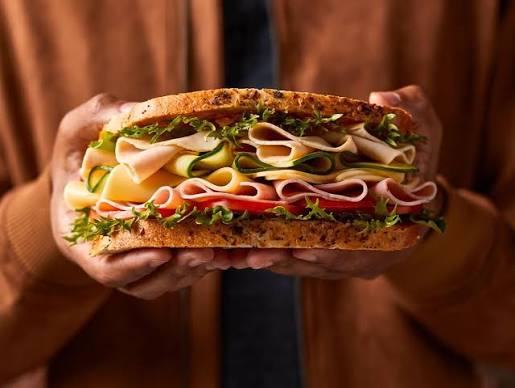
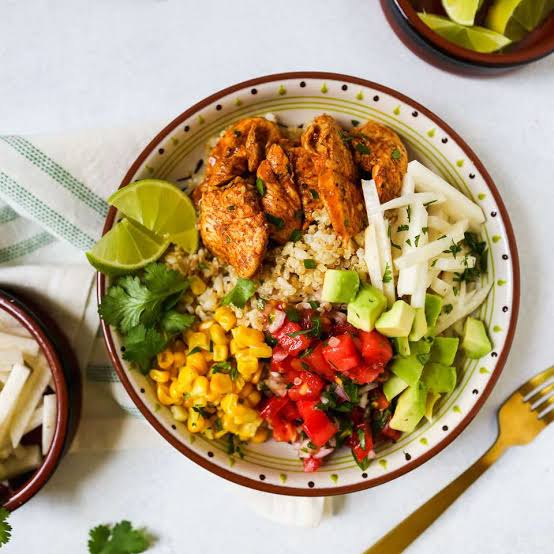
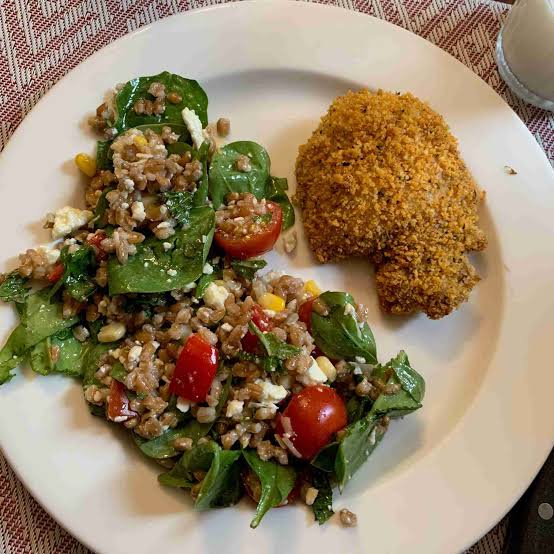
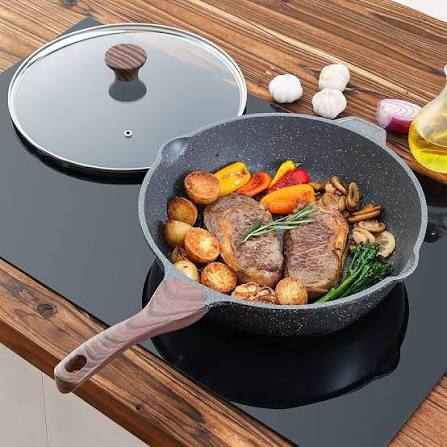
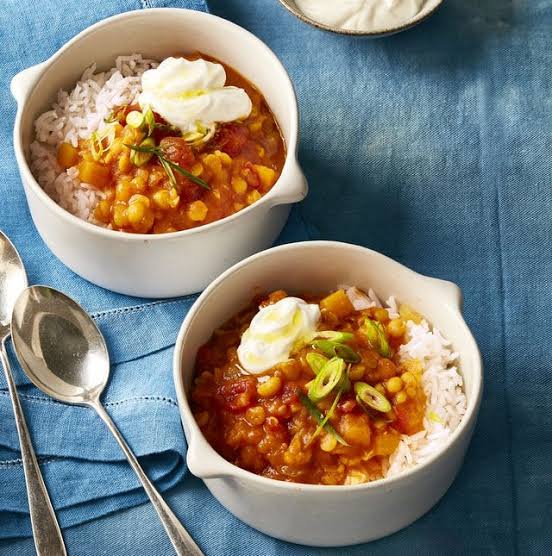
A 20-minute dinner can still be heart-healthy. For quick heart-healthy dinner ideas weeknights, I’d build the plate around four pieces: vegetables, a high-fiber carbohydrate, a lean protein, and a modest amount of unsaturated fat. Honestly, that’s the whole trick. When I can get it on the table in 20 to 30 minutes, I call it a win. Perfect recipes? Not needed. The key is a short list of meals that are fast, filling, and realistic on a tired night.
Quick Answer / Key Facts
- Quick heart-healthy dinner ideas weeknights work best when you build meals from vegetables, fiber-rich starches, lean protein, and unsaturated fat.
- A realistic target is 20 to 30 minutes from start to finish on busy nights.
- Repeatable meals reduce decision fatigue and make weeknight cooking easier to keep up.
- Canned beans, frozen vegetables, whole grains, eggs, salmon, and chicken are the most useful staples in this rotation.
- For blood pressure, cholesterol, diabetes, or kidney disease, check your personal targets with a clinician or dietitian.
What I Mean by “Heart-Healthy” on a Busy Night

I don’t use “heart-healthy” as a fancy label for dull food. On a weeknight, I mean meals that lean toward vegetables, beans, whole grains, fish, skinless poultry, tofu, and unsalted nuts, while keeping sodium, saturated fat, and heavy cream in check, in line with guidance from the American Heart Association and the NHLBI. No full recipe overhaul required. Usually, the easier move is just changing the default.
Salmon with microwaved brown rice and bagged salad beats takeout fried rice. Black bean tacos with cabbage and avocado beat a frozen pizza. Different foods, same idea. The structure is doing the work.
For weeknights, I stick to a small rotation instead of chasing novelty. Decision fatigue is real, and dinner at 6:30 p.m. can turn into a coin flip fast. Try to invent something then, and you usually grab the fastest option, not the healthiest one. A short list cuts that off.
Here is the template I use:
- Protein: salmon, tuna, chicken breast, turkey, tofu, beans, lentils, eggs
- Fiber-rich base: brown rice, quinoa, whole-wheat pasta, potatoes, corn tortillas
- Vegetables: frozen broccoli, bagged spinach, slaw mix, cherry tomatoes, peppers, zucchini
- Flavor: garlic, lemon, vinegar, salsa, herbs, spice blends, low-sodium broth
That formula stays flexible. It also keeps me from leaning on sauces that turn a light dinner into something salty and heavy. For blood pressure, cholesterol, diabetes, or kidney disease, I’d still check your individual targets with a clinician or dietitian. “Heart-healthy” points you in the right direction, but it isn’t one-size-fits-all.
My 20-Minute Rotation: The Dinners I Keep Coming Back To
I wouldn’t call these the fastest heart-healthy dinners. I’d call them the ones I actually make when I need dinner to be quick and realistic. Same few patterns, over and over — and that’s the point. They work in Week 1, not just when motivation is high.
1. Salmon, microwave grain, and green veg
I usually bake or pan-sear salmon while brown rice or quinoa runs in the microwave. After that, frozen broccoli or green beans goes on the plate, and lemon plus pepper finishes it off. When time is tight, I reach for pre-cut vegetables and a sheet pan. Thin fish cooks in about 20 minutes. Nice and simple.
2. Black bean tacos with slaw
Canned black beans get warmed with cumin and garlic, then tucked into corn tortillas and topped with cabbage slaw, salsa, and avocado. This one is one of my best weeknight choices because it is cheap, filling, and fast. Beans bring the fiber; slaw brings crunch without much fuss.
3. Chicken and vegetable stir-fry
I slice chicken breast thin so it cooks quickly. Then I stir-fry it with frozen stir-fry vegetables and a simple sauce made from low-sodium soy sauce, ginger, garlic, and a little sesame oil. Brown rice works, and cauliflower rice does too, depending on how hungry I am.
4. White bean tomato pasta
Whole-wheat pasta gets tossed with canned no-salt-added tomatoes, garlic, spinach, olive oil, and white beans. Comfort food, yes — but without cream or a heavy meat sauce. Fresh herbs go in if I have them. Without them, dinner still lands just fine.
5. Tuna-and-chickpea salad bowls
This is my emergency dinner. Tuna, chickpeas, celery, onion, olive oil, lemon, and black pepper go together, then the mix gets served over greens with whole-grain crackers or a slice of whole-grain toast. Not glamorous. Still good.
6. Egg scramble with potatoes and spinach
A veggie-heavy scramble is basic because it is basic. I cook diced potatoes in a skillet, add spinach, then fold in eggs. Need more protein? Extra egg whites do the job, or I put fruit on the side. Leftovers finally have a purpose.
The Grocery List That Makes These Dinners Possible
The biggest weeknight mistake is buying ingredients for a recipe and forgetting the building blocks. I do better with a repeatable list on hand. Then dinner starts with what’s already in the kitchen.
My core grocery list
- Proteins: salmon, canned tuna, canned beans, lentils, eggs, chicken breast, tofu
- Grains and starches: brown rice, quinoa, whole-wheat pasta, potatoes, corn tortillas, whole-grain bread
- Vegetables: bagged salad, spinach, broccoli, green beans, cabbage slaw, onions, peppers, cherry tomatoes, frozen mixed vegetables
- Flavor items: garlic, lemons, limes, salsa, low-sodium broth, olive oil, vinegar, mustard, spices
- Extras: avocado, plain yogurt, nuts or seeds, fruit for the side
I keep one or two backup proteins in the pantry, too. Canned beans and tuna have saved me more than once when fresh food ran out by Wednesday. Frozen vegetables do the same. A freezer full of spinach, broccoli, or stir-fry mix isn’t a compromise; it’s insurance.
The trade-off is repetition if you never change flavors. One week I’ll use lemon and dill. The next week, salsa and cumin. Later, garlic, ginger, and sesame. Same ingredients, different mood. Otherwise, the food starts tasting like déjà vu.
I’d also pass on too many specialty “health” products. They often cost more, spoil faster, and don’t make dinner easier. A plain bag of brown rice does more for a weeknight than a complicated box with a health halo.
The Mistake That Cost Me a Week of Easy Dinners
My biggest mistake was trying to cook heart-healthy dinners as if every night were a fresh start. That plan lasted about one week. I bought too many perishable ingredients, planned meals with too many steps, and assumed I’d still have energy at 6:00 p.m. after a long day. I didn’t.
The practical damage was easy to see: vegetables went to waste, and I ordered takeout twice because the “healthy” dinner I had planned needed too much chopping. The emotional part was worse. After two failures, healthy cooking started to feel like a chore I was already losing at. When that sounds familiar, reset the plan and, as needed, talk with a clinician or dietitian about what a realistic version of heart-healthy eating looks like for you. That is a lousy place to land.
Willpower wasn’t the fix. Fewer moving parts were. I switched to meals built from repeat ingredients: canned beans, frozen vegetables, whole grains, eggs, and one fresh item that could show up in more than one dinner. I also stopped planning seven different meals for seven nights. Five options were enough.
Here’s the honest part: quick heart-healthy cooking is not for someone who wants every dinner to feel special. If you need a new recipe every night, this gets old. If dramatic flavors and restaurant-style plating matter most, a Tuesday may disappoint you. But for a real goal of eating well most nights without spending an hour in the kitchen, repetition is a strength, not a flaw.
The failure taught me one useful rule: a dinner that can’t survive a tired night isn’t a weeknight dinner.
What Week 1, Month 2, and Day 90 Actually Look Like
The first few weeks were less about transformation and more about cutting friction. By Week 1, I was still reaching for old habits first. So I needed the food visible: the salmon on the front shelf, the beans in the pantry basket, and the frozen vegetables moved to the top drawer. Once I could see them, I used them more often.
By Month 2, things sped up because I’d stopped overcomplicating dinner. I knew which meals took the least attention, which leftovers held up, and which ingredients I’d actually finish before they spoiled. No more trying to cook from memory every night. A simple phone list with six dinners was enough.
By Day 90, the real change wasn’t some dramatic “before and after” moment. It was consistency. I had a small set of dinners I could make without thinking hard, and that made it much easier to stay on track during busy weeks.
Simple Dinner Formula: Before and After
| Metric | Before | After | Change | Timeline |
|---|---|---|---|---|
| Weeknight dinner planning time | 15-20 minutes of indecision | 3-5 minutes from a short list | Less friction | Week 1 to Month 2 |
| Typical dinner cleanup | 3-4 pans and bowls | 1 pan plus one bowl | Fewer dishes | Week 1 onward |
| Takeout temptation | 2-3 nights a week when tired | Usually reserved for true emergencies | Less reliance | By Day 90 |
| Vegetable intake at dinner | Inconsistent | Present on most nights | More reliable | Month 2 to Day 90 |
| Leftover food waste | Higher with ambitious recipes | Lower with repeat ingredients | Less spoilage | Month 2 |
I’m not putting a fake score on that table because the real gain here is behavioral, not numerical perfection. The point is simpler: dinner got easier to carry out. That matters more than a polished recipe photo.
The Best Shortcut Is Not a Recipe, It Is a Method
If I had to boil all of this down to one method, it would be this: pick one protein, one high-fiber starch, and two vegetables, then season them well and stop there. That formula works because it’s easy to repeat.
A few examples:
- Salmon + quinoa + broccoli
- Beans + corn tortillas + cabbage
- Chicken + brown rice + peppers
- Eggs + potatoes + spinach
- Tuna + chickpeas + salad greens
Seasoning stays simple, but not dull. Lemon, garlic, paprika, cumin, black pepper, vinegar, mustard, and salsa do most of the heavy lifting. If a Tuesday-night dish needs more than that, I start wondering whether I’m making dinner or chasing a culinary identity crisis.
What I would not do is chase perfection with sodium-free, fat-free, everything-free food. That path often leads to meals nobody wants to eat. A dinner you avoid is not heart-healthy in practice. A dinner you repeat is.
For most weeknights, the goal is not a showpiece meal. It is a meal that protects your energy, keeps your plate balanced, and still lets you sit down without feeling defeated. That’s what quick heart-healthy cooking is for.
Sources
- American Heart Association: https://www.heart.org/
- NHLBI Heart-Healthy Eating Plan: https://www.nhlbi.nih.gov/education/heart-healthy-living/heart-healthy-eating-plan
- Harvard T.H. Chan School of Public Health, The Nutrition Source: Healthy Eating Plate: https://nutritionsource.hsph.harvard.edu/healthy-eating-plate/