Last updated: August 10, 2026
- How I Built Heart-Healthy Lunches in 10 to 15 Minutes The practical part is where most people get stuck.
- I would eat a big salad with a little chicken and almost no starch, then feel hungry again in about 2 to 3 hours.
- Key Facts for Heart-Healthy Lunches A practical lunch formula is protein + fiber + color + flavor.
- A heart-healthy lunch is easy to admire and annoying to assemble if you start from zero every day.
Quick Answer: Heart-Healthy Lunches — The Complete Guide
Quick answer: a heart-healthy lunch is usually one protein, one high-fiber carb, two vegetables, and one healthy fat, and for many people it takes 10 to 15 minutes to assemble once the basics are in place. For most adults, that means a lunch built around vegetables, beans, fruit, whole grains, and lean protein, with salt and saturated fat kept in check. Not perfect. Just repeatable. The aim is a meal that leaves you full, keeps your blood pressure and cholesterol goals in mind, and does not send you hunting for chips at 3 p.m.
Key Facts for Heart-Healthy Lunches

- A practical lunch formula is protein + fiber + color + flavor.
- A complete lunch often includes half non-starchy vegetables, one quarter protein, and one quarter whole grains or starchy vegetables.
- Beans, lentils, whole grains, vegetables, fruit, nuts, seeds, fish, tofu, skinless poultry, yogurt, and olive oil are strong building blocks for heart-healthy lunches.
- Lunches that are too small often trigger later snacking.
- Planning 5 default lunches can reduce weekday decision fatigue.
- Sodium can hide in soup, bread, deli meat, cheese, sauces, pickles, and packaged snacks.
- If you have heart failure, kidney disease, diabetes, high triglycerides, swallowing problems, or a sodium- or fluid-restricted plan, consult with a clinician or a registered dietitian.
What I Mean by “Heart-Healthy” at Lunch
A heart-healthy lunch is not a sad salad with a squeeze of lemon and a prayer. Honestly, that kind of lunch usually fails by 3 p.m. What I mean is a meal that does four jobs at once: enough protein to stay satisfied, enough fiber to slow hunger, enough flavor to keep you coming back, and enough restraint on sodium, saturated fat, and added sugar to support cardiovascular health.
For most adults, lunch should look less like a fast-food combo and more like a plate built from real foods: a grain, a protein, vegetables, and a fat source in a modest amount. My default formula is simple: half the plate non-starchy vegetables, one quarter protein, one quarter whole grains or starchy vegetables, plus a small amount of healthy fat. Need a portable version? Turn it into a grain bowl, wrap, soup-and-side combo, or leftovers box.
The part generic articles miss is this: “healthy” is not one thing. A lunch can be heart-smart and still be wrong for you if it leaves you hungry, too expensive, too time-consuming, or too low in calories for your day. If you work a physical job, a tiny cucumber salad will flop. If you are watching sodium for blood pressure, a soup labeled “healthy” can still be a salt bomb. If you manage diabetes or kidney disease, your ideal lunch may need extra guidance from a clinician or a dietitian.
Here is the simplest rule I trust: build lunch around foods your arteries would not mind seeing often. That usually means vegetables, beans, lentils, oats, barley, brown rice, quinoa, nuts, seeds, fish, tofu, skinless poultry, yogurt, fruit, and olive oil. Usually, it means less processed meat, less deep-fried food, less creamy dressing, and fewer refined carbs that disappear fast and leave you hungry again.
The Lunch Formula I Use for Real-Life Days
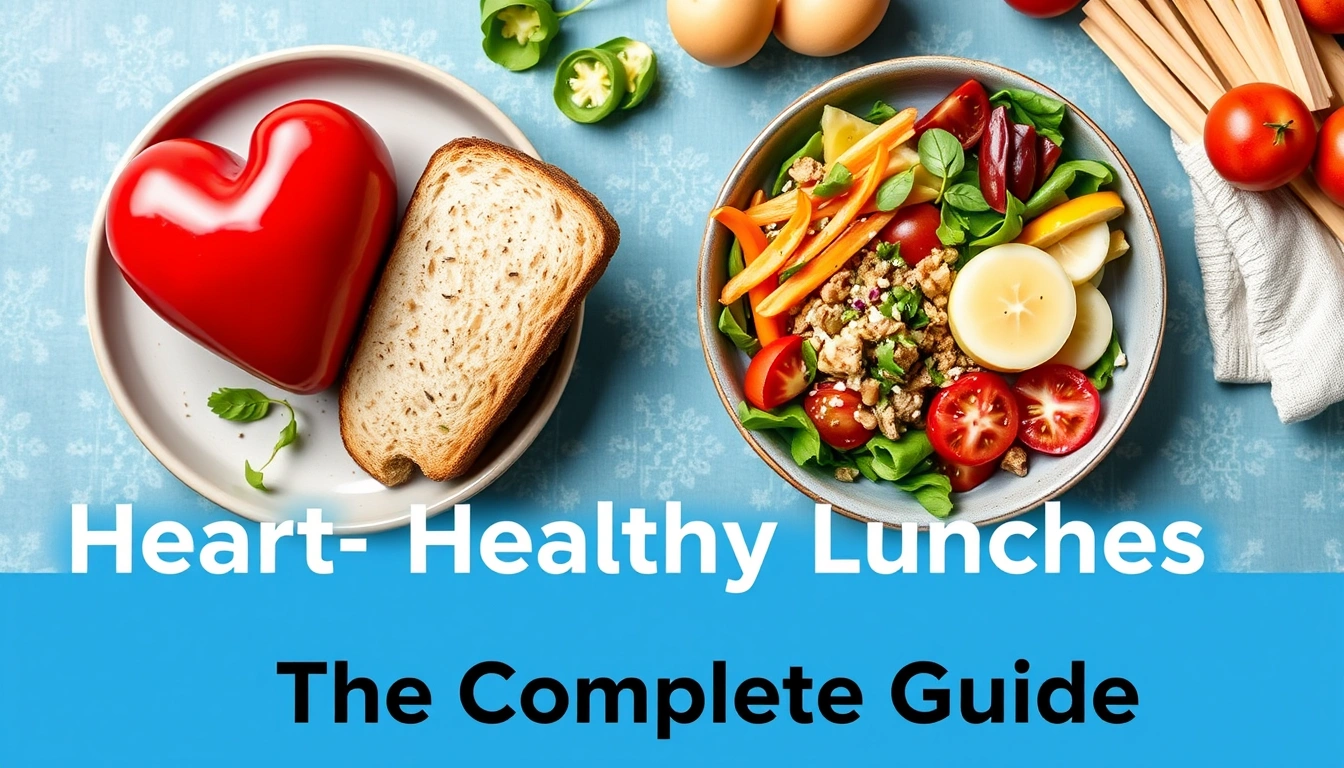
Formulas help on tired days. I keep coming back to one: protein + fiber + color + flavor. With those four pieces in place, lunch usually works. Miss one, and by midafternoon the whole thing can start to wobble.
Protein is the anchor. For heart-healthy lunches, I prefer beans, lentils, chickpeas, tofu, edamame, plain Greek yogurt, eggs in moderation, tuna, salmon, sardines, skinless chicken, or turkey. Processed meats are not my default; if you rely on them often, check sodium and saturated fat with a clinician or a dietitian. Ham, bacon, salami, and deli meats are convenient, sure, but they are also easy to overuse when the goal is a lower-sodium, lower-saturated-fat lunch.
Fiber comes next. Beans, whole grains, vegetables, fruit, nuts, and seeds all help. A lunch with fiber feels steadier. White bread, chips, soda, and a sweet snack can look filling and still leave you restless by 2 p.m. That math stops working fast.
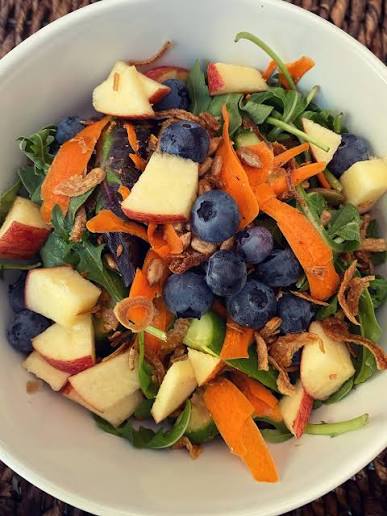
Color matters because it usually means volume and variety. I want at least two colors on the plate, and I prefer three. Think spinach, tomatoes, and orange peppers; or broccoli, carrots, and red cabbage; or cucumbers, beans, and berries on the side. The colors are not magic, but they are a handy shorthand for getting more plant foods into the meal.
Flavor is the part that keeps the whole thing from feeling like punishment. I use citrus, vinegar, herbs, garlic, onion, mustard, tahini, salsa, pesto in small amounts, and spice blends without a salt overload. When lunch tastes good, I stop raiding the vending machine later.
A few practical combinations carry most of the load for me:
– Lentil soup with a side of whole-grain toast and fruit
– Tuna or chickpea salad on whole-grain bread with sliced tomatoes
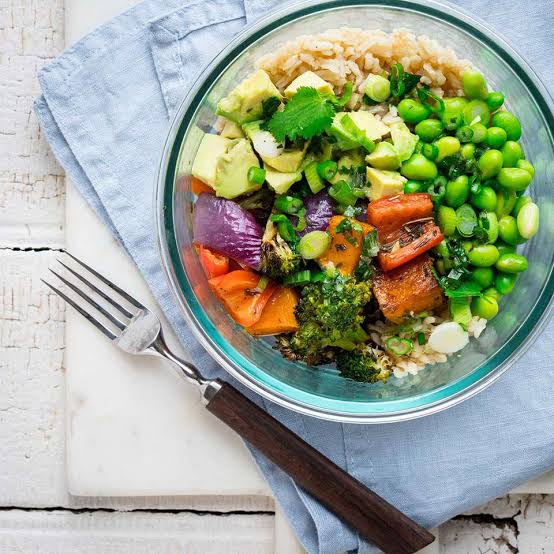
– Brown rice bowl with roasted vegetables, tofu, and a tahini drizzle
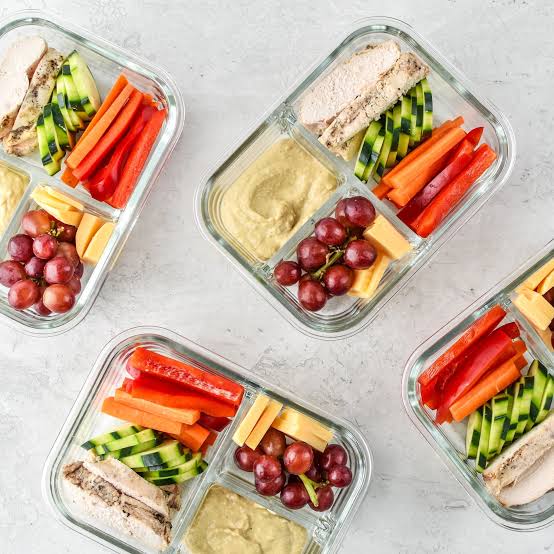
– Whole-wheat wrap with turkey, hummus, lettuce, cucumber, and peppers
– Leftover salmon with quinoa and broccoli
– Bean chili with a salad on the side
The trade-off is plain: this style of lunch often takes more planning than grabbing whatever is closest. Worth saying. Heart-healthy lunches get easier when you have a plan for leftovers, a stocked pantry, and one or two default meals you can assemble in under 10 minutes.
What I Started With, and Why the Usual Lunch Failed
The lunches people fall into are usually not evil. They are just convenient. My most common default lunch pattern looked like this: a sandwich on refined bread, a bag of chips, something sweet, and a drink that did more for habit than hydration. Fast. Available. Also built to leave me hungry again too soon.
The problem with that pattern is not one ingredient. It is the combination. Refined bread often gives you less fiber than whole grains. Chips add salt and calories without much staying power. Sweet drinks add sugar without fullness. Cold cuts and cheese can pile up sodium and saturated fat quickly. Put those together and you get a lunch that satisfies the clock more than the body.
I also ran into the “healthy lunch” trap that catches a lot of people: salads that are technically nutritious but practically useless. If a salad has only lettuce, a few tomatoes, and a light dressing, it may be too small to hold you. If it has grilled chicken, avocado, nuts, and a big pour of creamy dressing, it may no longer be especially light. The fix is not to stop eating salads. The fix is to make them complete.
My better lunch template became much simpler:
– 1 protein source
– 1 high-fiber carb source
– 2 or more vegetables
– 1 source of healthy fat
– 1 fruit or yogurt if the meal needs more staying power
A few examples made that shift real:
– Chickpea salad sandwich on whole-grain bread, with carrots and an apple
– Leftover quinoa bowl with black beans, roasted zucchini, peppers, and salsa
– Turkey lettuce wrap plus a bean-and-corn salad
– Salmon salad with barley, cucumber, tomato, and olive oil dressing
The biggest change was not culinary. It was logistical. Once I accepted that lunch should be assembled from components, not invented from scratch every day, it became easier to keep it heart-healthy without feeling deprived.
What Went Wrong: The Failure That Cost Me the Most
Trying to make every lunch “clean” instead of useful was the biggest mistake. I spent too many weeks aiming for low-calorie lunches that looked virtuous and then collapsed by midafternoon. I kept choosing meals that were too small, too light on protein, or too short on fiber. That did not support my day. It just created a second lunch later.
Week 1 exposed the problem fast. I would eat a big salad with a little chicken and almost no starch, then feel hungry again in about 2 to 3 hours. By the end of the week, I was adding random snacks: crackers, granola bars, pretzels, and whatever was within reach. The cost was not just calories. It was inconsistency. A lunch that fails early usually gets replaced by worse food later.
Month 1 brought the next mistake: I underestimated sodium. I leaned on canned soup, deli turkey, jarred sauces, and packaged “healthy” snacks. That saved time, but it pushed the meal in the wrong direction. A lunch can be heart-healthy in theory and still be too salty in practice if the ingredients are mostly packaged. I did not need zero convenience. I needed better convenience.
The worst cost was psychological for me, because a lunch that does not hold can start to make you doubt yourself. That is usually the wrong conclusion. Often the meal is underbuilt. I had to stop blaming myself for being “bad at healthy eating” and start asking a more useful question: does this lunch contain enough protein, fiber, and volume to make it last?
By Month 2, I changed the structure. I added beans, whole grains, and more vegetables. I swapped deli meat for tuna, chickpeas, tofu, or leftovers. I made a rule that lunch must include at least one item with real chewing time. Sounds trivial, but it helped. A smoothie is not a lunch for many people. A smoothie plus toast and nut butter may be.
Here is the before/after snapshot that made the difference obvious:
| Metric | Before | After | Change | Timeline |
|---|---|---|---|---|
| Hunger return after lunch | About 2–3 hours | About 4–5 hours | Lasted roughly 2 hours longer | Weeks 1–8 |
| Midafternoon snack frequency | 4–5 days a week | 1–2 days a week | Fewer “emergency” snacks | By Month 2 |
| Packaged lunch components | 3–4 items | 1–2 items | Less reliance on processed foods | By Day 60 |
| Lunch prep time | 5–10 minutes, but chaotic | 10–15 minutes, planned | More time upfront, less stress later | Month 2 |
| Soda or sweet drink with lunch | Frequent | Rare | Better drink habit | By Day 90 |
That failure taught me the most important lesson in the whole guide: a heart-healthy lunch has to work as a meal, not just as a nutrition label.
The Lunches That Worked Best on Busy Weeks
The lunches that held up were the ones I could repeat without boredom. I needed meals that could survive a workday, travel in a container, and still taste good after a few hours in the fridge. The winners all shared the same structure: sturdy ingredients, not a long list of fragile ones.
My most reliable option was a grain bowl. I used brown rice, quinoa, or barley as the base, then added beans or tofu, roasted vegetables, and a simple dressing. A spoonful of tahini mixed with lemon juice and water worked well. So did olive oil, vinegar, mustard, and herbs. Grain bowls are not glamorous, but they are easy to portion and easy to tune up depending on hunger.
Soup was the next winner, especially bean-based soups and vegetable soups with added lentils or chicken. The main advantage is volume. Soup can deliver a lot of food for the space it takes up, which makes it useful for people who want a filling lunch without a heavy feeling. The downside is sodium. If I use soup, I read labels carefully or keep the recipe simple enough to control the salt. A “healthy” soup with a lot of salt is still a problem if blood pressure is part of the picture.
Wraps worked when I packed them carefully. I liked whole-wheat tortillas with hummus, greens, cucumbers, shredded carrots, and tuna or turkey. The wrap needed a crisp vegetable and a strong spread, or it could turn bland quickly. I stopped overfilling wraps with wet ingredients, because that led to sogginess and made the whole thing less appealing.
A simple lunch rotation looked like this:
– Monday: lentil soup, whole-grain bread, orange
– Tuesday: chickpea grain bowl with roasted broccoli and tahini
– Wednesday: tuna wrap, cucumber, grapes
– Thursday: leftover chicken, sweet potato, green beans
– Friday: black bean salad, brown rice, salsa, plain yogurt
The real benefit of rotation is not variety for its own sake. It is that repetition makes good lunches cheaper, faster, and easier to remember. I did not need 30 recipes. I needed 5 that worked.
How I Built Heart-Healthy Lunches in 10 to 15 Minutes
The practical part is where most people get stuck. A heart-healthy lunch is easy to admire and annoying to assemble if you start from zero every day. I found it worked better to keep a few pieces ready to go.
My basic setup was:
– 1 whole grain: brown rice, quinoa, barley, whole-wheat bread, or whole-wheat tortillas
– 1 protein: beans, lentils, tuna, salmon, tofu, chicken, or Greek yogurt
– 2 vegetables: raw or roasted
– 1 flavor base: hummus, mustard, salsa, tahini, pesto, olive oil, vinegar
– 1 fruit or a plain yogurt cup if I needed more staying power
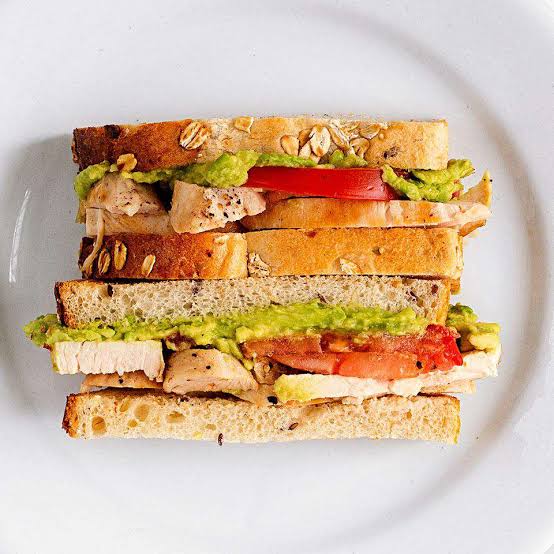
That structure gave me speed without turning lunch into junk food. A good example: leftover quinoa, a can of rinsed chickpeas, chopped cucumber, cherry tomatoes, spinach, and a lemon-tahini dressing. That meal can come together quickly if the grain is already cooked. Another: whole-grain toast topped with mashed avocado, sliced tomato, and a can of sardines or tuna, with fruit on the side. Another: black bean and corn salad with chopped peppers, cilantro, and a side of whole-grain crackers.
The mistake I had to stop making was trying to assemble lunch from too many fresh ingredients at once. If I needed to chop six things every day, I would eventually quit. Better to prep 2 or 3 components at once. Roast a tray of vegetables. Cook one grain. Wash greens. Make one dressing. That alone changed the week.
Convenience foods are not the enemy if you choose them carefully. Canned beans, frozen vegetables, plain yogurt, canned fish, bagged greens, and pre-cooked grains can all fit. The trade-off is cost and sodium, especially with canned and packaged items, so I try to rinse beans and check labels. That keeps the convenience without letting the salt creep too high.
If lunch is always a scramble, it will lose for most people. If lunch is mostly assembly, it becomes sustainable.
The Mistakes I Still Watch For
Even now, I still see the same traps showing up again and again. First, too much sodium is hiding in plain sight. Bread, soup, cheese, deli meat, sauces, pickles, olives, and packaged snack foods can add up fast. A lunch that looks balanced can still be salt-heavy if it leans on these foods every day.
The second trap is underestimating calories from “healthy” fats and toppings. Nuts, seeds, avocado, cheese, pesto, and olive oil are useful, but they are easy to overpour or overserve. I do not avoid them. I just treat them like part of the meal, not decoration, and if you have specific medical nutrition needs it is wise to consult a professional.
The third trap is skimping on vegetables because protein and grain are easier to think about. A lunch with chicken and rice is fine. A lunch with chicken, rice, and roasted vegetables is better. The vegetables add volume, texture, and micronutrients without much burden.
The fourth trap is forgetting the person who has to eat the lunch. If you hate cold leftovers, do not force yourself into cold leftovers every day. If you need a hot meal, plan for reheating. If you have a tight budget, build around beans, eggs, oats, canned fish, frozen vegetables, and seasonal produce. The best lunch is often the one you will repeat, because it is the one you can stick with.
Here is the final before/after view of the lunch pattern I ended up preferring:
| Metric | Before | After | Change | Timeline |
|---|---|---|---|---|
| Lunch satisfaction | Unsteady | Consistent | Fewer “I need a snack” moments | By Day 90 |
| Vegetable servings at lunch | 0–1 | 2 or more | More plant food | Month 2 onward |
| Main protein source | Often processed meat | Beans, fish, tofu, chicken | Less processed meat | By Month 2 |
| Prep burden | Daily decision fatigue | 5 default lunches | Less friction | By Day 90 |
| Ability to stick with it | Patchy | Much better | More repeatable routine | Over 3 months |
Who This Is Not For, and When to Ask for Help
This guide is for the person who wants better everyday lunches, not a medical meal plan. If you have heart failure, kidney disease, diabetes, high triglycerides, swallowing problems, or you are on a sodium-restricted or fluid-restricted plan, your lunch needs may be more specific than a general article can cover. In those cases, I would talk with a clinician or a dietitian before making major changes.
This is also not the right approach if you expect lunch to fix a bigger pattern by itself. A heart-healthy lunch helps most when breakfast, dinner, snacks, sleep, movement, and stress are not fighting it. I do not say that to widen the topic endlessly. I say it because lunch has limits. It can support better habits, but it cannot do all the work.
The trade-off in heart-healthy eating is plain: the meals that help long-term health sometimes ask for more planning, more label reading, and a little more kitchen time. In return, they usually give steadier energy, better satiety, and less food regret later in the day. That is the deal I would choose.
If you only take one thing from this guide, take this: build lunch around foods that keep you full without loading up on salt, saturated fat, and added sugar. Start with one default meal. Make it good enough to repeat. Then make it easier.
That is what turns lunch from an obligation into a habit.