Last updated: August 10, 2026
- – Aim for a meal that keeps you full for 3 to 4 hours.
- – A practical bowl can be assembled in about 10 minutes after prep.
- Start With the Goal: A Bowl That Works Like a Meal Will this keep you full for 3 to 4 hours?
- A third problem showed up with sodium.
Quick Answer: a heart-healthy salad bowl is usually built with 4 parts — greens or grains, protein, fiber-rich vegetables, and a measured healthy fat — and it should keep you full for about 3 to 4 hours. This article on how build heart-healthy salad bowl shows how to do that without making the bowl bland or overpriced.
Key Facts
– Build the bowl around 4 parts: base, protein, vegetables, and fat.
– Aim for a meal that keeps you full for 3 to 4 hours.
– Use mostly unsaturated fat, and keep sodium, saturated fat, and added sugar in check.
– A practical bowl can be assembled in about 10 minutes after prep.
– If you have heart disease, kidney disease, diabetes, or medication-related potassium or vitamin K concerns, consult a clinician or dietitian.
A heart-healthy salad bowl is not a pile of lettuce with a polite drizzle of dressing. It is a meal built around fiber, unsaturated fat, lean protein, and enough volume to satisfy you without pushing sodium, saturated fat, or added sugar through the roof. Plain and simple. The practical version is what I’m going to show you: how to assemble one bowl that supports heart health and still tastes like dinner, not a diet assignment.
Start With the Goal: A Bowl That Works Like a Meal
Will this keep you full for 3 to 4 hours? That is the first question. A lot of people skip it. When the bowl is all leaves and cucumbers, it may look virtuous, but it usually fails as a meal.
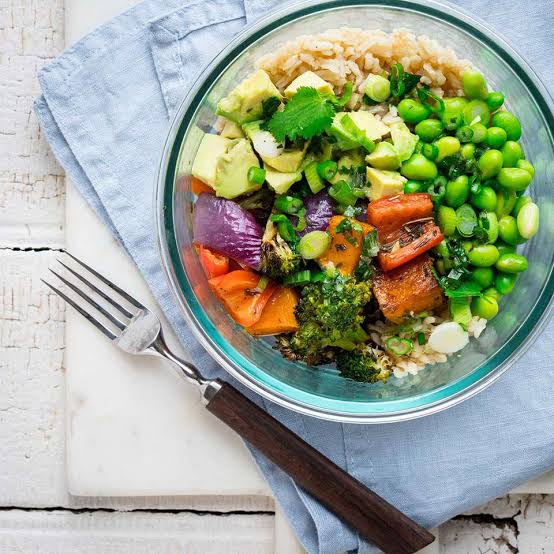
My rule is to build from four parts: greens or grains for the base, a protein source, a high-fiber plant add-in, and a fat that helps absorption and satiety. That structure matters more than any single “superfood.” Spinach, beans, salmon, avocado, tomatoes, and a vinaigrette make a strong heart-conscious meal because they bring fiber, protein, and mostly unsaturated fat together.
Here’s the part I see people miss: heart-healthy is not the same as low-calorie. Strip the bowl too far, and you may end up overeating later. Honestly, I’d rather see enough beans, a measured handful of nuts or seeds, and a real dressing than a dry salad that turns into snack debt by 4 p.m. The American Heart Association also emphasizes choosing unsaturated fats and limiting saturated fat in heart-healthy eating patterns. AHA
For many people, this kind of meal fits best when lunch or dinner needs to be quick, steady, and repeatable. Not great for everyone, though. Should you hate cold food, need a very low-fiber diet, or be managing a condition that calls for a different texture or nutrient pattern, it is probably the wrong fit. For anyone with heart disease, kidney disease, diabetes, or medication that affects potassium or vitamin K, check the bowl’s ingredients with a clinician or dietitian.
The Formula I Use for One Bowl
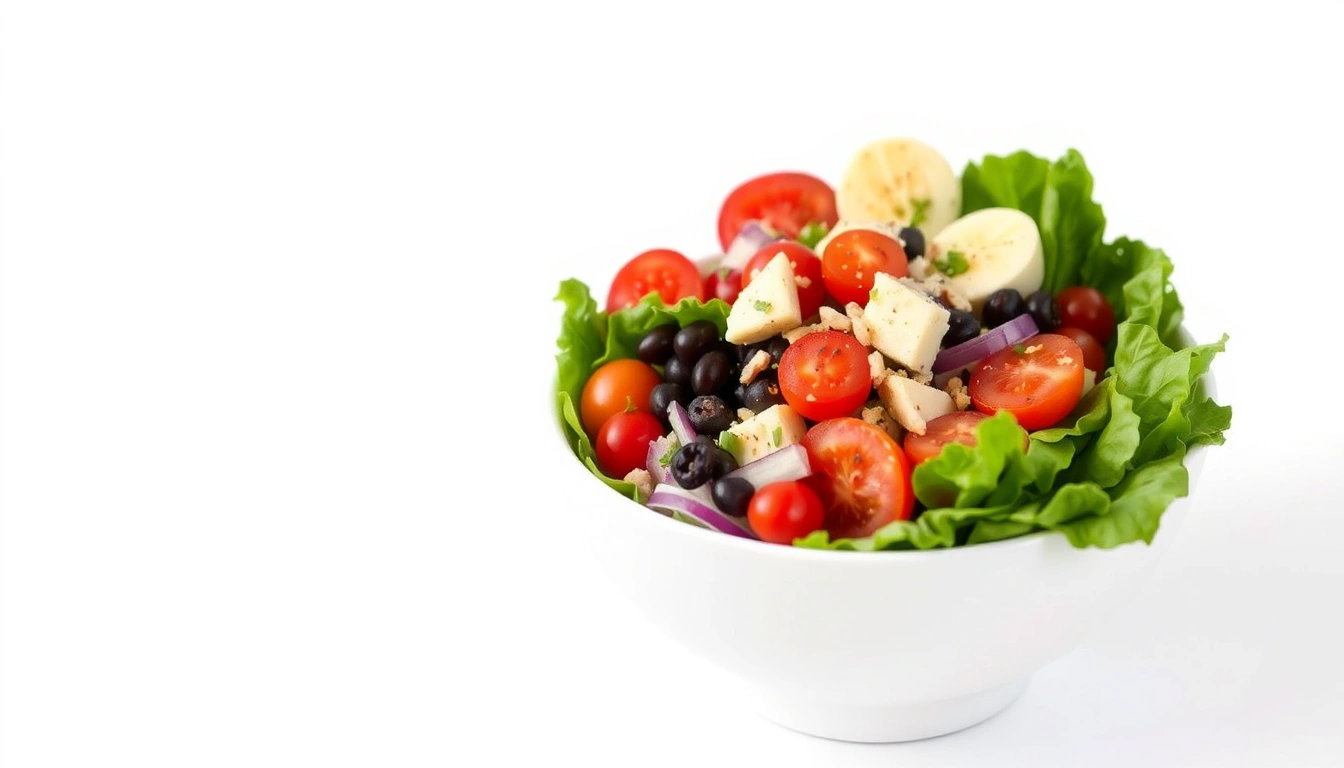
Think in parts, not recipes. That keeps the whole thing sane.
- 2 big handfuls of leafy greens or 1 cup cooked whole grain
- 1 palm of protein
- 1 to 2 cups of non-starchy vegetables
- 1 small serving of healthy fat
- 1 acid-based dressing
A few examples fit this pattern well. Spinach plus farro, chickpeas, roasted peppers, and tahini-lemon dressing. Romaine plus canned salmon, white beans, tomatoes, olives, and olive oil vinaigrette. Arugula plus quinoa, edamame, cucumbers, walnuts, and balsamic dressing. The CDC also recommends making half your plate fruits and vegetables, which lines up well with this kind of bowl. CDC
The balance matters. Too much grain can turn a salad bowl into a pasta bowl without the comfort. Too much cheese or bacon can blow up sodium and saturated fat fast. Too much dressing, especially creamy bottled dressing, can hide a lot of sodium and added sugar. I’d treat dressing as a flavor layer, not the main event.
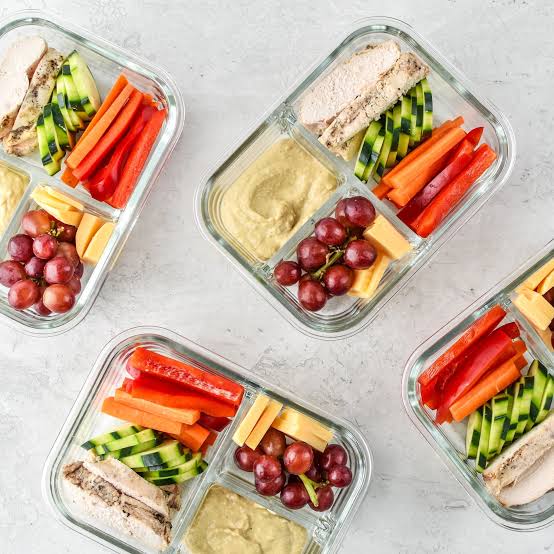
Prep by category. I keep one container of a grain, one of protein, one of chopped vegetables, and one dressing in the fridge. Then I can assemble a bowl in minutes instead of reaching for takeout. Good enough beats perfect here.
Because this template is so flexible, it is also the easiest place to keep your costs down. A bowl does not need premium ingredients to work; it needs the right mix. Same structure, different budget. This is why it can cover a simple weekday lunch or a more filling dinner without much fuss.
Here is a simple build that works well for most people:
| Metric | Before | After | Change | Timeline |
|---|---|---|---|---|
| Meal satisfaction | Hungry again in about 1 hour | Full for 3 to 4 hours | Better satiety from protein, fiber, and fat | Week 1 |
| Sodium load | Often hard to track | Easier to control with homemade dressing and plain proteins | Less hidden sodium | Month 1 |
| Vegetable intake | 1 to 2 small servings | 3 to 4 components in one bowl | More variety and volume | By Day 30 |
| Lunch consistency | Random takeout | 4 to 5 homemade bowls per week | More repeatable routine | By Day 90 |
My Best Building Blocks for Heart Health
I would start with the ingredients that do the heavy lifting, not with the fancy stuff.
Greens: spinach, romaine, arugula, kale, mixed spring greens
These add volume, micronutrients, and very few calories. Kale can be tough if you don’t massage it with dressing or lemon juice, so I usually pair it with softer greens.
Protein: beans, lentils, chickpeas, edamame, tofu, salmon, tuna, skinless chicken
Plant proteins bring fiber along with protein, which is one reason I use them often. Fish can be a strong choice because it gives protein without the saturated fat that comes with many processed meats. Canned fish is convenient, but I watch sodium and choose lower-sodium options when I can.
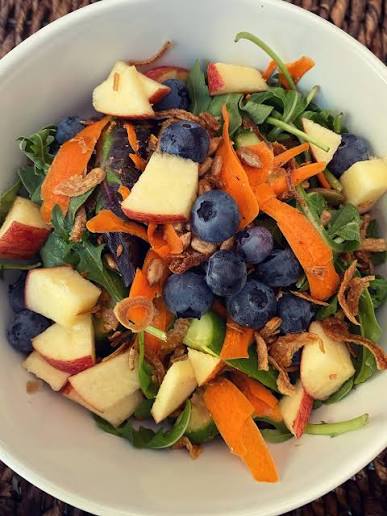
Fiber-rich extras: tomatoes, peppers, carrots, broccoli, cucumbers, shredded cabbage, beets, berries, apple slices
These add crunch, color, and staying power. Fiber is one of the main reasons a salad bowl actually feels like a meal. No mystery there.
Healthy fats: avocado, olive oil, walnuts, almonds, pumpkin seeds, chia seeds
These improve flavor and help you absorb fat-soluble nutrients from the vegetables. I keep portions modest because even healthy fats are calorie-dense.
Flavor builders: lemon juice, vinegar, mustard, herbs, garlic, pepper, cumin, dill
This is where a bowl stops tasting like penance. Strong flavor lets me use less salt without making the food boring.
One trade-off is cost. Fresh fish, berries, and nuts can get expensive, especially if you are building bowls several times a week. I work around that with canned beans, frozen edamame, seasonal produce, and store-brand olive oil. The bowl does not need luxury ingredients to do its job.
Once the kitchen is stocked this way, the bowl becomes easier to repeat. That matters because the best heart-healthy meal is the one you can actually make on a Tuesday night.
What Went Wrong When I Got the Balance Wrong
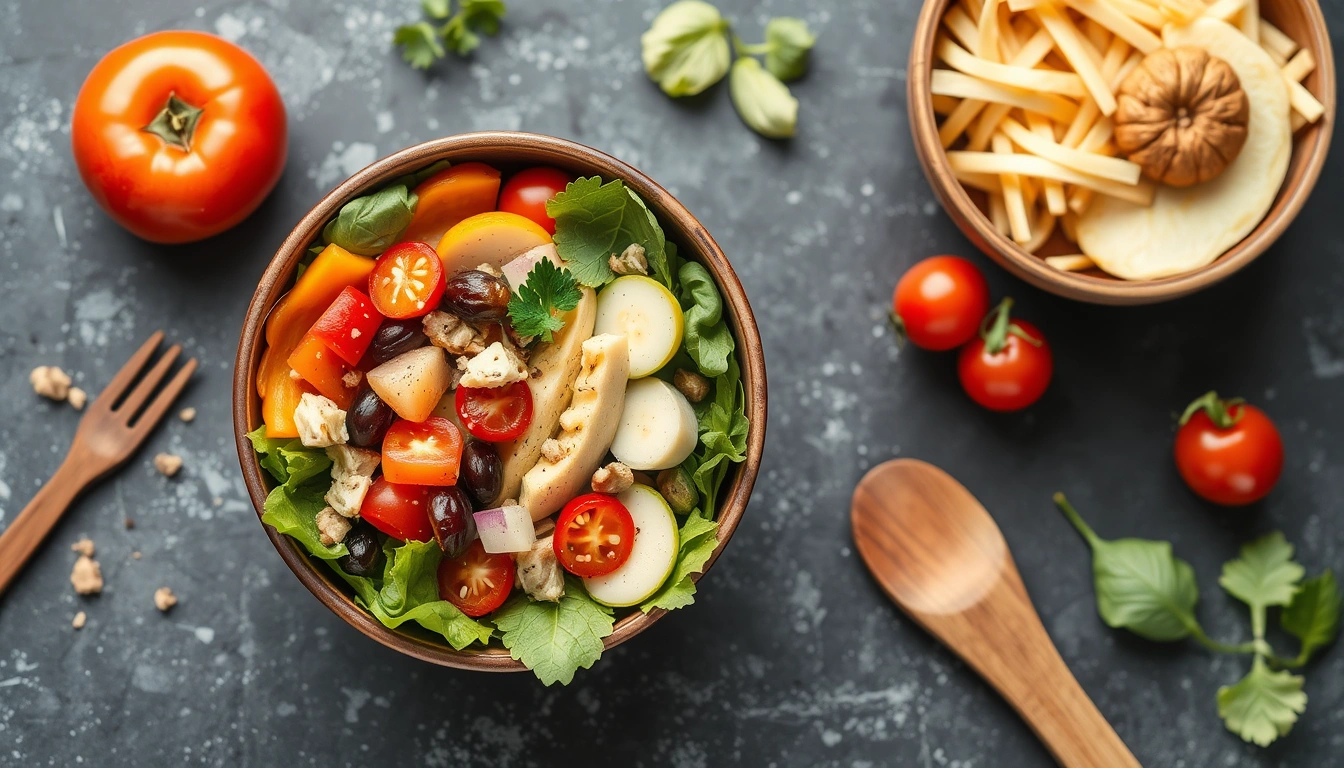
Early on, I treated the bowl like a side salad that could be stretched into a meal by sheer optimism. I loaded it with greens, chopped cucumbers, and a little tomato, then used a light bottled dressing because I thought that was the “heart-healthy” move. Wrong move. It was not enough food, not enough protein, and not enough fat. I was hungry again fast and ended up eating more later.
The second mistake was overcompensating with “healthy” add-ons. I once piled on walnuts, avocado, feta, and a thick tahini dressing all at once. The bowl tasted great, but it no longer had the balance I wanted. It became a calorie-heavy lunch that left me sluggish instead of steady. Healthy ingredients still have jobs to do, and too many of them can work against each other.
A third problem showed up with sodium. I used flavored canned beans and a store-bought dressing in the same bowl, then added olives and cheese. The meal tasted sharp and satisfying, but it was doing too much in one direction. That is the trap with salads: sodium hides in layers, and the bowl can look clean while still being heavily seasoned.
If you are trying this at home, the safest fix is to adjust one lever at a time. Change the protein, measure the dressing, or cut back on salty add-ins before you overhaul everything. And if a medical condition changes your diet targets, consult a clinician or dietitian rather than guessing.
Here is the honest cost of those mistakes:
| Metric | Before | After | Change | Timeline |
|---|---|---|---|---|
| Hunger after lunch | Around 45 to 60 minutes | Around 3 hours | Better after adding protein and fiber | Week 2 |
| Bowl balance | Greens-heavy, too light | Balanced across protein, fiber, and fat | Less snacking later | Month 1 |
| Flavor | Too bland or too rich | More even, more satisfying | Better portion control | Month 2 |
| Sodium awareness | Low | Higher | More label checking at home | By Day 45 |
The fix was not complicated. I kept the greens, cut back the dressing to a measured amount, added a real protein source, and limited the salty extras to one small accent. That changed the bowl from “healthy-looking” to actually useful.
Dressings Matter More Than People Think
If I had to pick one part of the salad bowl that gets most people into trouble, it would be dressing. A heart-healthy bowl can be undone by a dressing that is high in sodium, added sugar, or saturated fat. Creamy dressings and many bottled vinaigrettes taste easy, but they often make the bowl less heart-friendly than it appears.
My preferred formula is simple: olive oil + acid + mustard + herbs. Lemon juice or vinegar gives brightness. Olive oil brings unsaturated fat. Mustard helps emulsify the dressing so it clings to the greens. Garlic, pepper, dill, oregano, or basil add depth. If I want a creamy texture, I might use a small amount of tahini or blended white beans instead of relying on heavy dairy.
I also watch portion size. A modest amount of dressing can improve taste and nutrient absorption. A flooded bowl can add far more fat and sodium than the rest of the meal combined. That does not mean dressing is the enemy. It means it should be measured, not poured with hope.
For convenience, I keep a jar in the fridge with a basic vinaigrette and shake it before use. If I am using store-bought dressing, I look for one with a short ingredient list and I check the sodium and sugar on the label. I do not pretend every bottle will be ideal. Some are fine for occasional use, and some are quietly dessert-like.
How I Would Build Three Real Bowls
Here are three versions I would make, depending on the kind of meal I need.
1. The weekday lunch bowl
Spinach, quinoa, chickpeas, cucumber, tomato, shredded carrots, pumpkin seeds, lemon-olive oil dressing.
This is the bowl I would choose when I need energy without a heavy finish. It is plant-forward, easy to prep, and easy to repeat.
2. The higher-protein bowl
Romaine, salmon, white beans, red onion, peppers, avocado, parsley, mustard vinaigrette.
This works well when I want more staying power and a stronger protein anchor. The beans and fish together make the bowl feel complete.
3. The budget bowl
Mixed greens, brown rice, lentils, cabbage, frozen corn, sunflower seeds, simple vinaigrette.
This version is less flashy but very practical. Lentils and rice are affordable, filling, and easy to batch-cook. Cabbage adds crunch for very little cost.
The important thing is not to copy a perfect-looking bowl from a photo and assume it is heart-healthy. Ask one question: does it contain enough fiber, enough protein, reasonable fat, and controlled sodium? If yes, it is doing the job.
The Result: A Bowl You Can Actually Keep Making
By the time I settled on this structure, the bowl became less of a recipe and more of a habit. That is the real win. A heart-healthy salad bowl only matters if you can make it on a busy Tuesday and still want it on Friday.
Here is the final comparison in plain terms:
| Metric | Before | After | Change | Timeline |
|---|---|---|---|---|
| Meal quality | Random ingredients | Balanced formula | More consistent nutrition | By Day 7 |
| Satisfaction | Often too light or too rich | Steady and filling | Better portion control | Month 1 |
| Prep time | Around 20+ minutes of guesswork | Around 10 minutes assembly after prep | Faster weeknight meals | Month 2 |
| Repeatability | Inconsistent | Easy to repeat 4 to 5 times weekly | Higher adherence | By Day 90 |
If you want the shortest version of my advice, it is this: build the bowl around protein and fiber first, then add color, crunch, and flavor. Use fat with intention. Keep sodium in check. Do not let a salad bowl become a garnish with a dressing problem. For another practical template, see this healthy meal prep guide, this guide to high-fiber foods, and this article on heart-healthy fats.
For anyone managing a heart condition or a related medical issue, check the ingredients that matter most for you with a qualified clinician or dietitian. Everyone else can keep it simpler: make the bowl good enough that you would happily eat it again tomorrow. This is what makes how build heart-healthy salad bowl work in real life.