Last updated: August 10, 2026
- By Day 90, I had a small set of desserts I could make from memory, which made it much easier to avoid the “special occasion” trap.
- By Day 90, the pattern was clear: the best heart-healthier desserts were usually the ones that balanced fruit, fat, acid, and aroma well.
- In practice, that can make a 150- to 200-calorie dessert feel more complete than a sugary snack of the same size.
- Quick Answer: A heart-healthier dessert can still taste like dessert.
Quick Answer: A heart-healthier dessert can still taste like dessert. Aim for one fruit base, one creamy element, one crunchy element, and only 1 to 2 teaspoons of added sweetener per serving; the American Heart Association advises keeping added sugar to no more than 25 g a day for most women and 36 g for most men. For dessert without the sugar crash, I’d begin with fruit, yogurt, nuts, cocoa, and warm spices, then keep the added sugar small and deliberate. Sweet, textured, rich enough — yes. But if you have a medical condition or specific dietary needs, best to consult a registered dietitian or clinician.
What I Mean by “Heart-Healthy” Dessert
By “heart-healthy,” I mean something practical: desserts that are lower in added sugar, built around fiber-rich ingredients, and not loaded with saturated fat every time you serve them. According to the American Heart Association, that means keeping added sugar modest rather than treating dessert as a free-for-all. No, dessert does not turn into health food. Instead, the dessert fits better into a day that already includes vegetables, whole grains, lean protein, and sensible portions.
For someone trying to eat this way, the real question is not “Can I have dessert?” Instead, the question is “How do I make dessert without turning one serving into a sugar-heavy event?” The answer I keep coming back to is structure. Fruit brings sweetness. Plain yogurt or ricotta brings creaminess. Nuts add crunch and make a small portion feel complete. Cinnamon, cardamom, vanilla, and citrus zest make reduced-sugar desserts taste bigger than they are. That last part matters more than people expect; bland food is a dead end.
I also think honesty helps here. Lower-sugar desserts usually are not as sweet as bakery versions. That is the trade-off. If you want a candy-bar level finish, you will have to accept more sugar. If you want something you can put on a weeknight table without wondering how you’ll feel later, cut the sugar and build flavor elsewhere.
Here is a simple before/after view of the approach I’d use for a typical dessert habit.
| Metric | Before | After | Change | Timeline |
|---|---|---|---|---|
| Added sugar per dessert | High, dessert-dependent | Kept modest and intentional | Lower sweetness load | Week 1 |
| Main ingredients | Refined flour, sugar, butter | Fruit, yogurt, oats, nuts, cocoa | Better fiber and protein balance | Week 1 to Month 2 |
| Portion control | “One more bite” risk | Single-serve cups or slices | Easier stopping point | By Day 90 |
| After-dessert feeling | Heavy or sleepy | Satisfied, lighter | Better fit for evening | Month 2 to Day 90 |
The First Swap That Made Everything Easier

The easiest change was not a fancy recipe. It was the base. I stopped defaulting to cake and cookies and started with fruit-forward formats: baked apples, parfaits, poached pears, and chia pudding. That shift matters because fruit already brings sweetness and moisture, so I did not need to pour in much sugar to make it taste like dessert.
A good example is baked pears with walnuts and cinnamon. Slice pears in half, remove the core, and place them cut side up in a baking dish. Add a spoonful of chopped walnuts, a dusting of cinnamon, a squeeze of lemon, and just enough maple syrup to lightly glaze the fruit. Bake until the pears soften. The sweetness comes from the pear itself, not from a cup of syrup.
Vanilla yogurt parfaits fit here too. Use plain Greek yogurt, berries, a tablespoon of chopped nuts, and a few oats or low-sugar granola crumbs. Want more sweetness? Stir a little mashed banana or a drizzle of honey into the yogurt instead of adding a full layer of sweetener. Because the portion is already built in, a cup-sized parfait can be easier to manage than a slice of cake.
The reason these desserts work is simple: they give you enough texture and flavor that you do not miss the usual sugar load as much as you expect. They are also easy to portion. That matters. A dessert that is naturally divided into cups, halves, or small bowls is easier to live with than a pan of bars.
I would still keep expectations realistic. Fruit desserts do not scratch the same itch as a frosted brownie. They solve a different problem: the need for something sweet that does not derail the rest of the meal.
Three Recipes I’d Actually Put on Repeat
If I had to keep only three heart-healthier desserts in rotation, I would choose these because they are flexible, forgiving, and not fussy. They also rely on ingredients you can keep on hand for a weeknight, which makes them easier to repeat.
1. Berry Yogurt Parfaits
Use plain Greek yogurt, berries, chopped nuts, and a small spoonful of oats or low-sugar granola. For sweetness, add vanilla and a little cinnamon before you reach for sugar. Layer in small glasses so the portion is obvious.
2. Cocoa Chia Pudding
Whisk chia seeds with unsweetened milk, cocoa powder, vanilla, and a modest sweetener. Let it thicken in the fridge. Top with raspberries or sliced strawberries. The cocoa makes it feel more dessert-like than breakfast-like, and the chia gives it body without needing flour.
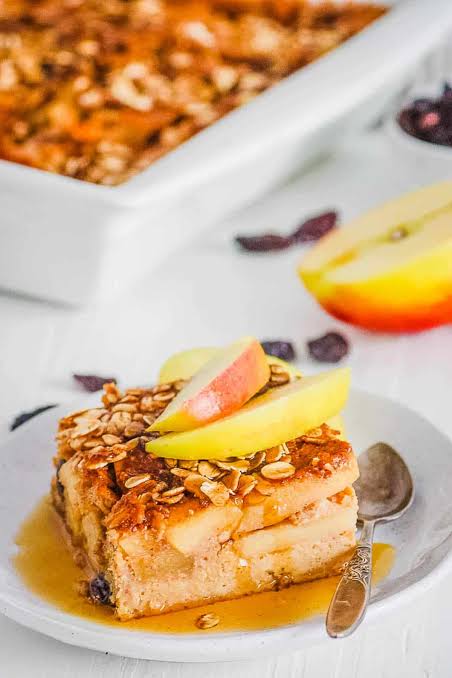
3. Baked Apples or Pears
Core the fruit, fill the center with chopped nuts, cinnamon, and a few raisins if needed, then bake until tender. A spoon of yogurt on top turns it into a proper plated dessert.
These recipes share a useful pattern: each one gets sweetness from more than one source. Fruit, vanilla, and spice carry most of the flavor. Sugar becomes a background note instead of the headline.
I think that is the real skill in low-sugar dessert cooking. It is not subtraction alone. It is replacement. Cut sugar and do nothing else, and the dessert tastes flat. Cut sugar and add fruit acidity, toasted nuts, salt, vanilla, or cocoa, and the flavor arc stays intact. Simple as that.
What Went Wrong the First Time I Tried This Approach

The first failure was easy to predict in hindsight: I cut the sugar too hard and expected the texture to do the rest. It did not. A batch of oat bars came out dry, crumbly, and strangely bland because I removed too much sweetener without replacing the moisture or fat balance. The bars were technically lower in sugar, but nobody wanted a second piece.
That mistake cost me time and ingredients, but the bigger cost was trust. A dessert that looks virtuous and tastes like cardboard teaches people to stop trying. That is the trap with many generic “healthy dessert” recipes. They chase a nutrition target and forget that dessert has to earn its place at the table.
The fix was to stop treating sugar like the only thing that makes dessert work. I started checking three questions before making a recipe:
1. Where is the sweetness coming from?
2. Where is the moisture coming from?
3. What gives the finished dessert a satisfying texture?
Once I answered those, the results improved quickly.
A second problem came from portion size. I made one pan of date-sweetened bars and cut them too large. They were good, but too dense for a normal after-dinner treat. By Month 2, I was cutting them into smaller squares and freezing half the batch. That single move made the recipe more usable, and if someone has a medical condition or a specific calorie target, it is worth checking portion size with a dietitian.
Here is the honest failure summary.
| Metric | Before | After | Change | Timeline |
|---|---|---|---|---|
| Recipe success rate | Low, several rejects | Higher, repeatable formats | Better outcomes | Week 1 to Month 2 |
| Texture | Dry or dense | Creamier, moister | Noticeable improvement | Month 2 |
| Portion control | Too large | Smaller, single-serve | Easier to keep modest | By Day 90 |
| Willingness to make again | Low | High for 3 core recipes | Clear turnaround | Month 2 |
The Ingredient Choices That Matter Most
When I build a reduced-sugar dessert, I start with ingredients that do some of the work for me. That keeps the recipe from feeling stripped down.
Fruit
Fresh berries, apples, pears, bananas, and stone fruit bring natural sweetness. Frozen fruit also works well, especially in parfaits, chia pudding, and compotes.
Plain yogurt or ricotta
These add creaminess and protein without making the dessert heavy. I prefer plain versions because flavored yogurts often bring more added sugar than expected.
Nuts and seeds
Walnuts, almonds, pistachios, chia seeds, and flaxseed give texture and make a small serving more satisfying. Toasting them briefly improves flavor a lot.
Cocoa, coffee, vanilla, citrus, and spices
These are the flavor multipliers. Cocoa and espresso make reduced-sugar chocolate desserts taste deeper. Vanilla and citrus zest brighten fruit desserts. Cinnamon and cardamom make simple ingredients feel finished.
Small amounts of sweetener
Honey, maple syrup, dates, and coconut sugar all have a place, but I use them with a light hand. I prefer to think in teaspoons, not cups. That keeps the dessert sweet enough without drifting back into candy territory.
A lot of generic recipes get this backward. They focus on a sugar substitute first and the rest of the ingredient list second. I would do the opposite. Start with fruit and texture, then sweeten only as much as the finished dessert truly needs.
By Day 90: What Worked Best in Real Life
The most useful shift was not a dramatic makeover. It was repetition. By Day 90, I had a small set of desserts I could make from memory, which made it much easier to avoid the “special occasion” trap. I no longer needed a long ingredient list or a complicated method to make something that felt complete after dinner.
The desserts that kept working were the ones that fit the rhythm of the week:
– yogurt parfaits on busy nights
– baked fruit when I wanted something warm
– chia pudding when I wanted a make-ahead option
– small dark-chocolate-and-nut treats for a portion-controlled finish
Serving mattered as much as ingredients. Putting dessert in a small bowl or ramekin changed the experience. Eating slowly helped, too, but I won’t pretend that is some magical fix. The food has to be satisfying first.
One thing I would not recommend is making every dessert “sugar-free” if that means using a lot of highly processed substitutes you do not enjoy. If you dislike the aftertaste, you will not keep the habit. A modest amount of real sweetener often works better than a product that checks a dietary box but disappoints on taste.
By Day 90, the pattern was clear: the best heart-healthier desserts were usually the ones that balanced fruit, fat, acid, and aroma well. They were not just the ones with the fewest ingredients.
Why These Desserts Work
These desserts work because they make the sweet spot easier to hit without relying on a lot of added sugar. Fruit supplies natural sweetness and water. Dairy or a plant-based creamy base adds body. Nuts and seeds slow the eating experience because they add chew and crunch. In practice, that can make a 150- to 200-calorie dessert feel more complete than a sugary snack of the same size.
That matters for real life. A dessert that feels satisfying is easier to repeat three or four times a week than one that leaves you hunting for something else 20 minutes later. It also helps keep portions stable. If you know a small bowl of yogurt, berries, and walnuts usually does the job, you are less likely to turn dessert into a second meal.
My Go-To Formula for a Dessert That Fits
If you want a simple framework, I would use this:
- Pick one fruit or fruit-like base.
- Add one creamy element.
- Add one crunchy element.
- Add one flavor booster.
- Add only enough sweetener to make the whole thing taste finished.
That formula works for a lot of desserts:
– strawberries + Greek yogurt + almonds + vanilla
– baked apple + walnuts + cinnamon + a little maple syrup
– cocoa chia pudding + raspberries + pistachios + pinch of salt
– peaches + ricotta + toasted oats + lemon zest
I like this approach because it leaves room for variation without turning dessert into a project. It also makes grocery shopping simpler. You do not need specialty ingredients for every recipe. You need a few reliable building blocks.
Here is the bottom line in plain language: if you want heart-healthier desserts, stop asking how to remove sugar and start asking how to build flavor without relying on it. Fruit, dairy or plant-based creaminess, nuts, spices, and small portions do most of the work. Keep the sweetener modest, accept that the dessert will taste a little less intense than a bakery version, and choose recipes you would actually make twice.
If you do that, dessert stays dessert. It just stops asking so much of your day.