Last updated: August 10, 2026
Quick Answer: Build a weeknight rotation from 20 heart-healthy dinner recipes the whole family can eat by leaning on fish, beans, lentils, vegetables, whole grains, and plain, sensible seasonings. Usually, that looks like 2 fish dinners, 3 to 4 bean or lentil dinners, and 0 to 1 takeout nights per week. Source: American Heart Association, Source: NHS
Key Facts / Key Takeaways
– 20 recipes gives enough variety to avoid meal fatigue.
– A heart-healthy dinner usually centers on vegetables, beans, lentils, fish, skinless poultry, whole grains, nuts, seeds, olive oil, and herbs.
– A practical family rotation can cut takeout from 2 nights a week to 0 to 1.
– A realistic target is 3 to 4 bean or lentil dinners per week.
– If you have a medical condition tied to sodium, cholesterol, blood pressure, or diabetes, check ingredients and consult a clinician or registered dietitian for a plan that fits your needs. Source: American Heart Association
– Shortcuts like canned beans, frozen vegetables, and jarred marinara can help weeknight dinners happen.
One dinner list can do a lot. Less sodium, more fiber, and still a decent chance your kids will eat it? That is the goal here. This list of 20 heart-healthy dinner recipes the whole family can eat keeps saturated fat and salt lower while pushing beans, fish, vegetables, whole grains, and flavor that does not depend on a heavy shake of the salt cellar.
What I Mean by “Heart-Healthy” at the Dinner Table
“Heart-healthy” is not a punishment word, at least not in my house. To me, it means dinners built around vegetables, beans, lentils, fish, skinless poultry, whole grains, nuts, seeds, olive oil, and herbs, in line with guidance from the American Heart Association. It also means keeping an eye on the usual trouble spots: big portions of processed meat, creamy sauces, fried coatings, and salty jarred ingredients that add up before you notice.
Family dinner can slide into two traps fast. One is the bland “healthy” plate nobody wants. The other is the rich comfort meal that feels fine in the moment and then sits heavy afterward. Neither helps much. The middle path is the one that actually works. I want enough flavor that adults want seconds, and enough familiarity that children do not treat dinner like a lab test; if you are managing a medical condition, consult a clinician or dietitian about what balance works best for your family. Source: NHLBI
These recipes are not a lab report with every nutrient counted out. Honestly, I did not weigh every sodium milligram myself. What I can do is point you toward meals that follow the usual heart-healthy pattern, and I can be straight about the trade-offs. Some take longer. Some need a shortcut from the store. That is fine. Real family dinners need a Tuesday-night rhythm, not a perfect scorecard.
If you have a medical condition tied to sodium, cholesterol, blood pressure, or diabetes, I would still check the ingredient list and talk with a clinician or dietitian about the best fit for your family.
The 20 Recipes I Keep Coming Back To
Here’s the short version first, since most people want dinner ideas, not a lecture. These 20 heart-healthy dinner recipes the whole family can eat cover fish, beans, poultry, pasta, bowls, and sheet-pan meals.
- Baked salmon with lemon, dill, and roasted broccoli
- Sheet-pan chicken fajitas with peppers and onions
- Turkey and white bean chili
- Lentil bolognese over whole-wheat pasta
- Black bean tacos with cabbage slaw and avocado
- Mediterranean chickpea bowls with cucumber, tomato, and feta
- Miso-glazed cod with rice and green beans
- Stuffed bell peppers with brown rice, turkey, and tomatoes
- Vegetable minestrone with cannellini beans
- Salmon cakes with yogurt-dill sauce
- Chicken and vegetable stir-fry with brown rice
- Whole-wheat spaghetti with sardines, garlic, and greens
- Sweet potato and black bean enchiladas
- Tofu and broccoli sesame bowls
- Oven-baked pesto chicken with tomatoes and zucchini
- White bean and spinach skillet with crusty whole-grain bread
- Shrimp and tomato orzo with parsley and olive oil
- Turkey meatballs in marinara over zucchini noodles or pasta
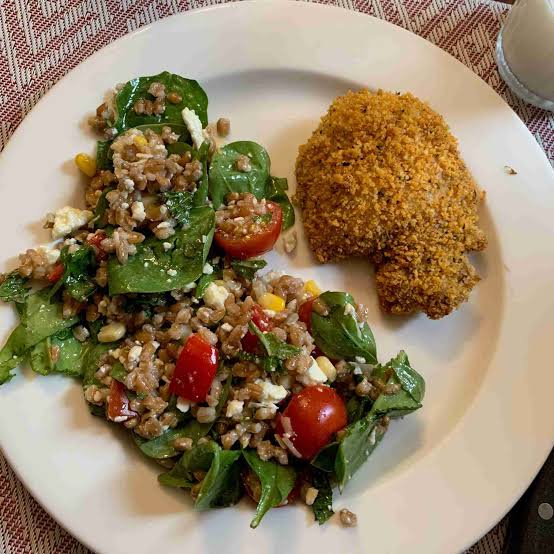
- Farro salad bowls with roasted vegetables and chickpeas
- Sheet-pan cod with potatoes, fennel, and olives
That lineup gives you a real rotation: fish twice, beans and lentils a few times, poultry on some nights, and meatless meals that still feel like dinner. I like it for a practical reason. Keep only three “healthy” dinners in your head and you burn out. Twenty is enough to dodge the Wednesday-night sigh, and that variety is one reason people stick with a plan.
Week 1: The Easiest Wins and the Least Resistance
When I set up a family dinner rotation, I begin with recipes that feel familiar. Week 1 is not the moment for a pantry overhaul or a dramatic nutrition speech. It is the moment for small swaps nobody notices much: whole-wheat pasta instead of white, brown rice instead of white rice, lean turkey instead of beef in a known dish, and a little more vegetables tucked into the main pan.
Tacos, pasta, chili, stir-fry, meatballs, and sheet-pan dinners usually get the least pushback because people already know the format. The health upgrade happens inside the recipe, not in the sales pitch at the table. That keeps the first week from feeling like a hostage negotiation.
My setup is plain. I keep canned beans with no-salt-added when possible, low-sodium broth, frozen broccoli, brown rice, whole-wheat pasta, olive oil, garlic, lemons, and one or two sauces that pull a lot of weight. A jar of marinara helps. Plain yogurt helps too, for a fast sauce. Not flashy. But it gets dinner on the table on a Tuesday.
And here is the beginner trap I try to avoid: making every meal “special.” That gets tiring quickly. Better to repeat a formula with different flavors. Easier shopping. Easier cooking.
Here’s a quick before/after snapshot of the shift I recommend:
| Metric | Before | After | Change | Timeline |
|---|---|---|---|---|
| Weeknight dinners cooked at home | 2 nights | 5 nights | +3 nights | Week 1 to Month 1 |
| Vegetable servings at dinner | 1 serving | 2 to 3 servings | +1 to 2 servings | First 2 weeks |
| Store-bought salty sides | 4 per week | 1 per week | -3 per week | By Day 14 |
| Family complaints about “healthy food” | Frequent | Occasional | Lower resistance | By Day 21 |
No magic here. Just familiarity doing its job. When the meal looks known, people are more likely to eat it. That matters more than ingredient purity.
Month 2: The Recipes That Hold Up on Busy Nights
By Month 2, the wins are less about novelty and more about keeping the wheels on. This is where heart-healthy dinners either become habit or vanish behind takeout. The recipes that lasted best for me are the ones that reheat well, tolerate swaps, and do not fall apart if I forgot to buy one ingredient. A little kitchen judo, basically.
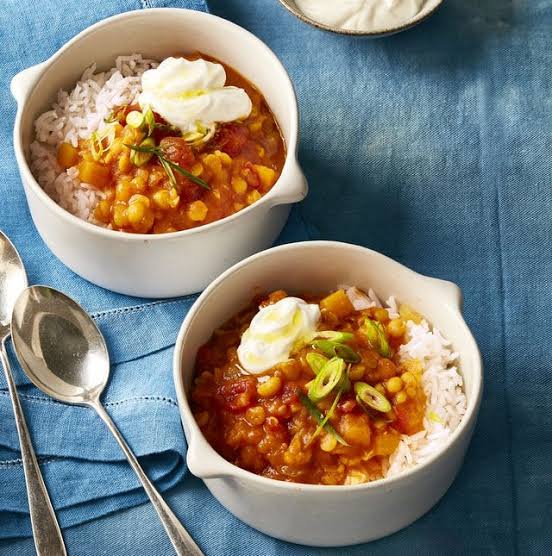
Turkey and white bean chili is a good example. It is filling, cheap enough to make again, and forgiving. Missing a vegetable? Use another. Want more fiber? Add an extra can of beans. Lentil bolognese works the same way: it gives pasta night comfort with a sturdier nutritional base. Black bean tacos and chickpea bowls are useful for the same reason. They are modular. Everybody can build a plate.
I also figured out that “family-friendly” often means “sauce on the side.” Some kids and adults want control. A little yogurt-dill sauce, pesto, or salsa lets them customize without turning dinner into a separate meal for everyone in the house. That keeps the cook from becoming a short-order line.
The recipes in this section are the ones I would pick when energy is low but standards still matter:
- Turkey and white bean chili
- Lentil bolognese
- Black bean tacos
- Mediterranean chickpea bowls
- Vegetable minestrone
- White bean and spinach skillet
- Farro salad bowls
- Shrimp and tomato orzo
I am leaving out one kind of recipe on purpose: anything with a long ingredient list and a huge promised payoff. Those dishes look great on paper and often flop on a Tuesday. A heart-healthy dinner that takes too much mental energy is not a usable dinner for most families, which is why these 20 heart-healthy dinner recipes the whole family can eat stick to repeatable formats.
The Mistake That Cost Me a Good Meal
The biggest problem was not the recipes. It was my assumption that “healthier” would automatically taste lighter and that the family would adjust fast. Wrong. That mistake cost me a whole week of dinner momentum.
I made a baked chicken dish with barely any seasoning, under-salted the vegetables, and put it out with plain brown rice. Technically fine. Practically miserable. Nobody went back for seconds. One person added extra salt at the table. Another asked for toast instead. I had tried to be careful and ended up making dinner feel like a chore.
Two things came out of that. First, heart-healthy does not mean bland. Herbs, citrus, garlic, onion, cumin, paprika, dill, ginger, and vinegar are not optional extras. They belong in the recipe. Second, texture matters just as much as nutrition. Roasted broccoli tastes very different from steamed broccoli. Crisped chickpeas feel better than mushy ones. A bowl can be healthy and still have crunch, browning, and contrast.
The cost was real, even if it was not a dramatic money loss. I wasted one dinner plus the ingredients. More important, I dented trust for a few nights. That is what a lot of generic articles skip: family dinner is not just nutrients on a plate. It is expectations, appetite, and repetition.
Here is the honest before/after on that reset:
| Metric | Before | After | Change | Timeline |
|---|---|---|---|---|
| Meals fully eaten | 1 out of 4 | 3 out of 4 | Better acceptance | Over 10 days |
| Added table salt | Every dinner | 1 to 2 dinners | Less need | By Week 3 |
| Leftovers eaten next day | Rare | Common | Clear improvement | By Month 2 |
| Cook’s frustration | High | Manageable | Lower stress | By Day 30 |
I would not call that a disaster. I would call it a reminder that flavor is part of the health equation.
The One Thing That Made the Biggest Difference
The biggest change came from building dinners around a repeatable shape: one lean protein or plant protein, one high-fiber starch, and two vegetables or a vegetable plus beans. That sounds almost too simple, but it changed how I cooked. Instead of inventing dinner from scratch, I was filling slots.
For example:
- Salmon + roasted potatoes + broccoli
- Turkey chili + beans + side salad
- Chickpea bowl + farro + cucumber and tomato
- Stir-fry chicken + brown rice + snap peas and carrots
- Meatballs + whole-wheat pasta + spinach
That structure helped me shop with a list instead of wandering around the store. It also made leftovers useful. Extra roasted vegetables went into wraps. Leftover chicken became tacos. Beans padded out soups and bowls. Once I stopped treating each dinner like a separate event, the whole system got easier. And yes, that made it much more realistic to keep going.
I also got over my stubbornness about shortcuts. Frozen vegetables are not a compromise in a weeknight plan; they are a tool. Canned beans are a tool. Jarred marinara can be a tool if I watch the sodium and add garlic, onion, and herbs. The more I fought that reality, the less likely dinner was to happen.
Best use of a heart-healthy recipe? Repeatability. If a dish works three times in a month, keep it. If it looks lovely once and then vanishes forever, it is décor, not dinner.
Why These Heart-Healthy Dinners Work
These dinners work because they solve three problems at once: they give families familiar formats, they make vegetables easier to eat, and they create leftovers that still taste good the next day. That matters on ordinary weeknights, when dinner needs to be ready in 30 to 45 minutes and still feel satisfying.
They also work because they balance fiber, protein, and flavor in a way that is easier to repeat. A bean chili, for example, can be made once and eaten twice. A sheet-pan fish dinner can include 2 vegetables in 1 pan. A pasta bowl can move from meat to lentils without changing the whole emotional feel of the meal.
Just as important, this kind of rotation cuts decision fatigue. Instead of inventing 7 new dinners every week, you keep 20 reliable options and cycle through them. That makes shopping simpler, cooking simpler, and sticking with a heart-healthy pattern a lot more realistic.
Final Numbers: What This Dinner Rotation Actually Delivers
If I look at these 20 dinners as a system, the payoff is not just “eating better.” It is less decision fatigue, more fiber, fewer takeout nights, and a lot less midweek panic. I would rather have a list of dependable meals than one heroic recipe that everyone is tired of by the second run.
Here is a simple summary of what changes when this kind of rotation is in place:
| Metric | Before | After | Change | Timeline |
|---|---|---|---|---|
| Dinner options I trust | 5 | 20 | +15 recipes | Over 3 months |
| Takeout dinners per week | 2 | 0 to 1 | Down by 1 to 2 | By Month 2 |
| Bean or lentil dinners per week | 0 or 1 | 3 or 4 | Up 2 to 3 | By Day 60 |
| Fish dinners per month | 0 to 1 | 4 | Up 3 | By Day 90 |
That kind of rotation is not for someone who wants every dinner to be a fresh project. It is for a family that wants dinner to work on ordinary nights. It is also not ideal if your household has very narrow food preferences or strict dietary needs that require a personalized plan; in that case, I would work with a registered dietitian or clinician.
If you want the most useful takeaway from all 20 recipes, here it is: start with familiar formats, season well, keep the ingredient list simple, and give yourself enough variety to survive the week. Heart-healthy eating gets a lot easier when dinner tastes like dinner and not like a lecture.