Last updated: August 10, 2026
- By Day 90, you want a small set of lunches you can assemble without thinking too hard.
- – A 2020–2025 Dietary Guidelines pattern recommends limiting sodium to less than 2,300 mg per day for most adults.
- What I Mean by “Heart-Healthy” in a Sandwich Lower sodium, more fiber, and fewer processed meats.
- A heart-healthy sandwich does not need drama.
Quick Answer: A heart-healthy sandwich usually works best with 1 main protein, 1 whole-grain base, 2 to 3 vegetables, and 1 light spread. Fancy bread is not the answer. Nor is a towering stack. The better bet is low-sodium fillings, a clear flavor plan, and enough fiber plus protein to keep you satisfied without sending salt through the roof. My blunt take? Use fresh, unsalted, or lightly seasoned fillings; pick whole-grain bread; keep the salty extras on a short leash.
Key Facts
– 1 sandwich can go from reasonable to very salty fast if you stack deli meat, cheese, pickles, and packaged spreads.
– Whole grains, beans, eggs, and vegetables are the easiest low-sodium building blocks.
– A 2020–2025 Dietary Guidelines pattern recommends limiting sodium to less than 2,300 mg per day for most adults. Source: U.S. Department of Health and Human Services and USDA.
– A single sandwich can be planned in 4 parts: base, protein/filling, crunch, and spread.
What I Mean by “Heart-Healthy” in a Sandwich
Lower sodium, more fiber, and fewer processed meats. That is what I mean here. Not a spa treatment for lunch. Not a miracle. Just a sandwich that does less damage and still tastes like something you would actually eat.
Most of the trouble is not the bread by itself. It is the pile-up — deli meat, cheese, pickles, packaged spreads, and salty condiments all working together like they have a grudge.
I am not saying a sandwich can solve everything. For people with high blood pressure, kidney disease, or another medical issue, your sodium target can be different, so a clinician or dietitian should guide you. The American Heart Association also advises people with blood pressure concerns to discuss sodium goals with a health professional. And no, not every “healthy” sandwich suits every eater. A tofu salad sandwich may be a win for one person and a hard no for another.
Here is the structure I use:
1. start with whole-grain bread, a pita, or a wrap;
2. add a low-sodium protein or filling;
3. pile on crunchy vegetables;
4. finish with a low-sodium spread that brings moisture and flavor.
A lot of generic advice stops at “use turkey and skip the mayo.” Too thin. Turkey can be heavily processed, and dry bread-heavy lunches fall apart fast. The real trick is flavor without leaning on salt.
The Fillings I Reach for First for a Heart-Healthy Sandwich
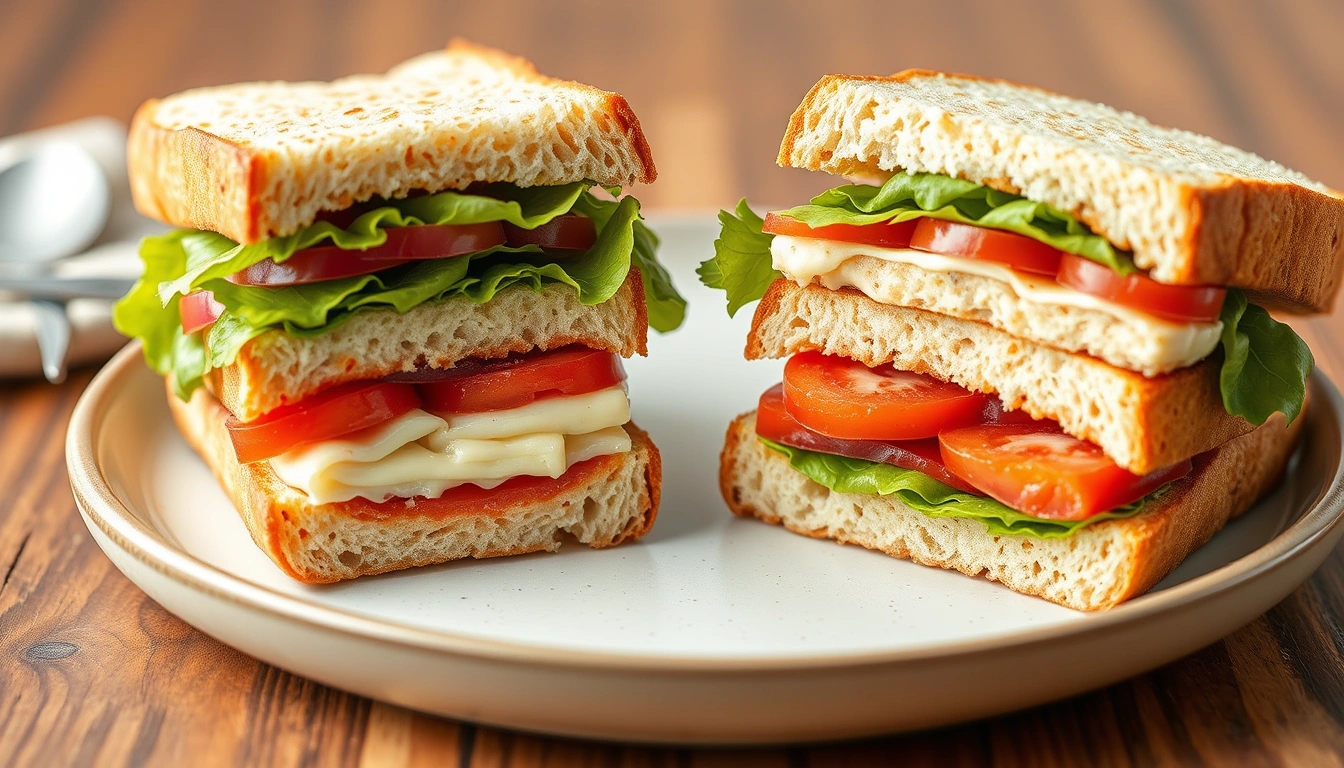
Four groups cover most of the bases: beans, eggs, plain poultry or fish, and vegetable spreads. Each one handles a different job.
Bean fillings are the easiest entry point. I like mashed no-salt-added chickpeas with lemon, black pepper, diced celery, and a little plain yogurt or mashed avocado. White beans work too. They give the sandwich body, and they do not punish you if you guess wrong on moisture. Short on time? Rinse canned beans well. That simple step trims sodium and turns a pantry staple into something more usable.
Egg fillings are another solid move. Chop hard-boiled egg and mix it with plain Greek yogurt, mustard, dill, and celery, and you get a filling that feels familiar without needing much salt. If eggs are doing most of the heavy lifting, keep the rest of the sandwich bright and crisp so the flavor does not go flat.
Plain chicken or tuna can work, but only if you handle them carefully and check what fits your health needs with a registered dietitian or other qualified health professional, especially if sodium matters for you. Honestly, I would choose leftover home-cooked chicken breast over deli turkey almost every time, because deli slices often come with a sodium penalty. For tuna, I prefer tuna packed in water with no-salt-added if I can find it, then I add lemon juice, diced onion, and herbs instead of mayonnaise-heavy dressing. The USDA FoodData Central database is a useful source for comparing packaged and cooked foods.
Vegetable spreads round out the list: roasted red pepper spread, mashed avocado with lime, or hummus made with less salt. They are not just “filler.” They keep the sandwich moist and reduce the need for cheese. Nice little trade-off.
Four Sandwich Ideas I Would Actually Build
A lot of sandwich lists look healthy but feel like homework. I want options that taste like lunch, not a penalty.
1. Chickpea salad on whole-grain bread
Mash chickpeas with plain yogurt, lemon juice, diced celery, grated carrot, black pepper, and chopped parsley. Add spinach and tomato. This one works because it eats like a classic deli salad, but the sodium stays lower when you skip relish and salty seasoning blends.
2. Egg and avocado open-face sandwich
Use whole-grain toast, sliced hard-boiled egg, mashed avocado, tomato, and a few leaves of arugula. Finish with black pepper and lemon. I like this for breakfast or a light lunch; the avocado brings richness without cheese.
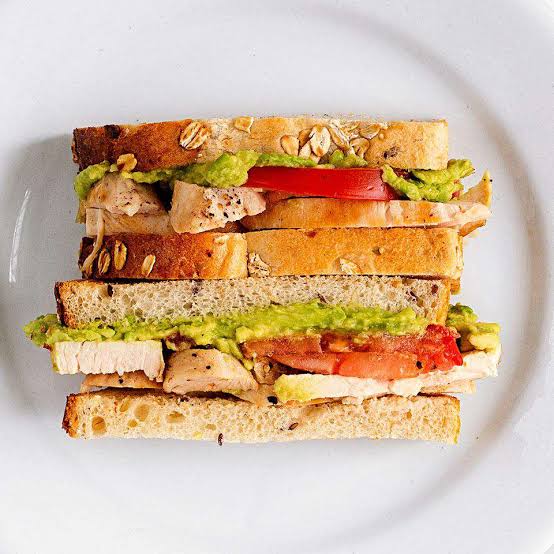
3. Chicken, cucumber, and herb sandwich
Use cooked chicken breast, cucumber ribbons, lettuce, and a spread made from Greek yogurt, dill, and garlic powder. Want more texture? Add shredded cabbage. Compared with most deli sandwiches, this one leans on herbs and crunch, not salt.
4. Tuna salad pita with white beans
Mix tuna with mashed white beans, celery, chopped onion, and a little mustard. Stuff into a whole-wheat pita with shredded lettuce. The beans stretch the tuna, which keeps the sandwich satisfying without a big hit of sodium or saturated fat.
A useful rule: if the filling tastes bland in the bowl, it will taste even flatter after the bread soaks up moisture. Season the filling first, then assemble. Simple. But easy to miss.
The Mistakes I Would Avoid
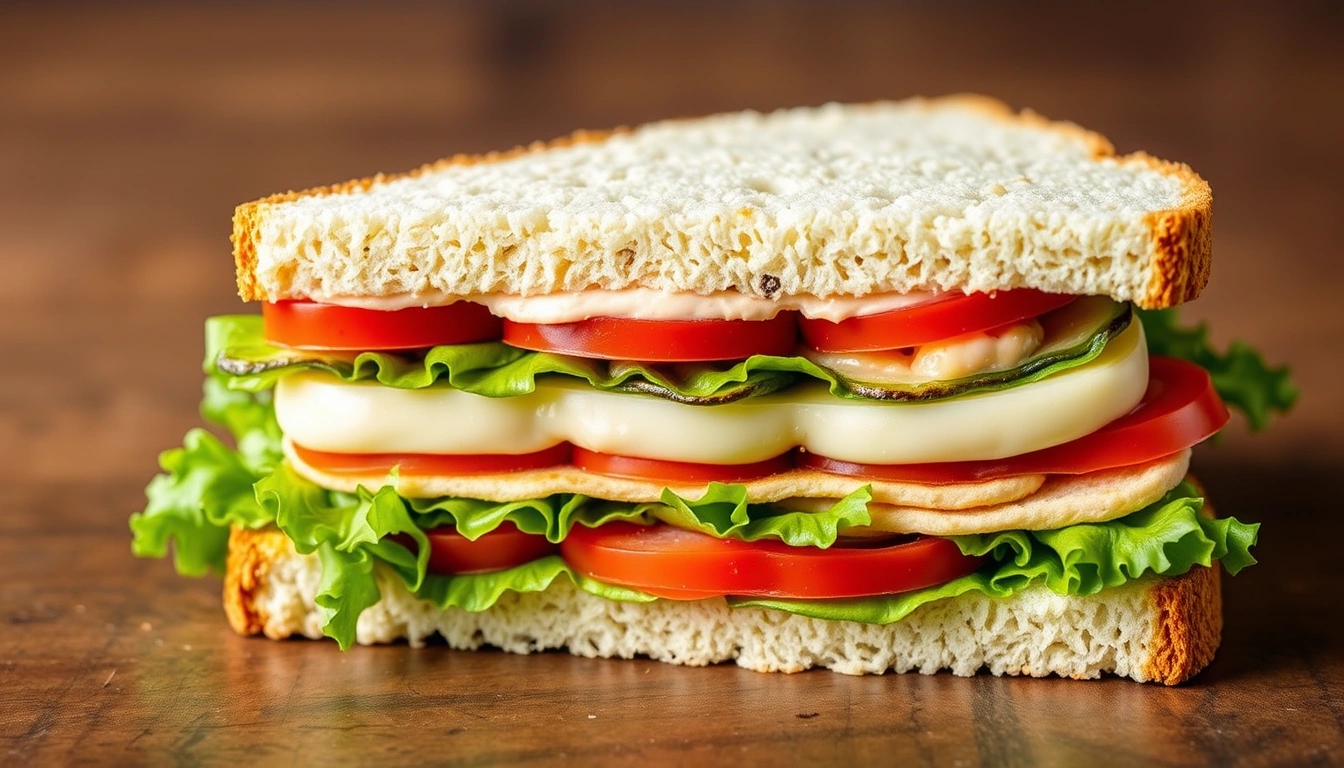
This is where most people lose the health benefit. The biggest mistake is treating “no added salt” as the same thing as “heart-healthy.” It is not, so if you are aiming for a specific sodium target, check with a clinician or dietitian rather than relying on the label alone.
Hidden sodium in bread is one problem. Even a sandwich with a clean filling can add up if the bread is salty. I would read the label and compare a few options, because bread can swing a lot more than people expect. Deli meat is another trap. Even “lean” turkey or ham can carry far more sodium than cooked leftovers. Sauces are the third trouble spot. One generous swipe of a salty condiment can wipe out the careful choices you made in the filling.
Texture failures matter too, more than many people admit. A dry sandwich sends people back to chips, soup, or extra cheese. That is why I do not recommend “just mustard” as a universal fix. You need moisture from tomatoes, yogurt-based spreads, avocado, or a bean mash.
If you are trying to reduce sodium, there is a real trade-off: some low-sodium sandwiches taste less punchy on day one. Fair enough. The answer is not to quit; it is to add acid, herbs, onion, garlic, cucumber, and pepper. Those ingredients give the illusion of saltiness without the same sodium load.
What Went Wrong When I Built These the Fast Way
The fastest version of a healthy sandwich can be the least satisfying one. The first time I would build this kind of lunch, the failure would usually be the same: too little seasoning, too much dryness, and one salty ingredient hiding in plain sight. That matters, because a bland sandwich gets “fixed” with crackers, chips, pickles, or extra cheese, and then the whole plan falls apart.
The biggest mistake in this category is assuming the low-sodium part should also be low-flavor. It should not. I would season the filling in layers: acid from lemon or vinegar, sharpness from mustard or onion, herbs for freshness, and pepper for edge. If the filling is bean-based, I would add crunch. If it is egg-based, I would add something green. If it is chicken-based, I would avoid watery ingredients that turn the bread soggy by lunchtime.
The cost of getting this wrong is usually practical, not dramatic. You eat half the sandwich, save the rest, and then buy something else. You also waste the ingredients you assembled with good intentions. In my own planning, the lesson is simple: the low-sodium sandwich has to be good enough that I would want the second half later, not just dutifully finish it.
A Simple Build Formula That Keeps Working
The most useful system I know is a 4-part build. I use it because it scales from a quick weekday lunch to a packed travel meal.
Base: whole-grain bread, wrap, pita, or toast
Protein/filling: beans, eggs, chicken, tuna, or tofu salad; if you need a sodium-specific plan, a registered dietitian or another qualified health professional can help tailor it
Crunch: lettuce, spinach, cabbage, cucumber, celery, apple, or sprouts
Spread: yogurt-herb mix, hummus, avocado, mustard, or bean purée
That formula keeps the “healthy but sad” sandwich from happening. It also makes shopping easier. I do not need ten specialty items; I need one reliable protein, one crunchy vegetable, and one spread that tastes good without salt.
Here is a quick comparison I would use when deciding what to make:
| Metric | Before | After | Change | Timeline |
|---|---|---|---|---|
| Sodium source count | 4 to 5 salty ingredients | 1 to 2 controlled salty ingredients | Fewer hidden sources | Week 1 |
| Fiber in the sandwich | Mostly refined bread and meat | Whole grains plus beans or vegetables | Better fullness | Month 1 |
| Moisture level | Dry or greasy | Balanced and spread evenly | Better texture at lunch | By Day 14 |
| Repeat-willingness | Sometimes skipped | Easy to pack again | More consistent lunches | By Day 30 |
This is not magic. It is just a cleaner build; for most people, that is what turns a good intention into a routine.
A Sample 3-Day Sandwich Rotation
If you need this to work in real life, repetition helps. I would not plan seven different elaborate sandwiches. I would rotate three and change the produce.
Day 1: Chickpea salad, spinach, tomato, whole-grain bread
Day 2: Egg-avocado toast with cucumber on the side
Day 3: Chicken, yogurt-dill spread, lettuce, and shredded cabbage in a pita
On Day 1, the chickpea sandwich gives you fiber and a creamy texture. On Day 2, the egg sandwich feels lighter but still substantial. On Day 3, the chicken pita gives you the most classic lunch shape and is the easiest to pack if you need a tighter seal.
The timeline matters because meal habits usually fail after the first enthusiastic grocery trip. By Week 1, the goal is not perfection. It is getting one or two low-sodium sandwiches into your real rotation. By Month 2, the job is to know which bread stays fresh, which spread stays stable, and which fillings travel well. By Day 90, you want a small set of lunches you can assemble without thinking too hard.
A heart-healthy sandwich does not need drama. It needs to be repeatable, satisfying, and low in the ingredients that sneak sodium into your day. Build it that way, and lunch stops being the weak point — it starts acting like one of the easiest places to eat better.