Last updated: October 20, 2026
Quick Answer: Heart-Healthy Recipes for Low Saturated Fat usually work best when you swap the fat source, keep the texture, and use a lean protein, vegetable, and starch in the same meal.
Key Takeaways
- Low-saturated-fat recipes keep the flavor while changing the fat profile with olive oil, beans, tofu, skinless chicken, avocado, and lower-fat dairy.
- You cut saturated fat by swapping the richest ingredient first, then adjusting the method so the dish still feels full.
- Greek yogurt, olive oil, beans, tofu, skinless chicken, and avocado each replace a different function in a recipe.
- Creamy dishes stay creamy when you replace the body or emulsion, not just the flavor.
Heart-Healthy Recipes for Low Saturated Fat are the easiest way to keep familiar meals on the table while trimming the ingredient that drives most of the problem: butter, cream, full-fat cheese, fatty meats, and coconut-heavy sauces. The trick is not to eat “diet food.” It is to swap the fat source, change the cooking method, and keep the texture people actually want.
What low-saturated-fat recipes do differently
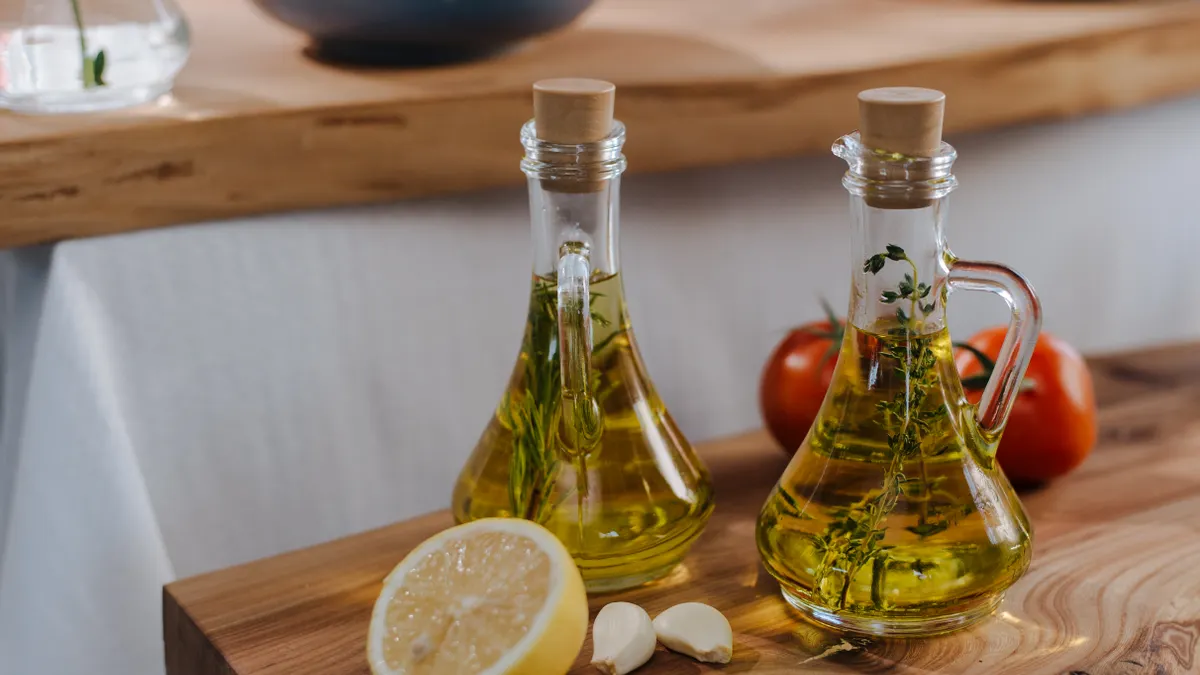
Low-saturated-fat recipes keep the flavor, but they change the fat profile by using olive oil, beans, tofu, skinless chicken, avocado, and lower-fat dairy in place of the usual rich ingredients. That means a bowl of pasta can still taste creamy, chili can still feel hearty, and a skillet dinner can still be satisfying without leaning on butter or cream.
Since low saturated fat is not a ban on all fat, it helps to aim for better fat choices and, if needed, check with a registered dietitian or clinician for personal advice. The biggest mistake is treating “low saturated fat” as a ban on all fat. That leads to dry chicken, bland vegetables, and sauces that split or taste thin. A better target is to replace saturated fat with unsaturated fat and moisture. Olive oil, avocado, and nuts can help with mouthfeel; beans and tofu add body; Greek yogurt can bring tang and creaminess without the same richness as heavy cream.
A useful rule: keep the original dish structure, then change one element at a time. If a recipe calls for 1 cup of cream, try 3/4 cup plain Greek yogurt stirred in at the end, or blend tofu with broth and herbs for a sauce. If it depends on 4 strips of bacon for flavor, use smoked paprika, garlic, and olive oil instead. If it uses skin-on thighs, choose skinless chicken breasts or remove the skin before cooking.
This page is for someone who wants practical swaps, not a lecture about nutrients. It also sits under the broader heart healthy recipes hub, which is the right place for fuller meal planning. If you only need one thing from this guide, take this: low-saturated-fat cooking works best when the swap preserves texture first and cuts richness second.
How do I cut saturated fat in recipes?
You cut saturated fat in recipes by replacing the richest ingredient, then adjusting the method so the dish still tastes full. Start with the fat source, then look at dairy, protein, and cooking temperature. A 10-minute sauce fix often does more than an elaborate ingredient overhaul.
- Swap the cooking fat first. Replace butter with olive oil in sautéed dishes, roasting pans, and dressings. Use about 1 tablespoon where a recipe calls for a shallow coating in the pan. The result should be a cleaner, lighter flavor without the heavy dairy note.
- Change dairy in thick sauces. Use plain Greek yogurt, blended tofu, or evaporated skim milk in place of heavy cream. Stir yogurt in off the heat so it does not curdle; keep the pan at low heat for tofu or milk-based sauces.
- Choose lean proteins. Pick skinless chicken, beans, lentils, or tofu instead of sausage, ribs, or skin-on poultry. If you cook chicken in the oven, 400°F is a practical roasting temperature for fast browning without extra fat.
- Build body with vegetables and starch. Add cauliflower, mushrooms, potatoes, or white beans to make soups and casseroles feel substantial. Pureeing 1 to 2 cups of vegetables can thicken a pot without cream.
- Finish with acid and herbs. Lemon juice, vinegar, basil, dill, parsley, and garlic make a low-fat dish taste complete. Brightness often replaces the “rich” impression people miss.
The trade-off is that very low-fat cooking can lose some silkiness. That is normal. The fix is not to add back butter by habit; it is to use a texture-making ingredient that fits the dish. Greek yogurt works in dips and marinades. Beans work in soups, burritos, and salads. Tofu works in blended sauces, stir-fries, and smoothies.
What ingredients replace butter, cream, and fatty meat?
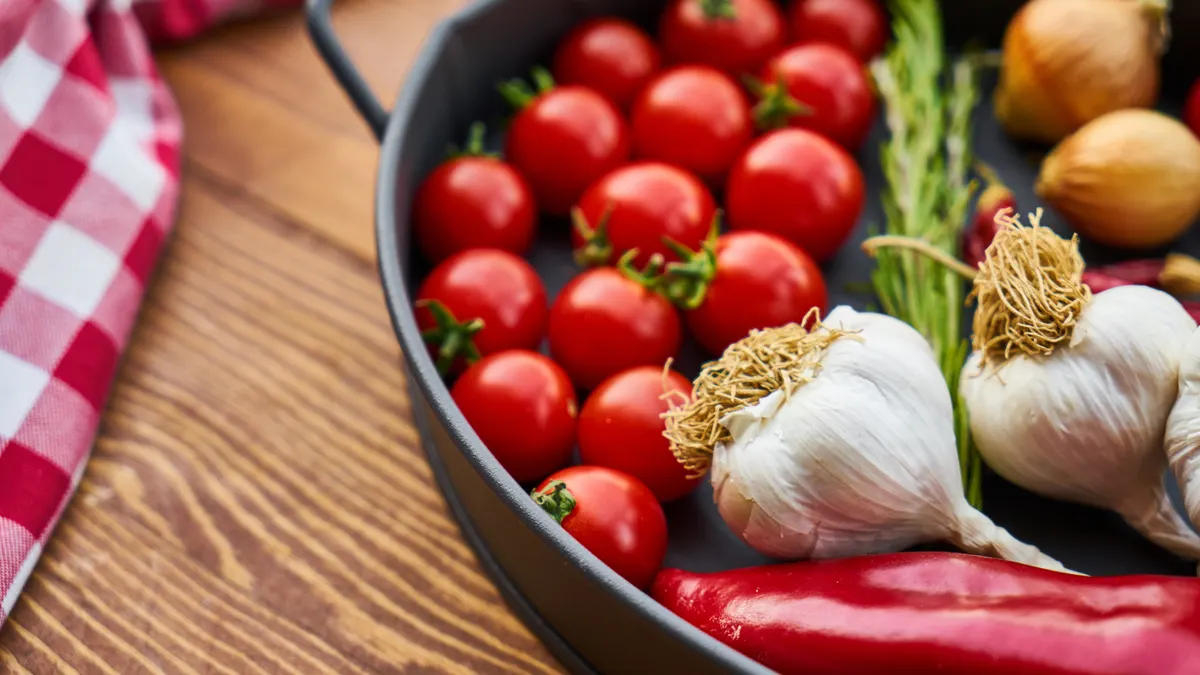
The replacements for butter, cream, and fatty meat are Greek yogurt, olive oil, beans, tofu, skinless chicken, and avocado, because each one fills a different job in the recipe. Butter gives richness, cream gives body, fatty meat gives flavor and chew, and these swaps replace those jobs without pushing saturated fat back up.
For dairy swaps, plain Greek yogurt is the most versatile. It works in dips, potato toppings, salad dressings, and cold sauces. In hot dishes, add it at the end or temper it with a spoonful of warm liquid first. Low-fat ricotta can also soften pasta fillings and casseroles. Skim milk or evaporated skim milk can stand in for cream in some soups, but they rarely make a sauce as thick on their own.
For fat swaps, olive oil is the easiest everyday choice. It coats vegetables well, helps onions soften, and makes roasted food brown. Avocado is better as a finish than a cooking fat: mash it into a spread, dice it into salads, or blend it into a creamy sauce. It gives richness without the same dairy profile.
For protein swaps, beans and tofu are the workhorses. Beans add fiber and substance to chili, tacos, grain bowls, and soups. Tofu absorbs marinades and can be crisped in a skillet or oven. Skinless chicken sits in the middle: it keeps the familiar flavor of a chicken dinner but removes the saturated fat that comes with the skin.
A common mistake is trying to replace every source of richness with one ingredient. That usually backfires. Greek yogurt alone will not replace the body of a cream sauce; tofu alone will not make a roast taste like roast chicken. The better move is to combine two or three swaps: olive oil for the pan, beans or tofu for the base, and Greek yogurt for the finish.
Creamy dishes without the heavy cream
Creamy dishes can stay creamy if you replace the emulsion or body, not just the flavor. That means you want a sauce that clings, not one that tastes thin and watery. The lower-saturated-fat versions that hold up best use a blended base, a little starch, or a dairy swap that can hold up in the pan.
Start with a simple method. For a creamy pasta or skillet sauce, cook aromatics in 1 tablespoon olive oil, add vegetables or beans, then stir in 1/2 cup broth and either blended tofu, plain Greek yogurt, or a small amount of evaporated skim milk. If you need more thickness, use 1 teaspoon cornstarch mixed with cold water before you add it to the pan. Keep the heat low once yogurt goes in.
A practical pattern for creamy dishes is this:
- Base: sauté onion or garlic in olive oil.
- Body: add cauliflower, white beans, or cooked potato.
- Liquid: use broth or milk instead of cream.
- Finish: blend until smooth, then season with lemon, herbs, pepper, and a little grated cheese if needed.
This works especially well in tomato cream sauces, mushroom sauce, potato soup, and pureed vegetable soups. It is less convincing in recipes where cream is the whole point, such as a very rich Alfredo or a custard-style dessert. That is the trade-off. A low-saturated-fat version can still be delicious, but it will not copy the exact weight of the original.
The strongest move is to pick recipes where cream is there for texture, not identity. A chowder can become potato-and-corn based. A spinach sauce can rely on Greek yogurt and parmesan. A blended tofu sauce can stand in for a garlic cream sauce over pasta. Those dishes forgive the swap because the other flavors carry the meal.
For a technical reference on heart-healthy eating patterns, I would point to the American Heart Association’s guidance on saturated fat and food choices, and the NHS page on reducing saturated fat. They are useful because they focus on practical limits and food swaps, not abstract nutrition talk.
Easy low-saturated-fat dinners that still feel complete
Easy dinners are the best place to start because you can control the fat source without rebuilding the whole meal. A 30-minute skillet or tray-bake is usually enough to make the change stick. The key is to keep one lean protein, one vegetable, and one satisfying starch.
Here are the most reliable formats:
- Bean and vegetable chili: Use beans as the main body, not a side ingredient. Tomato, onion, peppers, garlic, and chili powder carry the flavor.
- Sheet-pan chicken and vegetables: Use skinless chicken with olive oil, paprika, and lemon. Roast at 400°F until the chicken is cooked through and the vegetables are browned.
- Tofu stir-fry: Press tofu for 15 to 20 minutes, then sear it in a small amount of olive oil before adding vegetables and sauce.
- Greek yogurt grain bowls: Build from brown rice, quinoa, or farro, then add cucumber, tomato, chickpeas, herbs, and a yogurt dressing.
- Pasta with bean sauce: Blend white beans with garlic, broth, and olive oil for a creamy coating that clings to noodles.
These dinners work because they do not ask the cook to chase a “light” version of a heavy dish every night. They are naturally lower in saturated fat when built that way. They also scale well. A pot of bean chili can feed four for several meals. A tray of skinless chicken and vegetables can be stretched with rice or potatoes. A tofu stir-fry can use whatever produce is in the fridge.
The drawback is that these meals depend on seasoning and timing. Under-salted food tastes flat, and overcooked lean protein tastes dry. Use a thermometer for chicken if precision matters, and pull tofu or vegetables as soon as they are browned and tender. The goal is dinner that feels complete at the table, not dinner that only meets a nutrition label.
The recipe substitutions that actually hold up
The substitutions that hold up are the ones that match function, not just ingredient name. Richness, binding, browning, and moisture each need their own replacement. A single swap rarely solves all four.
Use this shortlist:
- Butter in sautéing: olive oil, 1 tablespoon at a time.
- Heavy cream in sauces: Greek yogurt, blended tofu, or evaporated skim milk.
- Ground beef in some dishes: beans, lentils, or crumbled tofu.
- Skin-on poultry: skinless chicken.
- Mayonnaise-heavy dressings: Greek yogurt plus lemon, mustard, and herbs.
- Creamy dips: yogurt-based dips or avocado mixed with lime and herbs.
The biggest mistake is using a substitute in the wrong temperature range. Greek yogurt breaks if boiled hard. Tofu needs blending or good seasoning or it tastes blank. Beans can make a meal heavy if they are added without enough acid or herbs. Olive oil can replace butter in many places, but it will not add the same dairy flavor, so another seasoning element has to step in.
A second mistake is chasing exact mimicry. Low-saturated-fat cooking is not about making every recipe identical to the original. It is about making the meal work on its own terms. A mushroom sauce with yogurt and dill does not need to taste like a restaurant cream sauce. A bean-and-tomato stew does not need to impersonate a beef ragu. If the dish is satisfying, the substitution did its job.
A simple way to build a low-saturated-fat plate
A simple low-saturated-fat plate starts with vegetables, adds a lean protein, and uses olive oil or avocado as the fat source. That structure is flexible enough for lunch or dinner and easy to repeat across the week.
Think in three parts:
- Half the plate vegetables. Roasted broccoli, sautéed greens, tomato salad, cabbage slaw, or mixed vegetables all work.
- One-quarter protein. Choose beans, tofu, skinless chicken, lentils, or fish if it fits your plan.
- One-quarter starch. Brown rice, potatoes, whole-grain pasta, quinoa, or whole-grain bread gives the meal staying power.
Then add one fat source in a measured way. A teaspoon or tablespoon of olive oil in the pan, a few slices of avocado on top, or a spoonful of yogurt sauce is usually enough to make the meal feel finished. Too much fat at the end can drown the rest of the plate, which is how a careful recipe turns rich fast.
This structure is not for someone who wants to keep fried food, heavy cream, and fatty meats in the same meal and still call it low saturated fat. It is for the cook who wants a realistic reset. It is also the easiest way to shop: buy a few repeatable ingredients, cook them in batches, and mix them across different dinners.
If you want the highest payoff from one change, start with the fat used in cooking, then move to the protein. Those two choices affect most of the saturated fat in a typical home-cooked meal.
What foods are low in saturated fat?
Foods that are naturally low in saturated fat include beans, tofu, skinless chicken, most vegetables, fruits, grains, and unsweetened low-fat or nonfat dairy options. Olive oil and avocado are still useful, but they are mainly about replacing saturated fat with healthier unsaturated fats rather than eliminating all fat from the plate.
How do I cut saturated fat in recipes?
You cut saturated fat in recipes by swapping butter for olive oil, cream for Greek yogurt or blended tofu, and fatty meats for beans, tofu, or skinless chicken. Cooking method matters too: roasting, steaming, and sautéing use less saturated fat than frying or relying on rich sauces.
Can I make creamy dishes with less saturated fat?
Yes, creamy dishes can be made with less saturated fat by using Greek yogurt, blended tofu, pureed vegetables, or a small amount of evaporated skim milk. For a helpful reference on food swaps and limits, the American Heart Association and the NHS both outline practical ways to reduce saturated fat. The best results come from low heat and the right texture base, since high heat can cause dairy to split and thin sauces to feel weak.
Drafted with AI; not yet reviewed by a person.