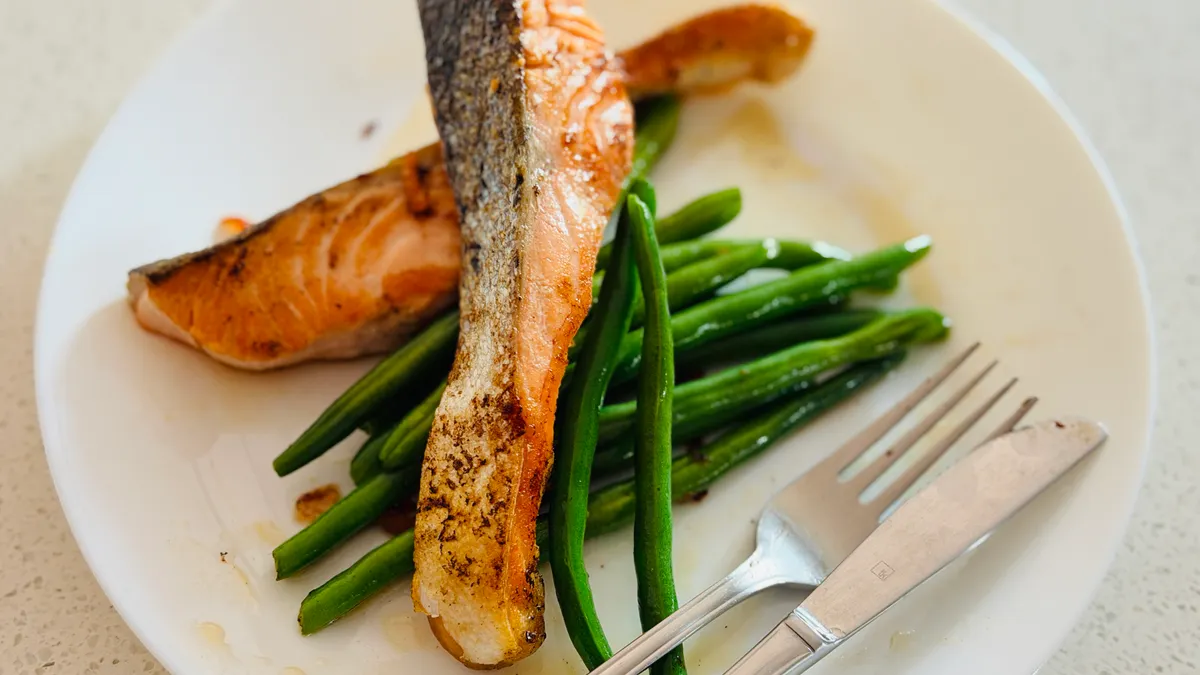
Last updated: October 20, 2026
Quick Answer: For a heart-healthy dinner, choose a protein that fits the dish and keep portions modest; a common serving is about 150–200 g / 5–7 oz, depending on the rest of the meal.
Key Takeaways
- The easiest dinner choice is the one that matches the cooking method you already want to use.
- Reliable dinner proteins include salmon, lentils, chickpeas, tofu, chicken breast, turkey, and other lean cuts of meat.
- The best protein depends on whether dinner is a soup, bowl, salad, or sheet-pan meal.
- The main mistake is picking a good protein and then cooking it in a way that undoes the benefit.
Heart-healthy protein sources for dinner are the ones that bring protein to the plate without pushing your meal toward saturated fat, heavy breading, or oversized portions. For the topic How to Choose Heart-Healthy Protein Sources for Dinner, that usually means fish, beans, lentils, tofu, skinless poultry, and lean cuts of meat chosen for the way you cook them. For a broader guide to balanced meals, see the heart healthy foods hub, plus heart-healthy eating advice from the American Heart Association.
Start with the protein, not the recipe name
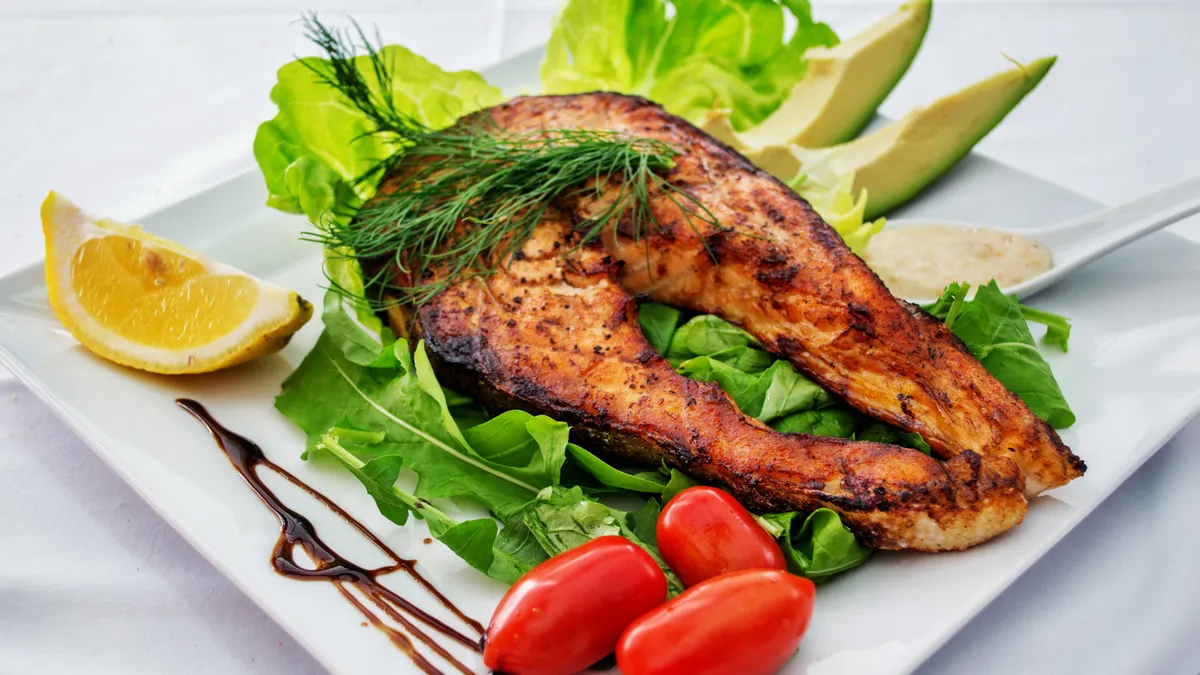
The easiest dinner choice is the one where the protein fits the cooking method you already want to use. A soup wants lentils or beans, a bowl wants tofu or chickpeas, a salad wants salmon or chicken breast, and a sheet-pan dinner wants a quick-cooking protein that can handle oven heat at about 200°C / 400°F. If you start with “salmon for a tray bake” or “lentils for soup,” the rest of the meal becomes easier to shape around heart-health goals.
The wrong move is choosing the protein only because it sounds healthy in theory. A breaded cutlet, a creamy tuna casserole, or sausage in a pasta bake can turn a sensible base into a heavy dinner. The protein itself is not the whole story. Cooking fat, salt, and portion size matter too.
A useful rule: pick a protein that can stay tender with simple cooking. That usually means 150–200 g / 5–7 oz portions for one person, depending on the rest of the meal. Smaller portions work well when the dinner also includes beans, vegetables, or whole grains. Bigger portions tend to crowd out the foods that make dinner more balanced.
If you want a general overview of how these choices fit into the rest of the plate, the heart healthy foods hub can help. This article stays focused on protein so the decision is easier at 6 p.m., not just in a nutrition lecture.
Which proteins are usually the best fit for a heart-healthy dinner?
The most dependable dinner proteins are salmon, lentils, chickpeas, tofu, chicken breast, turkey, and other lean cuts of meat prepared without a lot of added saturated fat. Each one works best in a different kind of meal.
Salmon fits best when dinner needs a main protein with strong flavor. It works in a 15–20 minute bake at 200°C / 400°F, on a grill, or tucked into a rice bowl. Fish is a strong dinner choice when the goal is to keep the plate simple and avoid frying. The drawback is obvious: salmon is not cheap in many places, and some people do not like its stronger taste. For serving ideas, see how to cook salmon and easy fish dinners.
Lentils are the most forgiving option for soups and stews. They hold their shape for about 20–30 minutes of simmering, depending on type, and they soak up herbs, onions, tomatoes, and broth well. They are also useful when you want dinner to feel filling without centering the meal on meat. The trade-off is texture; some diners want a firmer bite than lentils can give.
Chickpeas fit salads, grain bowls, and roasted sheet-pan dinners. They can go straight from a can into a pan after a quick rinse, or into a roast at 200°C / 400°F until lightly crisp. They are convenient, but they can taste dry if they are over-roasted or under-seasoned. A simple weeknight option is to pair them with grain bowl recipes.
Tofu is the flexible option when dinner needs a neutral protein that takes on sauce. Firm or extra-firm tofu works best for pan-searing or baking. It usually needs 20–30 minutes in the oven or a few minutes per side in a skillet to develop texture. The limitation is simple: soft tofu does not work in every dinner format, especially if the goal is a browned surface. Tofu cooking tips can help if it is new to your kitchen.
Chicken breast and turkey can be heart-conscious choices when they are skinless and cooked gently. They suit salads, soups, stir-fries, and sheet-pan meals. They are not automatically heart-healthy if they are breaded, fried, or paired with rich sauces. Lean cuts of meat can also fit sometimes, but the cut and portion matter more here than with beans or fish.
How do I pick protein by dinner format?
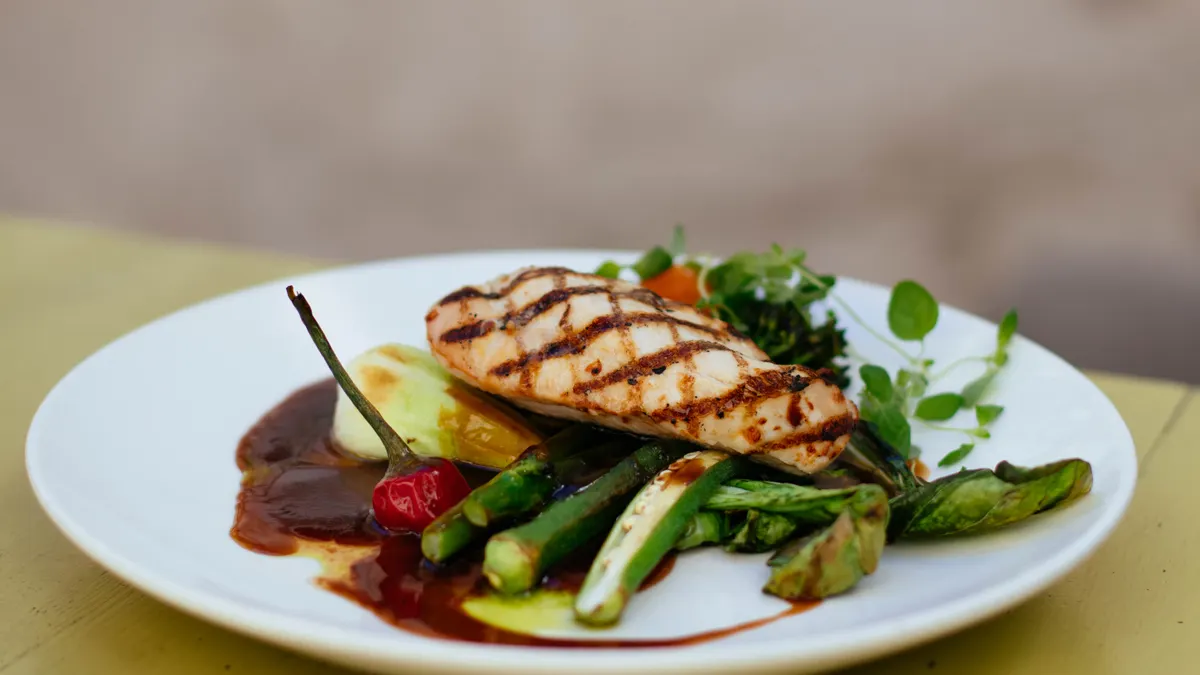
The right protein depends on whether the dinner is a soup, bowl, salad, or sheet-pan meal. Different formats reward different textures, cooking times, and levels of fat.
For soup, lentils and beans are the most practical. Red lentils break down in about 15–20 minutes and thicken broth. Brown or green lentils stay more intact and hold their shape for roughly 20–30 minutes. Chickpeas work in vegetable soups that need more bite. Chicken breast can fit too, especially if simmered gently and shredded, but it dries out if cooked too long. Soup is not the place for delicate fish unless the recipe is built for it.
For bowls, tofu, salmon, chickpeas, and chicken breast all make sense. The bowl format gives you room to balance the protein with grains and vegetables. Firm tofu can be pressed, cut into cubes, and seared until the edges brown. Salmon can be flaked over warm grains. Chickpeas can be roasted or seasoned in a skillet. A bowl also makes portion control easier because the eye sees the whole meal at once.
For salads, protein should be cooked and cool enough to sit on greens without turning the dish soggy. Flaked salmon, sliced chicken breast, chickpeas, or cubed tofu all work. Bean salads are especially useful when dinner needs to be fast, and a drained 400 g / 14 oz can of chickpeas can become the main protein in minutes. The main risk is turning a salad into a sodium bomb with creamy dressing, cheese, or croutons.
For sheet-pan meals, choose proteins that cook in the same window as vegetables. Chicken breast cut into even pieces, tofu cubes, salmon fillets, and turkey cutlets all work when the pieces are sized to match the pan. A standard oven setting of 200°C / 400°F is often used for this format. Lean cuts of meat can work too, but only if they cook fast enough to avoid drying out.
How do I cook heart-healthy protein sources for dinner?
Choose a method that uses little added fat, keeps the protein tender, and does not depend on heavy breading or a sugary glaze. The goal is not just to pick the right protein, but to cook it in a way that preserves the point of choosing it.
- Match the protein to the method. Use lentils for simmering, chickpeas for salads or roasting, tofu for baking or pan-searing, fish for baking or grilling, and skinless poultry for roasting, sautéing, or soup.
- Set the heat to the cooking range the protein can handle. For most sheet-pan dinners, use 200°C / 400°F. For stovetop sautéing, keep the pan at medium or medium-high so the surface browns without burning the outside before the center cooks through.
- Keep portions even. Cut chicken breast, turkey cutlets, or tofu into similar-size pieces so they finish at the same time. Even pieces reduce the chance that one part dries out while another stays undercooked.
- Use a simple flavor base. Build from olive oil, garlic, onion, herbs, lemon, pepper, or spice rubs instead of cream or heavy cheese sauces. This keeps the meal lighter without making it bland.
- Cook until just done. Salmon should flake and turn opaque; chicken and turkey should be fully cooked through; tofu should be browned and firm; lentils should be tender but not mushy unless the soup calls for that texture.
- Serve with vegetables and a steady starch. Pair the protein with roasted vegetables, greens, brown rice, barley, or potatoes so the dinner feels complete without needing a second heavy protein.
This method keeps dinner practical. It also avoids the classic trap of turning a healthy protein into a rich casserole or a breaded cutlet.
What are the common mistakes with dinner protein choices?
The most common mistakes are choosing the right protein and then cooking it in a way that cancels the advantage. That usually means breading, frying, oversalting, or pairing lean protein with a heavy sauce.
A frequent mistake is using chicken breast or turkey as if the cut alone guarantees a heart-healthy dinner. It does not. Skinless poultry stays a better choice than many processed meats, but a fried breast or a creamy turkey dish still shifts the meal in the wrong direction. The fix is simple: roast, grill, bake, or poach, and keep the sauce light.
Another mistake is treating canned chickpeas or beans as automatically healthy no matter what else goes into the bowl. A chickpea salad with a lot of mayo or cheese can become much heavier than expected. Rinse canned beans well, then build flavor with herbs, acid, and vegetables. If you need help tailoring meals to your health needs, consult a clinician or dietitian.
A third mistake is overrelying on fish without thinking about the form. Salmon is a strong choice, but smoked fish, breaded fish, and fish covered in creamy sauces are not the same dinner. If the fish is the star, keep the prep straightforward.
Tofu gets mishandled often. Soft tofu in a stir-fry can fall apart, while extra-firm tofu in soup may feel dry if it is added too early or too late. Choose the tofu texture that matches the dish. Firm and extra-firm tofu belong in bowls, sheet pans, and sautés; softer tofu fits smoother soups and some saucy dishes.
Lean cuts of meat can be part of dinner, but “lean” does not mean unlimited. A large steak, even from a leaner cut, can crowd out beans and vegetables. For this kind of meal, the plate usually works better when meat is the supporting piece, not the center of every bite.
How to choose by family and budget without giving up on heart health
The best choice is the one your household will actually eat twice a month, not the one that sounds perfect on paper. A heart-healthy dinner plan fails fast if the protein is too expensive, too unfamiliar, or too hard to cook on a weeknight.
For a lower-cost dinner, lentils and chickpeas usually give the most flexibility. Dry lentils cook in a pot in about 20–30 minutes, and canned chickpeas can become dinner in minutes after draining and rinsing. These are good anchors for soups, bowls, and salads when the budget is tight. The main trade-off is that they need seasoning and texture support so the meal does not feel flat.
For a quick dinner, tofu and chicken breast are practical. Tofu can be cut, seasoned, and cooked in one pan. Chicken breast works well when it is pounded or sliced evenly so it cooks in a short, controlled window. If time is tight, the shape of the protein matters as much as the protein itself.
For a dinner that feels a little more special, salmon is often the strongest choice. It suits a plated meal with vegetables and a grain. The drawback is cost, which can make it an occasional dinner rather than a weekly default. That is fine. A heart-healthy pattern does not require the same protein every night.
For mixed eaters, turkey can bridge gaps because it feels familiar to many people. Use skinless cuts and avoid processing when possible. Ground turkey can work in soups, grain bowls, or lettuce wraps, but the label matters; very lean ground turkey behaves differently from a fattier blend.
A sensible dinner rotation might look like this: lentil soup on Monday, salmon and vegetables on Wednesday, chickpea bowls on Friday, tofu stir-fry on Saturday, and chicken breast or turkey on another night. That kind of rotation keeps dinner varied without making any one protein carry the week. For more ideas, see easy weeknight dinners and budget meal planning.
Heart-healthy protein sources that work in real dinners
The best heart-healthy protein sources for dinner are the ones that fit the meal you actually cook: lentils and beans for soups, salmon for simple mains, tofu for bowls and stir-fries, chicken breast and turkey for lighter poultry dinners, and lean cuts of meat when the portion is modest and the method stays simple. Pick the protein for the format first, then keep the cooking straightforward.
The main thing to avoid is the false shortcut: assuming a protein is healthy because the label sounds right. A lean cut can still be fried, a bean dish can still be heavy, and fish can still arrive smothered in cream. The right dinner choice is the one that stays heart-conscious from pan to plate.
What protein is best for heart health?
Salmon, beans, lentils, tofu, and skinless poultry are among the strongest dinner options. Salmon is a useful fish choice, while beans and lentils are especially good when the meal needs more fiber and less saturated fat. The best single option depends on the dish, the budget, and what the household will eat regularly. For medical advice, a clinician or dietitian can tailor choices to your needs.
Are beans good for heart-healthy recipes?
Yes, beans are a strong fit for heart-healthy recipes and dinner planning. They work in soups, bowls, salads, and side dishes, and they are easy to season without relying on rich sauces. Chickpeas are especially versatile because they can be rinsed, roasted, or stirred into a cold salad in just a few minutes.
Is chicken heart healthy?
Chicken can be part of a heart-healthy dinner when it is skinless and cooked without frying or heavy breading. Chicken breast is the most common choice because it is lean and flexible in soups, salads, and sheet-pan meals. The method matters as much as the meat, so a fried or heavily sauced chicken dish is a different choice altogether.
Drafted with AI; not yet reviewed by a person.