Last updated: August 10, 2026
- Most recipes can be packed in about 10 minutes once ingredients are prepped.
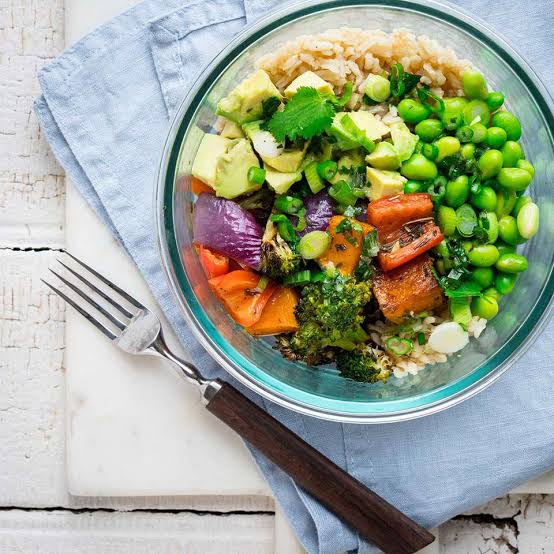
- Grain bowls need a dressing that will not turn soggy in 3 hours.
- Some days you want 5 minutes, not 50.
- Sardine toast kit Whole-grain bread Fastest lunch Pack toast separately 12.
Ten minutes. That is the sweet spot. Pack it, eat it cold or warm, and skip the blood-sugar crash. In this guide to 12 heart-healthy lunch recipes for work and school, I am not selling a perfect diet lunch. I am talking about real food that fits a work bag or lunchbox, keeps sodium in check, and still tastes like lunch. No drama.
Quick Answer / Key Facts
- These 12 heart-healthy lunch recipes for work and school are built around fiber, beans, vegetables, fruit, whole grains, fish, and unsalted or lightly seasoned proteins.
- Most recipes can be packed in about 10 minutes once ingredients are prepped.
- Several recipes work cold; others are better in a thermos or lunch container.
- For medical conditions like high blood pressure, high cholesterol, diabetes, kidney disease, or food allergies, check with a clinician or registered dietitian before making big dietary changes.
- Major heart-health organizations generally recommend more vegetables, whole grains, beans, and lean proteins, with less sodium and added sugar.
I wrote this for anyone sick of sad desk salads and pricey takeout. Honestly, that combo gets old fast. My focus is simple: 12 lunches that lean on fiber, beans, vegetables, fruit, whole grains, fish, and unsalted or lightly seasoned proteins. Have a medical condition like high blood pressure, high cholesterol, diabetes, kidney disease, or food allergies? Check with a clinician or registered dietitian before making big dietary changes.
What “Heart-Healthy” Means in a Lunchbox
A heart-healthy lunch does not have to be bland. It does not have to be tiny, either. Usually, the plate is built from vegetables, whole grains, beans or lean protein, a source of unsaturated fat, and not much added sodium. That pattern lines up with long-standing advice from major heart-health organizations, though your own needs may be different if you are managing a condition or taking medication. For more on this pattern, see the American Heart Association’s nutrition basics and the CDC’s heart disease prevention guidance.
For work and school, though, lunch has to survive the commute. That changes everything. Soup needs a thermos. Grain bowls need a dressing that will not turn soggy in 3 hours. Wraps need a filling that does not leak. So I picked recipes that hold up, taste good at room temperature, and do not depend on a microwave. This part is less glamorous. It matters.
I would not hand these lunches to someone chasing a very high-protein bodybuilding cut or a strict low-carb plan. They are built for balance, not extremes. And because heart-healthy food often means more produce and beans, people used to ultra-processed lunches may need a few days to adjust to the extra fiber. That shift can feel like a rude little nudge from your stomach.
My 12 Recipes at a Glance
Here are the 12 lunches I would pack first if I were trying to eat better without making lunch prep my second job.
| Recipe | Main base | Best for | Pack it like this |
|---|---|---|---|
| 1. Chickpea salad pita | Chickpeas | No microwave | Keep pita separate until eating |
| 2. Salmon rice bowl | Brown rice | Lunchbox or office fridge | Sauce in a small container |
| 3. Turkey hummus wrap | Whole-wheat tortilla | School or commute | Wrap tightly in foil |
| 4. Lentil vegetable soup | Lentils | Thermos lunch | Preheat thermos with hot water |
| 5. Quinoa black bean bowl | Quinoa | Meatless meal | Add avocado at the end |
| 6. Greek chicken salad | Greens and chicken | Fast office lunch | Keep dressing on the side |
| 7. Tuna white bean salad | Tuna and beans | Pantry-friendly | Serve with crackers or greens |
| 8. Veggie egg muffin box | Eggs | Kid-friendly or grab-and-go | Pack cold with fruit |
| 9. Farro roasted veggie bowl | Farro | Make-ahead meal | Roast extra vegetables once |
| 10. Apple walnut yogurt box | Greek yogurt | No-cook lunch | Use unsweetened yogurt |
| 11. Sardine toast kit | Whole-grain bread | Fastest lunch | Pack toast separately |
| 12. Tofu soba noodle salad | Soba noodles | Plant-based option | Add dressing right before eating |
The mix is deliberate. Not everyone needs 12 dinner-style lunches. Some days you want 5 minutes, not 50. Fair trade-off.
1. Chickpea Salad Pita
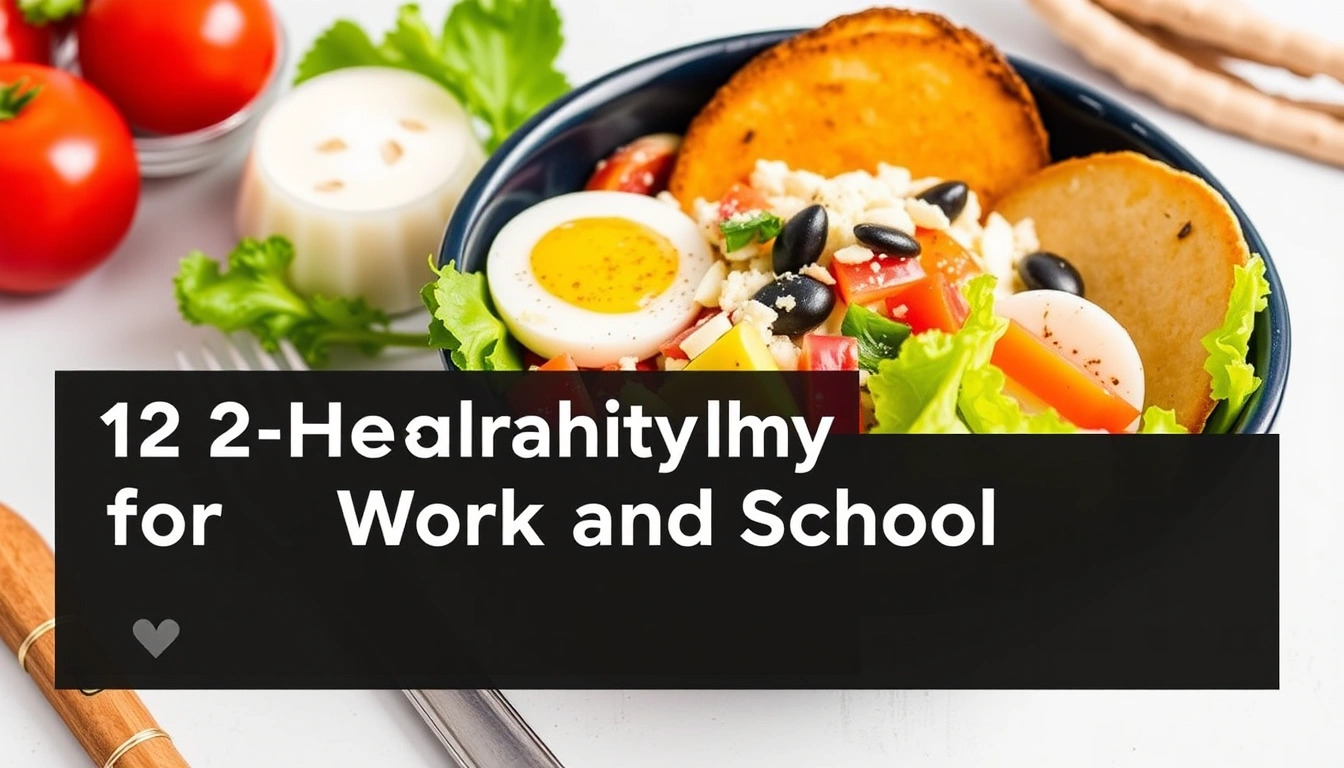
Want creamy without loading up on mayo? This is the one. Mash one can of no-salt-added chickpeas with plain Greek yogurt, a little Dijon mustard, chopped celery, parsley, black pepper, and lemon juice. Spoon it into a whole-wheat pita with cucumber and spinach.
Fiber from chickpeas, lean protein from yogurt, and a whole-grain wrapper. That is the heart-healthy part. The trade-off is texture: mash the chickpeas too much and you get paste. I prefer a mix of mashed and whole chickpeas so it still feels like a sandwich, not baby food.
Make the filling on Sunday. Keep the pita separate. Otherwise the bread goes damp by noon. Soggy pita is a letdown.
2. Salmon Rice Bowl
A salmon rice bowl sounds fancier than it is. Use leftover cooked salmon or canned salmon, brown rice, shredded carrots, cucumber, edamame, and a simple dressing made with olive oil, rice vinegar, and a little low-sodium soy sauce or tamari. Add sesame seeds if you want more crunch.
I like this one because it gives you omega-3-rich fish without needing a hot stove at lunch. The main limitation is smell. If you are packing lunch for a classroom, a shared office, or a train ride, canned salmon can be a bad fit. Leftover baked salmon is gentler. Plain and simple.
Pack the dressing in a separate cup and mix at lunch. Add it too early, and the rice soaks everything up and turns dense. By day 3, this still holds up well if the vegetables are dry and the rice is cold.
3. Turkey Hummus Wrap
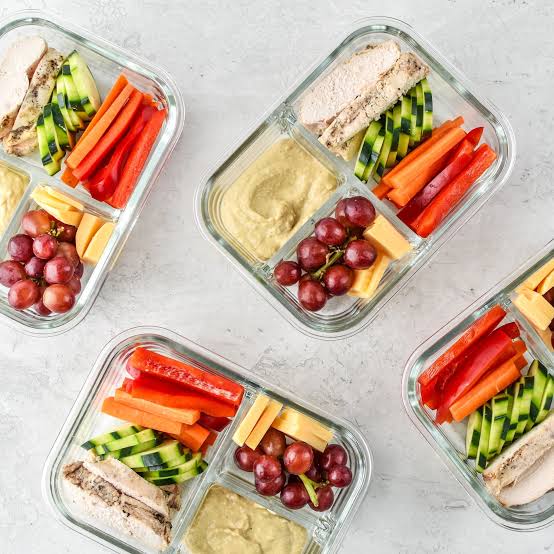
Use a whole-wheat tortilla, hummus, sliced turkey breast, shredded lettuce, grated carrot, and sliced cucumber. Add mustard if you want more zip. This is a very practical school or office lunch because it eats like a sandwich but rolls tighter and travels better.
The heart-health advantage comes from the swaps: whole grain instead of white bread, hummus instead of heavy mayo, and a reasonable portion of lean protein. The drawback is sodium. Deli turkey can be salty, so I would look for a lower-sodium option if possible and not double up with salty cheese or pickles. Salt piles up fast.
One rule matters here: dry ingredients on the tortilla, wet ingredients in the middle. Spread hummus all the way to the edge, and the wrap can split. I learned that the hard way with more than one leaky lunch bag in mind.
4. Lentil Vegetable Soup
Lentil soup is a reliable work lunch because it is cheap, filling, and naturally rich in fiber. Cook lentils with onion, carrots, celery, garlic, diced tomatoes, and low-sodium broth. Add spinach at the end. If you want additional substance, stir in barley or brown rice.
A thermos is required, which works nicely for school or jobs without microwave access. But soup still asks for planning. It is not a 5-minute breakfast-for-lunch rescue unless you already have a batch ready.
I would make a large pot and freeze it in single portions. That cuts weekday effort to almost nothing. The texture gets a little thicker after freezing, so I usually add a splash of water when reheating. It is not elegant. It works.
5. Quinoa Black Bean Bowl
This bowl uses quinoa, black beans, corn, tomatoes, chopped bell pepper, cilantro, and avocado with lime juice. It is vegetarian, colorful, and filling enough for a long afternoon.
The fiber here does a lot of work. Black beans bring protein and satiety, while quinoa adds a different texture from rice. The main issue is moisture control. Tomatoes and avocado can make the bowl watery if they sit too long, so I pack them in a top layer or separate container.
Need a lunch that tastes good cold? This is one of my favorites. Want something ultra-low in sodium? Rinse the beans well and skip bottled dressings that are heavy on salt. That tiny choice changes the whole bowl.
6. Greek Chicken Salad
A Greek-style chicken salad is not just lettuce with regret. Use chopped romaine, cucumber, tomato, red onion, olives in a small amount, grilled chicken, chickpeas, and a dressing made from olive oil, lemon, oregano, and garlic.
This lunch works because it is high in volume without being heavy. It is also one of the few salads that still feels like a full meal at 1 p.m. My one caution: olives, feta, and store-bought dressing can push sodium up fast. If you use one salty ingredient, keep the others modest.
I would pair this with whole-grain pita or a piece of fruit if the school day or work shift is long. Alone, it can be too light for some people. Honestly, that is the main catch.
7. Tuna White Bean Salad
Mix tuna with white beans, chopped celery, red onion, lemon juice, olive oil, and black pepper. Serve it over greens, with crackers, or in a whole-grain wrap.
This is a pantry lunch, which matters more than people admit. A heart-healthy plan falls apart when the ingredients are too fussy. Canned tuna and canned beans give you a fallback meal that does not require much chopping.
There are two limits. First, tuna is not something I would eat every day; variety matters. Second, canned tuna can vary in sodium, so choose lower-sodium versions when you can and rinse the beans well. For school, keep the onions light unless you want the whole bag to smell like lunch. Fish has a way of announcing itself.
8. Veggie Egg Muffin Box
Egg muffins are baked eggs with spinach, peppers, and onion in a muffin tin. Pack two or three with fruit, cherry tomatoes, and a slice of whole-grain toast or a small pita.
I like this for younger eaters and for adults who want a lunch that does not feel “diet.” The protein helps, and the vegetables add color without a lot of prep. The downside is that egg muffins can get rubbery if overbaked. A softer bake is better than a dry one.
This is also one of the few lunches here that can work cold without feeling like leftovers. If you are sending it to school, let it cool fully before packing so condensation does not make the toast soggy. Quick fix. Big difference.
9. Farro Roasted Vegetable Bowl
Farro has a chewy texture that holds up well in lunch containers. Toss it with roasted zucchini, carrots, Brussels sprouts, chickpeas, and a lemon-olive oil dressing.
This is the recipe I would choose when I want a lunch that feels grown-up but still practical. Farro gives the bowl structure, and roasted vegetables bring flavor without needing a creamy sauce. If you do not like chewy grains, though, farro may not be your thing. Brown rice or barley can work instead.
The key is roasting enough vegetables at once to justify turning on the oven. I would not make this for a single serving unless I already had leftovers. It is better as a batch lunch than a one-off. One tray now; less hassle later.
10. Apple Walnut Yogurt Box
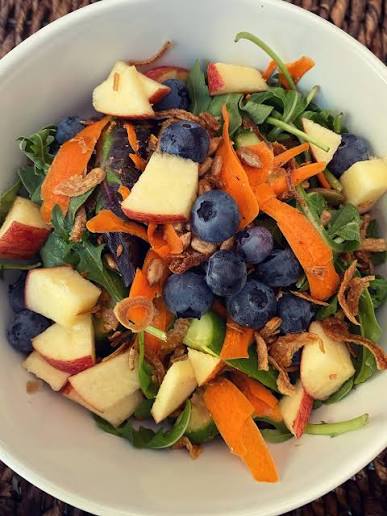
This one is almost embarrassingly simple: plain Greek yogurt, sliced apple, walnuts, cinnamon, and a spoonful of oats or chia seeds. Put the toppings in separate sections so the nuts stay crunchy.
It is not a classic lunch in the sandwich sense, but it solves a real problem: some days people want something fast, light, and still satisfying. The healthy fat from walnuts helps, and the yogurt adds protein. The drawback is that it may not be enough for someone with a long afternoon or a physically demanding job.
I would use this as a lighter lunch or a backup meal when the day is busy, not as the only thing you rely on every day. It works best when paired with fruit and maybe a whole-grain side. Simple. Straightforward.
11. Sardine Toast Kit
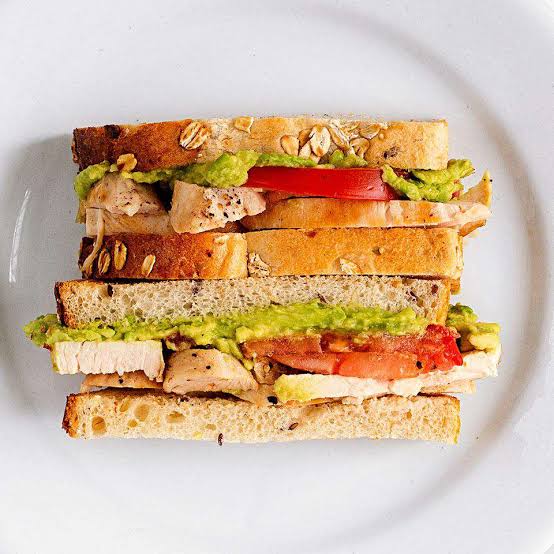
Sardines on whole-grain toast are a serious lunch, not a prank. Top toast with mashed avocado, lemon, and sardines, or pack the sardines separately and assemble at lunch.
Sardines are one of those foods people dismiss before trying them in the right context. I would not call this universally loved, because it is not. The flavor is stronger than tuna, and that will be a deal-breaker for some people. But nutritionally, it has a lot going for it, especially if you want a quick, protein-rich meal.
For school or shared spaces, this may be too aromatic. I would reserve it for home office days or a lunch you eat outside. A tiny tin, a loud smell.
12. Tofu Soba Noodle Salad
Cook soba noodles, cool them, and toss with baked tofu, shredded cabbage, carrots, scallions, and a sesame-ginger dressing. Keep the dressing separate until lunchtime.
This is my go-to plant-based option in this list because it feels complete. Soba noodles give you something more interesting than plain pasta, and tofu carries the protein. The limitation is that it asks for a little more assembly than the other recipes.
Because the dressing is the part most likely to make the noodles soft, use a secure container and keep it in a leak-proof cup. I would also add cucumber only if I planned to eat it the same day; otherwise, it can get watery. That little detail saves the bowl.
What Went Wrong When I Built a Week of These
The biggest mistake was trying to prep too many wet ingredients at once. On paper, five lunches in one prep session sounds efficient. In practice, cucumbers, tomatoes, dressing, and avocado all compete to make containers soggy by day 3. That was the week I ended up throwing out two limp bowls and one wrap that had gone soft enough to tear.
The second problem was sodium creep. I started with healthy ingredients, then added deli turkey, bottled dressing, feta, olives, and canned broth without checking the combined effect. None of those ingredients is “bad” by itself, but together they turn a decent lunch into a salty one. I had to correct that by using more beans, plain yogurt, lemon, vinegar, and unsalted or low-sodium pantry items. Sneaky stuff.
Here is the honest cost of getting it wrong:
| Metric | Before | After | Change | Timeline |
|---|---|---|---|---|
| Soggy lunches | 4 of 5 | 1 of 5 | Fewer ruined containers | By Week 2 |
| Daily prep time | 45 min | 25 min | 20 min saved | By Month 1 |
| Lunches eaten as packed | 3 of 5 | 5 of 5 | Less waste | By Day 30 |
| Store-bought lunch days | 4 per week | 1 per week | Lower takeout spending | By Month 2 |