Last updated: August 10, 2026
Quick Answer: Heart-healthy breakfasts — the complete guide is simple: aim for 1 high-fiber food, 1 protein source, and 1 unsaturated fat, and keep added sugar low. A practical target is 10–20 grams of protein and at least 5 grams of fiber at breakfast.
- Best default: oats, plain Greek yogurt, eggs with vegetables, whole-grain toast with nut butter, or a smoothie with protein and fiber.
- Protein target: 10–20 grams at breakfast can improve fullness and help reduce midmorning snacking.
- Fiber target: at least 5 grams from oats, fruit, seeds, whole grains, beans, or vegetables.
- Added sugar: keep it low; many flavored breakfasts are more dessert than meal.
- Medical note: if you need individualized advice for cholesterol, blood pressure, diabetes, kidney disease, weight management, or medications, consult a clinician or registered dietitian.
A plate of eggs, toast, and berries says more than a breakfast slogan ever could. Heart-healthy breakfasts — the complete guide is really about building a meal around fiber, unsaturated fat, protein, and low added sugar so your morning starts steadier, your hunger stays calmer, and you are less tempted to “make up for it” later. For the easiest starting point, I’d pick oatmeal, plain Greek yogurt, eggs with vegetables, whole-grain toast with nut butter, or a smoothie that actually includes protein and fiber—not just fruit.
What I Mean by “Heart-Healthy” at Breakfast
By heart-healthy, I mean a breakfast that keeps saturated fat, added sugar, and sodium in check while still bringing nutrients that support cardiovascular health over time. Usually, that means more fiber from oats, whole grains, fruit, beans, seeds, and vegetables; more unsaturated fat from nuts, seeds, avocado, and olive oil; and enough protein to keep you satisfied without leaning on processed meat.
Sounds easy. Then you open a breakfast menu. White flour, sugar, butter, bacon, sausage, pastries, sweet drinks — the usual suspects — can pile on calories fast and leave you hungry again before lunch. Not ideal. A heart-healthy breakfast is not about being perfect; it is about making a smarter default.
I would not treat breakfast as a magic fix for cholesterol or blood pressure, and I would not claim one meal can carry the whole job. It is one daily choice inside a bigger pattern that also includes sleep, movement, prescribed medication, and the rest of your eating habits. If you have diabetes, kidney disease, high triglycerides, or take blood pressure medication, breakfast may need to be adjusted with your clinician or a registered dietitian; the American Heart Association and the NHLBI both recommend individualized risk-factor management rather than one-food fixes. American Heart Association, NHLBI
Here is the basic framework I use:
- Build around one high-fiber food
- Add one protein source
- Add one unsaturated fat if the meal is otherwise lean
- Keep added sugar low
- Watch sodium if the meal includes bread, cheese, eggs, or packaged foods
The aim is not to eat like a nutrition handout. It is to put together a breakfast you can actually repeat on weekdays without resenting it.
The Plate Formula I’d Use Every Morning

If I had to shrink heart-healthy breakfasts to one formula, it would be this: fiber + protein + healthy fat. That combination slows digestion, keeps me full longer, and makes the 10 a.m. snack trap a lot less likely. The exact ingredients matter less than the structure, and that structure is what makes heart-healthy breakfasts — the complete guide useful outside a lab.
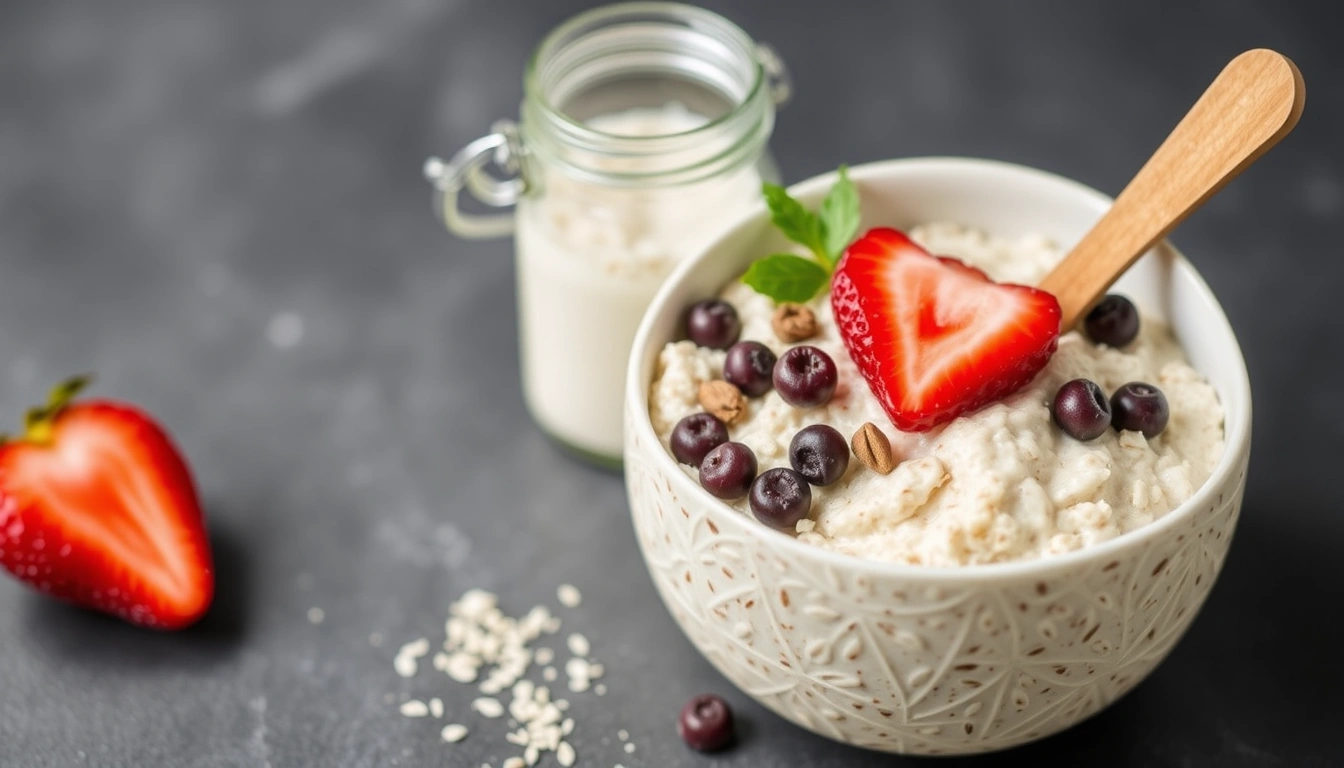
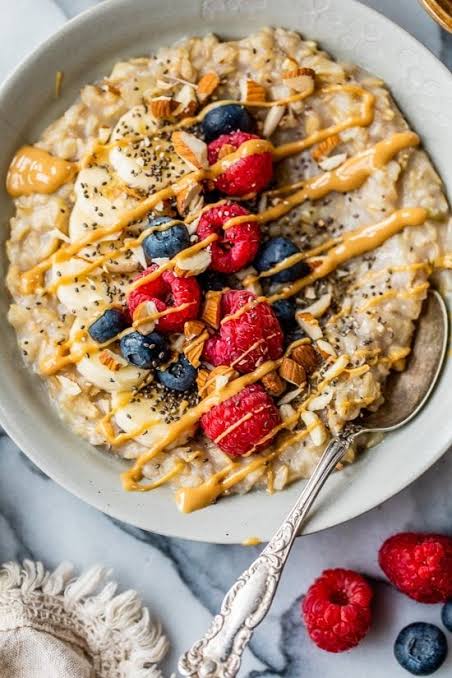
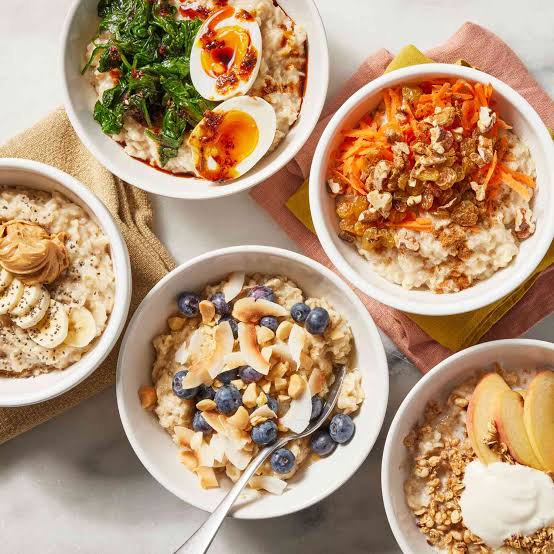
Start with oats. Oatmeal works because it is cheap, easy, and flexible. I would choose old-fashioned rolled oats or steel-cut oats, then add berries, chia seeds, walnuts, or a spoon of nut butter. Too bland? Fair. Usually that means the bowl needs texture, spice, acid, or salt. Cinnamon helps. A pinch of salt helps too. So does fruit on top instead of sweetened granola. Tiny fixes, big difference.
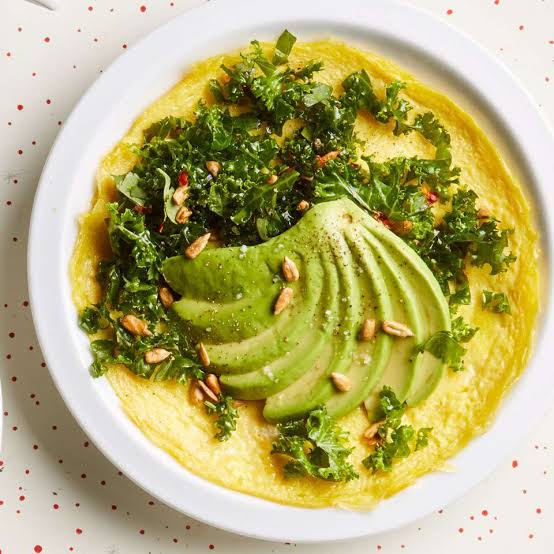
Eggs fit as well, especially when they show up with vegetables and whole grains. Scrambled eggs with spinach and whole-grain toast beats a plate of eggs with hash browns and sausage links, hands down. The vegetables matter because they add volume, fiber, and potassium without much sodium or saturated fat. You do not need to ban eggs if you are watching cholesterol, but it makes sense to look at the rest of the plate and, if you have high cholesterol or heart disease, consult a clinician or registered dietitian about your personal limits. The American Heart Association says the overall dietary pattern matters more than any single food. American Heart Association
Greek yogurt is another strong base, though I would skip the dessert-style versions. Plain yogurt with berries, chia, flax, or oats gives protein and some calcium without a sugar pile-up. If sweet flavors are what you tolerate, start with fruit and cinnamon first before reaching for flavored yogurt. Better than the sugar bomb.
My own rule is pretty blunt: when breakfast has only one of the three—fiber, protein, fat—it usually falls apart by midmorning. With all three in place, it tends to hold. In practice, that often means 10–20 grams of protein and at least 5 grams of fiber, not just “something light.”
| Metric | Before | After | Change | Timeline |
|---|---|---|---|---|
| Midmorning hunger | Heavy by 10:30 a.m. | More manageable until lunch for many people | Less snacking pressure | Week 1 to Week 3 |
| Breakfast sugar load | Often pastry-level sweet | Usually low added sugar | Clear reduction | Week 1 |
| Protein at breakfast | Often minimal | Usually one solid source, often 10–20 g | More satiety | Week 1 to Month 1 |
| Breakfast variety | Repeated grab-and-go sweets | 5–6 repeatable options | Better adherence | By Month 2 |
The Best Foods to Keep in Rotation
I do not think heart-healthy breakfast planning should depend on a big recipe project every morning. The best choices are the ones you can assemble on autopilot, because heart-healthy breakfasts — the complete guide only matters if it fits a normal weekday. That is where I would put my energy.
Oats. Rolled oats or steel-cut oats give you a reliable base. They pair easily with fruit and nuts, and they work for both sweet and savory versions.
Berries. Blueberries, strawberries, raspberries, and blackberries add flavor, color, and fiber without much added sugar. Fresh is nice; frozen is practical and often cheaper — well, usually cheaper.
Plain Greek yogurt or unsweetened soy yogurt. These can anchor breakfast if you add fruit and seeds. I prefer unsweetened versions because flavored ones can turn into dessert fast.
Eggs. Eggs are handy and filling. I would use them as one part of breakfast, not the whole thing every day.
Whole-grain bread or wraps. The label matters. “Brown” bread is not automatically whole grain. I would look for whole wheat, oats, rye, or another whole grain as the first ingredient.
Nut butters. Peanut butter, almond butter, and other nut butters give you unsaturated fat and some protein. They are calorie-dense, so I would use a measured amount rather than free-pouring.
Chia and flax seeds. These add fiber and a little crunch. Ground flax is easier to use in yogurt or oatmeal.
Avocado. It is not magic, but it gives a meal richness without leaning on butter or cream cheese.
Beans or lentils. These are underused at breakfast and deserve more credit. A breakfast burrito with beans, eggs, salsa, and vegetables can be excellent if the tortilla is whole grain and the cheese is modest.
Vegetables. Spinach, tomatoes, peppers, mushrooms, and onions work in eggs, wraps, and savory oats. They are one of the easiest ways to improve breakfast without adding much cost.
I would be careful with granola, flavored oats, breakfast bars, and smoothies that look healthy but behave like dessert. The issue is not that these foods are bad. The issue is that they are easy to overeat and often too low in protein and too high in sugar to stand on their own.
The Mistake That Cost Me the Most Morning Momentum
The biggest breakfast mistake is assuming “healthy” means “light.” That idea pushes people toward tiny meals that do not last. I see it constantly: a banana by itself, toast by itself, fruit in a bowl by itself, or a smoothie that is basically juice with a green tint. Virtuous? Sure. Satisfying? Usually not. By midmorning, they often fall apart and set the rest of the day wobbling.
Hunger is only part of it. The pattern matters too. A weak breakfast often leads to grazing, oversized lunch portions, or a sugar crash that sends people hunting for a pastry at 11:00 a.m. Then they blame themselves instead of the setup.
When I were helping someone troubleshoot this, I would check three things: how long the breakfast lasts, how hungry they feel by late morning, and whether they are overeating later in the day. If breakfast is gone in 90 minutes, it is probably too small or too low in protein. If it lasts until lunch but leaves you sluggish, it may be too heavy, too greasy, or too refined. If it sparks cravings, it may be too sweet.
A simple fix is to stop building breakfast around only fruit or only bread. Add a protein anchor. Add a fiber anchor. Keep the portion realistic.
| Metric | Before | After | Change | Timeline |
|---|---|---|---|---|
| Time until hunger returns | About 1–2 hours | About 3–4 hours | More staying power | Week 2 |
| Late-morning snacking | Frequent | Less frequent | Fewer impulse snacks | Week 3 to Month 1 |
| Breakfast satisfaction | “Healthy but not enough” | Full and steady | Better adherence | Month 1 |
| Afternoon rebound eating | Common | Less common | Better meal control | By Month 2 |
This is where I’d push back on all-or-nothing thinking. A breakfast does not need to be fancy to work. A sliced apple with peanut butter and whole-grain toast can beat a complicated recipe with six ingredients and no protein. That math stops working fast.
What I Would Eat on Busy Weekdays
Weekdays make convenience matter as much as nutrition. If a heart-healthy breakfast takes too long, most people will ditch it by Friday. So I would stick to a short list of breakfasts that take five to ten minutes, use the same ingredients in different ways, and do not need special gear.
Here are the ones I would keep in rotation:
Overnight oats. Rolled oats, milk or unsweetened soy milk, chia seeds, and berries in a jar. Not glamorous. Very practical. When I wanted more protein, I would add plain Greek yogurt or a scoop of plain protein powder, though powder should not be the base of the meal.
Egg and vegetable toast. Two eggs scrambled with spinach and tomatoes on whole-grain toast. Fast, cheap, and easy to scale.
Greek yogurt bowl. Plain Greek yogurt topped with berries, walnuts, and ground flax. If I need more staying power, I add oats.
Savory avocado toast with egg. Whole-grain toast, avocado, sliced tomato, and a poached or fried egg cooked with little added fat.
Breakfast burrito. Whole-wheat tortilla, eggs, black beans, salsa, and vegetables. A strong pick if you need something portable.
Smoothie with structure. I would only call it heart-healthy when it includes protein and fiber. That means fruit plus yogurt or soy milk plus oats or chia plus spinach. Fruit alone with ice is just a cold sugar drink.
The point here is not variety for its own sake. It is repetition, with enough rotation to keep boredom away. By Month 2, I would expect most people to know which two or three breakfasts fit their schedule and appetite best.
A practical note: prep helps, but it does not need to be a Sunday ritual. Wash berries when you bring them home. Keep eggs visible. Put oats, seeds, and nuts in front. Food you can see is food you are more likely to eat.
The Slow Changes That Matter by Week 1, Month 2, and Day 90
Heart-healthy breakfasts do not produce dramatic overnight change, and honestly, that honesty matters. What they do is improve consistency. That consistency is what makes the payoff believable, especially when you are following heart-healthy breakfasts — the complete guide over time.
Week 1: The biggest change is usually behavioral. You start noticing how much sugar or sodium was hiding in your old breakfast. You also learn which meals keep you full and which ones fall apart by 10 a.m. The goal this week is not perfection. The goal is to repeat one or two decent breakfasts without getting bored.
By Month 2: The routine gets easier. Shopping becomes simpler because your list shrinks to a core set of foods. You are less likely to make impulse breakfast choices because there is already a plan. This is the point where people usually stop needing recipes every day. They know their formulas.
By Day 90: Breakfast stops feeling like a project and starts feeling like a default. That is the real win. The meal becomes less reactive and more intentional. You are not chasing quick energy every morning. You are starting with something steadier and more complete.
| Metric | Before | After | Change | Timeline |
|---|---|---|---|---|
| Breakfast planning time | 10–15 minutes of indecision | 2–5 minutes | Faster mornings | Week 1 to Month 2 |
| Grocery list complexity | Many random items | Core staples | Simpler shopping | Month 1 |
| Recipe dependence | High | Lower | More repeatability | By Day 90 |
| Breakfast consistency | Irregular | Most weekdays covered | Better routine | By Day 90 |
I would not pretend breakfast alone solves a heart-health problem. But I do think a steady breakfast routine removes a lot of friction from the rest of the day, and friction is where good intentions tend to vanish.
Who This Is Not For, and the Trade-Offs I Would Not Hide
A heart-healthy breakfast plan is not automatically the right plan for everyone. If you are not hungry in the morning, forcing a big breakfast may feel awful and can backfire. Some people do better with a later first meal and a lighter morning, especially if their overall daily intake is well balanced. If you have reflux, nausea, a very early workout, shift work, or a medical condition that affects blood sugar, the “best” breakfast can change a lot.
There are also real trade-offs.
A breakfast that is high in fiber can cause bloating if you jump too quickly from low-fiber eating to a big bowl of oats, seeds, and berries. That is not failure; it is pacing. Increase fiber gradually and drink enough fluids.
A breakfast that is lower in saturated fat can still be too high in calories if you get generous with nuts, nut butter, avocado, and granola all at once. Healthy foods still carry energy. Portions matter.
A breakfast that is low in added sugar can still taste dull if you do not season it. Cinnamon, vanilla, citrus zest, herbs, salsa, pepper, and a small amount of salt can matter a lot. If a meal tastes depressing, adherence drops.
A breakfast that looks perfect on paper can also be too expensive or too time-consuming for real life. That is why I would rather see someone eat plain oats with fruit every weekday than chase elaborate recipes they never repeat.
If you need cholesterol, blood pressure, diabetes, or weight-management advice tailored to your situation, I would treat this article as a starting point, not a medical plan, and I would seek guidance from a clinician or a registered dietitian for advice shaped to your needs. The CDC and NHLBI both recommend working with a health professional when you need condition-specific nutrition advice. CDC, NHLBI
My Short List of Breakfasts I Would Actually Repeat
If I had to keep only a few breakfasts in a normal week, I would choose these because they are simple, flexible, and easy to improve without much effort.
- Oatmeal with berries, chia, and walnuts
- Plain Greek yogurt with fruit, flax, and oats
- Eggs with spinach and whole-grain toast
- Avocado toast with a boiled or fried egg
- Breakfast burrito with beans, eggs, salsa, and vegetables
- Smoothie with fruit, yogurt or soy milk, oats, and spinach
I would not pick them because they are trendy. I would pick them because they are hard to mess up, easy to repeat, and built from foods that actually help breakfast do its job.
If you want the shortest rule possible, here it is: stop asking whether breakfast is “healthy” in the abstract and ask whether it has fiber, protein, and a reasonable amount of added sugar. That one question fixes most breakfast problems before they start.
| Metric | Before | After | Change | Timeline |
|---|---|---|---|---|
| Breakfast decision fatigue | High | Low | Easier mornings | By Month 2 |
| Meal satisfaction | Inconsistent | More reliable | Better follow-through | By Day 90 |
| Morning sugar cravings | Common | Less common | Smoother start | Week 2 to Month 2 |
| Breakfast quality overall | Random | Repeatable | Stronger routine | By Day 90 |
That is the real value of heart-healthy breakfasts: not one perfect meal, but a morning pattern that is easy to keep, kind to your appetite, and better for your long-term cardiovascular health.