Last updated: August 10, 2026
- By Day 10, I was reaching for whatever was loudest, crunchiest, or most available.
- The 2020-2025 Dietary Guidelines for Americans also emphasize limiting added sugars, saturated fat, and sodium; see Dietary Guidelines for Americans .
- What “heart-healthy” actually means in a snack “Heart-healthy” is not a halo on one ingredient.
- The sweets that can actually fit a heart-healthy pattern Sweets are not the enemy.
Quick Answer: For heart-healthy snacks and sweets — complete guide planning, start with 5 core options, 3 sweet defaults, and 1 portion rule: keep snacks around 150 to 250 calories, choose 1 source of fiber plus 1 source of protein or healthy fat, and keep added sugar, saturated fat, and sodium low. Not “never eat sweets.” Just keep added sugar, saturated fat, and sodium low enough that the snack helps your day instead of throwing it off course.
Five basics first. If you want snacks and desserts that fit a heart-healthy pattern, my short answer is this: build them around fiber, unsalted nuts, seeds, fruit, plain dairy or soy, and small portions of dark chocolate or lightly sweetened treats. For the heart-healthy snacks and sweets — complete guide approach, the safest next step is to check portion and ingredient choices with a clinician or registered dietitian if you have diabetes, kidney disease, heart failure, food allergies, or take blood thinners. The goal is not “never eat sweets.” The goal is to keep added sugar, saturated fat, and sodium low enough that the snack helps your day instead of pushing it off course. Practical rule: the American Heart Association recommends limiting added sugars and saturated fat; see American Heart Association on added sugars and American Heart Association on saturated fats.
Years of reading nutrition advice taught me one thing: a snack can sound healthy and still miss the mark. A heart-healthy bite has to do three jobs at once — curb hunger, avoid a blood-sugar spike that sends you back to the kitchen an hour later, and taste good enough that you actually want it. Otherwise, what’s the point? Most generic advice skips that balance. It talks about foods in isolation and shrugs at portions, salt, added sugar, and the way “healthy” snacks can quietly become candy in disguise.
This guide is for the person who wants a snack drawer, lunch box, or dessert plate that supports cholesterol, blood pressure, and weight goals without feeling like punishment. It is not a medical treatment plan. And if you have diabetes, kidney disease, heart failure, food allergies, or you take blood thinners, I would check your choices with a clinician or dietitian before making major changes. The CDC notes that heart disease remains the leading cause of death in the U.S., and small food choices matter over time; see CDC heart disease basics.
What “heart-healthy” actually means in a snack
“Heart-healthy” is not a halo on one ingredient. I mean a small food choice that usually keeps three numbers in a better range: saturated fat, sodium, and added sugar. That frame keeps the conversation honest. A snack can have nuts and still be too salty. Fruit can arrive drenched in syrup. Even something labeled “protein” may behave like dessert. The FDA’s nutrition labels can help you check these numbers quickly; see FDA Nutrition Facts label guide.
To earn a place in a heart-healthy routine, I look for a simple pattern: one source of fiber, one source of protein or healthy fat, and a portion that does not turn into a meal by accident. Apple slices with peanut butter. Plain Greek yogurt with berries. Roasted chickpeas. A small handful of unsalted pistachios. For sweets, I want the same discipline: real flavor, small serving, and ingredients that do not lean hard on cream, butter, or refined sugar.
I also think about what the snack replaces. A handful of salted crackers before dinner is not the same as a snack that keeps you from overeating at dinner. A dessert after a balanced meal is not the same as a dessert that becomes a second meal. That context matters more than most people expect. Tiny choice, big ripple.
| Metric | Before | After | Change | Timeline |
|---|---|---|---|---|
| Snack pattern | Random packaged snacks | Fiber + protein pairings | More filling choices | Week 1 |
| Added sugar exposure | Sweet snacks daily | Sweet snacks in planned portions | Lower daily intake | Month 1 |
| Sodium load | Salty snack foods | Mostly unsalted or lightly salted | Less sodium at snack time | Month 1 |
| Late-night grazing | Frequent | Less frequent | Better portion control | By Day 90 |
The trade-off is plain: the more processed a snack gets, the easier it is to overeat. Not a moral failure. A design problem. Usually, the fix is not more willpower. It is a better default. The 2020-2025 Dietary Guidelines for Americans also emphasize limiting added sugars, saturated fat, and sodium; see Dietary Guidelines for Americans.
The snack formula I trust when I do not want to think too hard
I like a formula because formulas survive busy days. Mine goes like this: produce + protein, or produce + fat, or produce + protein + fat. If the snack has a sweet profile, I want it anchored by something that slows eating. Nuts, yogurt, cottage cheese, chia, flax, or a bean-based dip all work. If the snack is savory, I want one thing that brings fiber and one thing that keeps it satisfying.
For example, here is how that looks in practice:
- Apple + 1 to 2 tablespoons of peanut or almond butter
- Pear + a few walnuts
- Plain Greek yogurt + berries + cinnamon
- Celery + hummus
- Carrots + guacamole
- Whole-grain crackers + tuna or white bean spread
- Air-popped popcorn + a measured sprinkle of Parmesan
- Edamame with a pinch of salt
- Roasted chickpeas
- Oatmeal topped with chia and berries
The difference between a good snack and a disappointing one is often portion size. Not tiny, joyless portions. Just a portion you can finish without drifting into mindless eating. A small bowl, a measured scoop, or a pre-portioned container can matter more than the ingredient list. For a practical benchmark, 1 ounce of nuts is about a small handful, and a cup of air-popped popcorn is a light, low-calorie base.
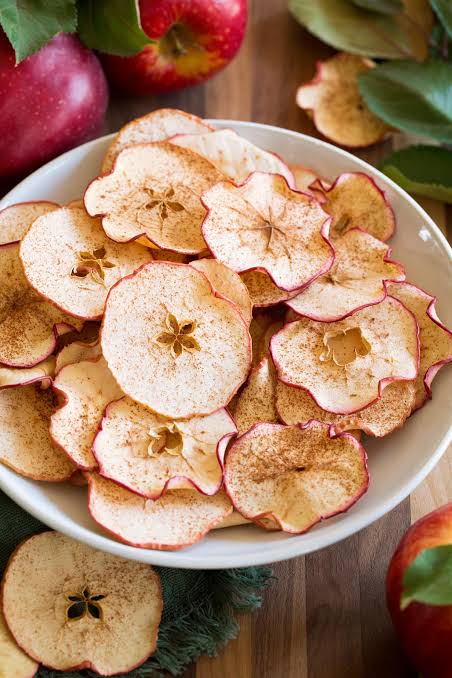
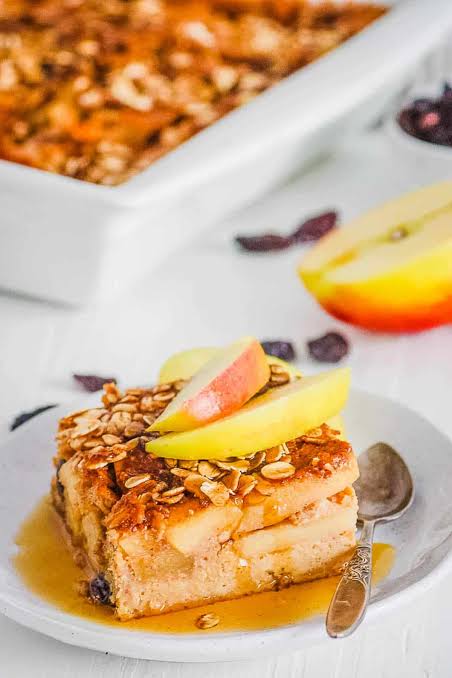
For sweets, I use the same structure. A square or two of dark chocolate with almonds is more satisfying than a whole bar eaten fast. Baked apples with cinnamon feel like dessert but behave more like a balanced snack. Frozen grapes, banana “nice cream” made from blended banana and a spoonful of cocoa, or yogurt-based chia pudding can scratch the sweet itch without turning into a sugar bomb.
The drawback? This approach asks you to prepare food, even a little. If you hate assembly, it can feel annoying. I still think it is worth it because a snack that takes 60 seconds to assemble is easier to live with than a “healthy” packaged snack that leaves you hungry. The American Heart Association has a simple snack-planning framework that matches this idea; see American Heart Association nutrition basics.
The sweets that can actually fit a heart-healthy pattern
Sweets are not the enemy. Usually, the problem is the shape of the sweet: large portion, high added sugar, low fiber, and lots of saturated fat. Pretending dessert does not matter is not the answer. Choosing desserts that have a real place in the day — not a hidden one in the pantry — is.
The most useful heart-healthy sweets are the ones built from foods that already bring something useful to the table. Fruit is the obvious one. Berries, citrus, kiwi, apples, peaches, and pears all work because they bring sweetness with fiber and water. That makes them easier to portion and harder to overdo. Want a more dessert-like feel? Pair fruit with plain yogurt, ricotta, cottage cheese, or a small amount of nuts.
Chocolate can fit too, but I would treat it like a garnish, not a base. For a safer heart-healthy snacks and sweets — complete guide approach, I would keep chocolate portions small and ask a clinician or dietitian if you are limiting sugar, calories, or saturated fat for medical reasons. A small portion of dark chocolate with nuts or fruit usually makes more sense than a large chocolate dessert built from cream and sugar. Baked pears with walnuts, strawberries with balsamic, and oatmeal with cinnamon and chopped dates are all examples of sweets that still behave like food.
I also pay attention to sweetness escalation. Once a person gets used to very sweet foods, lightly sweet foods can taste “bland” for a while. That is normal. It does not mean the healthier option failed. It means the palate is adjusting. In my view, that adjustment is part of the win.
| Metric | Before | After | Change | Timeline |
|---|---|---|---|---|
| Dessert portion | Large nightly dessert | Small planned sweet serving | Portion control | Week 2 |
| Fruit intake | Occasional | Daily | More naturally sweet options | Month 1 |
| Cravings after dinner | Frequent | Less frequent | Better satiety | Month 2 |
| Grocery dessert spend | Scattered impulse buys | Planned ingredients | Fewer random purchases | By Day 90 |
The limitation is honesty: a heart-healthy sweet is still a sweet. If you use “healthy” as a reason to double the portion, the label stops helping. The best sweet is the one you enjoy in a realistic amount and do not need to negotiate with later. In practice, that usually means one planned portion, not a vague “some dessert.”
What went wrong when I tried to make everything “healthy”

This is the section most articles skip, and it is the one that tells you the truth.
My biggest mistake was assuming that any snack made from wholesome ingredients would work automatically. It did not. The first time I built out a “heart-healthy” snack routine, I overcorrected in three directions at once: too little salt, too little flavor, and too much optimism about my patience. I stocked plain nuts, plain yogurt, plain oats, plain everything. By Week 1, the plan looked admirable. By Day 10, I was reaching for whatever was loudest, crunchiest, or most available.
The trouble was not the foods. It was the design. I had stripped out enough pleasure that the snacks felt like homework. I also underestimated how fast “healthy” calories can pile up. Nuts are heart-friendly, but a loose pour turns into a very different snack than a measured handful. Nut butter is useful, but a casual spoonful becomes three. Dried fruit is convenient, yet it is easy to eat more than you meant to because the water is gone and the sugar is concentrated.
Another miss: I treated sodium like a footnote. I kept a stash of roasted snack mixes and flavored crackers that looked reasonable on the front of the package. For heart-healthy snacks and sweets — complete guide planning, that was not a good idea, and if you have high blood pressure or a sodium limit, a clinician or dietitian can help you set a safer target. The result was a snack pattern that felt clean but tasted aggressively salty. That matters if blood pressure is part of the picture. It also matters for taste. Food that is too salty pushes you toward more salty food. Salt begets salt.
| Metric | Before | After | Change | Timeline |
|---|---|---|---|---|
| Snack satisfaction | Low | Higher after redesign | Better adherence | Month 1 to Month 2 |
| Unplanned salty snacks | Frequent | Less frequent | Fewer impulse grabs | Month 2 |
| Portion drift | Common | Reduced with pre-portioning | Better control | By Day 60 |
| Pantry waste | Higher | Lower | Less thrown-out “healthy” food | By Day 90 |
What did this cost? Time, money, and momentum. I ended up tossing foods I bought in bulk because I had chosen them for virtue, not for real use. Common mistake. A heart-healthy snack plan has to be enjoyable enough that you repeat it. If it is not repeatable, it is decorative.
The fix was to include 1 or 2 foods in every snack that I genuinely wanted to eat, then measure the rest. That changed everything. The CDC’s practical nutrition guidance also favors sustainable, repeatable changes over extremes; see CDC healthy eating basics.
The one change that made the biggest difference
The biggest improvement came from pre-portioning and pairing. I know that sounds unglamorous, but it changed the entire system. Instead of treating snack food as something I would “manage” by instinct, I made the portion visible before I was hungry. Small containers. Snack bags. A bowl instead of a box. A plate instead of standing at the pantry. For a heart-healthy snacks and sweets — complete guide routine, that is one of the most reliable ways to reduce accidental overeating, and it is worth reviewing with a registered dietitian if portions are hard to judge.
I also made the pairings deliberate. If I wanted something sweet, I did not let it arrive alone. Fruit with nuts. Yogurt with berries. Chocolate with almonds. If I wanted something savory, I paired hummus with vegetables or whole-grain crackers with beans or tuna. That small structure reduced the odds of chasing a snack with another snack.
By Month 2, the difference was easy to see in daily behavior, even without dramatic lifestyle drama. I spent less time deciding what to eat. I had fewer “I need something right now” moments. The snack stopped being a loophole and started being part of the day.
I would also call out one practical tool: a digital kitchen scale can help if portion creep is a problem. It is not necessary for everyone, but it is useful when your eyes lie to you about nuts, cereal, granola, or trail mix. I would use it as a training tool, not a life sentence. Once you learn what a portion looks like, you can stop weighing every bite.
| Metric | Before | After | Change | Timeline |
|---|---|---|---|---|
| Decision time for snacks | Long | Short | Less friction | Week 3 |
| Portion accuracy | Inconsistent | More consistent | Better control | Month 2 |
| Evening grazing | Common | Less common | Better routine | By Day 90 |
| Snack enjoyment | Mixed | Better | More repeatable | By Day 90 |
The trade-off is that pre-portioning takes a few minutes on a good day. I still think it pays for itself because it saves you from dozens of small decisions later, and those are the decisions that usually go wrong. Compared with instinct, a measured default is easier to repeat.
A week of heart-healthy snacks and sweets that actually feels normal
A good snack plan should look like real life, not a recipe blog. This is the kind of week I would build if I wanted heart-healthy snacks and sweets without turning my kitchen into a project.
Week 1
– Monday: Apple slices + peanut butter
– Tuesday: Plain Greek yogurt + blueberries + cinnamon
– Wednesday: Roasted chickpeas + a mandarin orange
– Thursday: Carrots + hummus
– Friday: Two squares of dark chocolate + almonds
– Saturday: Air-popped popcorn + a little Parmesan
– Sunday: Baked pear + walnuts
Month 2
By Month 2, I would expect the plan to feel less mechanical. I would rotate flavors rather than chase novelty. One week might lean on berries and yogurt. Another might lean on apples, citrus, and nuts. Savory snacks would shift between hummus, edamame, beans, tuna, and whole-grain crackers. Sweets would stay small but deliberate: fruit with a creamy base, dark chocolate with nuts, or a lightly sweet baked fruit dessert.
By Day 90
The goal by Day 90 is not perfection. It is that the default choices are easier than the poor ones. At that point, a person should have a short list of snacks they can assemble quickly, know which treats are satisfying in a small portion, and understand which packaged foods are more salt or sugar than they first looked.
I think it helps to keep a simple rotation rather than a huge menu. Too many options can turn healthy eating into a second job. A small, repeatable list wins. And this is where the heart-healthy snacks and sweets — complete guide idea stays useful: the plan only works if it is simple enough to repeat on an ordinary Tuesday.
What to buy, what to skip, and who this is not for
If I were filling a cart for heart-healthy snacks and sweets, I would start with foods that do double duty: fiber plus protein, or fiber plus healthy fat. My shopping list would usually include fruit, plain yogurt or unsweetened soy yogurt, oats, unsalted nuts, seeds, hummus, beans, popcorn kernels, carrots, celery, whole-grain crackers, dark chocolate, cinnamon, and maybe chia or flax if I use them often.
I would be careful with foods that wear a health label but still act like candy or chips. Granola can be fine in a small amount, but many versions are dessert in disguise. Flavored yogurt can be useful, but some cups are closer to pudding than a snack. Trail mix can be smart, but only if you are honest about the candy, chocolate, or salted nuts in it. Veggie chips, rice cakes, and “protein” cookies can also disappoint if you expect them to do the work of a real snack.
This guide is not for someone who wants a miracle food. It is not for anyone expecting one snack to lower cholesterol on its own or cancel out the rest of the diet. It is also not ideal for people who need highly specific sodium, carbohydrate, potassium, or fluid limits without professional guidance. In those cases, the safest move is to ask a clinician or dietitian how to adapt the snack pattern.
| Metric | Before | After | Change | Timeline |
|---|---|---|---|---|
| Packaged snack purchases | Frequent | More selective | Better quality mix | Month 1 |
| Fruit and veggie use | Intermittent | Regular | More volume |