Last updated: August 10, 2026
Quick Answer: 25 heart-healthy snacks kids adults can rotate through this week are the 25 options below, built around fruit, vegetables, whole grains, protein, and unsaturated fat. For a family trying to lower added sugar and sodium, the simplest pattern is usually 1 produce item plus 1 protein or fat. High blood pressure? Allergies? A child with feeding issues? Consult a registered dietitian or clinician before making major changes. Source: American Heart Association.
Key Facts / Key Takeaways
– Heart-healthy snacks usually mean lower added sugar, lower sodium, and more fiber.
– A 200-calorie snack can still leave you hungry if it is mostly refined starch.
– Pairing fruit or vegetables with protein or fat makes snacks more satisfying.
– The goal for kids is steady energy; the goal for adults is also portability and portion control.
– 25 heart-healthy snacks kids adults can use are listed below, with simple swaps that work in real life.
Heart-healthy snacks keep hunger quiet without packing in salt, sugar, or saturated fat. Honestly, that is the whole trick. If I were solving this for a real family, I’d lean on fiber, protein, unsaturated fat, and enough flavor that kids don’t immediately push the plate away. The list below gives you 25 heart-healthy snacks kids adults can use in real routines, plus the trade-offs that matter when you are trying to build a routine instead of a perfect day.
What I Mean by “Heart-Healthy” in a Snack
“Heart-healthy” is not a marketing sticker here. In snack terms, I mean something that usually has less added sugar and sodium, uses mostly unsaturated fats when fat is present, and keeps you full longer than a bag of crackers alone. Because most snack failures are quiet. Small ones. A 200-calorie snack can still leave you hungry 30 minutes later if it is mostly refined starch.
For kids, the aim is not restriction for its own sake. It is a snack that supports steady energy, a decent appetite at meals, and a pattern they can actually repeat. For adults—especially the ones who graze at a desk or in a car—I care just as much about portability and portion control as I do about nutrition.
Here is the basic rule I use: pair a produce item with protein or fat, or pair a whole grain with protein. That simple structure turns a snack into something more satisfying. Plain and simple.
A quick guide to what usually helps
- Fiber from fruit, vegetables, beans, or whole grains
- Protein from yogurt, eggs, hummus, nuts, seeds, or cheese
- Unsaturated fat from nuts, seeds, avocado, olives, or nut butter
- Lower sodium and lower added sugar when possible
What I would not call heart-healthy
- Candy disguised as “snack bars”
- Chips eaten as a meal replacement
- Fruit snacks with little real fruit
- Anything labeled “light” but heavy on sugar or sodium
25 Heart-Healthy Snacks for Kids and Adults
I grouped these into snacks that are easy to pack, easy to assemble, and easy to scale up or down for age and appetite. None of them is magic. The point is consistency, and these 25 heart-healthy snacks kids adults can keep on repeat are meant to be practical.
-
Apple slices with peanut or almond butter
Crisp fruit plus fat and protein. For younger kids, I’d spread the nut butter thinly instead of handing over a thick blob. -
Plain Greek yogurt with berries
Sweet-toothed child? This is a strong swap when you want more protein and less added sugar. Choose plain yogurt and add fruit so you control the sugar. -
Hummus with carrot sticks and cucumber rounds
Cut the vegetables small enough to eat quickly. Big, awkward sticks tend to sit there like dead weight, so keep the pieces easy to grab. -
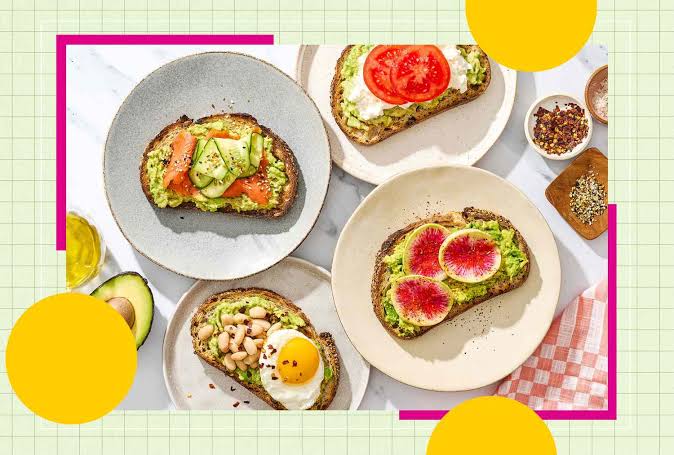
Whole-grain toast with mashed avocado
A little salt or lemon can help. I’d keep portions modest because avocado is nutrient-dense but still calorie-dense. -
A hard-boiled egg with cherry tomatoes
Simple. Portable. Filling. Some kids hate the texture, though, so this one can stay in the “sometimes” category. -
Air-popped popcorn
Light seasoning works best. Butter-laced movie popcorn is a different snack entirely. -
Banana with sunflower seed butter
A useful nut-free option for schools. Soft, sweet, easy for younger children. -
Low-sodium cottage cheese with pineapple or sliced peaches
Protein with a sweet finish. Check the sodium on the label because cottage cheese varies a lot. -
Whole-grain crackers with cheese
A classic for a reason, especially when you need something fast after school or between meetings. Portion creep happens fast, so I’d portion it before anyone starts eating. -
Edamame
Warm or chilled, it gives protein and fiber. Some kids need a few tries before they accept the look of it, but the texture is mild once they do. -
Pear slices with walnuts
Better for adults or older kids who can handle nuts safely. More substantial than fruit alone. -
Celery sticks with cream cheese and raisins
Old-fashioned, yes, but it gives crunch, fat, and a touch of sweetness. I wouldn’t make it a daily default because cream cheese is less nutrient-dense than other options. -
Trail mix made from unsalted nuts, seeds, and a small amount of dried fruit
The ratio matters. If dried fruit takes over, it turns into candy with a health halo. -
Crisp bell pepper strips with guacamole
Bright color helps with kid appeal. Guacamole adds texture and healthy fat. -
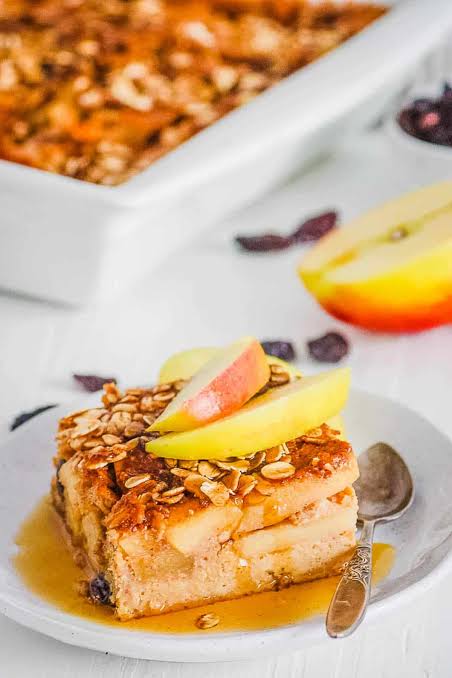
Plain oatmeal with cinnamon and chopped apple
More mini-meal than bite-size snack, but for after-school hunger it works well. It also gives you a whole-grain base, which helps it last longer than plain crackers. -
Rice cake with nut butter and banana slices
Light, quick, and easy to stack. The drawback: it can be too airy for very hungry kids. -
Turkey roll-ups with avocado or cucumber
Use lower-sodium deli turkey when possible. One of the few savory snacks that can travel well. -
Chia pudding made with milk or fortified soy milk
Make it ahead. The texture is not for everyone, but it is filling when chilled. -
Fresh orange segments with a handful of pistachios
Citrus plus crunch is a good contrast, and pistachios bring more staying power than fruit alone. -
Mini whole-grain pita with hummus
Works well for lunchboxes. Some pitas are basically white bread in disguise, so I’d look for whole grain on the label. -
Berries with a few cubes of cheese
Simple, not flashy, and easy to assemble in under 2 minutes. -
Unsweetened applesauce with chia seeds stirred in
This helps make a softer snack feel more satisfying. I’d skip versions with a lot of added sugar. -
Cucumber slices with tzatziki
Cool, crunchy, savory. This is one of the easiest snacks for adults who want something fresh at 3 p.m. -
Small smoothie built from fruit, yogurt, and spinach
I prefer this over juice because it keeps the fiber. The catch is that drinks are easier to overconsume than solid food. -
Roasted chickpeas
Crunchy, portable, and customizable with mild seasoning. They are not ideal for toddlers, but older kids and adults often like them.
Why These Snacks Work
These 25 heart-healthy snacks kids adults can share have the same basic edge: they usually combine fiber, protein, or unsaturated fat, so they are more likely to satisfy hunger than refined snacks alone. That matters for school days, workdays, and long afternoons when a quick bite needs to carry someone for 2 to 4 hours. It also helps reduce the chance of turning a snack into a second meal by accident. Sneaky, really.
How I Built This Into a Real Routine

The snack list only works if the food is actually in the house and easy to grab. My starting point would be to stock 5 produce items, 3 protein items, and 2 crunch items every week. That gives enough combinations to rotate without buying a different snack for every person.
For a family, I’d use a simple prep block once or twice a week:
– Wash fruit and vegetables the day they come home
– Portion nuts, crackers, or trail mix into small containers
– Boil a batch of eggs
– Keep one “dip” option ready, such as hummus, guacamole, or yogurt
– Put the most used snacks at eye level in the fridge
That last step sounds tiny, but it changes behavior. If the snack takes 90 seconds to assemble, people drift back to chips and packaged sweets.
I also would not aim for perfect symmetry between kids and adults. A 6-year-old may need half an apple and a few bites of yogurt. An adult may need apple slices, nut butter, and a second snack later. Same food, different amount; that is normal for 25 heart-healthy snacks kids adults can use across ages.
| Metric | Before | After | Change | Timeline |
|---|---|---|---|---|
| Snack choices in rotation | 4 packaged items | 12 mixed whole-food options | +8 options | Week 1 to Week 3 |
| Afternoon “grab something” moments | Daily chips/cookies | Mostly fruit + protein combos | Clear shift in pattern | Month 1 |
| Time to assemble a snack | 5 to 10 minutes of searching | 2 to 3 minutes from stocked bins | Faster routine | By Day 30 |
| Satisfied between meals | Often hungry again in under an hour | More often comfortable until the next meal | Better staying power | By Month 2 |
| Lunchbox complaints | Frequent “I didn’t like it” feedback | Fewer returns from school | Improvement | By Day 90 |
The Mistake That Usually Breaks the Plan
The biggest mistake is buying snacks that sound healthy but are too inconvenient to eat. I’d put fancy granola bars, whole fruits that bruise easily, and elaborate recipes in that category when the goal is daily use. If a snack needs three steps, a cutting board, and cleanup, it will lose to the easiest thing in the cabinet.
Second mistake? Making everything “healthy” and forgetting taste. Kids notice bland food immediately. Adults do too, though they complain less loudly. If a snack is all virtue and no pleasure, it becomes a lecture in edible form.
A third issue is overdoing “heart-healthy” fats. Nuts, seeds, avocado, and nut butter are excellent, but they are also easy to overserve. A snack meant to bridge the gap to dinner can accidentally turn into a full extra meal if the portion is loose.
What Went Wrong When I Tried to Make This Too Complicated
The version that fails is the version that tries to impress somebody. It uses six ingredients, a special container, and a garnish no child asked for. That style of snack planning usually collapses by Week 2 because it creates cleanup, decision fatigue, and food waste.
The cost is not abstract. It shows up as wilted produce in the drawer, unopened hummus cups, and a return to crackers because the “healthy” plan was too fussy to repeat. I’d rather see a family eat the same three reliable combinations five times a week than buy a perfect spread once and abandon it.
Here is the honest trade-off: heart-healthy snacks are usually a little less salty, a little less sweet, and sometimes less immediately exciting. If a child is used to ultra-processed snacks, the transition may take more than one shopping trip. That does not mean the approach is wrong. It means the palate needs time. Patience, basically.
| Metric | Before | After | Change | Timeline |
|---|---|---|---|---|
| Snacks prepared with recipes | 0 to 1 per week | 4 to 5 “assembly-only” snacks | Less complexity | Month 1 |
| Food waste from spoiled snacks | Higher | Lower | Fewer leftovers thrown out | Month 2 |
| Kid acceptance of new snacks | 2 bites and refusal | Better repeat eating after exposure | Slow improvement | By Day 90 |
| Evening grazing | Common | Less common when snacks were balanced | Reduced | Month 2 |
The Best Snack Rules I Would Actually Keep
If I were writing this for my own pantry, I would keep the system simple. Pick from these three formulas:
- Fruit + protein
- Vegetable + dip
- Whole grain + healthy fat or protein
Those formulas cover nearly every snack in the list above and help you avoid the common traps. They also scale well for school-age kids, teens, adults, and older adults with different hunger levels.
I would also keep a few practical rules:
– Choose unsalted or lightly salted versions when you can
– Use plain yogurt and add your own fruit
– Keep dried fruit in small amounts
– Watch portion size on nuts, nut butter, cheese, and avocado
– Favor foods that can survive a backpack or desk drawer if needed
These are not rules for perfection. They are rules for repeatability, and they help 25 heart-healthy snacks kids adults can actually keep using.
A Short Answer to the Real Question
If you want heart-healthy snacks that kids and adults will actually eat, start with the ones that combine fruit, vegetables, whole grains, protein, and unsaturated fat in a simple way. My top repeat choices would be apple with nut butter, yogurt with berries, hummus with vegetables, boiled eggs, popcorn, edamame, whole-grain crackers with cheese, and trail mix with more nuts than dried fruit.
That is the real goal: not the healthiest snack on paper, but the snack that gets eaten often enough to matter. Medical condition? Allergies? High blood pressure? A child with feeding issues? I’d check with a registered dietitian or clinician before making major changes. Source: American Heart Association