Last updated: November 19, 2026
Quick Answer: A workable heart-healthy pantry, fridge, and freezer plan starts with 3 zones, 5 to 7 repeatable meals, and a short list of staples you will actually use. Heart-healthy pantry, fridge, and freezer planning means stocking the foods that make a lower-sodium, higher-fiber, lower-saturated-fat meal the easiest option on a Tuesday night. The reader who needs this most is the person who wants to eat better for blood pressure, cholesterol, or general cardiovascular health, but keeps losing to whatever is easiest to grab.
The practical answer is not “buy healthy food.” It is to organize food storage so that 3 places do the heavy lifting at once: the pantry supplies fast building blocks, the fridge supplies ready-to-eat freshness, and the freezer protects you from the worst takeout decision of the week. A workable system also has to survive real life: short attention, a tight budget, a small kitchen, and the fact that fresh produce does not wait politely for you to feel motivated.
This Heart-Healthy Pantry, Fridge, and Freezer Planning guide is built for that problem. It shows what to keep in each zone, how to rotate it, what to skip, and how to set up a house that actually supports heart-healthy eating instead of staging a weekly food rescue mission.
What should go in a heart-healthy pantry?
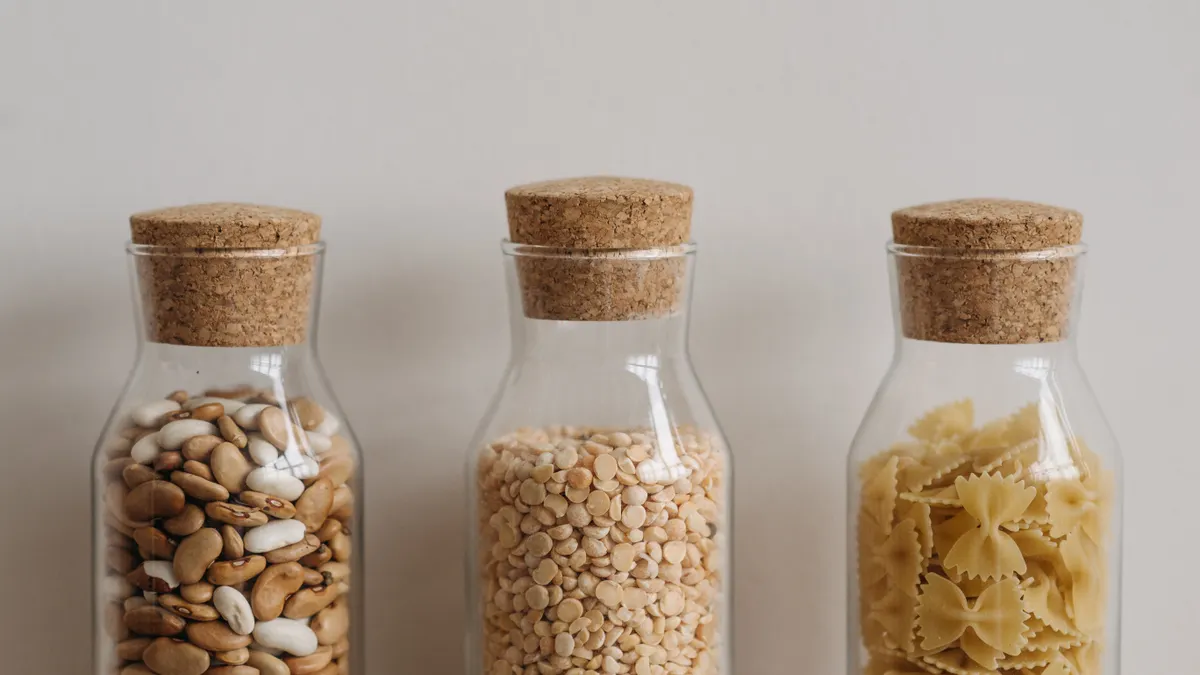
A heart-healthy pantry should hold shelf-stable foods that are naturally low in saturated fat, not heavily salted, and useful in multiple meals. That means beans, lentils, oats, whole grains, plain nut butters, canned fish, low-sodium broths, and a few simple cooking basics.
Because a pantry is where many “healthy” plans fail, the goal is to buy ingredients that combine into breakfasts, lunches, and dinners with almost no friction. A short list of ingredients usually works better than a long list of specialty foods. For Heart-Healthy Pantry, Fridge, and Freezer Planning, examples include:
- Rolled oats or steel-cut oats for breakfasts that do not need sugar to feel complete
- Brown rice, quinoa, barley, whole-wheat pasta, or other whole grains
- Canned beans and lentils, preferably low-sodium or no-salt-added
- No-salt-added diced tomatoes, tomato sauce, or tomato paste
- Canned tuna, salmon, or sardines packed in water or olive oil
- Unsalted nuts and seeds
- Natural peanut butter or other nut butter with a short ingredient list
- Olive oil or canola oil
- Vinegar, mustard, garlic, cumin, chili powder, black pepper, cinnamon, and dried herbs
A lot of readers ask what “counts” as heart-healthy here. The simplest rule is to scan for sodium, saturated fat, and added sugar. The American Heart Association’s general guidance is to favor fruits, vegetables, whole grains, lean protein, fish, nuts, and liquid vegetable oils over processed foods high in sodium and saturated fat; its “How to Eat Smart” and nutrition guidance are a useful starting point: https://www.heart.org/en/healthy-living/healthy-eating/eat-smart. The U.S. Food and Drug Administration’s “The Nutrition Facts Label” page is also useful for label reading: https://www.fda.gov/food/new-nutrition-facts-label/nutrition-facts-label.
The mistake to avoid is a pantry that looks healthy but behaves like dessert storage. Crackers, granola bars, sweetened cereals, flavored oatmeal packets, and snack mixes can all drift into the “heart-healthy” basket while bringing a lot of sodium or added sugar. They are not forbidden, but they should not be the center of the shelf.
A practical pantry layout helps. Put the foods you want to eat most often at eye level: oats, beans, tuna, whole grains, broth, and canned tomatoes. Move chips, sweets, and baking ingredients out of the first reach zone. If you can see the heart-healthy base ingredients in 10 seconds, you are more likely to cook from them.
Which fridge foods help most with heart health?
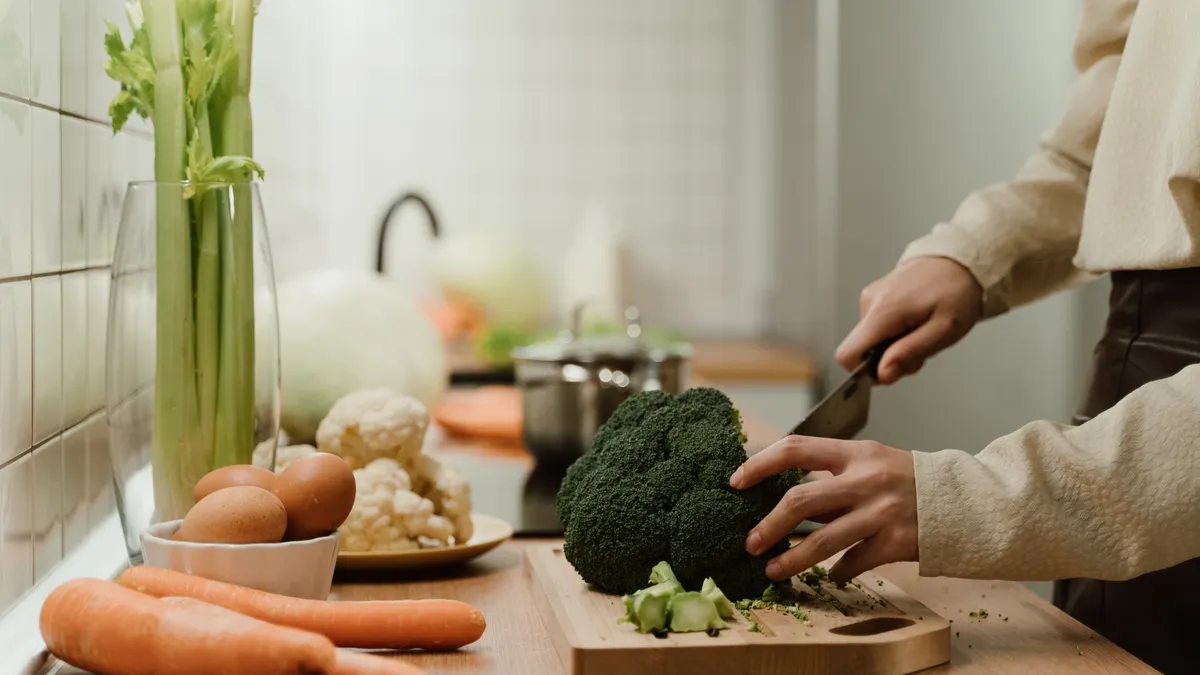
The fridge foods that help most with heart health are the ones that cut prep time while still giving you fiber, protein, and produce. Keep washed greens, cut vegetables, low-fat yogurt or plain Greek yogurt, eggs, hummus, fresh fruit, and pre-cooked proteins that you will actually use within a few days.
The fridge should solve the “I have good intentions but no usable ingredients” problem. That means stocking foods that are ready to eat or need only one extra step. A strong fridge list often includes:
- Bagged salad greens, spinach, or chopped vegetable mixes
- Carrots, celery, bell peppers, cucumbers, broccoli, and cherry tomatoes
- Apples, oranges, berries, grapes, or other fruit that is easy to grab
- Plain yogurt or low-fat Greek yogurt
- Eggs
- Hummus
- Salsa
- Reduced-fat cheese, if you use it
- Tofu, cooked chicken, or other lean proteins
- Leftovers stored in single-meal containers
For heart health, the fridge matters because it makes fiber and produce visible. If vegetables are buried behind condiment bottles, they disappear from real use. If fruit is washed and sitting at eye level, it is much more likely to become the snack. A simple trick is to keep one shelf dedicated to “ready now” foods: fruit, yogurt, hummus, chopped vegetables, and leftovers that need to be eaten in the next 48 to 72 hours.
This is also where many people overspend. A fridge full of specialty drinks, artisanal dips, and fancy cheeses can make a person feel prepared without actually supporting daily meals. The goal is not a beautiful refrigerator. The goal is a refrigerator that makes the next meal obvious.
Food safety matters here too. If you are stocking cooked grains, proteins, or leftovers, use shallow containers so they cool quickly and are easy to see. Labeling is not glamorous, but it helps prevent the common “mystery container” problem; if you have medical concerns or questions about safe storage, consult a registered dietitian, clinician, or other qualified professional. The FDA’s food storage guidance and label-reading resources are useful starting points: https://www.fda.gov/food/buy-store-serve-safe-food.
Who is this fridge plan not for? It is not for someone trying to eat heart-healthy while keeping every convenience food in the house. If the fridge is already packed with sugary drinks, processed meats, and rich desserts, adding a few carrots will not change the pattern. The swap has to be structural.
What belongs in the freezer for a heart-healthy kitchen?
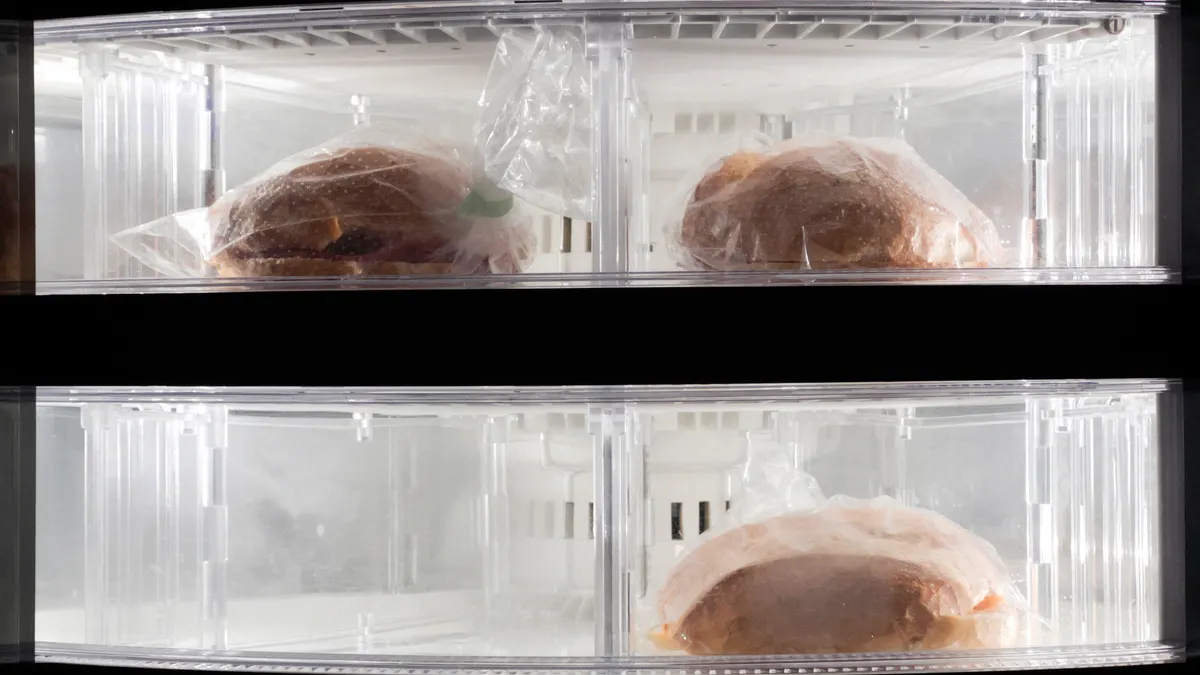
The freezer should hold produce, protein, and whole-grain backups that keep you from ordering in when fresh food runs out. Frozen vegetables, frozen fruit, frozen fish, plain cooked grains, and portioned leftovers are the freezer’s core heart-healthy categories.
A lot of people underuse the freezer because they think frozen food means compromise. That is outdated thinking. Frozen spinach, peas, broccoli, cauliflower, berries, and salmon can be excellent staples because they reduce spoilage and shorten prep time. For many households, frozen vegetables are the difference between a meal with vegetables and a meal with none.
A strong freezer list includes:
- Frozen mixed vegetables
- Frozen spinach, broccoli, cauliflower, peas, green beans, or stir-fry blends
- Frozen berries for oatmeal or yogurt
- Frozen salmon, trout, or other fish
- Frozen chicken breasts or tenderloins, if you eat poultry
- Whole-grain bread or wraps, if they freeze well for your household
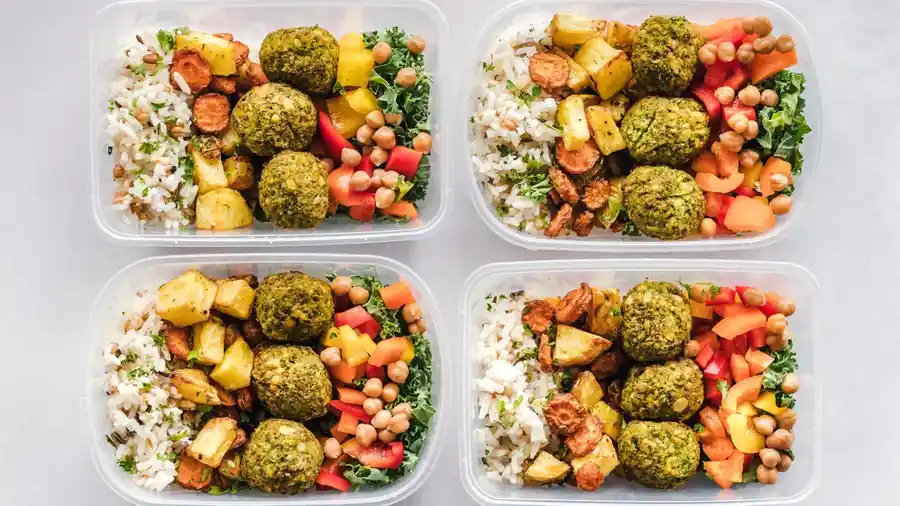
- Batch-cooked soups, chili, bean mixtures, or grains in labeled portions
Freezer planning works best when every item has a clear purpose. A bag of frozen broccoli should map to a pasta night, stir-fry, or grain bowl. Frozen fruit should map to breakfast or a quick snack. Leftover soup should map to lunch. If there is no intended use, the freezer turns into a graveyard of future guilt.
A second benefit of the freezer is cost control. It lets you buy produce when you know you will not use it quickly, then freeze what you cannot finish. That helps especially with berries, leafy greens, and cooked meals. If you are on a budget, the freezer is not optional. It is one of the few tools that lets you reduce waste without reducing nutrition.
One caution: frozen meals are not all equal. Some are useful, especially the simpler ones, but many are high in sodium and low in fiber. The FDA’s “Sodium in Your Diet” page is worth reading if you rely on packaged foods: https://www.fda.gov/food/nutrition-education-resources-materials/sodium-your-diet. For a heart-healthy freezer, use convenience foods strategically, not automatically.
How do I organize pantry, fridge, and freezer so I’ll actually use them?
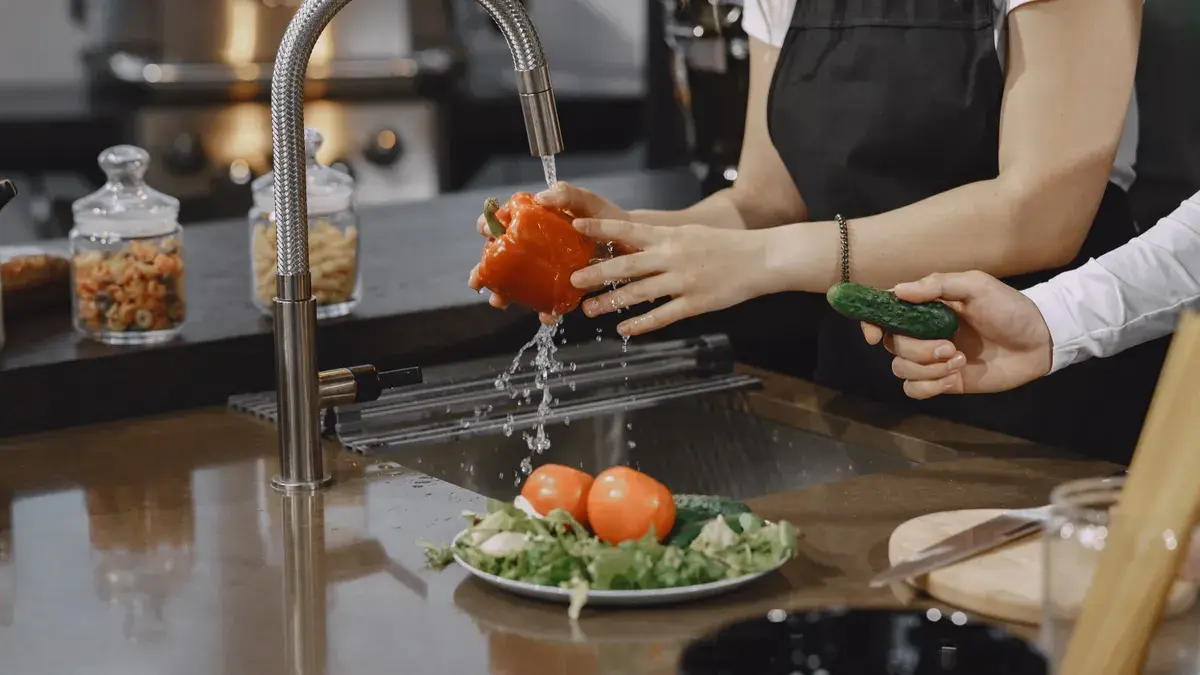
You organize them by meal function, not by product category alone. A practical system puts the foods you combine most often in the easiest-to-reach spots and gives each zone a clear job: pantry for dry building blocks, fridge for fresh and ready-to-eat items, freezer for backup nutrition.
This is the part generic advice often gets wrong. People are told to “keep healthy foods on hand,” but not where to put them or how to make the setup work on a Tuesday night. A useful storage plan is more like a traffic pattern than a shopping list.
Use this structure:
- Pantry: grains, beans, canned fish, tomatoes, broth, oils, nuts, spices
- Fridge: produce, yogurt, eggs, hummus, leftovers, fresh proteins
- Freezer: vegetables, fruit, fish, cooked meals, backup bread or wraps
Then organize by use, not by perfection. Put oats near the breakfast bowls. Put beans and tomatoes together for quick soup or chili. Keep greens and cut vegetables in one visible bin. Store freezer meals in flat containers or bags labeled with the contents and date.
A simple rotation system helps a lot. “First in, first out” is the basic rule: older food moves to the front, newer food goes behind it. That matters most for the fridge and freezer, where forgotten food becomes waste quickly. In the pantry, use clear bins for categories so that one item does not hide ten others.
A useful test is the 15-second test: if you open the door and cannot identify a heart-healthy breakfast, lunch, and dinner option in 15 seconds, the system is too hidden. Move foods into better sight lines until the answer is obvious.
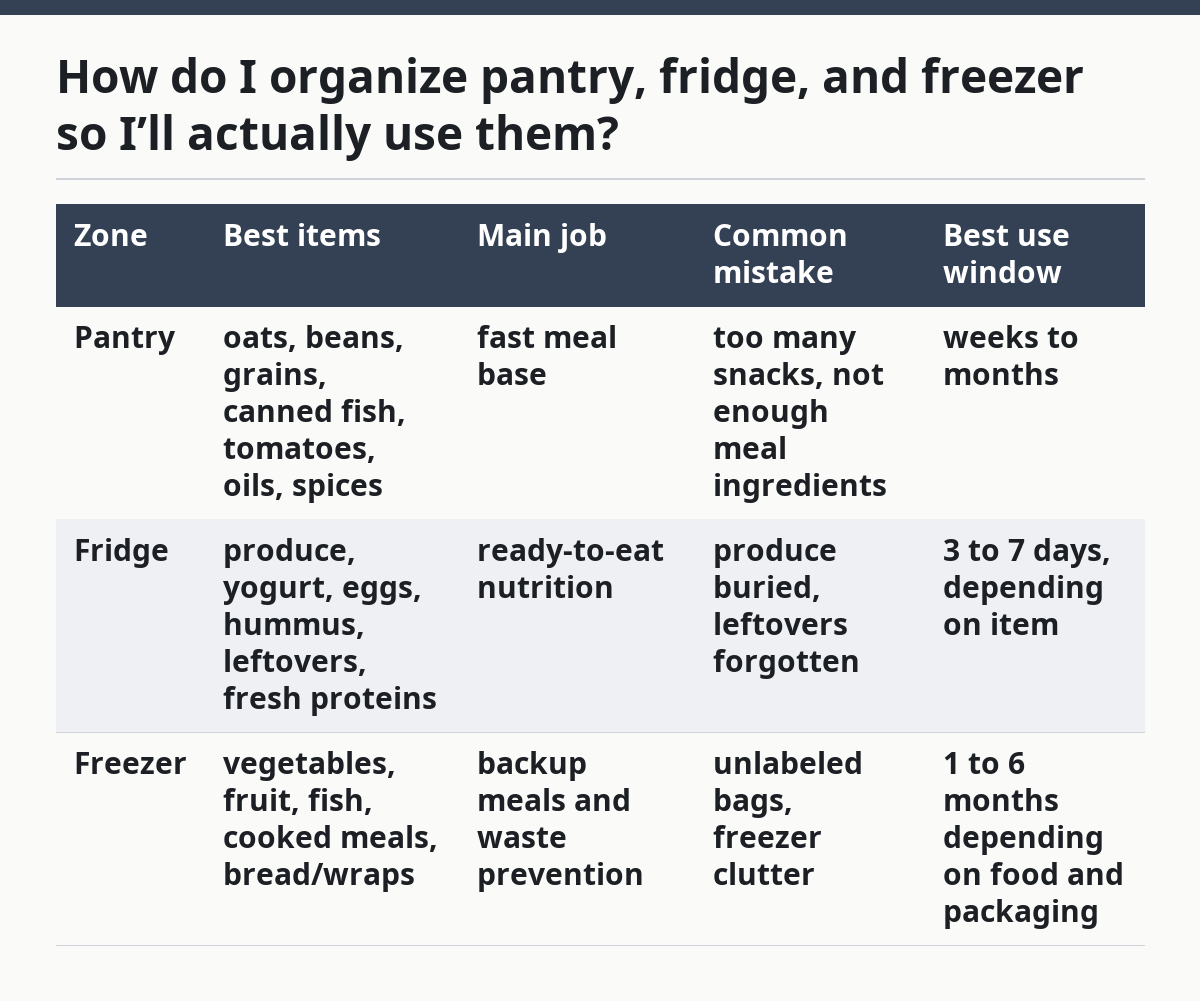
Here is a compact planning table that shows the logic:
| Zone | Best items | Main job | Common mistake | Best use window |
|---|---|---|---|---|
| Pantry | oats, beans, grains, canned fish, tomatoes, oils, spices | fast meal base | too many snacks, not enough meal ingredients | weeks to months |
| Fridge | produce, yogurt, eggs, hummus, leftovers, fresh proteins | ready-to-eat nutrition | produce buried, leftovers forgotten | 3 to 7 days, depending on item |
| Freezer | vegetables, fruit, fish, cooked meals, bread/wraps | backup meals and waste prevention | unlabeled bags, freezer clutter | 1 to 6 months depending on food and packaging |
The biggest payoff comes when the pantry, fridge, and freezer work as one system. A bean-and-rice dinner is easy only if the rice is in the pantry, the vegetables are in the freezer or fridge, and the seasoning is easy to grab. If any one of those is hard to find, the meal gets postponed.
What should I buy first if I am starting from zero?
If you are starting from zero, buy the foods that create the most meals from the fewest items: oats, beans, whole grains, frozen vegetables, fruit, eggs, plain yogurt, and one or two simple proteins. Start with basics that can be repeated three or four different ways in a week.
This is where people often overcomplicate the whole project. They buy a long list of “superfoods” and then do not know what to cook. A starter pantry does not need novelty. It needs a few dependable combinations.
A practical first shop could include:
- Rolled oats
- Brown rice or another whole grain
- Dried lentils or canned no-salt-added beans
- No-salt-added diced tomatoes
- Frozen broccoli and frozen mixed vegetables
- Apples and bananas, or another pair of fruits you will actually eat
- Plain yogurt
- Eggs
- Hummus
- Olive oil
- Garlic powder, pepper, and one dried herb blend
- Canned salmon or tuna
If budget is tight, build around the cheapest reliable staples in your area. Dry beans, oats, rice, frozen vegetables, and eggs often give the most nutrition per dollar, but prices vary by store and region. There is no prize for buying every item at once. The better move is to start with a small list and repeat it until it becomes automatic.
The main trade-off is variety versus reliability. A shorter list makes shopping cheaper and meals easier, but it can get boring if you never change anything. The fix is not to double the list. It is to rotate flavors: one week use cumin and garlic, the next use curry powder and ginger, then mustard and black pepper.
For readers with a medical reason to watch sodium or saturated fat closely, label reading matters more than any one food rule. Two canned products that look similar can be very different in sodium content, and a “healthy” frozen meal can quietly be less useful than plain ingredients. If you are managing blood pressure, cholesterol, diabetes, kidney disease, or another condition, a registered dietitian or clinician can help you tailor the list to your needs.
What do I need to watch out for when planning a heart-healthy food storage system?
The biggest risks are hidden sodium, hidden saturated fat, wasted produce, and a pantry that looks healthy but does not support real meals. A system fails when it is built around aspiration instead of routine.
The most common mistake is buying too much fresh food without a backup plan. Fresh greens, berries, and herbs are useful, but they are fragile. If your week is unpredictable, they need freezer support and a plan for leftovers. Another common mistake is focusing on “good” food labels while ignoring the rest of the cart. Low-fat crackers, baked chips, flavored yogurts, and bottled sauces can quietly crowd out the basics.
The second risk is overcorrecting. Some readers respond to heart-health advice by stripping all fat out of the kitchen. That is not necessary and can make meals less satisfying. Nuts, seeds, olive oil, avocado, and fish can fit a heart-healthy pattern. The goal is not zero fat. The goal is better fat quality and better portion balance.
You also need to respect your kitchen size. A small apartment fridge cannot function like a full suburban pantry. If space is limited, prioritize compact, high-value items: canned beans, oats, rice, frozen vegetables, yogurt, eggs, and one or two proteins. Avoid buying packages that require long-term storage you do not have.
The most honest limitation of this approach is that food storage alone does not change habits. It removes friction, but it does not cook the meal for you. If you do not have a few reliable recipes, the system will still stall. That is why the pantry, fridge, and freezer should be planned around 5 to 7 repeatable meals, not a vague sense of “healthy eating.”
What does a workable week actually look like?
A workable week uses the same storage plan to cover breakfast, lunch, dinner, and snacks without requiring a different shopping trip every day. The aim is not culinary variety for its own sake; it is enough repetition to make heart-healthy food the default.
Here is one simple pattern built from pantry, fridge, and freezer staples:
- Breakfast: oats with frozen berries, nuts, and plain yogurt
- Lunch: bean and tomato soup with whole-grain toast
- Dinner: frozen broccoli, rice, and salmon with olive oil and herbs
- Snack: apple with peanut butter, or yogurt with fruit
- Backup meal: eggs with spinach and whole-grain toast
That same set of foods can shift across a week. Beans become chili, salads, or grain bowls. Frozen vegetables become stir-fry, soup, or a side dish. Yogurt becomes breakfast, a snack, or a sauce base. The pantry-fridge-freezer system works when one ingredient can appear in more than one meal without feeling repetitive.
A realistic week also includes failures. The lettuce may wilt. The bananas may brown. The leftover soup may get pushed to the back. That is not a reason to start over; it is a reason to adjust the system. If produce is spoiling too fast, buy less fresh food and more frozen vegetables. If you are forgetting leftovers, store them in transparent containers at eye level. If breakfast is still a problem, move oatmeal and bowls to the front of the pantry.
Here is a quick planning table that turns the idea into action:
| Meal slot | Pantry anchor | Fridge anchor | Freezer anchor | Result |
|---|---|---|---|---|
| Breakfast | oats, nuts, cinnamon | yogurt, fruit | berries | fast, fiber-rich start |
| Lunch | beans, whole grains, broth | greens, hummus | vegetables | low-effort midday meal |
| Dinner | rice, pasta, spices | eggs, leftovers | fish, mixed vegetables | flexible evening meal |
| Snack | peanut butter, seeds | fruit, yogurt | frozen fruit | easier than processed snacks |
The real test is not whether the food looks perfect on day one. It is whether day six still has usable ingredients. If the answer is yes, the system is working. If the answer is no, the plan needs fewer perishable items, more freezer backup, or a smaller shopping list.
Key Takeaways
- A heart-healthy kitchen works best when each storage zone has a job: pantry for dry meal base ingredients, fridge for fresh and ready-to-eat foods, freezer for backup nutrition.
- The most useful staples are simple, not exotic: beans, oats, whole grains, frozen vegetables, fruit, yogurt, eggs, nuts, and canned fish.
- Organization matters as much as the shopping list. If healthy ingredients are hidden, they will not get used.
- Frozen vegetables and fruit are not second-class choices; they are practical tools for reducing waste and preventing takeout.
- The biggest threats are hidden sodium, hidden saturated fat, and buying too many foods that do not combine into meals.
- This system is not for someone who wants convenience without routine. It works best when a few repeatable meals are built into the week.
Drafted with AI; not yet reviewed by a person.