Last updated: November 19, 2026
Key Takeaways
- Start with produce, because vegetables and fruit give the most flexibility per item.
- Keep protein simple with fast, pantry, and higher-effort options.
- Stock pantry staples that make a quick dinner possible on a tired Tuesday.
- Use frozen foods as backup, not as a second pantry.
A heart-healthy grocery list for beginners should make shopping simpler, not stricter, and this Heart-Healthy Grocery List for Beginners helps fill a kitchen with foods that fit together across breakfast, lunch, and dinner. According to the American Heart Association, a practical first cart can start with vegetables, fruit, beans, whole grains, nuts, and plain yogurt. If the cart starts with those items, the rest gets easier to sort.
The heart-healthy grocery list that covers the basics
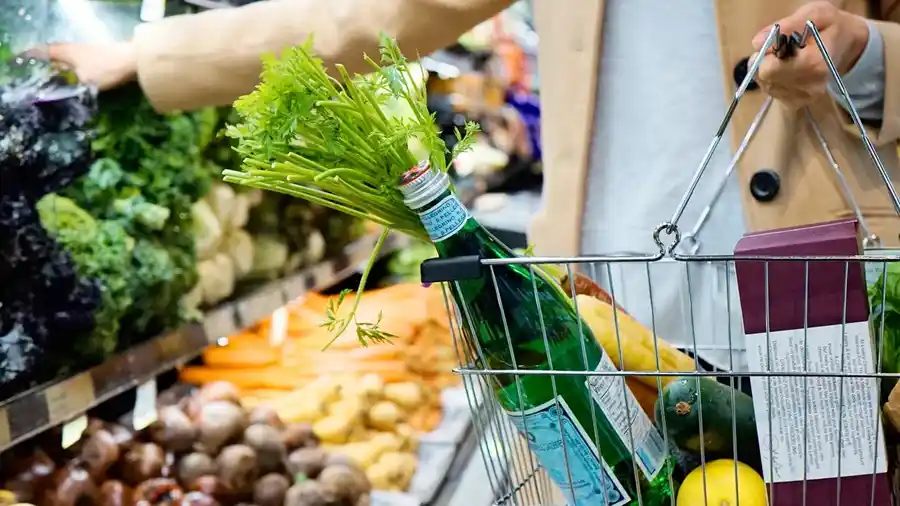
This Heart-Healthy Grocery List for Beginners works best as a starting framework for a kitchen from scratch: 5 to 7 vegetables, 3 to 4 fruits, 2 to 3 protein staples, 2 whole grains, 2 pantry fats or nuts, and 1 or 2 dairy or dairy-like items. That mix gives a beginner enough pieces to build simple meals without buying a full pantry on day one.
A practical first cart can look like this:
- Vegetables: spinach or spring mix, broccoli, carrots, bell peppers, onions, tomatoes
- Fruit: bananas, apples, berries, oranges
- Protein: canned beans, lentils, eggs, plain yogurt, canned salmon or tuna
- Whole grains: oats, brown rice, whole-wheat bread, whole-grain pasta
- Nuts and pantry fats: unsalted nuts, natural peanut butter, olive oil
- Frozen section: frozen vegetables, frozen fruit
This Heart-Healthy Grocery List for Beginners is not a “perfect diet” list. It is a low-friction list that keeps most meals from turning into takeout by default. It is also not the right list for someone who hates cooking from scratch and plans to rely on prepared food; that person needs a different setup, with more attention to ready-to-eat items and portion size.
One honest trade-off: the more shelf-stable the food, the less fresh produce you may waste, but the more you rely on pantry items that need more seasoning and planning. A beginner usually does better starting with 10 to 15 total items than with 40 items that look heart-smart but never get used.
For label standards on packaged foods, the American Heart Association’s consumer guidance is a useful reference point: https://www.heart.org/en/healthy-living/healthy-eating/eat-smart/sodium
What to buy in the produce aisle first
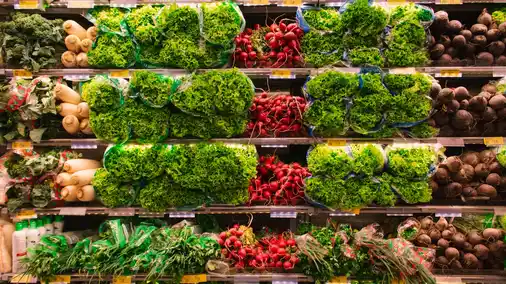
The produce aisle should be the first stop because vegetables and fruit give you the most flexibility per item, and they work in 5-minute meals as well as cooked ones. If the cart has only one section with real variety, make it this one.
Start with vegetables that can move between raw and cooked:
- Greens: spinach, romaine, spring mix, or kale. A 5-ounce clamshell of greens disappears fast in salads, sandwiches, omelets, and soups.
- Crunchy vegetables: carrots, celery, cucumbers, bell peppers. These stay useful even when you are too tired to cook.
- Cooking vegetables: broccoli, zucchini, onions, cauliflower, green beans. These can be roasted, sautéed, or added to pasta and rice.
- Convenience vegetables: cherry tomatoes, shredded cabbage, pre-cut squash, washed salad greens. These cost more, but they reduce prep time on weeknights.
For fruit, aim for a mix of shelf life and easy eating. Bananas are immediate; apples and oranges last longer; berries are useful but more fragile. If fresh fruit tends to spoil before you eat it, buy 1 or 2 frozen bags and keep fresh fruit to a smaller amount.
A good beginner move is to choose vegetables and fruit that can serve the same meal in more than one way. Broccoli can be a side dish, an omelet add-in, or a stir-fry vegetable. Apples can be snack food or breakfast fruit. That kind of overlap keeps the list short.
A common mistake is buying only “salad vegetables.” The cost is obvious: the cart looks healthy, but dinner still feels unfinished. The fix is to pair raw produce with at least 2 cookable vegetables every trip, even if one of them is frozen.
Which protein aisle items belong on a heart-healthy grocery list?
The protein aisle should give you 3 kinds of backup: fast protein, pantry protein, and a few higher-effort options. That balance matters because beginners often buy only one protein source and then get stuck eating the same meal 4 nights in a row.
Good starting picks include:
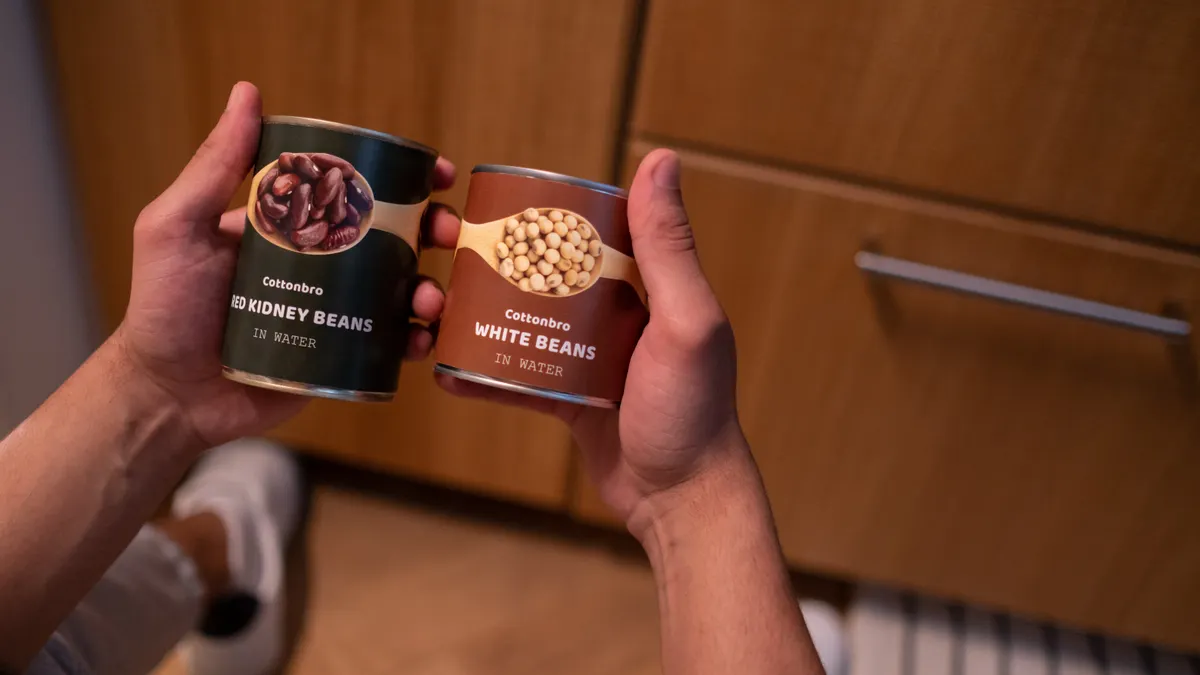
- Beans: black beans, chickpeas, kidney beans, cannellini beans
- Lentils: dry lentils or canned lentils
- Fish: canned salmon, canned tuna, or sardines
- Eggs: one dozen is enough for breakfasts, salads, and fried rice
- Plain yogurt: plain, unsweetened yogurt for breakfast bowls, sauces, and snacks
- Tofu or tempeh: if you want a plant-based option that lasts several days in the refrigerator
Beans and lentils are the easiest place to start because they are shelf-stable, usually inexpensive compared with many fresh proteins, and easy to season with what is already in the pantry. If you are new to plant-based protein, canned beans are less intimidating than dry beans because they need almost no cooking.
Fish in cans is useful because it requires no thawing and keeps weeknight meals moving. Eggs are simple and quick for breakfast, salads, and fried rice. Plain yogurt deserves a spot because it can replace sweeter breakfast foods without much effort, and it also works as a creamy base for dips and sauces.
One thing beginners get wrong is treating protein as the center of every shopping decision. That tends to crowd out vegetables and whole grains. The better rule is to choose 2 or 3 proteins, then build the rest of the cart around them. If you have kidney disease, a complex heart condition, or another reason to manage protein, sodium, or potassium closely, consult a health professional before making bigger changes.
This is one area where a health professional’s advice can matter if you have kidney disease, a complex heart condition, or another reason to manage protein, sodium, or potassium closely. For most shoppers, the main job here is variety and convenience, not perfection.
What belongs in the pantry aisle so meals actually happen?
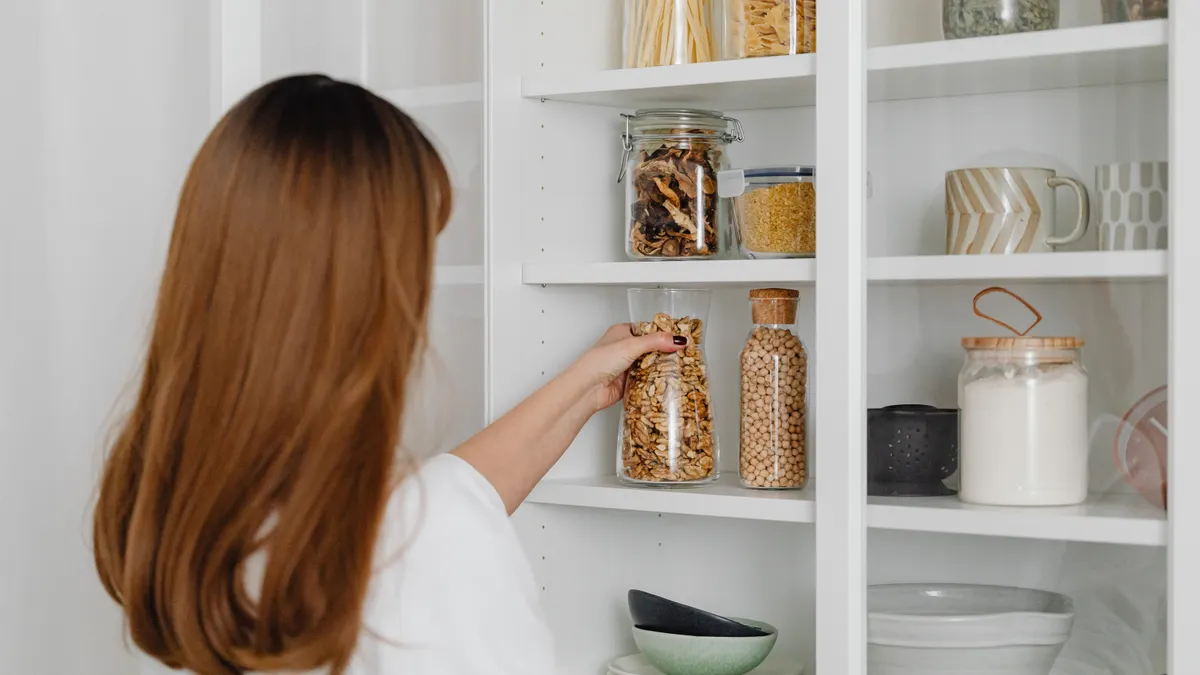
The pantry aisle should hold the foods that make a 15-minute dinner possible on a tired Tuesday. If the pantry is empty, the fresh food in the cart usually gets wasted.
Start with these core items:
- Whole grains: oats, brown rice, whole-wheat pasta, whole-grain bread, quinoa if you use it
- Beans and legumes: canned beans, dry lentils, dry chickpeas if you cook them
- Cooking fats: olive oil or another unsaturated oil
- Nuts and seeds: unsalted almonds, walnuts, chia seeds, flaxseed, or sunflower seeds
- Basics for flavor: low-sodium broth, vinegar, mustard, garlic powder, pepper, dried herbs
The whole grains matter because they turn vegetables and beans into a full meal. Oats are useful for breakfast; brown rice and whole-wheat pasta stretch dinner; whole-grain bread covers sandwiches and toast. If a beginner only buys refined grains, meals can still be filling, but they are less balanced and usually less satisfying for long.
Nuts and seeds deserve shelf space because they add texture and staying power to breakfast bowls, salads, and roasted vegetables. A small bag often lasts longer than a container of berries, which makes them a good backup item when the fridge is bare.
Flavor items may look minor, but they decide whether the cart gets used. A bottle of vinegar or a jar of mustard can turn plain beans or greens into something worth eating. Without those basics, many “healthy” groceries end up tasting like chores.
A mistake here is overbuying specialty pantry products with 12 ingredients and one use. The cost is clutter and wasted money. Stick with versatile staples first, then add one special item at a time if you know exactly how it will get used.
What should I choose from the frozen section?
The frozen section should give you insurance against spoilage, not a second pantry full of impulse buys. Frozen produce is especially useful for beginners because it lasts longer and usually needs less prep.
Some of the best frozen picks, depending on your store and budget, are:
- Frozen vegetables: broccoli, spinach, green beans, cauliflower, mixed vegetables
- Frozen fruit: berries, mango, cherries, peaches
- Frozen edamame or shelled soybeans: if you want a fast plant protein
- Plain frozen grains: if your store carries plain brown rice or mixed grains without heavy sauces
Choose plain versions when possible. A bag of broccoli is more useful than a sauce-covered vegetable mix, and plain fruit is more flexible than dessert-style frozen bowls. If sodium is a concern, frozen vegetables without added sauce usually fit better than frozen dinners or seasoned sides.
Frozen produce is not a downgrade. It can be a smart first choice when fresh produce tends to spoil before the week ends. It also helps fill gaps between shopping trips without forcing you to start over.
A useful beginner rule is to buy at least 2 frozen items each trip if your fridge space is limited. That way there is usually something ready for a smoothie, stir-fry, soup, or side dish.
The main drawback is texture. Frozen vegetables are not ideal for every salad or raw snack, and thawed fruit is softer than fresh. That trade-off is worth accepting if it means the food actually gets eaten. A healthy cart that spoils in 3 days is not better than a simpler cart that lasts 2 weeks.
How do I shop this list without overbuying?
You shop this list well by using a 20-minute plan, a 2-store section limit, and a short written inventory before you leave home. That keeps the cart focused and cuts down on duplicate purchases.
- Check what is already in the kitchen for 5 minutes. Look at the fridge, freezer, and pantry before making the list. The result should be a short note of what needs replacing, not a memory guess.
- Pick 2 to 3 meals’ worth of anchors. For example, choose oats for breakfast, beans and rice for dinner, and yogurt with fruit for snacks. The result is a list that serves a few clear meals instead of random healthy items.
- Build the cart by section. Fill produce first, then protein, then pantry, then frozen. The result is fewer forgotten staples and fewer last-minute extras.
- Limit each section to a small number. Aim for 4 vegetables, 3 fruits, 2 proteins, 2 whole grains, and 2 frozen items on the first trip. The result is a cart that is easy to unpack and use.
- Buy one convenience item on purpose. Pre-washed greens, canned beans, or frozen vegetables can save the week. The result is less prep friction and fewer takeout decisions.
- Stop before the “healthy snack” aisle becomes the whole trip. The result is a cart built from ingredients, not packaged promises.
This method is not for someone shopping for a large family with different eating schedules, or for someone managing multiple dietary restrictions that require a more detailed plan. It is for the beginner who needs a repeatable system, not a custom nutrition program.
The simplest way to know you bought enough is to ask one question before checkout: can these ingredients make breakfast, lunch, and dinner for 3 to 5 days? If the answer is no, the list is too thin.
Common mistakes that make a healthy cart harder to use
The most common mistake is buying too many “health foods” and not enough meal parts. A cart full of granola bars, drinkable yogurt, and specialty crackers can look disciplined and still leave you without dinner. The cost is a higher bill and more reliance on snacks; the fix is to prioritize vegetables, fruit, beans, whole grains, and plain yogurt first.
Another mistake is skipping frozen food because fresh sounds better. Fresh is great when it gets eaten in time, but a pound of broccoli that goes soft after 2 days helps no one. Frozen vegetables and fruit are a smart backup, especially for a beginner with an uneven schedule.
A third mistake is choosing flavored yogurt, sweetened nut butters, or seasoned nuts and assuming they are all the same as plain versions. The labels may look close, but the use is different. Plain yogurt is a flexible ingredient; a dessert-style cup is mostly a single snack. Unsalted nuts are easier to fit into savory meals and breakfast bowls than heavily salted or sugared versions.
A fourth mistake is buying only one carbohydrate source. If the cart has bread but no oats, or rice but no pasta, meals get repetitive fast. Two whole grains is a better floor than one.
The last mistake is overfilling the first trip. A beginner who buys 30 items often wastes more than a beginner who buys 12. A smaller cart is not a failure; it is a test run. The first trip should teach you what you actually eat in a week.
What should I buy first for a heart-healthy kitchen?
Start with vegetables, fruit, beans, whole grains, and plain yogurt, then add frozen backups. That order gives you the most useful foods before you spend money on extras. If the kitchen is empty, I would buy spinach or another green, broccoli, apples, bananas, canned beans, oats, brown rice, olive oil, and plain yogurt first.
How do I start a heart-healthy grocery list?
Start by choosing 2 or 3 breakfasts, 2 lunches, and 3 dinners you can repeat for a week. Then write the ingredients needed for those meals and group them by produce, protein, pantry, and frozen. A short list of 12 to 15 items is enough for a first trip and easier to stick to than a long, aspirational one.
What foods should be on a heart-healthy shopping list?
A heart-healthy shopping list should include vegetables, fruit, beans, whole grains, nuts, and plain yogurt. Those are the core foods that give a beginner flexibility without turning every meal into a project. A few frozen vegetables and canned proteins make the list more realistic, especially if the week gets busy or the produce drawer is small.
Drafted with AI; not yet reviewed by a person.