Last updated: November 19, 2026
Quick Answer: Heart-Healthy Freezer Meals for Busy Weeks can save time and still support balanced eating if you batch-cook 4 to 6 portions at once, use freezer-safe containers, and reheat them safely.
Key Takeaways
- A freezer meal stays heart-healthy when freezing and reheating still leaves it balanced.
- Freezer-friendly ingredients keep their flavor and texture through a hard chill and a gentle reheat.
- Batch-cooking works best when you cook parts separately, cool them quickly, and portion them before freezing.
- Make-ahead casseroles can work well for busy weeks because they hold shape, portion neatly, and reheat evenly.
Heart-Healthy Freezer Meals for Busy Weeks are the easiest way to stop dinner from turning into takeout on a rough Tuesday. The trick is not to freeze random leftovers; it is to batch-cook meals that keep fiber high, sodium reasonable, and saturated fat low enough that reheating does not turn a good plan into a salty, heavy one. For guidance on balanced eating, see the American Heart Association and the Dietary Guidelines for Americans.
What makes a freezer meal heart-healthy, not just convenient
A freezer meal is heart-healthy when it still looks like a balanced plate after freezing and reheating. That means beans or lentils for fiber, vegetables for volume, whole grains such as brown rice or whole-wheat pasta, and a lean protein like ground turkey instead of fatty sausage or breaded meat.
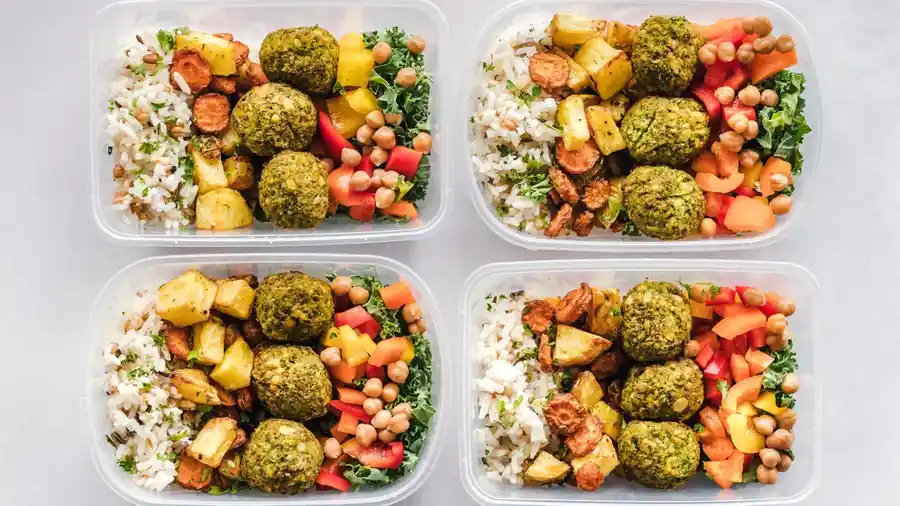
The goal is not perfection. It is to build meals that naturally avoid the usual freezer traps: creamy sauces, heavy cheese, and sodium-loaded shortcuts. A vegetable soup with lentils and spinach can freeze beautifully. So can a turkey-and-bean chili, a brown rice bowl with roasted vegetables, or a pasta bake built around whole-wheat pasta and a lighter tomato sauce.
A good rule is to use the freezer for structure, not for rescue. If the meal already depends on a crisp topping, a delicate salad, or a sauce that breaks when thawed, it will usually disappoint after two weeks in the freezer. If the meal is sturdy, moist, and built from freezer-friendly ingredients, it will still taste like dinner.
This is also where the page fits into the bigger plan: heart-healthy pantry, fridge, and freezer planning works best when the freezer holds full meals, not just odds and ends. That way a can of beans, a bag of spinach, and a tray of cooked rice become actual dinners instead of separate ingredients waiting for inspiration. For more meal-planning help, see our healthy meal prep guide and heart-healthy recipes.
Build the meal around freezer-friendly ingredients
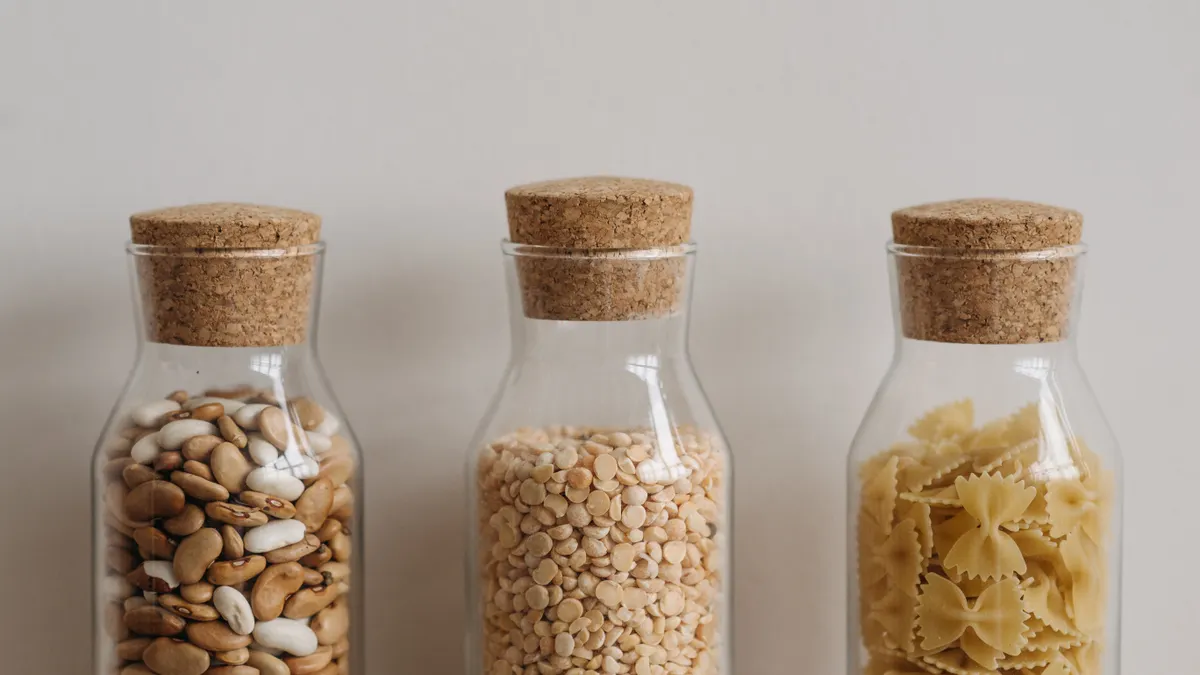
Freezer-friendly ingredients are the ones that keep their texture and flavor after a hard chill and a gentle reheat. Lentils, brown rice, vegetable soups, ground turkey, spinach, and whole-wheat pasta all belong on the short list because they stay useful in batch-cooked meals without needing special treatment.
Use ingredients that can take moisture well. Lentils hold their shape in soups, stews, and casseroles. Brown rice freezes better than delicate grains because it reheats without collapsing into mush as easily. Spinach works best when folded into sauce, soup, or a baked dish rather than frozen raw into a salad-style meal. Ground turkey is a smart freezer protein when cooked into crumbles, patties, chili, or meatballs with enough sauce to protect it from drying out. Whole-wheat pasta is better in baked dishes and casseroles than in loose pasta bowls, where it can turn soft after thawing.
A simple way to think about the ingredient list is this: one sturdy protein, one high-fiber starch, two vegetables, and one sauce. That formula keeps the food filling without relying on a lot of cheese or cream. Tomato-based sauces are usually easier to freeze than dairy-heavy ones. If you want creaminess, use a modest amount of plain yogurt or low-fat ricotta after reheating rather than baking it into the freezer meal.
The trade-off is texture. Some vegetables, like cucumbers and raw lettuce, do not belong here at all. Others, such as zucchini or mushrooms, can work if they are cooked down first. The more water a vegetable holds, the more likely it is to soften after thawing. That does not make it useless; it just means it belongs in soup, sauce, or casserole rather than a crisp side.
According to the USDA FoodKeeper app, storage quality depends on the food and the container, so check guidance before freezing foods you plan to keep for weeks.
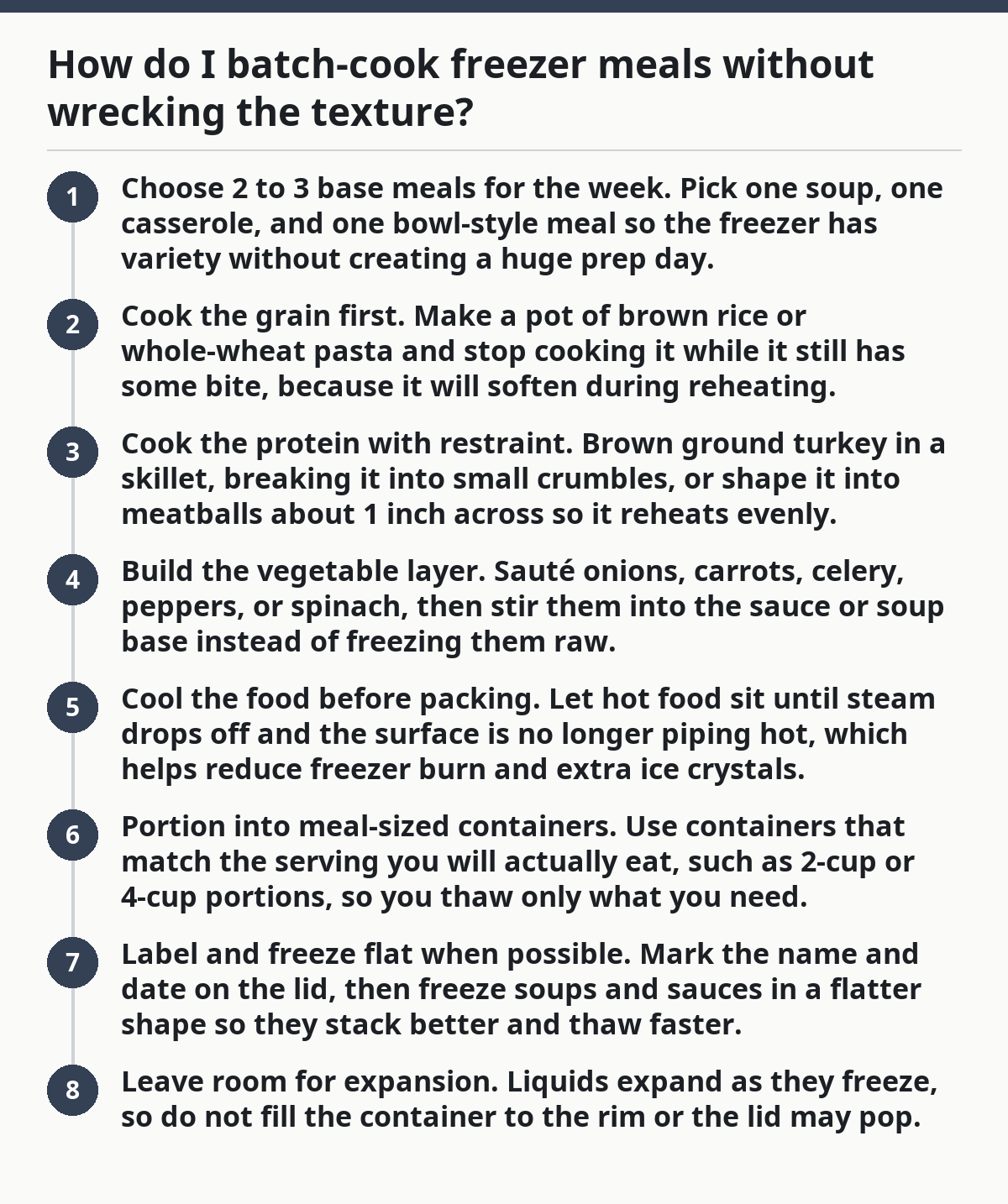
How do I batch-cook freezer meals without wrecking the texture?
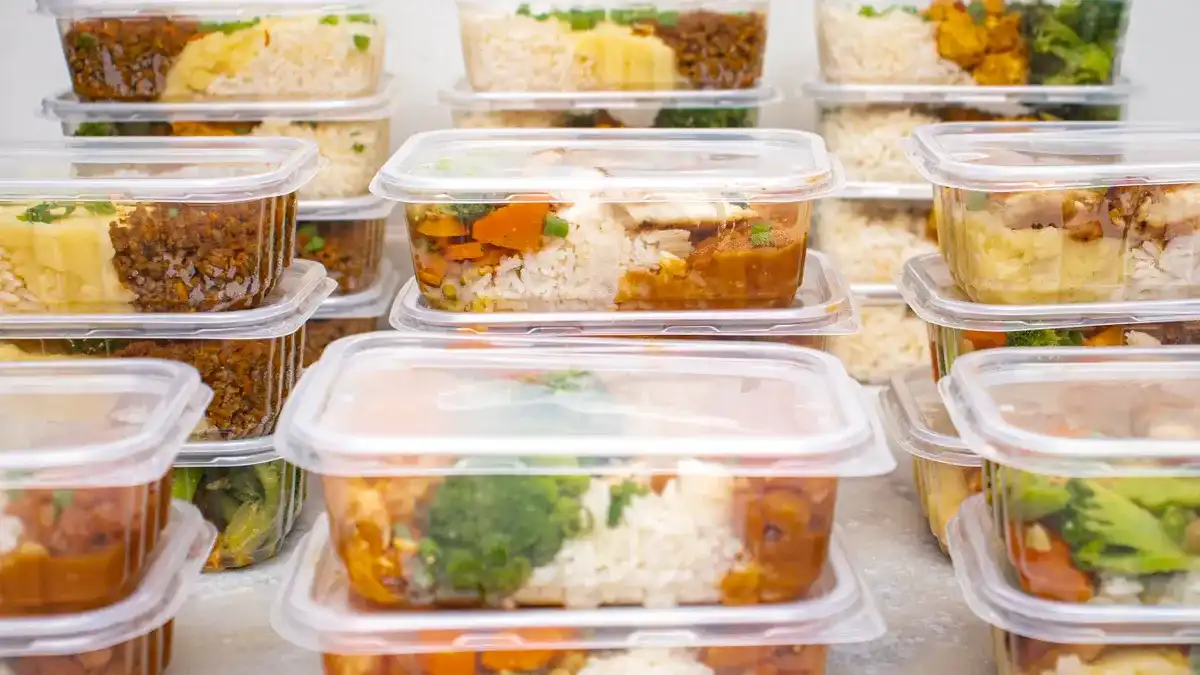
Batch-cooking freezer meals works best when you cook components separately, cool them quickly, and assemble meals in portions before freezing. That keeps rice, vegetables, and proteins from turning into one soggy block.
- Choose 2 to 3 base meals for the week. Pick one soup, one casserole, and one bowl-style meal so the freezer has variety without creating a huge prep day.
- Cook the grain first. Make a pot of brown rice or whole-wheat pasta and stop cooking it while it still has some bite, because it will soften during reheating.
- Cook the protein with restraint. Brown ground turkey in a skillet, breaking it into small crumbles, or shape it into meatballs about 1 inch across so it reheats evenly.
- Build the vegetable layer. Sauté onions, carrots, celery, peppers, or spinach, then stir them into the sauce or soup base instead of freezing them raw.
- Cool the food before packing. Let hot food sit until steam drops off and the surface is no longer piping hot, which helps reduce freezer burn and extra ice crystals.
- Portion into meal-sized containers. Use containers that match the serving you will actually eat, such as 2-cup or 4-cup portions, so you thaw only what you need.
- Label and freeze flat when possible. Mark the name and date on the lid, then freeze soups and sauces in a flatter shape so they stack better and thaw faster.
- Leave room for expansion. Liquids expand as they freeze, so do not fill the container to the rim or the lid may pop.
The main mistake here is overcooking before the freezer ever gets involved. A casserole that is already soft will come back limp. Underseasoning is the other common miss; cold food tastes muted, so a dish should be seasoned enough before freezing to survive the reheat. The answer is to season boldly, but not with salt alone. Use garlic, onion, black pepper, cumin, smoked paprika, dill, thyme, lemon zest, or vinegar where the recipe fits.
If you want a more detailed planning outline, see our meal planning for beginners page.
Make-ahead casseroles that still feel fresh after thawing
Make-ahead casseroles can be a practical freezer format for busy weeks because they hold shape, portion well, and reheat evenly in the oven or microwave. The key is to build them with enough sauce to stay moist, but not so much liquid that they collapse into a casserole swamp.
A strong heart-healthy casserole usually starts with a lean protein like ground turkey, then adds a grain, vegetables, and a tomato-based or broth-based sauce. A turkey, spinach, and whole-wheat pasta bake is an easy example. So is a brown rice casserole with lentils, carrots, and peppers. Vegetable soup can even be baked into a casserole-like dish with beans and grains if the texture is sturdy enough.
Use a shallow 8×8-inch or 9×13-inch dish for freezing if you want faster thawing and more even reheating. Deeper pans trap cold spots in the middle. If you are freezing the casserole before baking, line the pan with parchment or transfer the assembled meal into a freezer-safe foil pan so you can lift it out later. If you are freezing after baking, cool it completely first, then portion it into containers rather than freezing the whole pan unless you know you will use it all at once.
Avoid heavy cream, a thick blanket of cheese, and breadcrumbs that you expect to stay crisp. Cheese can still work in a moderate amount, but it should support the dish, not drown it. If a topping matters, add it near the end of reheating so it has a chance to stay closer to its original texture.
A casserole is not the right freezer meal if the whole point is crispness. Anything that depends on a crunchy crust, fried coating, or delicate greens will lose too much in the freezer. That is not a flaw in the method; it is a sign to choose a different format.
For more ways to keep the top from getting soggy, see our oven casserole tips.
The freezer-safe containers that actually make this easier
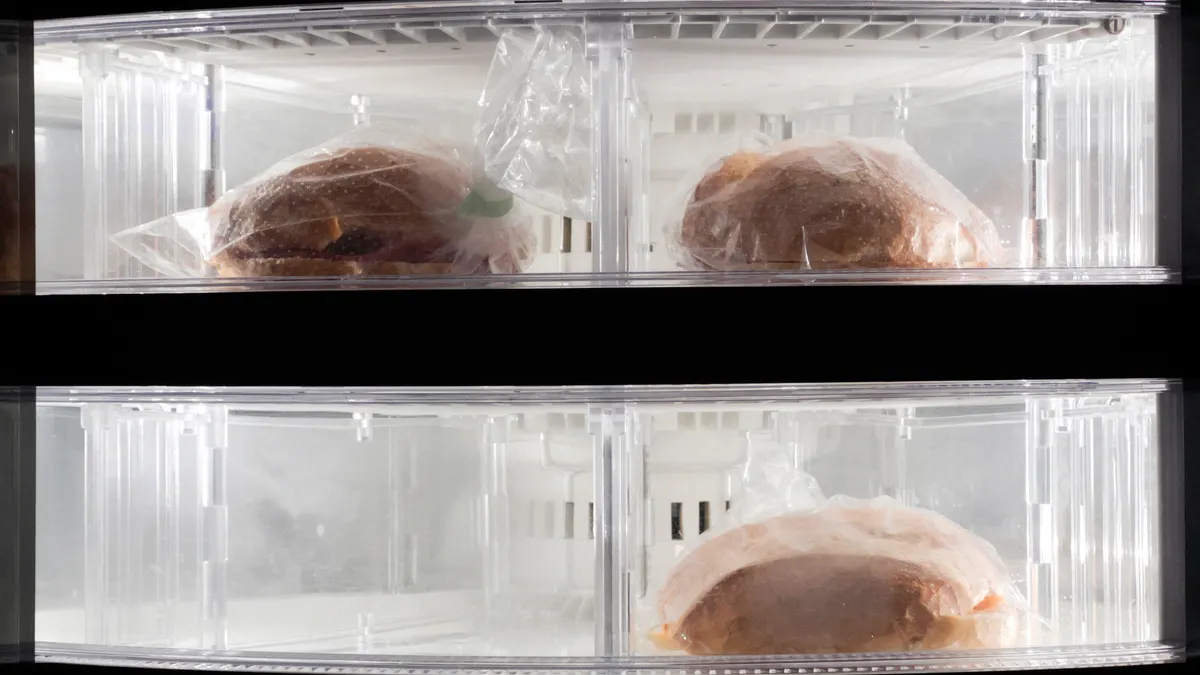
Freezer-safe containers protect the meal, control portion size, and keep you from discovering a stack of icy, cracked lids 3 weeks later. The best choice depends on whether you are freezing soup, casserole, or a single-serve lunch-style portion.
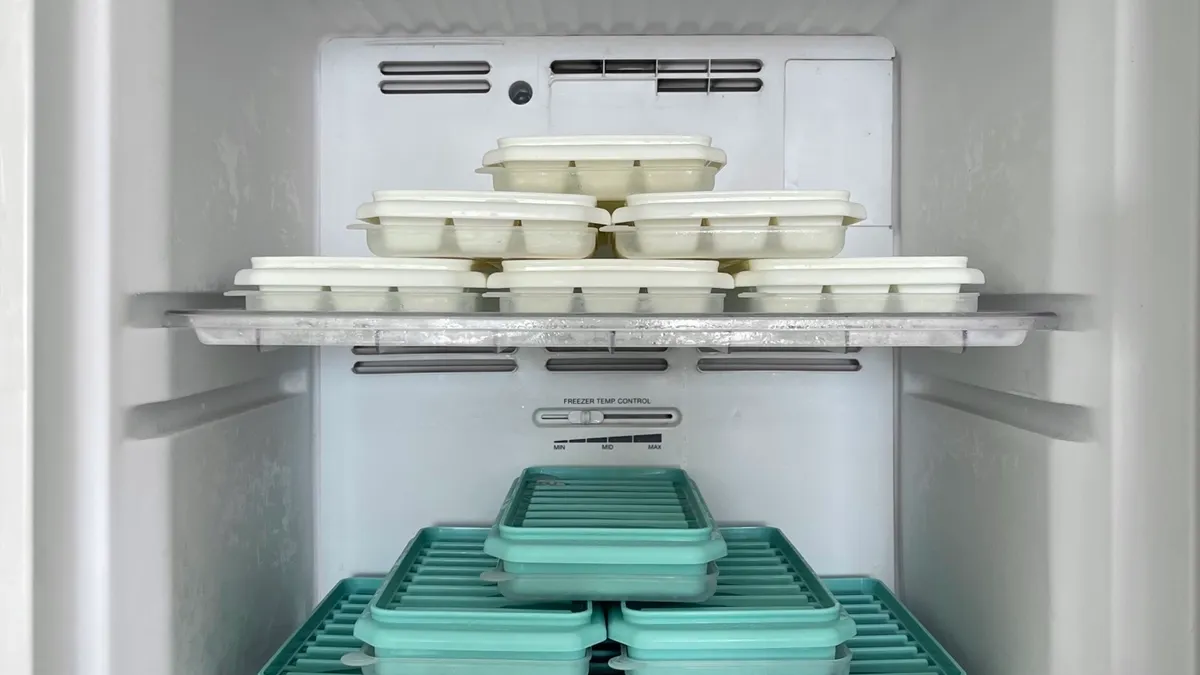
Rigid plastic containers labeled freezer-safe are practical for soups, sauces, and grain bowls because they stack well and handle repeated use. Glass containers with freezer-safe ratings work too, but they need headspace and careful temperature changes to avoid cracking. For casseroles, disposable foil pans are useful when you want to freeze, bake, and serve from the same container. Silicone freezer trays can help with sauces or small portions, but they are usually better as a support tool than the main storage system.
The standard to respect is simple: the container must tolerate freezing without warping and must seal well enough to limit freezer burn. A tight lid matters more than a fancy brand. Air is the enemy of texture. If a container has too much headspace, press a layer of parchment or plastic wrap directly onto the food before sealing the lid.
Do not use flimsy takeout tubs for long storage unless they are specifically marked freezer-safe. They crack easily and let in too much air. Also avoid overfilling round containers with soup; the top rim needs some room for expansion. For flat items such as lasagna-style casseroles, a 2- to 3-inch depth is often more manageable than a deep storage tub because it freezes and thaws more evenly.
If the plan is to build a freezer of ready-to-eat dinners, the container matters as much as the recipe. A good meal packed in a poor container will still taste tired after a month. A sturdy container with a tight seal buys time, cleaner flavor, and a lot less waste.
How do I reheat freezer meals safely and keep them tasting good?
Reheating freezer meals safely means thawing them in the refrigerator when possible, then heating them all the way through until steaming hot. A freezer meal that is reheated slowly and evenly usually tastes better than one blasted from icy center to scorched edge.
For the refrigerator method, move the meal from freezer to fridge the night before. Small portions may thaw in 12 to 24 hours, while larger casseroles can take longer. Soups and stews reheat well on the stovetop over medium heat, with a splash of water or broth if they seem thick. Casseroles do well in a 350°F oven until hot through, usually covered first and uncovered near the end if you want the top to firm up. Microwave reheating works for single portions; stir halfway through so the center does not stay cold while the edges overcook.
If a meal was frozen in a shallow container, it will thaw and reheat more evenly than a deep one. That is one reason portioning matters. A 2-cup container of lentil soup warms faster and more predictably than a 6-cup block. The same is true of turkey chili or brown rice bowls.
A few small fixes help a lot. Add fresh herbs after reheating instead of before freezing. Stir in a spoonful of broth if a soup gets too thick. Add a squeeze of lemon or a dash of vinegar to wake up flavors that dull in the freezer. These are not tricks so much as normal cooking adjustments. Freezing mutes flavor, so finishing matters.
One honest limitation: freezer meals are not ideal for food that must stay crisp. If the entire appeal of the dish is crunch, this method will disappoint. For everything else, the freezer is a practical way to keep a heart-conscious dinner within reach on a weeknight when cooking from scratch is not happening.
For safe reheating advice, the FDA food safety guidance is a useful reference.
A simple 2-hour freezer meal plan for one busy week
A 2-hour freezer meal plan can cover several dinners if the menu is narrow and the shopping list is tight. The point is not to stock a magazine-worthy freezer; it is to make 4 to 6 usable meals without turning Sunday into a second job.
Start with one soup, one casserole, and one skillet-style meal. For example: lentil and vegetable soup, ground turkey and spinach pasta bake, and brown rice bowls with roasted vegetables and beans. That gives you variety in texture while keeping the shopping list manageable. A plan like this also reduces waste because the same ingredients, such as spinach, onions, and brown rice, can be split across several recipes.
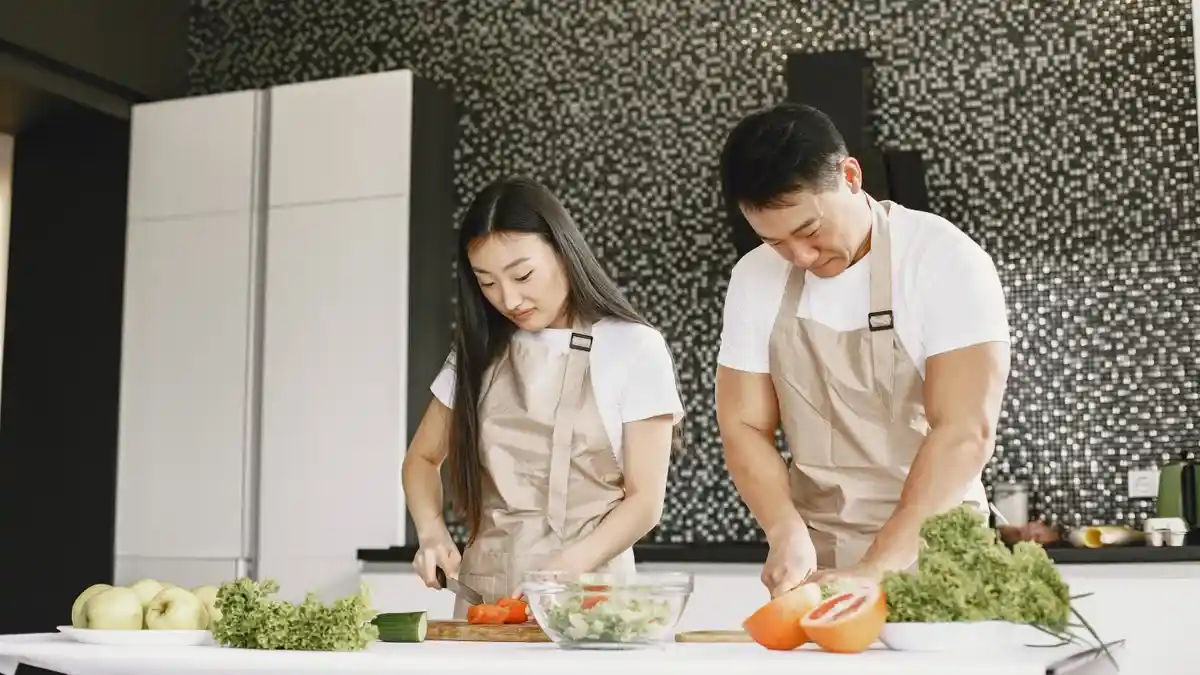
Use a rough timeline. Spend the first 20 minutes chopping vegetables and preheating the oven to 375°F if a casserole is on the list. Use the next 30 minutes to cook the grain and brown the turkey. In the middle hour, simmer the soup and assemble the casserole. Use the final 30 minutes to cool, portion, label, and stack the meals. That order matters because cooling and packing are what turn cooking into actual freezer prep.
A good freezer week also includes a fast rotation plan. Put the next 2 meals in the fridge to thaw, keep 1 soup ready for a stovetop night, and leave the rest frozen. That keeps you from thawing everything at once and losing control of the menu. A freezer meal system fails when the cook makes 8 dinners and then forgets which one is which.
The biggest benefit of this kind of plan is not just convenience. It is that heart-healthy choices stop depending on energy and willpower after work. The food is already there, the portions are already set, and the dinner decision shrinks to 1 container and 1 heat source.
What meals freeze well and stay heart-healthy?
Meals with beans, lentils, vegetables, whole grains, and lean protein freeze well and can stay heart-healthy if they are not loaded with salt or heavy cream. Soups, chili, casseroles, and grain bowls are the most reliable formats. Dishes built around lentils, brown rice, spinach, ground turkey, and vegetable soups are especially practical because they reheat without falling apart.
How do you reheat freezer meals safely?
Reheat freezer meals by thawing them in the refrigerator when you can, then heating them until they are steaming hot throughout. Soups do well on the stovetop, casseroles in a 350°F oven, and single portions in the microwave with stirring halfway through. Add a little broth or water if the texture seems too thick.
What containers work best for freezer meal prep?
The best containers are freezer-safe, seal tightly, and match the portion size you plan to eat. Rigid plastic tubs, freezer-safe glass, and foil pans all have a place, depending on whether you are freezing soup, casserole, or a single serving. For heart-healthy freezer meals, the container that prevents freezer burn and fits your routine usually matters more than the material itself.
Drafted with AI; not yet reviewed by a person.