Last updated: November 19, 2026
Quick Answer: Heart-Healthy Salad and Bowl Building works best when you keep sodium low, build in fiber and protein, and use a measured amount of unsaturated fat; a practical bowl can be assembled in about 10 to 15 minutes.
Heart-Healthy Salad and Bowl Building means assembling a meal that keeps sodium, saturated fat, and added sugar low while raising fiber, unsaturated fat, potassium, and protein. The Heart-Healthy Salad and Bowl Building approach is not a “clean eating” vibe; it is a repeatable formula that makes lunch filling enough to replace a sandwich, grain bowl, or takeout box without pushing your heart in the wrong direction.
What makes a salad or bowl “heart-healthy”?
A heart-healthy salad or bowl is one built around vegetables, legumes, whole grains, nuts or seeds, and an unsaturated-fat dressing, with sodium kept in check. That definition lines up with the American Heart Association’s general guidance to emphasize vegetables, fruits, whole grains, fish, legumes, nuts, and non-tropical oils, while limiting sodium and saturated fat; it also fits the Dietary Guidelines for Americans 2020–2025, which favor nutrient-dense foods and lower sodium intake. See the AHA’s diet guidance and the USDA/HHS Dietary Guidelines for the full framework. The Dietary Guidelines also set a sodium limit of less than 2,300 milligrams per day for most people.
The part many people miss is that a “salad” can still be a very salty, high-saturated-fat meal. A Caesar-style bowl with creamy dressing, bacon, croutons, and fried chicken may look lighter than pasta, but it can carry more sodium than you expect and almost no fiber beyond the lettuce. Heart-Healthy Salad and Bowl Building starts by treating the base, protein, fat, and dressing as separate decisions, not one blur of “healthy food.” If you have a medical condition that affects sodium, fat, or fiber needs, consult a registered dietitian or clinician.
A useful rule is this: the bowl should have volume from vegetables, staying power from protein and fiber, and flavor from acids, herbs, spices, and a modest amount of healthy fat. That framework is more reliable than chasing “superfoods.” Kale, quinoa, avocado, salmon, chickpeas, and pumpkin seeds can all fit, but none of them save a bowl that is drowning in salt or creamy dressing.
The biggest benefit is flexibility. A bean-and-grain bowl can work for lunch, dinner, or meal prep. A salmon salad can be fast enough for a weeknight. A tofu bowl can serve someone eating mostly plant-based. The downside is that these meals can become calorie-dense very quickly if the toppings are piled on without attention to portions. Nuts, cheese, avocado, and dressing are all heart-friendly in the right amount and easy to overdo.
How do I build a heart-healthy salad or bowl?
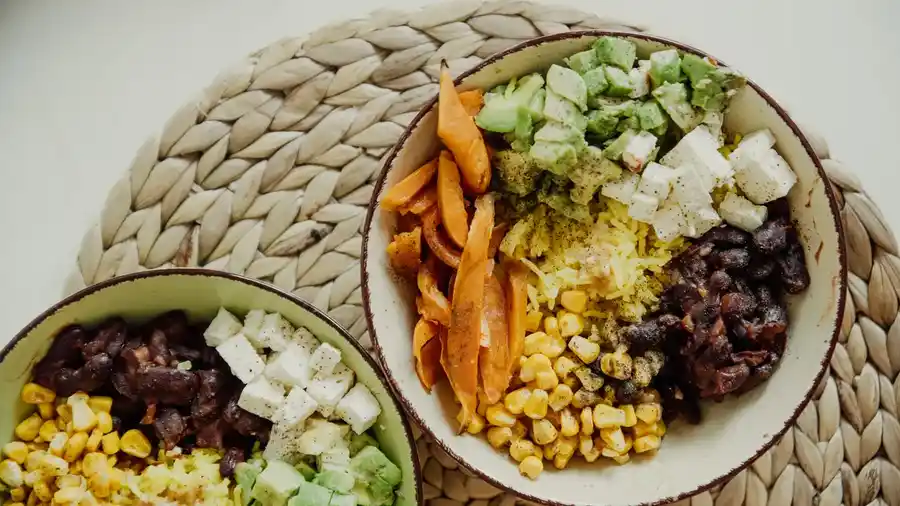
The simplest method is to use a 5-part formula: greens or vegetables, a high-fiber base, lean protein, unsaturated fat, and a low-sodium flavor source. That structure keeps the meal balanced without needing a recipe every time.
Start with 2 to 4 cups of non-starchy vegetables. Think romaine, spinach, arugula, cabbage, cucumbers, tomatoes, peppers, broccoli, shredded carrots, radishes, or roasted cauliflower. This is where volume comes from. A bowl that is mostly greens and crunchy vegetables usually delivers fewer calories per bite than one based mainly on noodles or rice.
Next, add a fiber-rich base if you want the salad to feel like a true meal. Good options include farro, barley, quinoa, brown rice, oats in savory form, lentils, chickpeas, or black beans. A grain base is not required, but it helps if you need longer-lasting fullness. People who are sensitive to blood sugar swings often do better when the bowl includes both fiber and protein instead of vegetables alone.
Protein should be the anchor, not the garnish. Good choices include salmon, sardines, tuna, skinless chicken, tofu, tempeh, edamame, lentils, beans, eggs, plain Greek yogurt in dressings, and small portions of nuts or seeds. The right amount depends on appetite and total day intake, but a bowl without meaningful protein tends to leave people hungry again too soon.
Then add fat on purpose. Olive oil, avocado, walnuts, almonds, pistachios, chia seeds, flaxseed, and tahini can all work well. These foods bring unsaturated fats that fit a heart-healthy pattern, but the portion matters. A few tablespoons of seeds or nuts can transform a bowl; half a cup can push it into snack-plate territory.
Finally, finish with acid, herbs, and spice. Lemon juice, vinegar, mustard, dill, basil, cilantro, cumin, smoked paprika, garlic, ginger, and black pepper provide the loudest flavor for the fewest calories. That matters because people often reach for extra cheese or salty toppings when a bowl tastes flat.
What should go in the bowl — and what should stay out?
A strong bowl usually includes at least one vegetable from the cruciferous family, one legume or whole grain, one protein, and one unsaturated fat source. What should stay out, or stay rare, are the ingredients that quietly turn a “healthy” bowl into a sodium or saturated-fat trap: processed meats, oversized cheese portions, fried toppings, and creamy dressings with long ingredient lists.
The best vegetables for heart-focused bowls are often the ones with texture and color. Cabbage, Brussels sprouts, broccoli, kale, romaine, spinach, beets, peppers, tomatoes, and carrots each bring something different. Cruciferous vegetables are especially useful because they add bite and keep bowls from feeling too soft. Roasted vegetables also make cold bowls more satisfying, which helps with meal prep.
For whole grains, the key is not “superfood status” but the grain’s job in the bowl. Brown rice gives a neutral base. Quinoa brings a little more protein. Farro and barley add chew. Oats can even work in savory bowls if they are cooked with low-sodium broth or water and topped with vegetables and an egg. The point is texture and fiber, not novelty.
Protein choices deserve more scrutiny. Salmon is one of the easiest heart-healthy proteins to use because it adds richness without the same saturated fat profile as many red meats. Canned tuna or salmon can be practical, but watch sodium and choose lower-sodium versions when possible. Beans and lentils are excellent because they bring fiber along with protein, which makes them especially useful in a heart-healthy pattern. Tofu and tempeh are excellent plant-based choices, but tempeh and seasoned tofu can vary a lot in sodium.
What belongs in smaller amounts? Cheese, olives, pickled vegetables, cured meats, salted nuts, and bottled dressings. None of these are forbidden. The issue is concentration. A handful of olives is not the same as a bowl that relies on them for flavor. A crumble of feta is different from a heavy blanket of cheese. A little adds sharpness; a lot can dominate sodium and saturated fat fast. If sodium or saturated fat is a concern for you, consult a clinician or dietitian before making these foods routine staples.
Here is a simple example of the difference:
| Metric | Before | After | Change | Timeline |
|---|---|---|---|---|
| Sodium load | Creamy chicken salad with bacon, cheese, and bottled dressing | Salmon, barley, greens, chickpeas, lemon-olive oil dressing | Lower sodium density by swapping processed toppings for whole foods | One bowl assembly |
| Fiber | Mostly lettuce and creamy add-ons | Greens plus beans plus whole grain | Higher fiber from legumes and grain | Same meal |
| Fat quality | More saturated fat from creamy dressing and cheese | More unsaturated fat from olive oil, salmon, and seeds | Better fat profile | Same meal |
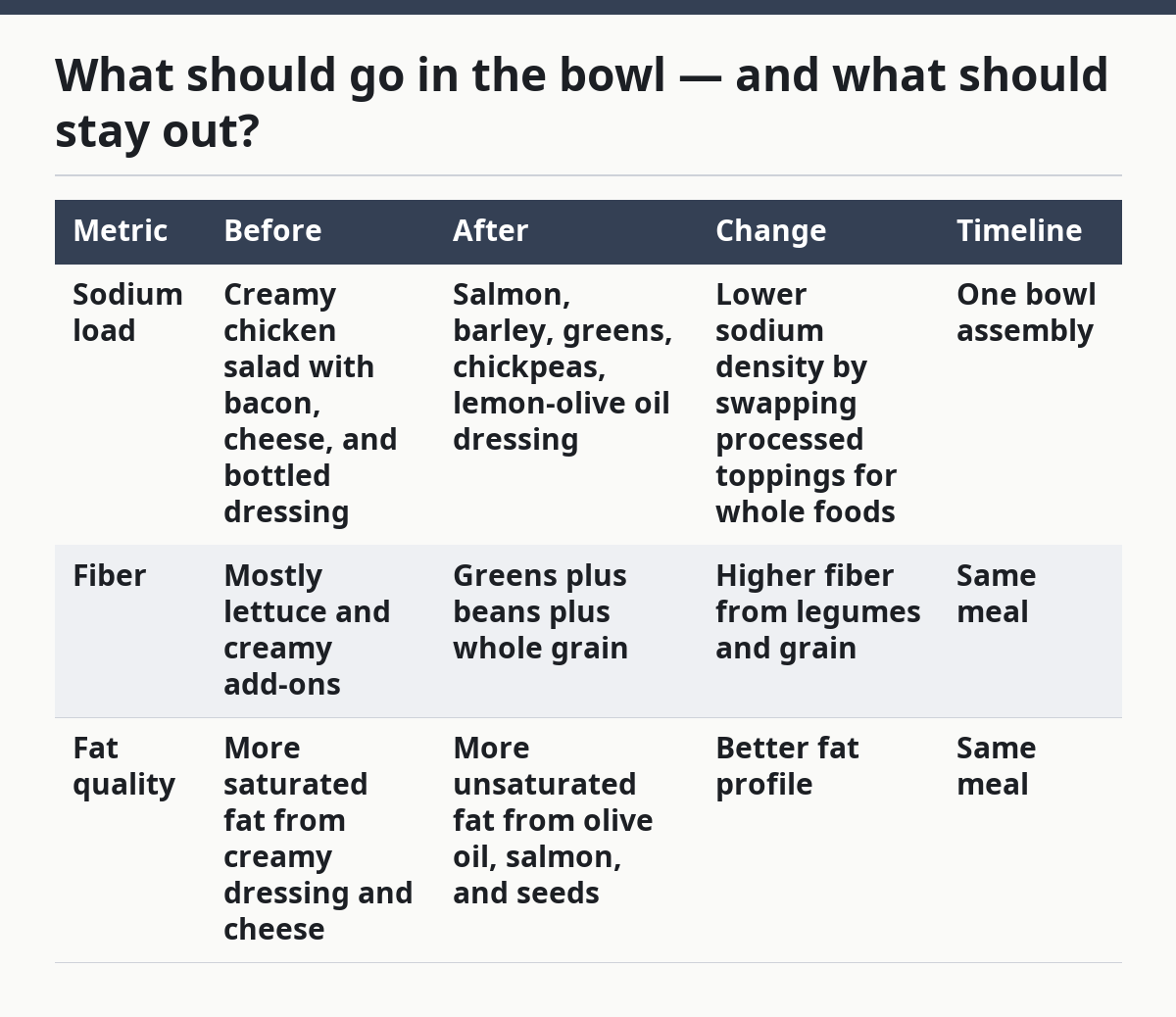
The trade-off is obvious: if you strip out every rich ingredient, the bowl can feel punitive. That is why a little cheese, a few olives, or a spoon of tahini can help adherence. The heart-healthy version is not ascetic; it is controlled.
What is the best dressing for a heart-healthy salad?
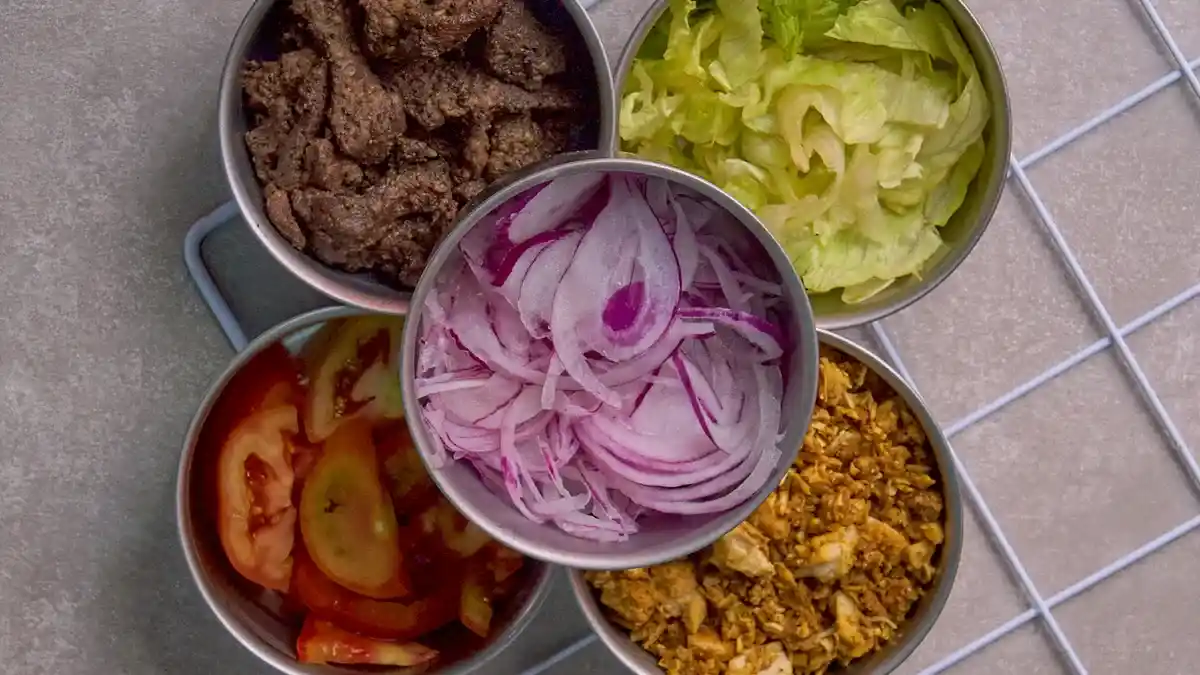
There is no single best dressing for every heart-healthy salad, but simple oil-and-acid dressings, vinaigrettes, and yogurt-based dressings are often the most practical options when sodium and added sugar are kept low. This is the place where many bowls go off the rails, because the salad itself can be excellent while the dressing adds a heavy dose of sodium, sugar, or saturated fat.
A basic vinaigrette uses olive oil, vinegar or lemon juice, mustard, garlic, and herbs. Olive oil is a useful default because it is a source of unsaturated fat and a little goes a long way. The acid brightens vegetables and helps a bowl taste complete without needing a cream base. Dijon mustard can help emulsify the dressing, but many brands contain sodium, so label reading matters. The FDA’s Nutrition Facts label is the quickest way to compare sodium and added sugar across brands.
Yogurt-based dressings are useful when the bowl needs creaminess. Plain Greek yogurt, lemon juice, garlic, herbs, pepper, and a small splash of water can create a thick dressing with more protein and less saturated fat than many bottled creamy options. The downside is that yogurt dressings can taste flat if under-seasoned, which tempts people to add too much salt. The fix is acid and herbs, not more salt.
Tahini dressings are another strong option. Tahini brings sesame flavor, body, and unsaturated fat, especially when thinned with lemon juice and water. It works well with roasted vegetables, chickpeas, cabbage, and grain bowls. It is still calorie-dense, though, so it should be treated as a sauce, not a pour-everywhere ingredient. If you need a weight-management plan or have a medical nutrition target, consult a professional before making tahini a large daily staple.
Store-bought dressings can fit if the label is checked carefully. Look for lower sodium, little or no added sugar, and a shorter ingredient list. The problem is that “light” does not always mean heart-healthy, and “olive oil” on the front does not guarantee a good overall profile. A bottle may still contain a large amount of sodium or added sugar per serving.
A practical portion guide helps here. A salad that needs 2 or 3 tablespoons of dressing per serving is normal. A bowl that tastes good only when it is soaked is a sign that the greens, herbs, acid, or salt balance needs work. The dressing should support the bowl, not wash it out.
What are the biggest mistakes in heart-healthy bowl building?
The biggest mistakes are treating every salad as healthy by default, ignoring sodium, using too little protein, and turning the bowl into a calorie bomb with “healthy” toppings. Those mistakes are common because bowls look virtuous even when their ingredients are doing the opposite.
The first mistake is assuming greens equal nutrition balance. A bowl of lettuce with a few tomatoes and a mountain of ranch is not heart-focused. It may be low in calories, but it is also incomplete and often unsatisfying. People then compensate later with crackers, snacks, or a second meal. A useful bowl needs enough protein and fiber to function as a meal, not as a side dish.
The second mistake is forgetting sodium in the toppings. Canned beans, deli meat, smoked fish, olives, feta, pickles, roasted nuts, croutons, and bottled dressings can all raise sodium fast. One ingredient rarely ruins a meal, but several together can. Rinsing canned beans, choosing low-sodium broth or canned goods, and using fresh herbs instead of salted seasoning blends all help.
The third mistake is overdoing the “good fats.” Avocado, nuts, seeds, olive oil, and tahini all deserve a place in the bowl, but each is energy-dense. A quarter avocado is different from a whole one. A tablespoon of seeds is different from a cup. A light drizzle of oil is different from a free pour. The problem is not the food; it is the unchecked serving size.
The fourth mistake is relying on processed plant-based substitutes that are not actually heart-forward. Some meatless nuggets, faux bacon, and flavored protein strips are still high in sodium and can be low in fiber. They may fit occasionally, but they should not be the foundation of a heart-healthy pattern.
The fifth mistake is ignoring satisfaction. A bowl that is too cold, too dry, too low in texture, or too bland will not stick. Adding roasted vegetables, a warm grain, crunchy seeds, and a sharp dressing usually fixes that. Heart health improves when the meal is repeatable, not just theoretically pure.
A bowl-building formula you can use all week
A reliable bowl formula is 1 to 2 cups of vegetables, 1/2 to 1 cup of whole grains or beans, 3 to 5 ounces of protein, 1 to 2 tablespoons of healthy fat, and a dressing built from acid and herbs. That formula is flexible enough to cover lunch, dinner, and meal prep without turning every meal into a separate project.
The easiest place to start is with one template and three variations. For example:
- Base: mixed greens + cabbage
- Grain/legume: quinoa or chickpeas
- Protein: salmon, tofu, or chicken
- Fat: avocado, walnuts, or tahini
- Flavor: lemon, dill, garlic, or cumin
That same template can become very different bowls. Lemon-dill salmon with quinoa and cucumbers tastes nothing like cumin tofu with chickpeas and cabbage, even though the structure is the same. That matters because repetition works when the framework stays consistent but the flavor shifts.
Meal prep also becomes easier this way. Roast a tray of vegetables, cook one grain, wash greens, and keep 2 or 3 proteins ready. Then assemble bowls in minutes instead of trying to cook from scratch every time hunger hits. The main risk in meal prep is boredom, so use different sauces and textures rather than changing the whole system.
A useful set of swaps looks like this:
| Metric | Before | After | Change | Timeline |
|---|---|---|---|---|
| Main fat source | Creamy bottled dressing | Lemon-olive oil vinaigrette | Less saturated-fat pressure, more control over ingredients | Immediate |
| Protein source | Fried or processed topping | Salmon, beans, tofu, or chicken | Better protein quality and usually less sodium | Immediate |
| Bowl texture | Soft, one-note greens | Crunchy cabbage, roasted vegetables, seeds | More satisfying eating experience | Immediate |
| Prep time | Separate cooking every meal | Batch prep once, assemble through the week | Less friction across multiple meals | 30 to 60 minutes of prep |
The best all-week system is the one you will actually use on a Tuesday night. If a bowl takes too many ingredients, too much cleanup, or too much perfection, it will lose to takeout. Simplicity is not a compromise here; it is the mechanism that makes the pattern last.
Is a heart-healthy bowl enough for every meal?
A heart-healthy bowl is not automatically the best choice for every meal, and it is not the right pattern for every appetite or medical situation. That honesty matters because a perfect-looking salad can still fail a person who needs more calories, more protein, or a different texture to feel well.
Someone who trains hard, works a physical job, or struggles to maintain weight may need a heart-healthy bowl plus extra whole grains, fruit, yogurt, or another side. A frail older adult may need softer vegetables, easier chewing, and a higher-calorie version with extra olive oil or avocado. A person with kidney disease, diabetes, food allergies, or a sodium-restricted diet may need a more tailored plan than a generic bowl formula can provide. In those cases, a registered dietitian or clinician is the right source, not an internet template.
There are also times when a bowl is the wrong format. After a long fast, a person may tolerate cooked vegetables, soup, or a warm grain dish better than a huge raw salad. In cold weather, a warm bowl often works better than a crisp one. If digestion is sensitive, too much raw cruciferous vegetable or too many beans at once may cause bloating. That does not mean the model is wrong; it means the ingredients need adjustment.
The real value of Heart-Healthy Salad and Bowl Building is not that it makes one perfect lunch. It is that it gives a repeatable structure for most meals, with clear guardrails on sodium, saturated fat, and fiber. The formula is strong enough to use often and flexible enough to adapt. That is what makes it useful.
Quick build examples for different needs
A heart-healthy bowl works best when the ingredients match the eater’s goal, not just a general “healthy” label. Below are three practical builds that show how the same framework changes by need.
For a high-satiety lunch, use farro, chickpeas, roasted Brussels sprouts, spinach, pumpkin seeds, and a lemon-tahini dressing. This version leans on fiber and chew, which helps people who get hungry fast between meals. The grain and legumes make it feel substantial, and the tahini gives enough richness to prevent the bowl from feeling like rabbit food.
For a lighter dinner, use mixed greens, cucumber, tomatoes, avocado, grilled salmon, and a simple olive oil and vinegar dressing. This version is lower in starch and easy to digest for many people. The salmon adds protein and heart-friendly fat without needing heavy toppings. It also works well when appetite is lower or the rest of the day was already carb-heavy.
For a plant-based meal, use brown rice, black beans, roasted peppers, red cabbage, salsa, cilantro, and a spoon of plain yogurt or cashew sauce if dairy-free. This version gives protein, fiber, and texture without depending on meat substitutes. It is especially practical for batch cooking because rice and beans hold up well for several days.
Each of these bowls keeps the same health logic but changes the emphasis. That is the whole point. A heart-healthy pattern should not feel like one recipe repeated forever. It should feel like a method that can survive real life, a grocery run, and a crowded weeknight.
Key Takeaways
- Build the bowl around vegetables first, then add protein, fiber, and a measured fat source.
- Keep an eye on sodium in canned foods, dressings, olives, cheese, and processed toppings.
- Use olive oil, nuts, seeds, avocado, salmon, beans, and yogurt in portions that support the meal instead of dominating it.
- Acid, herbs, garlic, mustard, and spices create flavor without turning the bowl into a salt bomb.
- A heart-healthy bowl is a framework, not a single recipe, and it should be adjusted for appetite, digestion, and medical needs.
A final note from the evidence-based side: the American Heart Association and the Dietary Guidelines for Americans are the most useful starting points for this topic, but a personal diet plan still belongs with a qualified clinician when medical conditions are in play.
Drafted with AI; not yet reviewed by a person.