Last updated: November 19, 2026
Quick Answer: You can make a heart-healthy pantry meal in about 10 to 30 minutes with three parts: a whole grain, a protein, and a flavor base. Heart-Healthy Pantry Meals You Can Make From Shelf-Stable Ingredients can be built from beans, whole grains, canned fish, tomato sauce, nuts, and broth without a fresh-food run. The trick is not “what can I eat from the cupboard?” but “how do I build a filling meal that stays lower in saturated fat, keeps sodium in check, and still tastes like dinner?” For sodium guidance, see the American Heart Association and Dietary Guidelines for Americans. https://www.heart.org/; https://www.dietaryguidelines.gov/
Key Takeaways
- Pantry staples are best when they add fiber, unsaturated fat, or lean protein without much added salt or sugar.
- These pantry meals work because each plate has contrast: soft and firm, savory and acidic, mild and spiced.
- Shelf-stable proteins work best when they sit with fiber-rich grains or beans instead of heavy sauce.
- Meal formulas cut decision fatigue and speed up dinner.
What shelf-stable ingredients work best for heart-healthy meals?
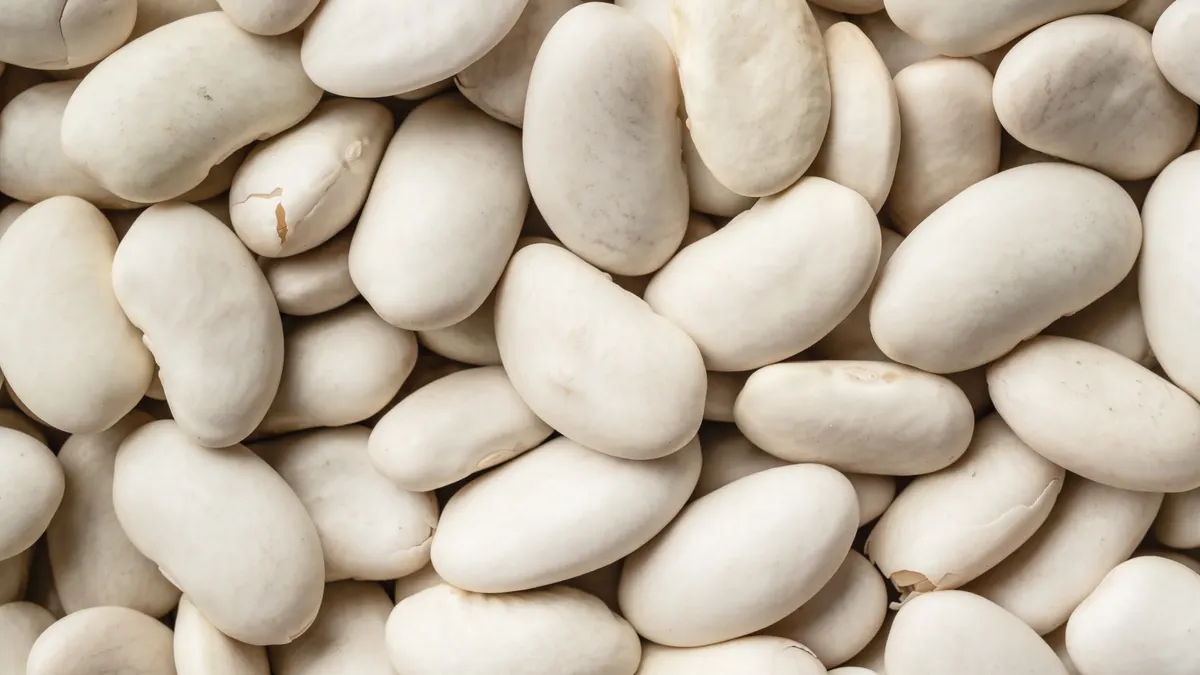
Shelf-stable ingredients work best when they bring fiber, unsaturated fat, or lean protein without a lot of added salt or sugar. That means canned beans, canned fish such as salmon or tuna, whole grains like brown rice, oats, quinoa, and whole-wheat pasta, tomato sauce, unsalted nuts, and low-sodium broth. For label reading and sodium choices, the FDA and American Heart Association are useful references. https://www.fda.gov/; https://www.heart.org/
The useful pantry is not a pile of random boxes. It is a few dependable building blocks that can be combined in different ways:
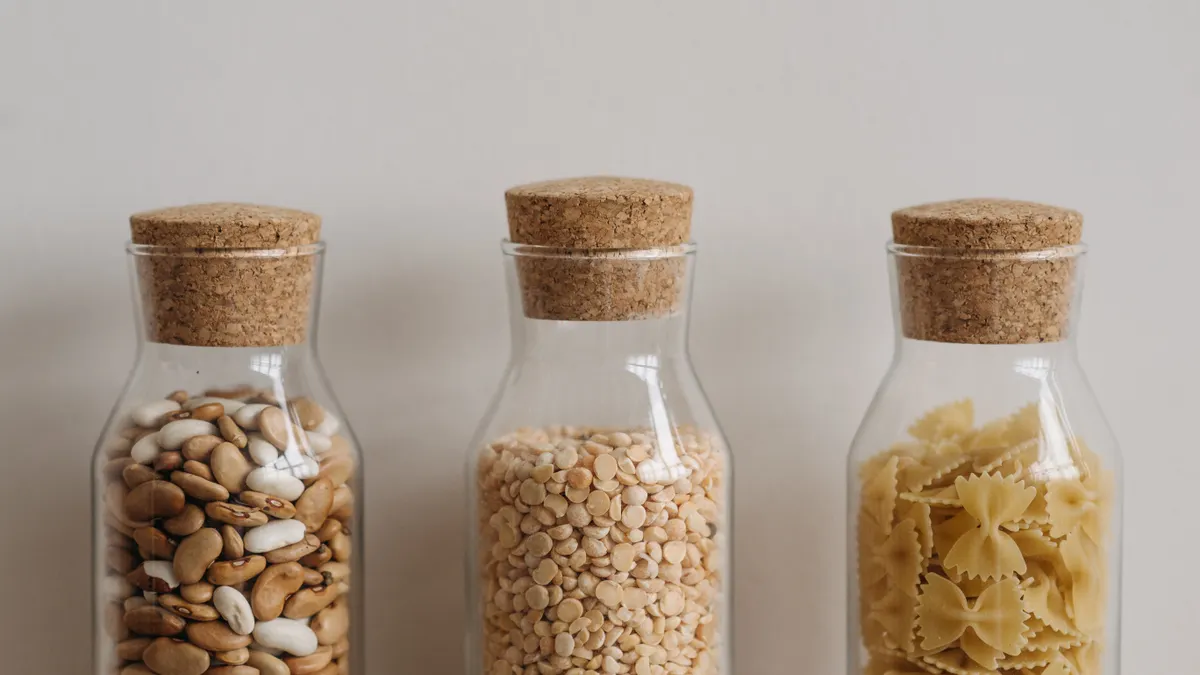
- Canned beans: black beans, chickpeas, cannellini beans, kidney beans. They give body to soups, grain bowls, and skillet meals.
- Canned fish: salmon, tuna, sardines, mackerel. These are compact protein sources; fish also brings omega-3 fats, which many heart-health eating patterns favor.
- Whole grains: brown rice, barley, farro, oats, quinoa, whole-wheat couscous, whole-grain pasta. These make meals more filling and help stretch the proteins.
- Tomato sauce and crushed tomatoes: these make fast braises and pasta sauces.
- Nuts and seeds: walnuts, almonds, sunflower seeds, pumpkin seeds. These add texture and a fat profile that is usually better suited to heart-health goals than butter-heavy toppings.
- Broth: low-sodium broth or stock lets you turn grains into pilafs, beans into soup, and vegetables into a real meal base.
The limitation is simple: shelf-stable ingredients are convenient, but they can be sodium-heavy if you choose the wrong versions. If you are managing hypertension, heart failure, or kidney disease, speak with a clinician or dietitian about the sodium range that fits your plan. Heart-healthy pantry cooking is flexible; it is not one-size-fits-all.
For broader planning, this page fits into the hub on heart-healthy pantry, fridge, and freezer planning, which helps connect shelf-stable meals with chilled and frozen options. Related guides on heart-healthy meal prep, low-sodium pantry staples, and budget heart-healthy dinners can help you stock the same core ingredients in more than one format.
How do I build a heart-healthy pantry meal without fresh food?
You build it in 3 parts: a grain, a protein, and a flavor base, then finish with texture from nuts or seeds if you have them. That formula gives you a meal that is complete enough for dinner and sturdy enough to come from the pantry alone.
Here is the core procedure:
- Choose one whole grain. Use 1 cup dry brown rice, barley, quinoa, or whole-wheat pasta, or 1½ cups dry oats for a savory bowl. You should end up with a base that carries the rest of the meal instead of disappearing under sauce.
- Add one protein. Stir in 1 can of beans, or 1 can of fish, or both if the recipe needs more substance. The goal is steady protein without relying on sausage, bacon, or heavy cheese.
- Build flavor with a shelf-stable liquid. Use 1 to 2 cups low-sodium broth, 1 cup tomato sauce, or a mix of both. Heat it long enough for the grain to absorb flavor, usually 10 to 25 minutes depending on the grain.
- Season with pantry basics. Garlic powder, onion powder, black pepper, cumin, chili powder, oregano, curry powder, or red pepper flakes can turn the same ingredients into very different meals. Start with 1/2 teaspoon of strong spices and adjust after 5 minutes.
- Finish with crunch or fat. Add 1 to 2 tablespoons chopped walnuts, almonds, sunflower seeds, or olive oil if the meal needs more richness. This helps the bowl feel finished instead of thin.
A few practical examples follow that formula:
- Tomato chickpea pasta: whole-wheat pasta, canned chickpeas, tomato sauce, garlic powder, black pepper, and a spoon of chopped walnuts on top if you like crunch.
- Bean and barley soup: barley, cannellini beans, broth, oregano, and crushed tomatoes.
- Salmon rice bowl: brown rice, canned salmon, a little broth to loosen the rice, pepper, dill if available, and pumpkin seeds.
- Savory oats with beans: oats cooked in broth, black beans stirred in at the end, cumin, and a few sunflower seeds.
The common mistake is making the pantry meal too dry. Dry pasta and plain beans on a plate are not dinner. Broth, tomato sauce, and a bit of oil or nut topping give the meal body. Another mistake is leaning on cheese as the main flavor. Cheese can fit, but it does not need to be the only thing making the meal work.
Heart-healthy pantry meals that actually taste like dinner
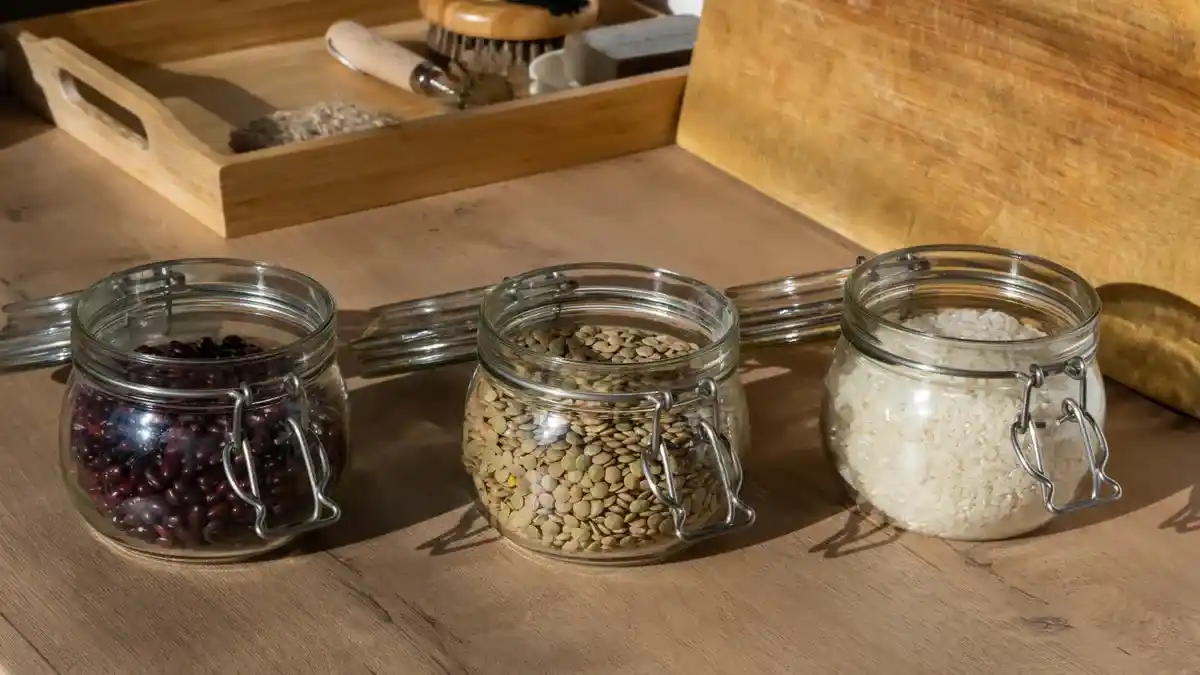
Heart-healthy pantry meals taste like dinner when each one has contrast: soft and firm, savory and acidic, mild and spiced. A can of beans and a box of grains are a start, not the finish.
1. Tomato beans over whole grains
Simmer 1 can of beans with 1 cup tomato sauce and 1/2 to 1 cup water or broth for 10 minutes. Serve over brown rice, barley, or whole-wheat pasta. If the beans are saltier than you want, rinse them briefly under cool water first. This works especially well with kidney beans, chickpeas, or cannellini beans.
2. Canned salmon rice skillet
Warm cooked brown rice with a splash of broth, then fold in canned salmon, black pepper, and a small amount of garlic powder. Top with chopped walnuts or sunflower seeds if available. Salmon is especially useful here because it gives the meal protein without the heaviness of processed meats.
3. Chickpea tomato soup with oats or barley
Cook barley directly in low-sodium broth and add chickpeas plus crushed tomatoes. Simmer 20 to 30 minutes, or until the barley is tender. Oats can do the same job in a shorter time, about 8 to 10 minutes, though the texture is softer. This can be one of the best shelf-stable meals for cold nights because it feels substantial without needing cream.
4. Tuna and white bean pasta
Toss whole-wheat pasta with drained tuna, white beans, tomato sauce, oregano, and black pepper. If the sauce seems flat, add a pinch of chili flakes or a small splash of vinegar. The acid makes canned ingredients taste brighter, which matters when you are not using fresh herbs.
5. Savory nutty grain bowl
Use quinoa or brown rice as the base, then add beans, a spoonful of tomato sauce or broth, and a topping of walnuts or almonds. This meal is simple, but it works when you need something fast and dense enough to hold you until the next meal.
These meals are not for someone looking for low-effort comfort food that depends on butter, cream, cured meat, or large amounts of cheese; if you need a medically tailored diet, consult a clinician or dietitian. The American Heart Association and the Academy of Nutrition and Dietetics both point people toward lower-saturated-fat patterns that still allow flexible cooking. https://www.heart.org/; https://www.eatright.org/ They are for the cook who wants dependable pantry meals that fit a heart-health pattern without pretending the pantry is a restaurant.
How can shelf-stable proteins carry the meal?
Shelf-stable proteins can carry the meal when they are paired with fiber-rich grains or beans and not buried in heavy sauce. Canned fish and canned beans are the two workhorses here, and they each solve a different problem.
Canned beans are the easiest way to make a meal feel complete. They provide bulk, fiber, and enough protein to anchor soups, stews, and grain bowls. Black beans work well with cumin and tomato. Chickpeas take to curry powder or garlic. Cannellini beans are mild and blend into soup nicely.
Canned fish is the faster protein. Tuna, salmon, sardines, and mackerel all work in pantry meals, but each has a different texture. Tuna breaks into flakes and disappears into pasta or rice. Salmon stays more distinct and works well in bowls. Sardines and mackerel have stronger flavor and can dominate a dish, so they are better when you want a bold meal instead of a mild one.
A useful rule is this: if the protein is small in volume, let the grain or bean carry part of the load. A 1-can tuna dinner becomes a real meal when it sits on a bowl of whole grains and beans, not on plain noodles. The same is true for canned salmon mixed into rice with tomatoes or broth.
The trade-off is taste and sodium. Shelf-stable proteins are convenient, but some cans are heavily seasoned or packed in salty liquid. If sodium is a concern, choose lower-sodium versions when available and use herbs, pepper, garlic powder, lemon juice powder, vinegar, cumin, or chili flakes to replace the missing flavor. If you are on a clinician-directed sodium restriction, follow that plan rather than guessing.
Pantry meal formulas that save time on busy nights
Pantry meal formulas save time because they remove decision fatigue. Instead of asking what to cook from scratch, you pick a pattern and fill it with whatever shelf-stable ingredients you already have.
-
Soup formula: broth + beans + grain + spice.
Example: low-sodium broth, chickpeas, barley, oregano. Simmer 20 to 30 minutes. -
Pasta formula: whole-wheat pasta + tomato sauce + beans or fish.
Example: pasta, tomato sauce, cannellini beans, black pepper. Ready in about 15 minutes if the pasta is already boiling. -
Rice bowl formula: brown rice + protein + acidic sauce.
Example: rice, canned salmon, tomato sauce thinned with broth. Add sunflower seeds for crunch. -
Skillet formula: grain + beans + seasonings in one pan.
Example: cooked quinoa, black beans, cumin, garlic powder, and a tablespoon of chopped walnuts. -
Oat bowl formula: oats + broth + savory mix-ins.
Example: oats cooked in broth with white beans and pepper. This sounds unusual, but it is useful when the pantry is thin and you want a hot meal in 10 minutes.
The mistake to avoid here is overcomplicating the formula with too many ingredients. A pantry meal does not need 12 items to work. It needs balance. One grain, one protein, one flavor base, one seasoning path. If you add a fifth or sixth ingredient, it should improve texture or brightness, not just increase volume.
Storage matters too. Keep the ingredients you reach for at eye level so the meal formula stays practical: grains in sealed containers, canned goods grouped by type, nuts in a cool, dark place, and broth cartons rotated before they sit too long. Pantry meals only stay easy if the pantry itself is organized enough to support them.
What mistakes make pantry meals less heart-healthy?
The biggest mistakes are choosing the wrong sodium level, relying on refined starches, and using fat-heavy shortcuts that erase the point of the meal. Those choices can turn a promising pantry dinner into something that is filling but not especially heart-friendly.
Here are the ones that show up most often:
- Using only refined grains. White pasta or instant white rice can work sometimes, but if they are the base of every meal, the meal loses fiber and staying power. Use brown rice, oats, barley, quinoa, or whole-wheat pasta when you can.
- Treating canned fish like a garnish. A few forkfuls of tuna scattered on pasta is not enough. Use the whole can so the protein actually anchors the meal. If you have specific nutrition needs, a dietitian can help with portions.
- Skipping acid and seasoning. Without tomato sauce, vinegar, dried herbs, or spices, pantry food can taste flat. Flat food pushes people toward salty toppings, more cheese, or second helpings of less useful foods.
- Loading up on processed meat. Pepperoni, sausage, and bacon are easy pantry add-ons, but they are the wrong direction for a heart-health goal.
- Ignoring sodium on the label. Many shelf-stable ingredients are usable, but not all of them fit the same plan. A pantry meal can be “from the pantry” and still be too salty for someone with blood pressure or fluid restrictions.
There is also a practical mistake that has nothing to do with nutrition: buying ingredients that only work in one recipe. A jar of an unusual sauce may sit untouched, while a can of beans or a bag of oats will get used in 10 different meals. A heart-healthy pantry works because its ingredients have range.
If you want the pantry to support the rest of your meal planning, the hub on heart-healthy pantry, fridge, and freezer planning helps connect these shelf-stable staples with fresh and frozen foods without making every dinner start from scratch.
What shelf-stable foods are heart-healthy?
Shelf-stable foods that fit a heart-healthy pattern usually include canned beans, canned fish, whole grains, unsalted nuts, tomato products, and low-sodium broth. They are most useful when they are minimally processed and not packed with extra salt, sugar, or saturated fat. The exact fit depends on your health needs, especially if you follow a sodium-restricted plan.
What can you cook from pantry staples for heart health?
You can cook soups, pasta dishes, grain bowls, skillet meals, and savory oat bowls from pantry staples for heart health. A simple template is grain plus bean or fish plus broth or tomato sauce plus seasoning. That formula works with canned chickpeas, tuna, brown rice, whole-wheat pasta, and low-sodium broth in about 10 to 30 minutes.
How do you stock a pantry for heart-healthy meals?
You stock it with a few versatile shelf-stable ingredients that can combine in many ways: canned beans, canned fish, whole grains, tomato sauce, nuts, and broth. The goal is not a huge shopping list. It is a small set of dependable staples that can become soup, pasta, or a rice bowl without extra grocery runs.
Drafted with AI; not yet reviewed by a person.