Last updated: November 19, 2026
Quick Answer: for most adults, a practical starting point is the half-plate vegetables rule, with one quarter protein and one quarter whole grains, plus unsaturated fat in a small amount.
Key Takeaways
- The American Heart Association recommends a dietary pattern built around vegetables, fruits, whole grains, beans, legumes, nuts, seeds, fish, and liquid plant oils.
- The most useful heart-healthy meal plan depends on which number you want to improve first, such as blood pressure, LDL, triglycerides, weight, or blood sugar.
- A heart-healthy day should be simple enough to repeat, but varied enough to prevent boredom and nutrition gaps.
- A focused grocery list is usually short, specific, and easy to follow.
Heart-Healthy Meal Planning for Specific Goals works best when it matches a goal you can actually live with: lower blood pressure, improve LDL cholesterol, manage diabetes, lose weight, or keep food affordable without drifting into ultra-processed defaults. The core move is the same in every case—build meals around vegetables, fruit, legumes, whole grains, nuts, seeds, fish, and unsaturated fats—but the details change fast once the goal changes. For authoritative guidance, the American Heart Association and the 2020–2025 Dietary Guidelines for Americans both support this general pattern. See the American Heart Association’s dietary guidance and the Dietary Guidelines for Americans for the underlying framework.
The biggest mistake is treating “heart-healthy” as one rigid menu, so it helps to match the plan to your diagnosis and to check with a registered dietitian or clinician if you have one. A person trying to lower LDL has different priorities from someone trying to keep sodium under control for hypertension, and both have different needs from someone planning meals after a coronary event. This guide breaks the job into specific goals, shows what to change, what to keep, and where the trade-offs are real. It also points to practical standards from the American Heart Association and the Dietary Guidelines for Americans, because the right plan is the one that fits both the cardiology advice and the grocery cart.
What does heart-healthy meal planning actually mean?
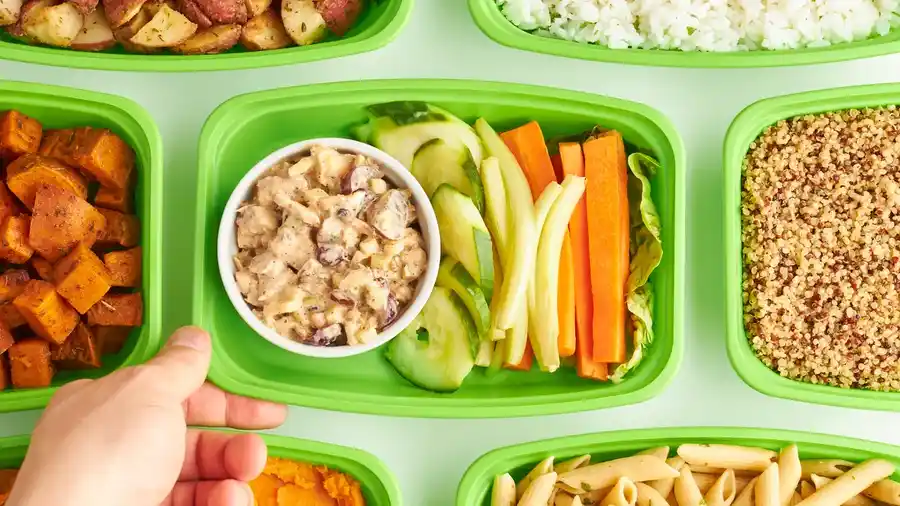
Heart-healthy meal planning means choosing a pattern of eating that lowers the main drivers of cardiovascular risk: high LDL cholesterol, high blood pressure, excess sodium, poor glycemic control, excess body weight, and low intake of fiber-rich foods. The American Heart Association recommends a dietary pattern centered on vegetables, fruits, whole grains, beans, legumes, nuts, seeds, fish, and liquid plant oils rather than butter, shortening, and trans fat. The 2020–2025 Dietary Guidelines for Americans give a similar structure and also advise keeping added sugar, saturated fat, and sodium in check. The U.S. Dietary Guidelines say to keep sodium under 2,300 milligrams per day for most people, which gives meal planning a concrete target.
That sounds broad because it is broad. The point is not to memorize a list of “good” foods and “bad” foods. The point is to make repeated meals do the work. A heart-healthy breakfast, for example, is usually not a special recipe; it is oats, fruit, and nuts, or eggs with vegetables and whole-grain toast, or plain yogurt with berries and seeds. A heart-healthy lunch is not a tiny salad that leaves you hungry by 3 p.m.; it is a bowl, sandwich, or plate with protein, fiber, and a fat source that keeps you full. For readers comparing approaches, the same structure shows up in many of the meal-planning tips used by the American Heart Association and the CDC’s healthy eating guidance.
The first practical rule is to stop building meals around a meat portion and then filling in the sides. Build from plants first, then add protein, then add fat. That structure matters because fiber and unsaturated fats do more of the cardiovascular heavy lifting than a plate dominated by refined grains and saturated fat. For a related planning example, see our guide to heart-healthy breakfast ideas and healthy meal prep basics.
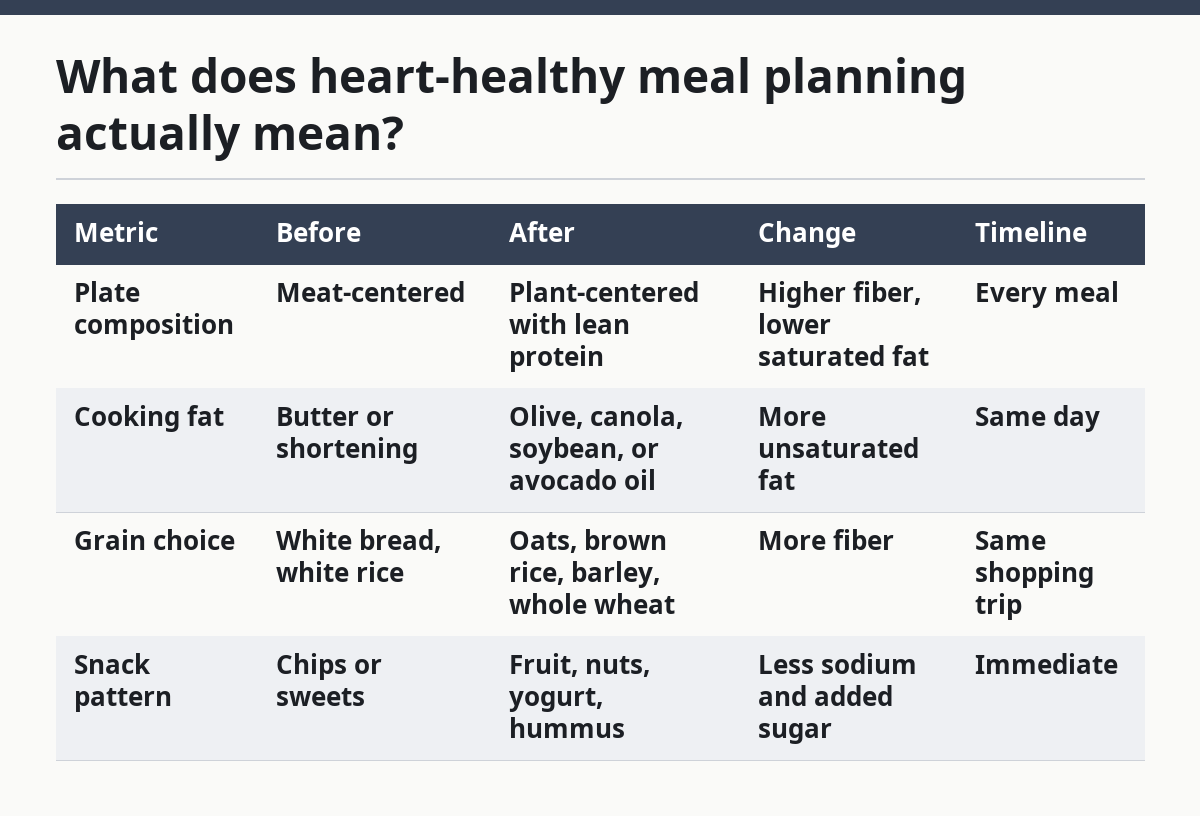
Here is the simplest version of the pattern:
| Metric | Before | After | Change | Timeline |
|---|---|---|---|---|
| Plate composition | Meat-centered | Plant-centered with lean protein | Higher fiber, lower saturated fat | Every meal |
| Cooking fat | Butter or shortening | Olive, canola, soybean, or avocado oil | More unsaturated fat | Same day |
| Grain choice | White bread, white rice | Oats, brown rice, barley, whole wheat | More fiber | Same shopping trip |
| Snack pattern | Chips or sweets | Fruit, nuts, yogurt, hummus | Less sodium and added sugar | Immediate |
This approach is not for people looking for a “cardiac cleanse,” a juice reset, or a strict list of forbidden foods. Those plans are usually too narrow to sustain and too weak to change the numbers that matter. It is also not ideal for someone who needs a medically supervised therapeutic diet after complex heart disease, advanced kidney disease, or a severe eating disorder. In those cases, the meal plan needs a registered dietitian and sometimes a physician’s input. For broader context, the National Heart, Lung, and Blood Institute also emphasizes individualized nutrition support in cardiovascular care.
Which heart health goal are you planning for?
The best heart-healthy meal plan depends on the one number you want to move first: blood pressure, LDL cholesterol, triglycerides, body weight, or blood sugar. That goal decides whether sodium, saturated fat, portion size, carbohydrate quality, or meal timing gets the most attention.
A generic “eat healthier” plan often fails because it tries to fix five problems at once with one vague grocery list. A tighter target gives the plan a job, and it makes it easier to use tools like our heart-healthy grocery list without overbuying. For blood pressure, the American Heart Association and the National Institutes of Health both point people toward sodium control; for cholesterol, the AHA emphasizes saturated-fat reduction and fiber.
If the goal is lower blood pressure
For blood pressure, sodium is the first lever, and the most useful target is the overall pattern of the day rather than one “low-sodium” dinner. The American Heart Association says most adults should aim for no more than 2,300 milligrams of sodium per day, and an ideal limit of 1,500 milligrams per day is even better for many people. That means the breakfast sandwich matters just as much as the soup at lunch.
The practical move is to replace cured meats, restaurant sauces, packaged soups, salty snacks, and frozen entrées with fresh or simply prepared foods. Use garlic, citrus, vinegar, pepper, cumin, paprika, ginger, herbs, and salt-free seasoning blends to make the food taste like something. Rinse canned beans when possible. Choose low-sodium broth. Buy “no salt added” tomatoes when possible.
A blood-pressure plan is not the place to obsess over exotic superfoods. The gains come from fewer packaged sodium sources, not from a handful of beet shots. For a practical day-by-day example, see our low-sodium meal plan.
If the goal is lower LDL cholesterol
For LDL, saturated fat and fiber are the two biggest food levers. The American Heart Association advises limiting saturated fat to less than 6% of daily calories for many people who need to lower cholesterol, and that usually means cutting back on butter, cheese-heavy meals, fatty red meat, coconut oil, and pastries made with hard fats.
The same plan needs more soluble fiber from oats, barley, beans, lentils, apples, citrus, and okra. Soluble fiber binds bile acids and helps the body pull cholesterol from circulation. That is not a vague “clean eating” effect; it is a specific mechanism.
A person who loves steak does not need to become vegetarian to improve LDL, but the weekly structure has to change. A smaller amount of lean meat, more fish, more beans, and more unsaturated fat usually works better than trying to “balance” a heavy meal with a side salad. If LDL is the main concern, our cholesterol-friendly recipes page shows the same pattern in practice.
If the goal is weight loss with heart protection
For weight loss, the trick is not cutting food to the point of rebound hunger. It is building meals with high satiety per calorie. That usually means more vegetables, legumes, lean protein, fruit, and high-fiber grains, and fewer drinks and snacks that add calories without fullness.
A useful comparison is a bowl of beans, brown rice, salsa, greens, and avocado versus a fast-food combo meal. Both may be convenient, but the first usually brings more fiber and fewer calorie spikes. The second often brings more sodium and more refined starch.
This goal is not for anyone who has been told to gain weight, is recovering from an eating disorder, or needs extra calories for a medical reason. A heart-healthy plan should not become a hidden starvation plan. If weight loss is the goal, our portion control guide can help keep the plan realistic.
If the goal is better blood sugar control
For diabetes or prediabetes, meal planning needs more attention to carbohydrate quality and portion size. Whole grains, beans, and nonstarchy vegetables are usually easier on blood sugar than refined grains and sugary drinks. Pairing carbohydrate with protein and fat also blunts spikes.
This does not mean low-carb by default. It means carbs with a job. Oatmeal, beans, fruit, plain yogurt, quinoa, and intact grains usually fit better than pastries, sweetened cereals, white bread, and large portions of rice or pasta without protein.
The trade-off is real: if the person cuts carbs too aggressively, the diet can become hard to sustain, low in fiber, and expensive. The better move is usually quality first, then quantity. For a more detailed framework, see our diabetes meal planning basics.
What should a heart-healthy day of eating look like?
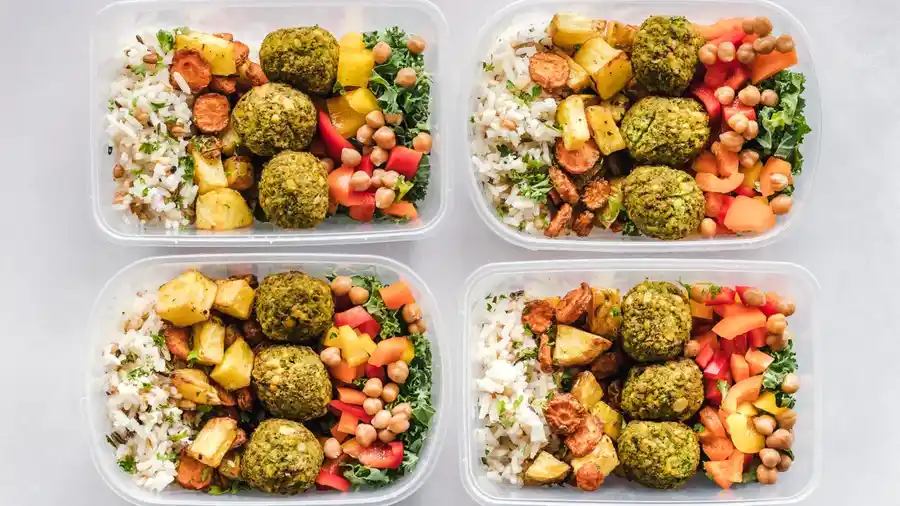
A heart-healthy day of eating should be repetitive enough to manage, but varied enough to avoid boredom and gaps in nutrition. The best structure is usually three meals and one or two planned snacks, with protein, fiber, and unsaturated fat showing up in most eating occasions.
A useful template looks like this:
- Breakfast: oats with berries and walnuts, or eggs with vegetables and whole-grain toast
- Lunch: bean and grain bowl, tuna sandwich on whole grain, or lentil soup with a side salad
- Dinner: salmon, tofu, or chicken with roasted vegetables and a whole grain
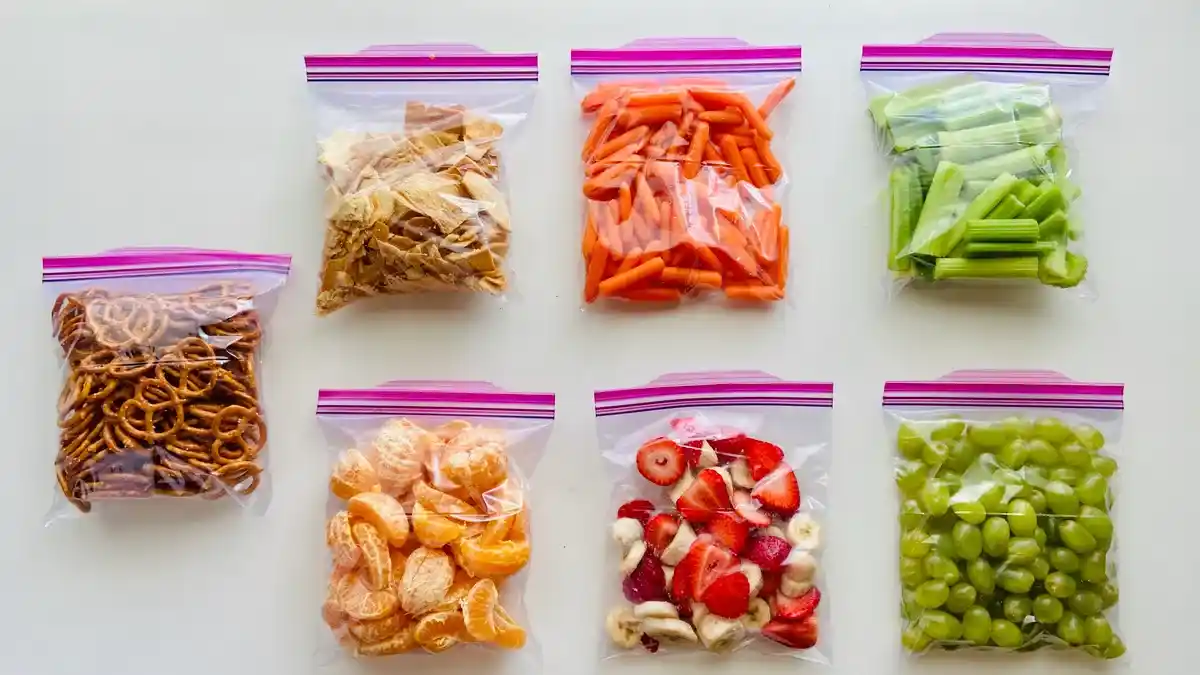
- Snacks: fruit, plain yogurt, nuts, hummus, or cut vegetables
The aim is not perfection. It is repetition of the right patterns often enough that they become normal. A person who plans for breakfast is far less likely to buy a pastry at 10 a.m. A person who keeps a container of cooked lentils in the fridge is less likely to default to takeout. That kind of rhythm is central to Heart-Healthy Meal Planning for Specific Goals.
Meal timing matters less than the total pattern for most people, but long gaps can backfire if they lead to overeating later. A three-hour commute, a shift job, or caregiving can make “sit-down meals” unrealistic, so portable options matter: plain Greek yogurt, a banana with nuts, unsalted trail mix, whole-grain crackers with hummus, or a turkey and avocado sandwich on whole grain.
The most common mistake is making the dinner ideal while leaving the rest of the day on autopilot. A plate of grilled fish at night does not cancel a sodium-heavy breakfast and a sugar-heavy snack pattern.
Here is a before-and-after example of a day:
| Metric | Before | After | Change | Timeline |
|---|---|---|---|---|
| Breakfast sodium | Packaged breakfast sandwich | Oats, fruit, nuts | Lower sodium and higher fiber | Day 1 |
| Lunch fiber | White bread lunch + chips | Bean bowl with brown rice | More fiber | Day 1 |
| Dinner fat quality | Fried entree | Baked salmon with olive oil | Less saturated fat | Week 1 |
| Snack quality | Candy bar | Apple and peanut butter | Less added sugar | Immediate |
This structure is not ideal for someone who insists on skipping breakfast and then eating one huge late meal every day. That pattern can work for some people, but it is harder to keep blood pressure, blood sugar, and hunger stable when all the day’s calories land in one sitting.
The grocery list that actually fits the goal
The right grocery list is usually short, specific, and practical in the best possible way. It should make the planned meals easy and the problem foods harder to grab by reflex. The core list for most heart-healthy goals includes vegetables, fruit, beans, lentils, oats, barley, brown rice, whole-wheat bread or pasta, plain yogurt, eggs, fish, tofu, skinless poultry, nuts, seeds, and olive or canola oil.
That list needs adjusting for the specific goal, and Heart-Healthy Meal Planning for Specific Goals works best when the cart matches the plan. For blood pressure, prioritize no-salt-added canned tomatoes, low-sodium broth, frozen vegetables without sauces, plain rice and oats, and fresh protein that has not been brined or cured. For LDL, add more oats, barley, beans, walnuts, almonds, and seeds, because those foods help replace saturated fat with fiber and unsaturated fat. For blood sugar, lean harder on nonstarchy vegetables, legumes, and whole grains with intact texture instead of refined starches and sweet drinks.
The pantry is part of the plan. A stocked pantry saves you when the day goes sideways. Good staples include:
- Canned beans with no salt added or rinsed before use
- Canned tuna or salmon packed in water
- Oats and barley
- Brown rice, quinoa, or whole-wheat pasta
- Unsalted nuts and seeds
- Olive oil
- Vinegar and citrus juice
- Garlic, onion, cumin, chili powder, black pepper, cinnamon
- Peanut butter or almond butter with no added sugar if possible
There is a cost trade-off here. Fresh berries, fish, nuts, and olive oil can be more expensive than white bread and processed snacks. That does not make the plan impossible; it means the meal plan has to use the budget wisely. Frozen vegetables, canned fish, dry beans, oats, and store-brand whole grains often carry the same heart-health advantage at a lower price than premium packaged “health” products.
This is not the right plan for someone who wants a pantry full of convenience foods and a few “healthy” add-ons. A box of refined crackers and a bottle of dressing do not become a heart-health strategy because they are next to a bag of spinach.
How do you meal plan for low sodium without losing flavor?
Low-sodium meal planning works when flavor comes from acid, spice, herbs, aromatics, and cooking method instead of salt. The problem is not that low-sodium food has no taste; the problem is that many people were trained to expect salt as the only flavor signal.
The best low-sodium kitchen tools are simple: a sheet pan, a pot, a skillet, a citrus juicer, and a few seasonings that do not contain salt. Roast vegetables until the edges brown. Sauté onions and garlic before adding beans or greens. Finish fish or chicken with lemon, dill, parsley, paprika, or cumin. Use vinegar in bean salads and slaws. Use tomatoes, peppers, mushrooms, and herbs to build depth. For more ideas, our low-sodium seasoning guide covers the basics.
A low-sodium day should still feel like food, not medicine. A lunch of lentil soup, whole-grain bread, and a fruit salad can be satisfying if the soup is built with onion, celery, garlic, carrots, herbs, and low-sodium broth. A dinner of salmon, roasted potatoes, and green beans can be bright if it finishes with lemon and olive oil.
The mistake many people make is chasing low sodium only at dinner while buying salami, packaged instant noodles, or frozen breakfast sandwiches earlier in the day. That usually blows the sodium budget before lunch. Restaurant meals are another trap, because even dishes that sound simple often come with a sodium load that is hard to see on the plate.
A practical rule: if a food comes in a package and claims to be “seasoned,” check the sodium. If a meal comes from a restaurant, assume it is saltier than the version made at home unless the kitchen says otherwise.
This approach is not for someone who has severe appetite loss and relies on very salty foods to eat enough. In that case, sodium restriction may need to be adjusted with a clinician rather than applied rigidly.
What are the biggest mistakes in heart-healthy meal planning?
The biggest mistakes are making the plan too vague, too restrictive, or too detached from real life, so it is worth checking the plan against your medical advice before you commit to it. A plan that asks for perfect cooking, endless recipe changes, and a pantry overhaul by Monday usually fails by Thursday.
The first mistake is focusing on one “bad” nutrient and ignoring the rest of the plate. A low-sodium frozen meal can still be low in fiber and high in saturated fat. A “heart healthy” granola can still be loaded with sugar. A plant-based meal can still be made with refined grains and very little protein. The label is not the goal; the nutrient pattern is.
The second mistake is underestimating hunger. If lunch contains only vegetables and a small amount of protein, the afternoon snack will usually turn into vending-machine damage control. For heart health, satiety is a tool, not a luxury. Fiber, protein, and healthy fat belong in the plan because they make the plan stick.
The third mistake is making the same dinner every night and calling that a strategy. Repetition can help, but monotony often leads to quitting. A better plan rotates three or four breakfasts, four or five lunches, and a handful of dinners. That keeps shopping easier while preserving enough variety to stay interested.
The fourth mistake is ignoring budget and schedule. A meal plan that relies on specialty ingredients, long prep times, or a full-service kitchen is fragile. The plan should survive a late shift, a child’s practice, or a week with no energy for cooking.
Here is the clearest before-and-after summary:
| Metric | Before | After | Change | Timeline |
|---|---|---|---|---|
| Planning style | Vague “eat better” goal | Goal-specific meal template | More usable decisions | Day 1 |
| Sodium control | Dinner-only focus | All-day sodium pattern | Better blood pressure support | Week 1 |
| Fiber intake | Random, low-fiber meals | Planned beans, oats, vegetables | Higher satiety | 1–2 weeks |
| Cost control | Specialty products | Staples and batch cooking | Lower grocery stress | 1 month |
The plan is wrong for anyone looking for a miracle food, a detox week, or a long list of prohibited items. It is also wrong for someone who needs strict medical nutrition therapy and is trying to self-prescribe from internet rules alone. Heart disease is not one-size-fits-all, and a meal plan should not pretend otherwise.
Can you meal prep heart-healthy food for the whole week?
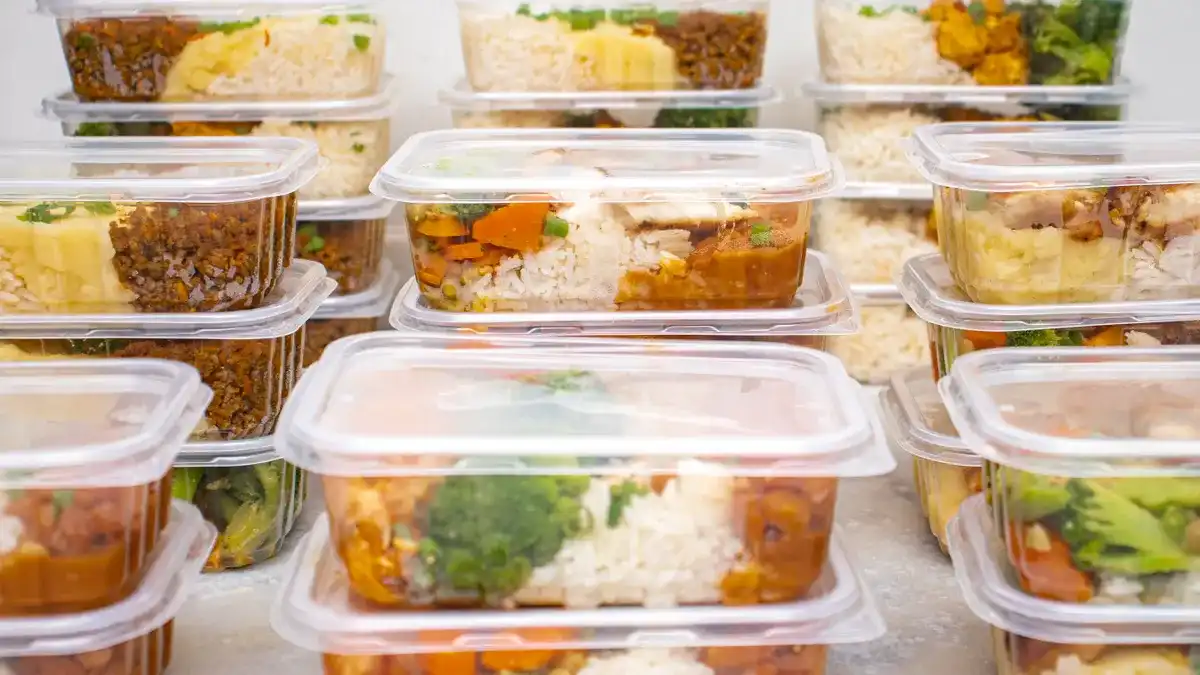
Yes, and the best meal prep for heart health is partial prep, not full prep. Cooking every lunch and dinner for seven days straight usually leads to boredom, limp vegetables, and wasted food. A better method is to prep components once or twice a week and assemble meals from them.
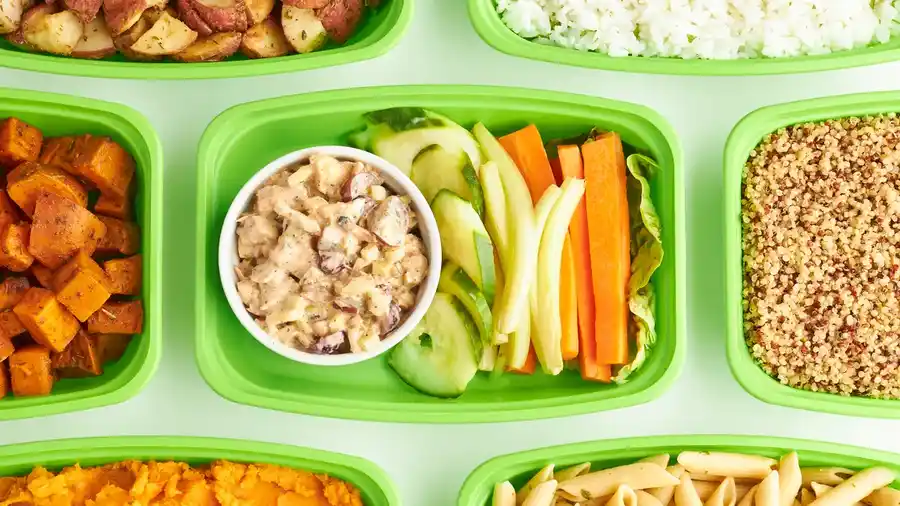
The most useful prep list includes:
- A pot of beans or lentils
- A grain like brown rice, quinoa, or barley
- Roasted vegetables
- A cooked protein such as baked salmon, grilled chicken, tofu, or hard-boiled eggs
- A sauce or dressing made with olive oil, lemon, vinegar, yogurt, or tahini
Those components can become bowls, wraps, salads, soups, or quick dinners. A Tuesday bowl might use lentils, roasted carrots, spinach, and a yogurt-herb sauce. A Thursday lunch might reuse the same lentils in a wrap with cucumber and tomato. The food changes shape even when the ingredients overlap, which keeps Heart-Healthy Meal Planning for Specific Goals practical.
The numbers that matter here are practical ones: 1–2 prep sessions per week, 3–4 reusable components, and 10–15 minutes to assemble a meal instead of starting from scratch every time. That is the kind of planning that survives real life.
The trade-off is food fatigue. Prepping too much of one thing can make the plan feel like punishment. The fix is not a bigger recipe rotation every week; it is using the same base ingredients in different forms. Roasted broccoli one night becomes a grain bowl topping the next day. Chicken can become salad protein at lunch and soup protein at dinner.
Meal prep is not ideal for someone who hates leftovers so strongly that they will stop eating the food after day two. In that case, smaller batch prep or ingredient prep works better than full meal prep.
What should you change first if you only have one week?
If you only have one week, change sodium sources first if blood pressure is the concern, saturated fat sources first if LDL is the concern, and sugary drinks or refined starches first if weight or blood sugar is the concern. One week is enough to reshape the easiest repeat meals, not enough to solve everything at once.
The fastest high-return changes are usually these:
- Replace breakfast pastries or breakfast sandwiches with oats, eggs, yogurt, or whole-grain toast.
- Swap one refined grain each day for a whole grain.
- Add one bean-based meal.
- Replace butter or cream-heavy sauces with olive-oil-based or yogurt-based versions.
- Remove one major sodium source such as packaged soup, deli meat, or takeout dinner.
That kind of shift does not require a full pantry purge. It requires a few targeted substitutions. The first grocery trip does most of the work. The second week is usually easier because the same ingredients start reappearing in the fridge and pantry.
This is the point where many people want a perfect seven-day chart. A chart can help, but only if it reflects the actual goal. A generic “healthy” chart is less useful than a short list of rules attached to the specific condition being addressed.
The honest limitation is this: heart-healthy meal planning is simple in theory and repetitive in practice. The plan works because it is boring enough to repeat. If that sounds unappealing, it may still be the best answer. The human body does not reward novelty as much as it rewards consistency.
The Verdict: the goal-specific plan that holds up
A heart-healthy meal plan should be built around one clear objective, not a vague promise to eat better. Lower sodium for blood pressure. Lower saturated fat and higher soluble fiber for LDL. Better carb quality and portion control for blood sugar. Higher satiety and fewer excess calories for weight loss. Once the goal is named, the plate becomes much easier to design.
The strongest version of the plan is built on ordinary foods: oats, beans, vegetables, fruit, whole grains, fish, nuts, seeds, olive oil, and simple cooking methods. That is the part most generic advice gets right. What it usually misses is the trade-off: the same food can fit one goal and miss another, and the meal plan has to say which job it is doing.
For most people, the best next step is not a dramatic reset. It is choosing one goal, changing three meals, and repeating that pattern for two weeks before asking for more complexity. For anyone with diagnosed heart disease, diabetes, kidney disease, or a history of disordered eating, the safer move is to pair the plan with guidance from a registered dietitian or physician. For more meal-planning support, see the AHA’s nutrition resources and the NIH’s heart-health guidance.
What is the simplest heart-healthy plate to start with?
The simplest heart-healthy plate is half vegetables, one quarter protein, and one quarter whole grains, with unsaturated fat added in a small amount. That plate works because it keeps the food pattern aligned with the major heart-health goals without requiring a special recipe.
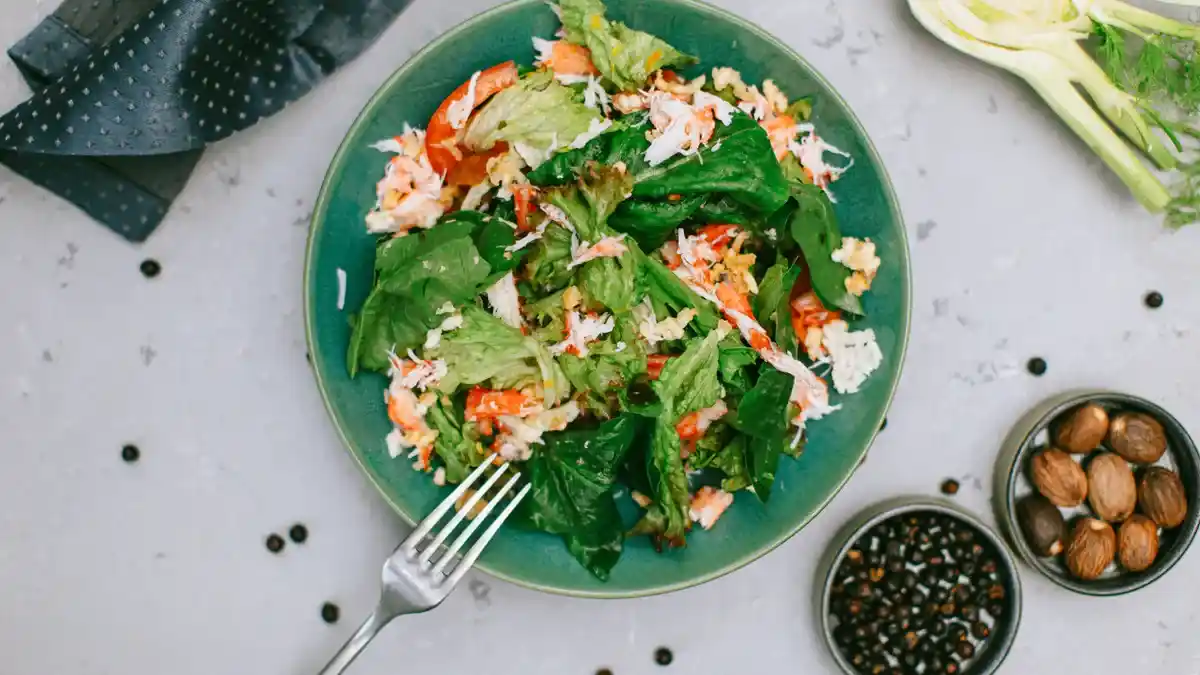
A practical version might be roasted broccoli and peppers, brown rice, and salmon with olive oil and lemon. Another might be a bean-and-vegetable bowl with quinoa and avocado. The exact food can change; the structure should stay the same.
The plate is not magic, and it is not suitable for every medical situation. It is a starting point, not a prescription. But for many people, it is the simplest way to make the right meal planning decision before the day gets too busy to think about it.
Which foods make the biggest difference first?
The foods that usually make the biggest difference first are beans, oats, vegetables, fruit, nuts, fish, and unsweetened liquids. Those foods move the plan in the right direction because they change fiber, fat quality, sodium exposure, and calorie density at the same time.
A person does not need every one of those foods every day. The point is to make them common enough that they crowd out the default foods that usually do more damage: refined grains, salty packaged meals, sugary drinks, processed meats, and sweets eaten by habit. That swap is where the real progress starts.
Which heart-healthy plan is wrong for you?
A heart-healthy plan is wrong for you if it ignores your actual diagnosis, your budget, your schedule, or your relationship with food. The cleanest-looking plan on paper can fail fast if it makes you too hungry, costs too much, or pushes you into rigid rules that do not last.
If blood pressure is the main issue, sodium control matters more than a trendy food list. If LDL is the issue, saturated fat and soluble fiber deserve more attention than calorie counting alone. If diabetes is the issue, carbohydrate quality and portioning matter more than random “superfoods.” If the plan does not name the goal, it is not a plan yet.
Drafted with AI; not yet reviewed by a person.