Last updated: November 20, 2026
Key Takeaways
- Heart-healthy meal planning for daily routines balances flavor, speed, and blood pressure-friendly ingredients.
- Repeat three meal formats, then change only the flavor.
- Keep the grocery list short and reusable, with foods that appear in more than one meal.
- Planning routines, limiting special ingredients, and preparing for tired nights helps the plan hold up.
Heart-Healthy Meal Planning for Daily Routines is easiest to follow when you build repeatable breakfasts, packable lunches, and simple dinners around low-sodium, high-fiber, unsaturated-fat meals. Quick Answer: three meal formats can cover most weekdays if you repeat them with small changes. In short: the plan that works is the one you can repeat on a school day, a workday, and a tired night without guessing. The sections below settle what to eat, how to shop, and how to keep it realistic.
What heart-healthy meal planning actually has to solve
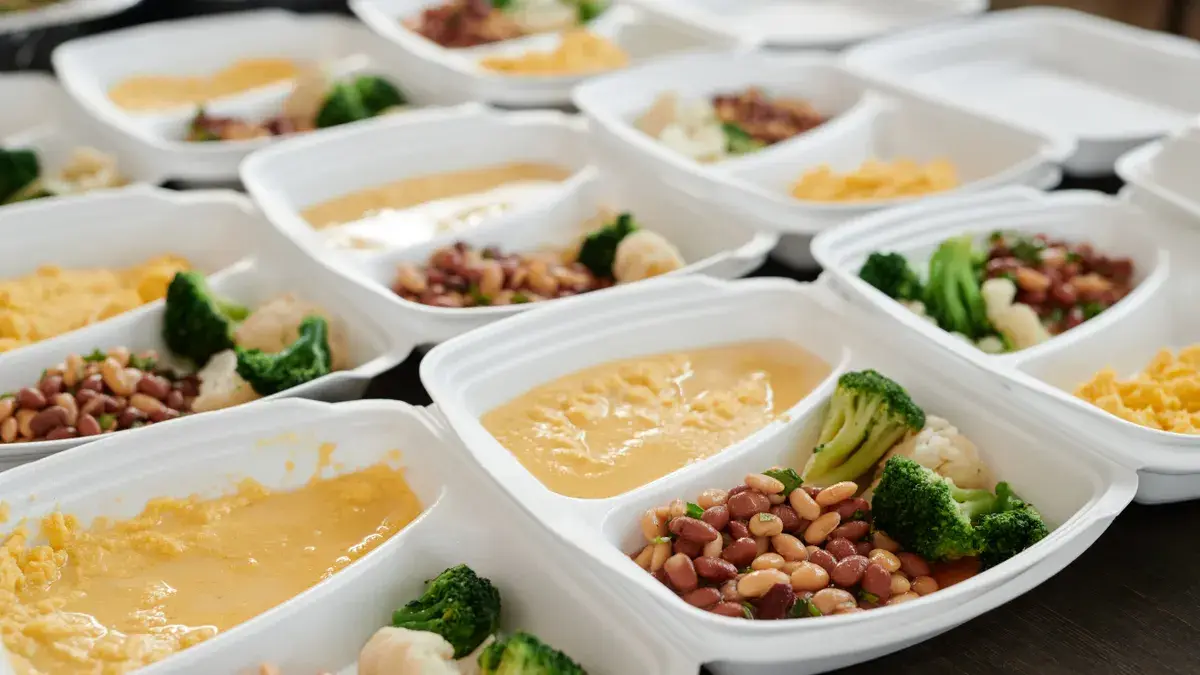
Heart-Healthy Meal Planning for Daily Routines has to solve three problems at once: flavor, speed, and blood pressure-friendly ingredients. If one of those fails, the plan dies by Wednesday.
Picture this: you’re standing in the kitchen at 6:40 a.m., your coffee is going cold, and dinner still isn’t planned. You need food that fits a real calendar, not a perfect one. That means a system that repeats ingredients, trims sodium, and keeps enough protein and fiber in the day.
The best place to start is usually not a recipe app. It’s the shape of the day.
- Breakfast: something with fiber and protein, like oats, yogurt, eggs, or whole-grain toast.
- Lunch: a meal you can pack and eat without heat, if needed.
- Dinner: a fast plate built from vegetables, a lean protein, and a starch.
- Snacks: one or two planned options so vending-machine food doesn’t win.
The American Heart Association’s dietary guidance is a good reference point for this style of eating, especially the parts on sodium, whole grains, and unsaturated fats: American Heart Association nutrition basics. The USDA’s MyPlate site is also useful for portion shape and meal balance: MyPlate.
Here’s the catch: “heart-healthy” does not mean bland, tiny, or expensive. It means the meal has a better mix of vegetables, whole grains, beans, nuts, fish, and lean proteins, while highly processed salt bombs play a smaller role.
A simple daily structure
Use the same food pattern most days, then swap flavors.
- One protein: beans, lentils, fish, skinless poultry, tofu, eggs, or plain Greek yogurt.
- One fiber source: oats, brown rice, whole-wheat bread, barley, fruit, or vegetables.
- One healthy fat: olive oil, nuts, seeds, avocado, or fatty fish.
- One produce anchor: fruit at breakfast, salad at lunch, vegetables at dinner.
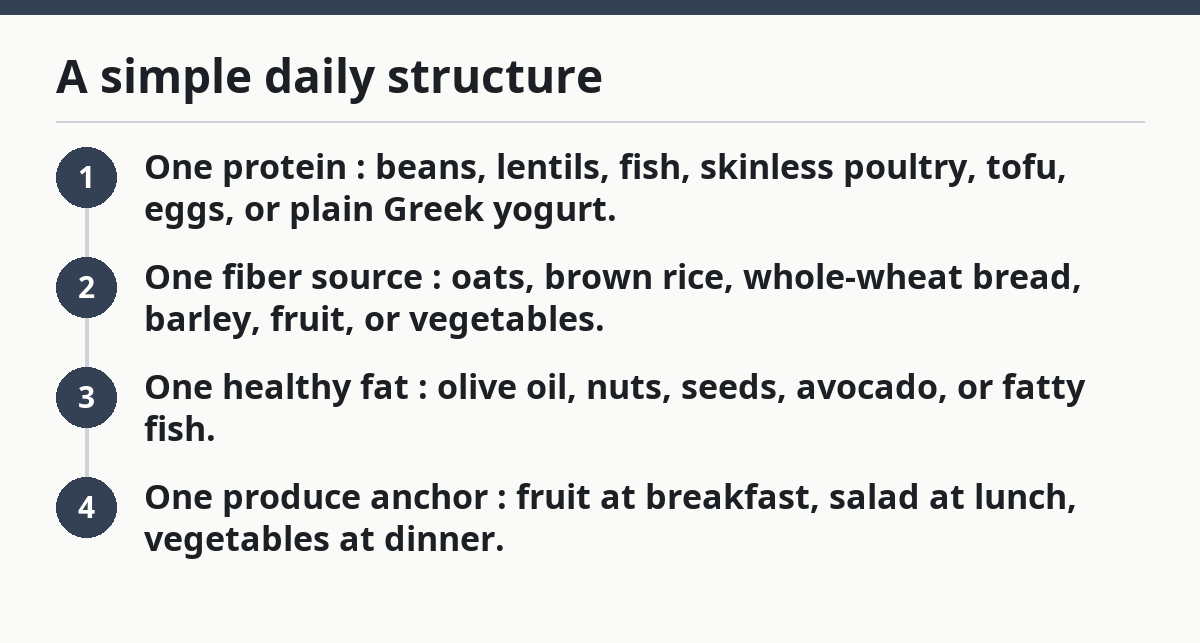
That’s the framework. The rest is just repetition with small changes.
Which foods help most, and which ones trip people up?
The best heart-healthy routine leans on foods that are naturally lower in sodium and higher in fiber, while the biggest troublemakers are packaged items that look harmless but hide salt and saturated fat. That trade-off matters every day.
Picture this: you open the fridge after work and see cheese, deli meat, sauce packets, and leftover takeout containers. It feels like dinner is already decided, and none of the choices help your heart much. A better pantry changes that moment before it happens.
The most useful foods are the ones that carry meals without much effort. Oats, beans, lentils, plain yogurt, nuts, seeds, frozen vegetables, fruit, canned tuna, salmon, and whole grains all show up often in solid meal plans.
Best repeat-use foods
- Oats: fast breakfast, cheap, easy to flavor with fruit or nuts.
- Beans and lentils: filling, high in fiber, and easy to batch-cook.
- Frozen vegetables: no washing, no waste, easy to add to dinner.
- Canned fish: useful protein for lunch or a quick supper.
- Whole grains: brown rice, whole-wheat pasta, quinoa, barley, whole-grain bread.
- Unsalted nuts and seeds: small portions add crunch and healthy fats.
The foods that cause trouble are usually not the obvious ones. They are the “healthy-looking” items with a long ingredient list, especially soups, sauces, breads, frozen meals, flavored yogurt, and deli meats. Sodium can climb fast there, even when the label looks respectable.
The CDC’s sodium guidance is worth reading if you want the practical reason this matters: CDC sodium and blood pressure. It’s not about perfection. It’s about reducing the easy-to-miss sources.
How do I build a heart-healthy day without cooking all day?
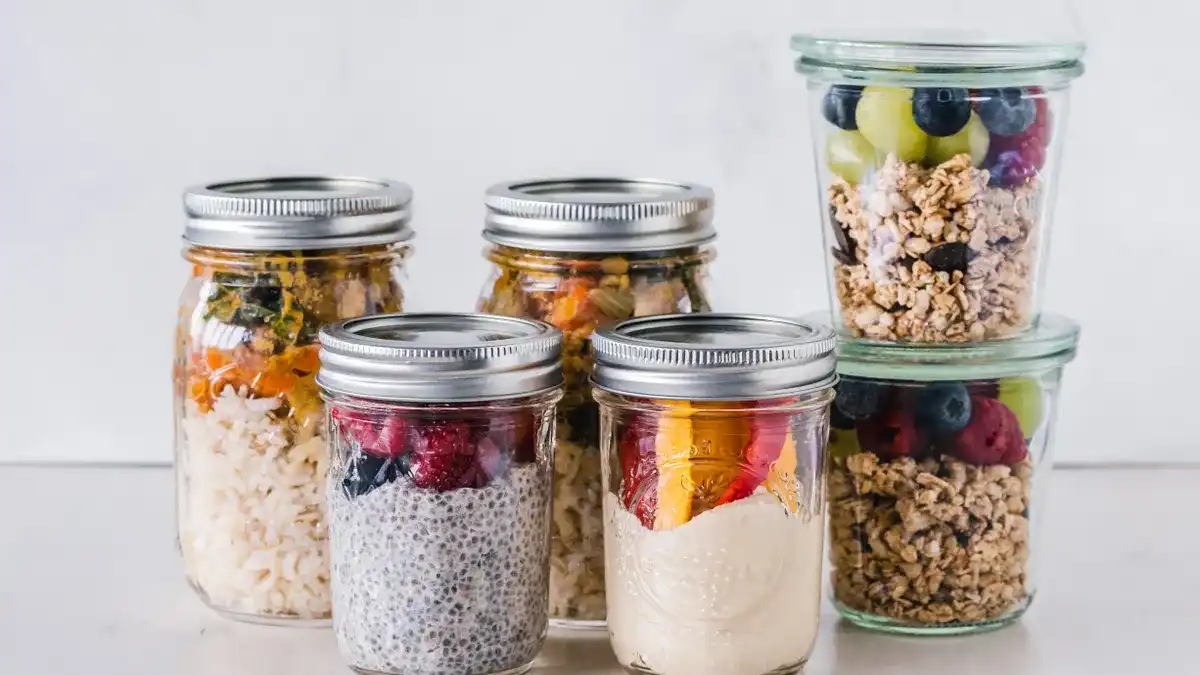
You build it by repeating the same three meal formats and changing only the flavor. That keeps the plan workable on weekdays, not just on calm weekends.
Picture this: it’s Sunday afternoon and you have one hour, maybe less, to set up the week. You do not need seven different recipes. You need a few cooked pieces that can be mixed into breakfast, lunch, and dinner with almost no thought.
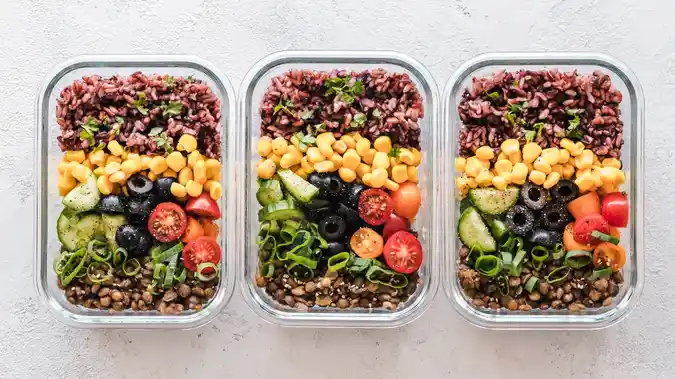
A good routine starts with batch cooking 2 or 3 base items:
- a pot of grains,
- a tray of vegetables,
- one protein such as beans, chicken, or tofu.
Then you build meals from those parts.
The 3-part meal formula
Use this formula most nights:
- Half the plate: vegetables or fruit
- One quarter: protein
- One quarter: whole grains or starchy vegetables
That shape comes straight from mainstream nutrition guidance, and it works because it is simple enough to remember under stress. You do not need a scale for every meal.
Now, you might be wondering what this looks like in real life. Here are common examples:
- Breakfast: oatmeal + berries + walnuts
- Lunch: turkey or hummus wrap + side fruit + carrots
- Dinner: salmon + brown rice + broccoli
- Snack: plain yogurt + cinnamon + banana
- Backup meal: bean chili over microwave brown rice
A 15-minute weeknight template
- Heat a grain from the fridge or microwave.
- Add a protein already cooked or ready-to-eat.
- Add vegetables from frozen, raw, or leftovers.
- Finish with olive oil, herbs, lemon, or vinegar instead of heavy sauce.
This saves time and keeps sodium lower than most packaged dinners. It also keeps the plate balanced when your energy is low.
The truth is, most people do not fail because they lack willpower. They fail because dinner requires three decisions after a long day. Reduce the decisions, and the routine gets easier.
What should a heart-healthy grocery list look like?
A heart-healthy grocery list should be short, reusable, and built around foods that show up in more than one meal. That cuts waste and makes the week cheaper and calmer.
Picture this: you are in the store with 20 minutes and a hungry brain. If your list says “healthy food,” you’ll wander. If it says “oats, eggs, spinach, beans, rice, apples, salmon,” you’ll leave with meals, not just ingredients.
A strong list usually has the same six zones:
- Produce
- Whole grains
- Protein
- Dairy or alternatives
- Pantry fats and flavor
- Backup items
A practical heart-healthy list
Produce
- Spinach or mixed greens
- Broccoli
- Carrots
- Tomatoes
- Apples
- Bananas
- Berries, fresh or frozen
Whole grains
- Oats
- Brown rice
- Whole-wheat bread
- Whole-wheat pasta
- Barley or quinoa
Protein
- Beans
- Lentils
- Eggs
- Plain Greek yogurt
- Chicken breast or thighs without skin
- Salmon or tuna
- Tofu
Pantry fats and flavor
- Olive oil
- Unsalted nuts
- Seeds
- Garlic
- Black pepper
- Vinegar
- Lemon
- Low-sodium broth
Backup items
- Frozen vegetables
- Canned beans with no salt added, if available
- Microwave brown rice
- Canned fish
- Plain oatmeal cups, if the label is simple
A lot of generic meal advice forgets the “backup items” section. That’s a mistake. Real routines get derailed when the fridge is empty at 8 p.m., not when the perfect salad is missing.
The American Heart Association’s shopping advice on sodium and fat is useful here too: American Heart Association heart-healthy shopping. Use it as a filter, not a script.
What to skip most often
- Deli meats as a daily protein
- Instant noodles and salty frozen entrées
- Cream-based sauces
- Sugary breakfast pastries
- Chips and crackers as default snacks
- Sugary drinks
That does not mean “never.” It means not as the base of the routine.
What goes wrong in real meal planning?
Heart-Healthy Meal Planning for Daily Routines breaks down when people plan recipes instead of routines, buy too many special ingredients, or forget what happens on tired nights. That is the part most beginner guides skip.
Picture this: Monday goes fine. Tuesday is okay. By Thursday, the chicken is still in the fridge, the lettuce has wilted, and takeout is back on the table. This is where the plan either survives or falls apart.
The first failure is overcomplication. A six-step recipe with hard-to-find ingredients is not a routine. It is a weekend project.
The second failure is weak breakfast planning. If breakfast is sweet pastry or nothing, hunger spikes later and the rest of the day becomes reactive. That is not a moral issue. It is a timing issue.
The third failure is sodium creep. It sneaks in through bread, sauces, cheese, soups, and packaged meat. A meal can look “home-cooked” and still be heavy on sodium.
Common setbacks and what they cost
- Too many recipes: food waste and decision fatigue
- No backup meal: takeout on the worst nights
- No snack plan: vending machine or chips
- No flavor plan: boredom after two days
- No shopping list: random purchases that don’t combine
A better plan accepts that some nights are messy. It keeps one low-effort dinner ready at all times. That might be bean chili, frozen vegetables plus rice, or eggs with toast and tomatoes.
The USDA’s food safety page is also worth a look if batch cooking is part of your routine, since storage time matters as much as the recipe: USDA food safety basics. A good plan can still fail if leftovers sit too long.
Once you have two or three fallback meals, the whole system gets easier. You stop rebuilding the week from zero.
How do I make this work on a school day, workday, or busy weekend?
You make it work by matching the meal plan to the day type, not by pretending every day has the same schedule. That is the difference between a plan that sounds good and one that gets used.
Picture this: a packed school morning, a lunch break with no microwave, or a Saturday with errands stacked end to end. The food has to fit the clock. If it doesn’t, it gets replaced by whatever is fast.
Think in day patterns.
School day plan
- Breakfast: oatmeal or eggs with toast
- Packed lunch: whole-grain wrap, fruit, carrots, water
- After-school snack: yogurt, nuts, or fruit
- Dinner: simple plate with vegetables and a lean protein
School-day meals need to travel well and hold up for hours. That means less sauce, less mess, and food that tastes fine cold or room temperature.
Workday plan
- Breakfast: yogurt bowl, oats, or egg sandwich
- Lunch: grain bowl, tuna salad wrap, or bean chili in a thermos
- Snack: fruit and nuts
- Dinner: quick skillet meal or leftovers
A workday often fails at lunch. If lunch is skipped or too small, dinner gets too large and too salty. A plan that respects lunch is easier to keep.
Weekend plan
- Breakfast: fruit, eggs, and whole grain toast
- Lunch: leftovers or a big salad with beans
- Dinner: fish, roasted vegetables, and potatoes or rice
Weekends are the best time to cook one base meal and one snack item. That could mean roasting vegetables and making a bean salad. Just one hour of prep can shape three days.
Here’s the key idea: the routine should flex with your schedule, not fight it. That is how it becomes normal.
What does a full heart-healthy day of eating look like?
A full heart-healthy day looks ordinary, not perfect, and it uses familiar foods in balanced portions. That makes it easier to repeat tomorrow.
Picture this: you want a sample day that looks like real life, not a nutrition textbook. You need meals you could actually buy, cook, pack, and eat on a normal Tuesday.
Here is a simple model day:
Sample day
Breakfast
- Oatmeal made with milk or fortified soy milk
- Blueberries
- Walnuts
- Coffee or tea without much sugar
Lunch
- Whole-grain wrap with hummus, spinach, tomato, cucumber, and sliced chicken or beans
- Apple
- Water
Snack
- Plain Greek yogurt with cinnamon
- Small handful of unsalted nuts
Dinner
- Baked salmon or tofu
- Brown rice
- Steamed broccoli
- Olive oil and lemon
Optional evening snack
- Fruit or whole-grain toast with nut butter
This pattern gives you protein at each meal, fiber across the day, and fats that come mostly from plants and fish. It also avoids the trap of a tiny breakfast followed by a huge, salty dinner.
Swap list for variety
- Oats can become whole-grain toast.
- Salmon can become beans or chicken.
- Broccoli can become green beans, cauliflower, or salad.
- Brown rice can become barley, quinoa, or potatoes.
- Yogurt can become cottage cheese or soy yogurt with a simple label.
This kind of swap list helps the routine stay fresh without adding much work. Without it, people get bored and quit.
How do I keep sodium down without making food miserable?
You keep sodium down by changing the seasoning system, not by removing taste. That means using acid, herbs, garlic, onion, pepper, and texture instead of relying on salt alone.
Picture this: you taste a meal and think, “This needs something,” but you reach for the salt shaker by habit. A better response is lemon, vinegar, paprika, cumin, dill, basil, or a splash of low-sodium broth.
The goal is not zero salt. The goal is less hidden salt from packaged foods and more flavor from ingredients you control.
Better flavor moves
- Use citrus on fish and vegetables.
- Add garlic and onion to beans, soups, and grains.
- Roast vegetables so they taste richer.
- Use fresh or dried herbs.
- Try vinegar in salad dressings.
- Buy low-sodium broth and canned beans when possible.
A lot of people think low-sodium meals are “boring” because they remove the sauce but not the craving for flavor. That’s a setup for failure. Build a flavor kit instead.
Flavor kit to keep on hand
- Garlic powder
- Onion powder
- Black pepper
- Paprika
- Cumin
- Cinnamon
- Italian herbs
- Vinegar
- Lemon or lime
The CDC and the American Heart Association both emphasize sodium reduction as part of heart health, especially for people watching blood pressure. If you need one rule, it is this: read labels on soups, sauces, breads, and deli items before you assume they fit.
FAQ: Heart-Healthy Meal Planning for Daily Routines
How many meals should I plan ahead?
Plan the next 2 to 3 days first, not the entire month. That keeps food fresher and makes the routine less brittle when your schedule changes.
Can heart-healthy meal planning still include pasta, bread, or rice?
Yes, if the portions are reasonable and the rest of the plate carries fiber and protein. Whole-grain versions are usually the better default because they help the meal stay filling.
What is the easiest heart-healthy breakfast?
Oatmeal, eggs with whole-grain toast, or plain yogurt with fruit are all strong choices. They are quick, familiar, and easier to repeat than a high-effort breakfast bowl.
Is meal prepping the same as meal planning?
No, meal prepping is one part of meal planning. Planning decides what you’ll eat; prepping just makes some pieces ready ahead of time, like grains, vegetables, or protein.
What if I hate eating the same thing every day?
Use the same base ingredients and change the seasonings, sauces, or sides. That gives you variety without making the routine harder to follow.
The bottom line for a daily heart-healthy routine
Heart-Healthy Meal Planning for Daily Routines works when it fits the real day, not the ideal one. The strongest plan is repeatable, low-stress, and built from foods you can use in more than one meal.
Picture this: a fridge with a grain, a protein, vegetables, fruit, and a few flavor tools. That’s enough to cover most weekdays without guessing.
Start with one breakfast, one lunch, one dinner, and one backup meal. Keep the shopping list short. Keep the sodium in check. Keep the routine boring in the best way.
That is how the plan sticks.
Drafted with AI; not yet reviewed by a person.