Last updated: November 19, 2026
Key Takeaways
- Start with oats, beans, lentils, nuts, seeds, leafy greens, frozen vegetables, berries, olive oil, yogurt, and oily fish.
- Fiber is often underbought because it comes in ordinary foods, yet it supports heart health more than many trendy replacements.
- Unsaturated fats, especially from olive oil, canola oil, nuts, seeds, avocado, and fatty fish, are the most heart-friendly fats.
- A heart-healthy pantry uses a few low-sodium, high-fiber staples that can become breakfast, lunch, or dinner in under 30 minutes.
Heart-healthy ingredients are the foods that help lower the strain on your heart by improving cholesterol, blood pressure, inflammation, and blood sugar at the same time. In Heart-Healthy Ingredients — The Complete Guide, the short answer is not a magic superfood; it is a shopping pattern built around fiber, unsaturated fats, potassium-rich produce, and minimally processed proteins, while keeping sodium, added sugar, and trans fat low. For more detail on the pattern, see the American Heart Association’s healthy eating guidance and the NHS Eatwell Guide.
What counts as heart-healthy ingredients?
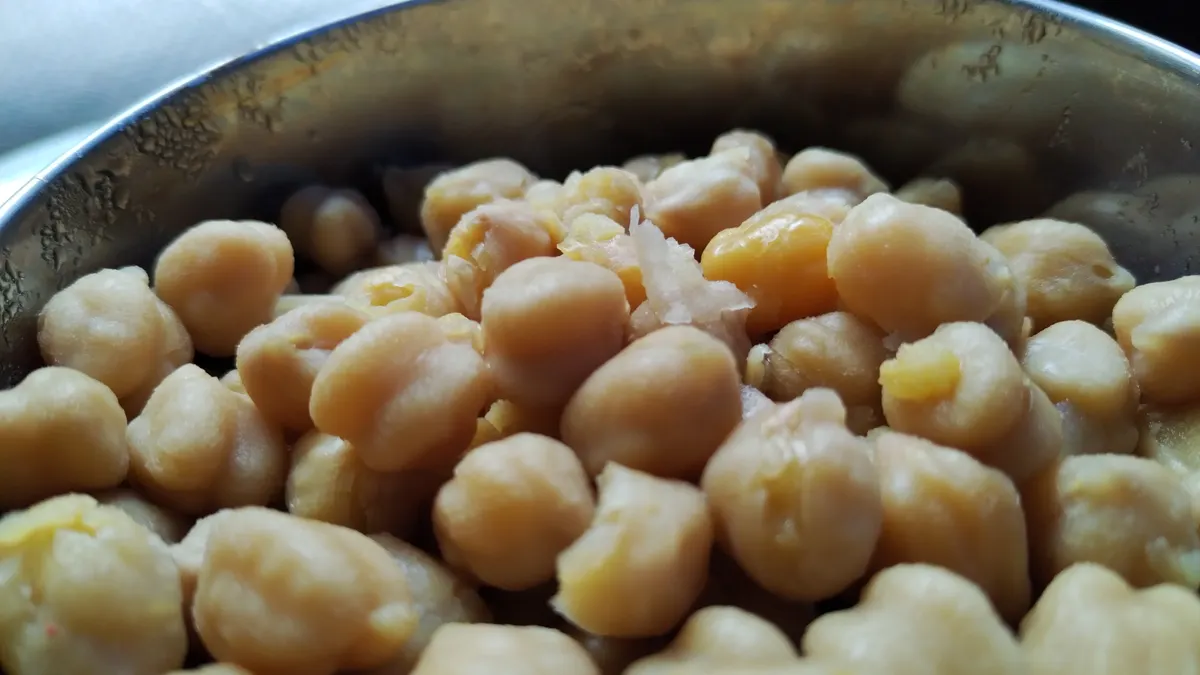
Heart-healthy ingredients are foods that fit the American Heart Association’s general pattern: more vegetables, fruit, whole grains, legumes, nuts, seeds, fish, and unsaturated fats, with less sodium, refined starch, and highly processed food. That definition matters because a food can look “healthy” in isolation and still be the wrong choice for the heart if it is salt-heavy, sugary, or fried.
The useful way to think about this is by function, not by label. Oats matter because they contain soluble fiber. Beans matter because they bring fiber plus potassium and magnesium. Salmon matters because it supplies omega-3 fats. Extra-virgin olive oil matters because it replaces butter, not because it is magical on its own. Even garlic, tomatoes, and leafy greens matter most when they help build a meal that crowds out less helpful choices.
A generic list often misses the trade-off: “heart-healthy” does not mean unlimited portions. Nuts are excellent, but a large handful can push calories up fast. Olive oil is a better fat than butter, but it is still a concentrated fat. Canned tomatoes can be a great base, but many versions are salted. The same is true for broth, canned beans, and frozen vegetables; the ingredient can be sound while the package is quietly working against you.
For a reader making everyday meals, the real question is: which ingredients do the most work with the least fuss? A practical answer is a small roster that shows up repeatedly in different meals: oats, beans, lentils, nuts, seeds, vegetables, fruit, fish, yogurt, and plant oils. That list is more effective than trying to memorize a “superfood” ranking, because the heart responds to the pattern over time, not to a single ingredient on one Tuesday night.
For a reliable starting point, I would use the American Heart Association’s dietary guidance and the NHS Eatwell Guide as broad guardrails:
- American Heart Association: https://www.heart.org/en/healthy-living/healthy-eating
- NHS Eatwell Guide: https://www.nhs.uk/live-well/eat-well/food-guidelines-and-food-labels/eatwell-guide/
Which heart-healthy ingredients should I buy first?
The first ingredients to buy are oats, beans, lentils, nuts, seeds, leafy greens, frozen vegetables, berries, extra-virgin olive oil, plain yogurt, and oily fish. That set covers fiber, healthy fats, protein, potassium, and calcium without forcing you into specialty products or a complicated recipe plan.
If the pantry is empty, start with the foods that do the most cardiovascular work per dollar and per meal. Rolled oats are one of the easiest wins because they make breakfast, baking, and even savory bowls. Beans and lentils are equally practical: canned versions cut cooking time to minutes, and dried versions are cheap if time is available. Frozen vegetables often beat fresh for convenience and waste reduction, especially when the goal is to get more produce onto the plate every day.
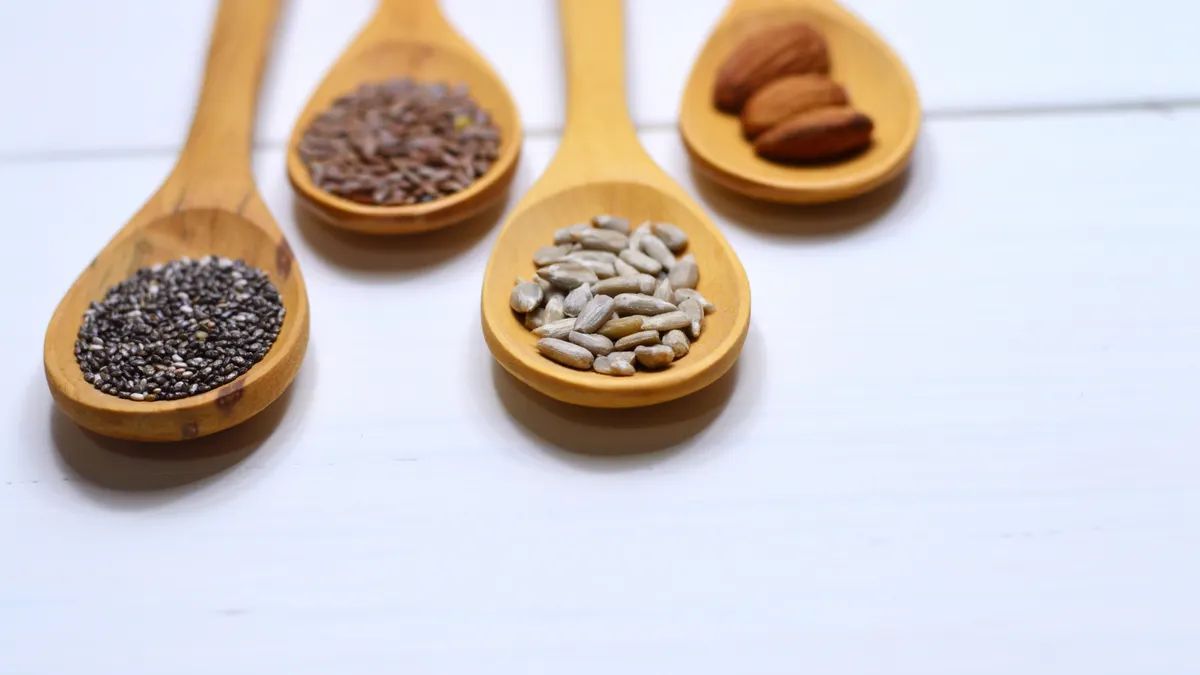
For fats, extra-virgin olive oil is the anchor ingredient. Canola oil is also a useful option when a more neutral taste is needed. Nuts and seeds belong here too, especially walnuts, almonds, chia, and flax. They bring unsaturated fats, and seeds add fiber. The catch is portion size: a small handful is plenty for a meal, and buying salted or candied versions undercuts the point.
For proteins, a short list is often the most practical. Salmon, sardines, trout, and mackerel are strong choices because they are oily fish; plain yogurt and kefir work when dairy is tolerated; tofu and tempeh are useful plant proteins; skinless poultry can fit well if the rest of the plate is built around plants. Eggs can still fit in many diets, but they are not the centerpiece of a heart-healthy shopping list.
A reader who wants the fewest moving parts can build from these 10 ingredients first: oats, beans, lentils, walnuts, chia or flax, spinach or kale, frozen broccoli, berries, olive oil, and canned salmon. That combination supports breakfasts, lunches, dinners, and snacks without requiring a separate “heart diet” aisle.
Why fiber is the ingredient most people underbuy
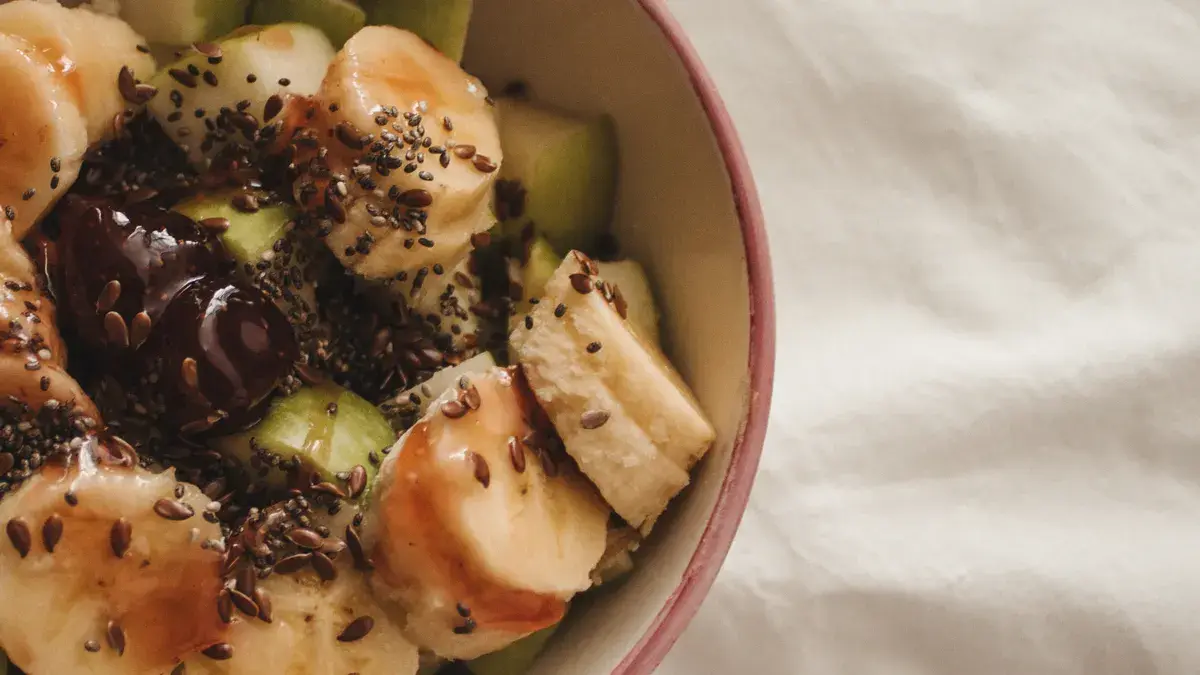
Fiber is the ingredient most people underbuy because it comes packaged in foods that are not flashy, but it does more for the heart than many trendy replacements. Soluble fiber, in particular, helps lower LDL cholesterol by binding bile acids in the gut so the body has to use more cholesterol to replace them.
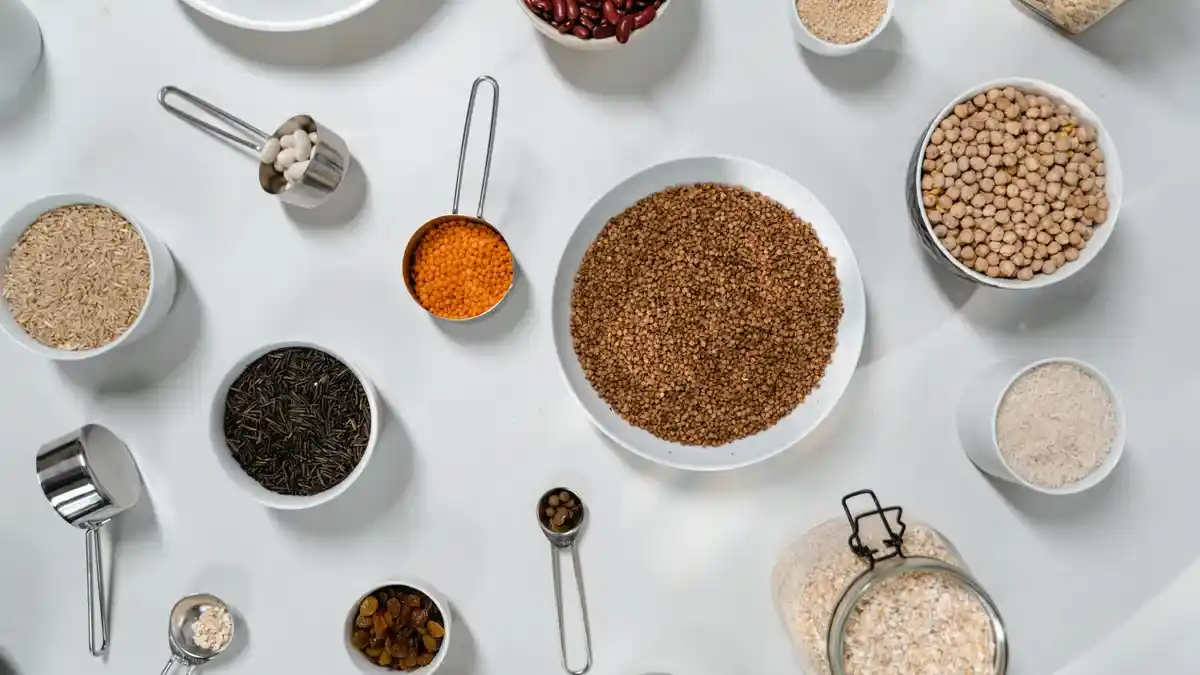
The most useful sources are oats, barley, beans, lentils, chickpeas, apples, pears, berries, Brussels sprouts, carrots, chia seeds, and flaxseed. Among grains, steel-cut oats and rolled oats are especially easy to use, while barley brings a chewy texture to soups and grain bowls. Among legumes, black beans, kidney beans, cannellini beans, and lentils are the workhorses. A can of beans is not glamorous, but it is often the fastest way to turn a plain meal into a fiber-rich one.
The trade-off is digestion. A sudden jump in fiber can cause bloating, gas, or discomfort, especially if someone goes from low-fiber eating to beans at every meal. That is not a reason to skip fiber; it is a reason to increase it over a week or two, drink enough fluid, and rinse canned beans well. For some people, lentils are easier to tolerate than beans, and cooked vegetables may be gentler than raw salads.
The easiest rule is this: try to put one fiber source in every meal. That can mean oatmeal at breakfast, lentil soup at lunch, and beans or barley at dinner. Even snacks can contribute, such as an apple with a spoonful of almond butter, or plain yogurt with chia and berries. The heart does not need perfection; it needs repetition.
A better label habit helps here. On a Nutrition Facts panel, look for fiber grams, but also look at sodium and added sugar. A cereal can advertise whole grains and still be a poor heart choice if it is loaded with sugar. A jar of pasta sauce can be tomato-based and still carry a lot of sodium. Fiber works best when the rest of the ingredient list is not fighting it. For a trusted reference on heart-friendly eating patterns, the American Heart Association’s healthy eating page remains a useful external guide.
What fats actually help the heart?
The fats that help the heart most are unsaturated fats, especially monounsaturated and polyunsaturated fats from olive oil, canola oil, nuts, seeds, avocado, and fatty fish. These fats can replace saturated fats from butter, cream, cheese-heavy sauces, fatty cuts of meat, and many baked snacks without making food bland or difficult.
This is where many people get tripped up. They hear that fat is bad, then buy low-fat products that are full of starch and sugar. That swap can be disappointing for both taste and blood sugar. A better move is to use better fat in sensible amounts. A spoonful of olive oil on vegetables, a tahini dressing on greens, a few walnuts over oatmeal, or avocado on whole-grain toast can all improve the meal without pushing it into dessert territory.
Seeds deserve more attention than they get. Ground flaxseed and chia seed are useful because they add fiber as well as fat. Walnuts are another strong option, and their texture works in oats, salads, and yogurt. Tahini, made from sesame seeds, can be an excellent base for dressings and sauces, though sesame is a common allergen and must be avoided or replaced with sunflower seed butter in that case.
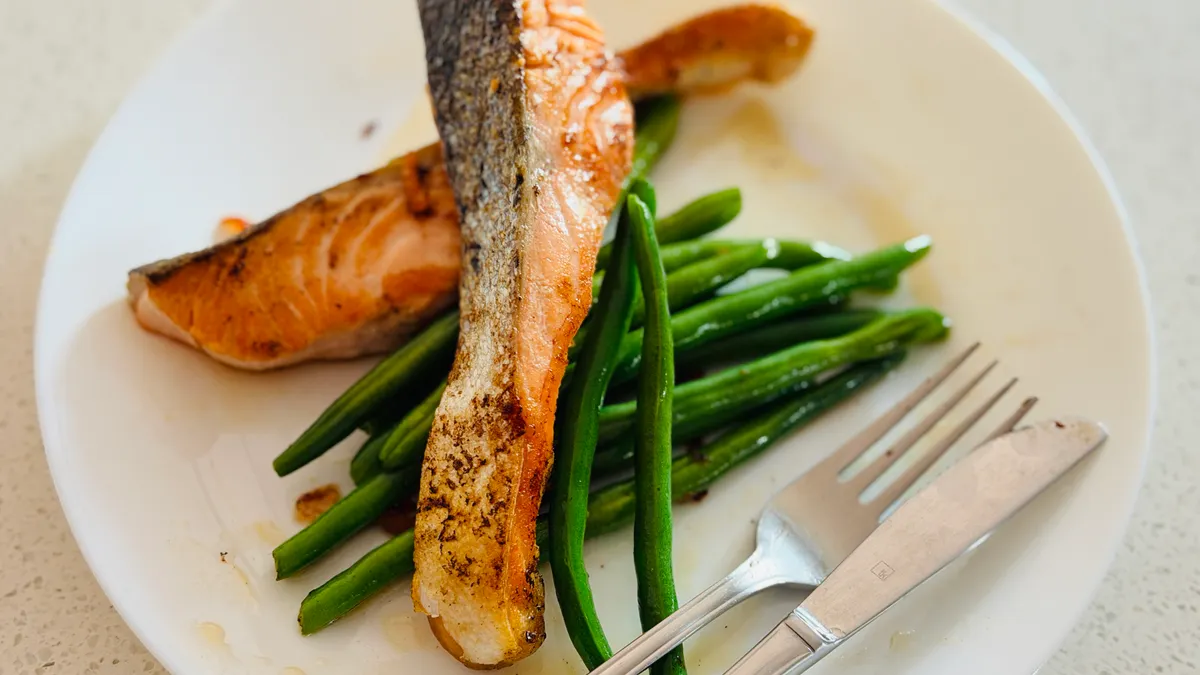
Fish matters here because it brings a different kind of fat to the table. Salmon, sardines, trout, herring, and mackerel are the standard examples. Canned versions are often the easiest entry point, and they can be used in salads, grain bowls, pasta, or sandwiches. Smoked fish can be convenient, but sodium is often the trade-off, so it belongs as an occasional choice rather than an everyday default.
The key limitation is portion control. Olive oil, nuts, seeds, avocado, and tahini all belong in a heart-healthy kitchen, but they are dense foods. The benefit shows up when they replace a worse fat, not when they simply get added on top of everything else. The American Heart Association and NHS both emphasize this kind of pattern rather than a single miracle ingredient.
How should a heart-healthy pantry be stocked?
A heart-healthy pantry should be stocked with a few low-sodium, high-fiber staples that can become breakfast, lunch, or dinner in under 30 minutes. That means canned beans, canned tomatoes, low-sodium broth, oats, brown rice, barley, whole-wheat pasta, nut butter, olive oil, vinegar, spices, and a couple of frozen vegetables.
The pantry works best when it is built for shortcuts. Canned beans should be rinsed unless the recipe depends on the liquid. Canned tomatoes are useful for soups, stews, and sauces, but many brands are salted, so reading the label matters. Low-sodium broth helps control the salt level in soups and grains. Vinegar, lemon juice, garlic, onion, black pepper, cumin, paprika, oregano, and cinnamon do a lot of flavor work when sodium stays modest.
A freezer is part of the pantry in practice. Frozen spinach, broccoli, cauliflower, mixed vegetables, berries, and edamame make it easier to eat well when produce spoils too quickly. Frozen fish fillets and frozen whole-grain bread can also reduce waste. The cost issue is real: some frozen fruit is more expensive than the fresh equivalent when in season, but frozen often wins on reliability and waste reduction.
There is a common mistake here: buying “heart-healthy” processed snacks instead of ingredients. Rice cakes, flavored protein bars, packaged granola clusters, and vegetable chips can look healthy while doing little for the heart. They may fit sometimes, but they do not replace real pantry staples. The goal is not to collect a health halo; the goal is to have enough building blocks that dinner does not depend on takeout. For shopping decisions, the CDC and American Heart Association both recommend checking labels and limiting sodium.
A strong pantry can support fast meals like chickpea tomato stew, oatmeal with chia and berries, brown rice with salmon and broccoli, lentil soup, or whole-wheat pasta with olive oil, garlic, spinach, and canned beans. That kind of repeatable structure matters more than any single recipe.
What heart-healthy ingredients work for breakfast, lunch, and dinner?
Heart-healthy ingredients work best when the same few staples are reused in different forms across the day. That keeps planning simple and makes it easier to stay within a lower-sodium, higher-fiber pattern without needing special products for every meal.
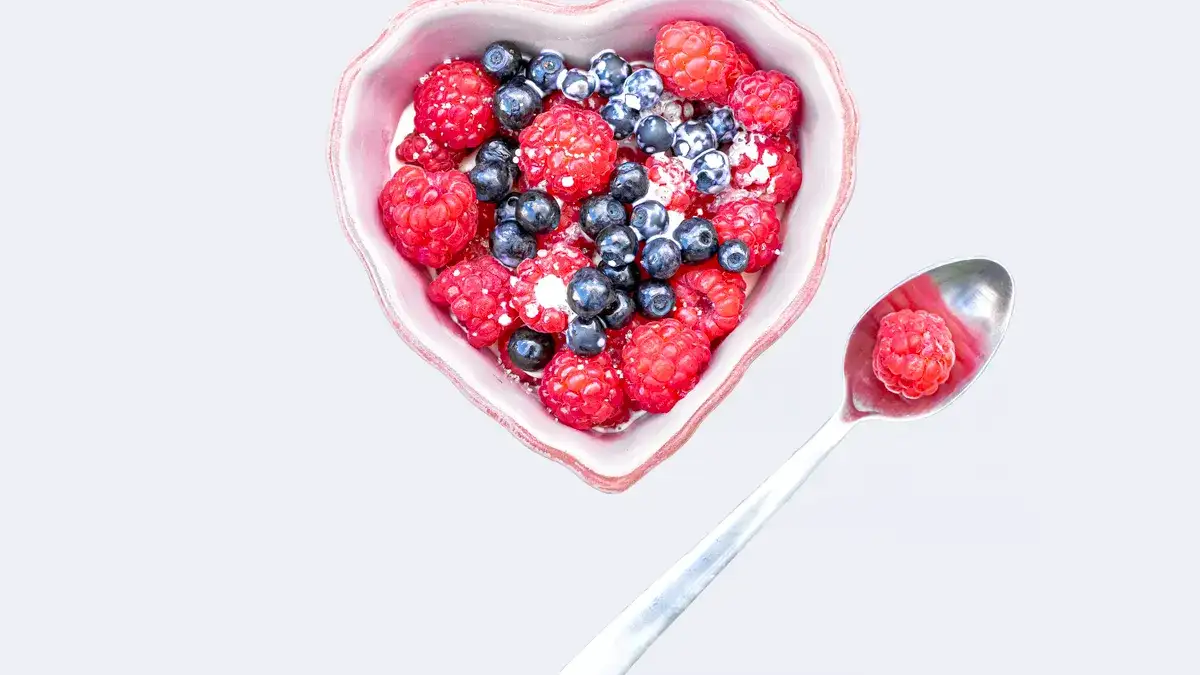
For breakfast, oats are the most dependable ingredient. Rolled oats, steel-cut oats, and overnight oats all work. Add berries, ground flaxseed, chia, chopped walnuts, or plain yogurt, depending on what is tolerated and available. If someone wants more protein, a side of yogurt or a few spoonfuls of nut butter can help. For a savory option, oats can be cooked with egg, spinach, and a little olive oil, though eggs are an optional support rather than the main event.
For lunch, beans and lentils carry the meal. A black bean salad with tomatoes, cucumber, onion, olive oil, and lemon is fast. Lentil soup with carrots, celery, onions, and low-sodium broth is even easier in bulk. Whole-grain bread or a whole-wheat wrap can turn those into a fuller meal. If dairy is tolerated, plain yogurt with herbs makes a quick dressing; if not, tahini or mashed avocado can fill the same role, while sesame allergy calls for the avocado or sunflower-seed route instead.
For dinner, the structure is simple: vegetables plus whole grain plus protein plus unsaturated fat. Salmon with roasted broccoli and barley. Tofu stir-fry with mixed vegetables and brown rice. Sardines on whole-grain toast with tomato and greens. Chickpea curry with cauliflower and basmati rice. The exact cuisine can change; the ingredient pattern does not need to.
Snack choices matter less than meals, but they still add up. An apple, a pear, a handful of unsalted nuts, plain yogurt, carrots with hummus, or berries with chia all fit the pattern better than salty crackers, pastries, or candy. The best snack is one that supports the next meal rather than getting in its way.
The most useful shopping habit is repetition. Buy the same ingredients often enough that a healthy meal becomes a default rather than a project.
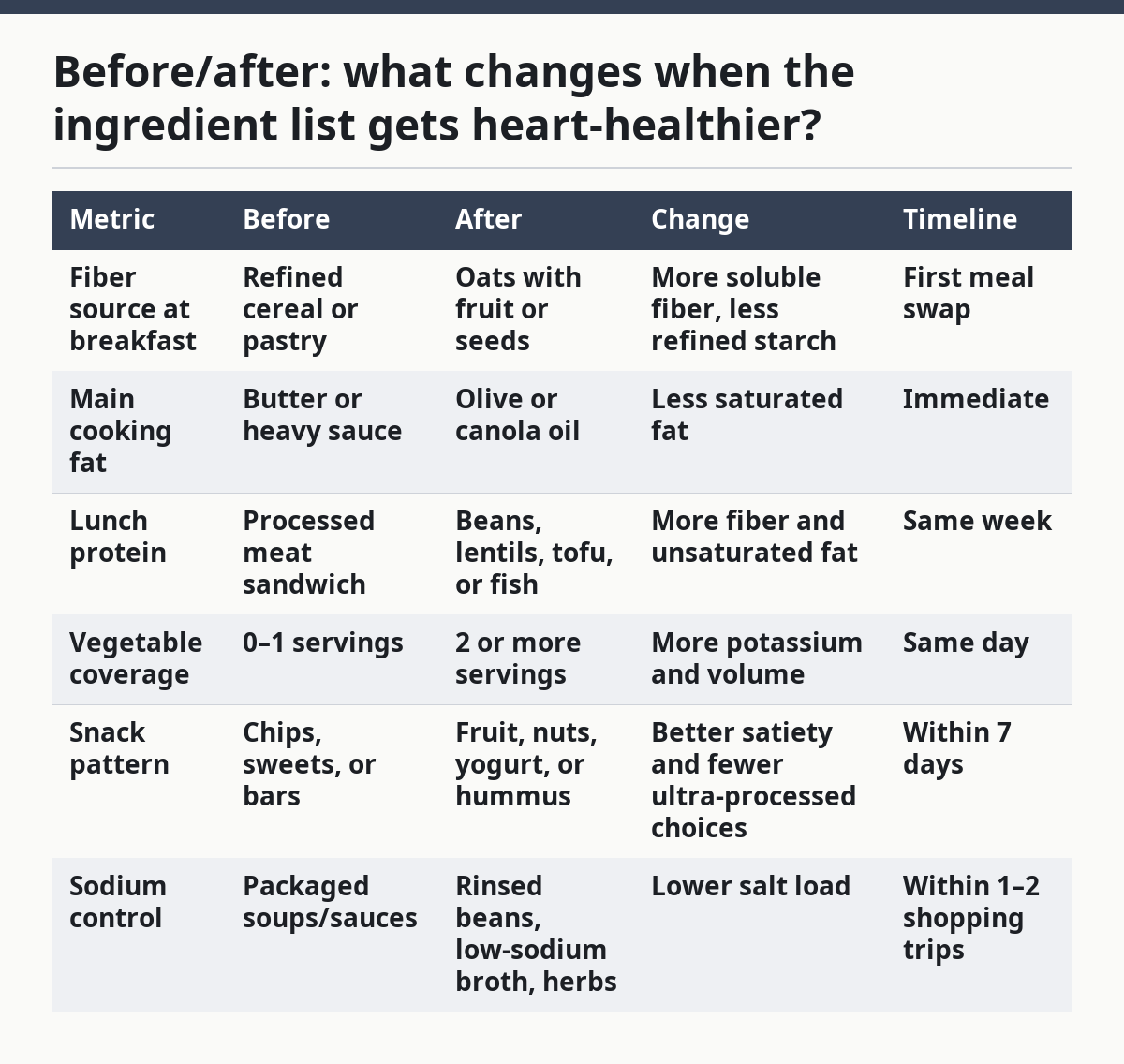
Before/after: what changes when the ingredient list gets heart-healthier?
| Metric | Before | After | Change | Timeline |
|---|---|---|---|---|
| Fiber source at breakfast | Refined cereal or pastry | Oats with fruit or seeds | More soluble fiber, less refined starch | First meal swap |
| Main cooking fat | Butter or heavy sauce | Olive or canola oil | Less saturated fat | Immediate |
| Lunch protein | Processed meat sandwich | Beans, lentils, tofu, or fish | More fiber and unsaturated fat | Same week |
| Vegetable coverage | 0–1 servings | 2 or more servings | More potassium and volume | Same day |
| Snack pattern | Chips, sweets, or bars | Fruit, nuts, yogurt, or hummus | Better satiety and fewer ultra-processed choices | Within 7 days |
| Sodium control | Packaged soups/sauces | Rinsed beans, low-sodium broth, herbs | Lower salt load | Within 1–2 shopping trips |
Who is heart-healthy food not for?
Heart-healthy ingredients are not a substitute for medical treatment, and they are not the right lone strategy for someone managing a diagnosed heart condition, kidney disease, food allergies, or a clinician-prescribed diet. In those cases, ingredient choices should be checked against the person’s sodium, potassium, phosphorus, fluid, or allergen limits before the shopping list is set.
That caution matters because “heart healthy” can hide real conflicts. A potassium-rich food like banana, avocado, or beans may be useful for many people, but not for someone on a potassium-restricted plan. Nuts and seeds are excellent for many hearts, but a sesame or tree nut allergy changes the field immediately. Dairy can be useful, but not for someone who cannot tolerate it. Fish is a strong choice, but not for a person who avoids it for allergy, taste, or cultural reasons. A useful guide adapts to those limits instead of pretending they do not exist.
A second group that needs a different approach is anyone expecting a food list to replace medication, blood-pressure care, lipid management, or diabetes treatment. Food helps, sometimes a lot, but it is still only one part of the picture. If a clinician has given specific targets for sodium, saturated fat, fiber, or carbohydrate, those instructions come first.
The plain truth is that no ingredient is heart-healthy in every context. Even the best ingredients can become a poor meal if the portion size is too large or the preparation is too salty. The right guide is not the one with the longest “good foods” list. It is the one that helps a reader buy, cook, and repeat the foods that fit their body and their schedule.
Drafted with AI; not yet reviewed by a person.