Last updated: November 19, 2026
Key Takeaways
- Choose lentils, beans, oats, rice, seeds, and a few canned add-ins to build simple fiber-rich meals.
- The best pantry basics for fiber are legumes, whole grains, seeds, plus a small set of vegetables and condiments.
- Build a fiber-first pantry in six steps so you end up with meals, not random cans.
- Check canned beans, grains, and seeds for sodium, sugar, and ingredient lists before buying.
Best High-Fiber Pantry Staples for Heart-Healthy Cooking starts with shelf-stable ingredients that can turn into a real meal without a special trip to the store. If your goal is to keep beans, grains, seeds, and canned vegetables on hand, the strongest choices are the ones that are versatile, low in added sodium or sugar, and easy to use in 10 to 30 minutes.
Fiber matters here for a simple reason: foods that are naturally high in fiber tend to make meals more filling and often replace more refined, less satisfying staples. For a general guide to heart-friendly ingredients beyond the pantry, the heart-healthy ingredients hub can help you build the rest of the shopping list, and the pantry staples guide can help you compare options.
What counts as a high-fiber pantry staple?
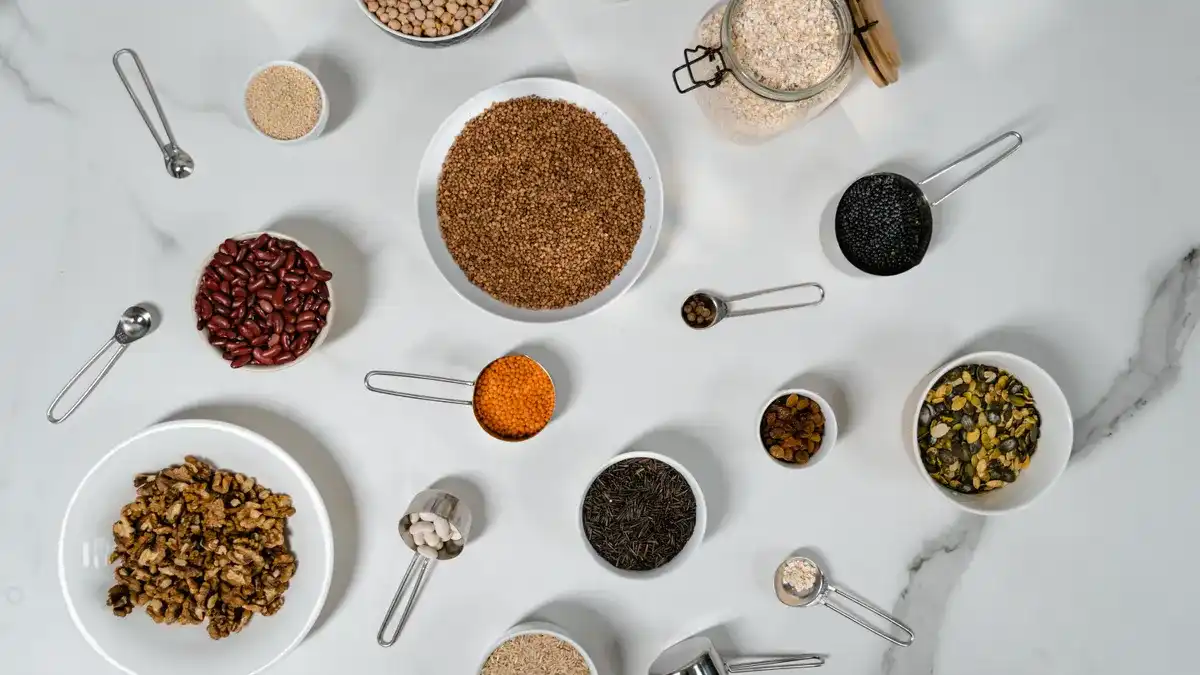
A good high-fiber pantry staple is a shelf-stable food that gives you at least one useful job in the kitchen and one meaningful amount of fiber per serving, even if it is not flashy. Think lentils, black beans, chickpeas, rolled oats, brown rice, chia seeds, canned vegetables, and a few fiber-rich condiments that make those basics taste like dinner.
The practical test is simple: if a food keeps for weeks or months, cooks with minimal fuss, and shows up often in soups, bowls, salads, and breakfasts, it earns space. A 5-pound bag of brown rice or a 2-pound canister of rolled oats is useful because it covers many meals. The same is true of a 15-ounce can of beans, especially if you keep two or three types in rotation.
What does not belong in this category? Fancy pantry items that sound healthy but do very little for fiber, such as flavored rice mixes, sweet granolas, or crackers that are mostly starch. Those foods may have a place, but they are not the core of a fiber-first pantry. I would also skip oversized specialty products if you will not use them within a few months.
The point is not to stock every shelf-stable food that has some fiber. The point is to choose a few dependable items that work on a Tuesday night. That means prioritizing ingredients you can use in 1 pot, 1 skillet, or 1 bowl without extra sauce packets or long prep.
Which pantry foods are high in fiber?
The most useful high-fiber pantry foods are legumes, whole grains, seeds, and a short list of canned vegetables and condiments that support them. The standouts are lentils, black beans, chickpeas, rolled oats, brown rice, chia seeds, canned tomatoes, canned pumpkin, and low-sodium broth or salsa.
Here is how I would think about them:
- Lentils: Fast-cooking and forgiving. Brown and green lentils hold their shape in soups and grain bowls; red lentils break down into a thick base. They are one of the easiest pantry beans to cook from dry.
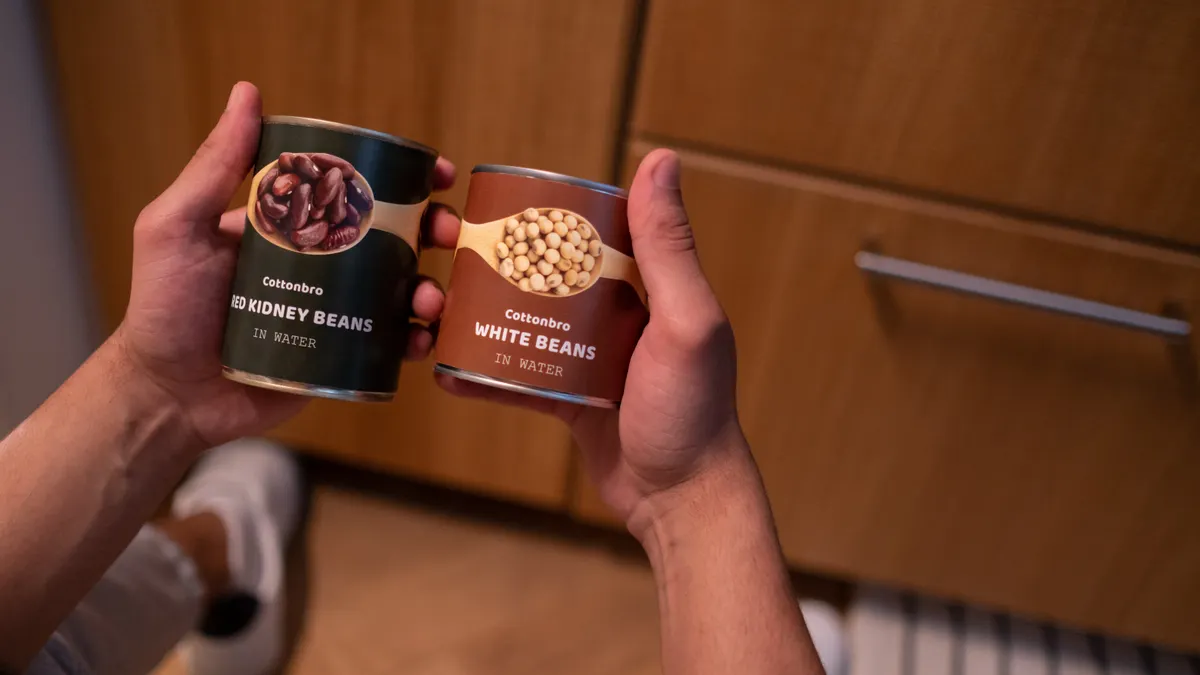
- Black beans: A reliable can to keep around. They work in soups, tacos, rice bowls, and mashed spreads. Choose low-sodium if you can, or rinse regular canned beans under running water for about 10 seconds.
- Chickpeas: Useful because they can be simmered into stew, mashed for sandwiches, or roasted if you want a crunchy topping. Their texture holds up better than many canned vegetables.
- Rolled oats: These are not just breakfast food. Oats can thicken meatless patties, bind baked goods, and turn into savory porridge if you cook them with broth and vegetables.
- Brown rice: A steady base for beans and vegetables. It is more filling than many refined grains, but it also takes longer to cook, so it is better for batch cooking than for a last-minute meal.
- Chia seeds: Small but powerful as a thickener. They work in oatmeal, yogurt, smoothies, and quick puddings. A tablespoon or two can change the texture of a dish quickly.
- Canned tomatoes and pumpkin: These are not usually the first foods people name, but they are useful pantry vegetables. Tomatoes build sauces and soups; pumpkin adds body to chili, oats, and baked goods.
- Frozen vegetables can help too, but this page is about pantry staples, so the shelf-stable versions matter more here.
The trade-off is that high-fiber pantry foods often need seasoning and salt management. Beans and grains are plain on their own, which is good for flexibility but bad if you expect a ready-made meal. That is why a strong pantry list includes condiments, not just base ingredients.
Build the pantry in 6 moves
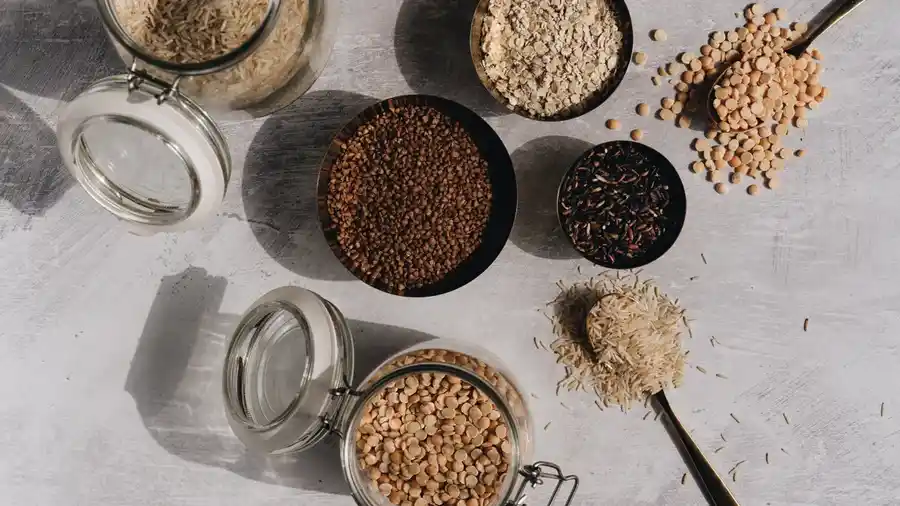
Build your fiber-first pantry in six steps so you end up with meals, not a stack of random cans.
- Pick 2 dry staples and 3 canned staples. Start with one grain, such as rolled oats or brown rice, and one legume, such as lentils. Add three cans, such as black beans, chickpeas, and diced tomatoes. That gives you enough variety for breakfast, lunch, and dinner without crowding the shelf.
- Choose 1 seed and 1 thickener. Keep chia seeds on hand for breakfasts and quick puddings, then add one thickener such as canned pumpkin or oats. This helps you make filling meals with less added flour or sugar.
- Buy low-sodium versions when possible. Look for beans, tomatoes, and broth with reduced sodium on the label. If the label does not show a sodium figure you like, rinse canned beans in a colander before cooking. That takes less than 1 minute.
- Match the package size to your weekly cooking habit. If you cook beans once a week, a 15-ounce can may be the right size. If you batch-cook breakfast, a larger canister of oats makes more sense than many small boxes.
- Keep 2 or 3 fiber-rich condiments nearby. Salsa, tomato paste, mustard, and vinegar give pantry meals sharp flavor without needing cream or heavy sauces. Tomato paste in a small 6-ounce can is especially useful for soup and chili.
- Rotate by first-in, first-out. Put the newest cans behind the older ones and use the older rice, oats, and seeds first. This keeps stale pantry food from turning into waste.
This is the part most generic articles skip: pantry planning is not just about nutritional value. It is about friction. If brown rice takes 50 minutes and you never cook it, it is not a good staple for your kitchen. If canned beans are already ready after 1 rinse, they probably belong in the front row.
How do I choose canned beans, grains, and seeds for heart-healthy cooking?
Choose canned beans, whole grains, and seeds by reading three labels: sodium, added sugar, and ingredient list. For a heart-healthy pantry, the shortest ingredient list usually wins, especially for basics like beans, oats, and seeds.
For canned beans, look for beans, water, and salt as the main ingredients. Low-sodium versions are easier to fit into everyday cooking, but plain canned beans are still useful if you rinse them. That rinse can remove some surface sodium and also improves the taste of beans going into salads or grain bowls.
For whole grains, stick to plain versions. Rolled oats should list oats only. Brown rice should list brown rice only. Avoid flavored oatmeal packets and rice blends that bring extra sugar, seasoning, or oil you did not ask for. A plain 42-ounce container of oats can carry you through many breakfasts and baked goods, while flavored single-serve packets disappear fast and often do less for your pantry budget.
For seeds, chia seeds are the easiest sell because they store well and do not need special prep. Keep them sealed away from heat and moisture. Ground flaxseed can also be useful, but it spoils faster than whole seeds and is less forgiving in a warm pantry. If you buy it, keep it in the refrigerator after opening.
Two authoritative sources are worth keeping in mind while you shop: the U.S. Food and Drug Administration’s label guidance and the American Heart Association’s advice on sodium and heart health. Those are the right references when you want the label rules, not guesswork.
One mistake is buying every “health” product the store offers. That costs money and shelf space, and it still leaves you without dinner. Another is choosing only one legume. Black beans, chickpeas, and lentils behave differently in recipes, so a mixed pantry is more useful than a single favorite.
Pantry mistakes that waste fiber and money
The biggest pantry mistakes are buying the wrong format, ignoring sodium, and stocking too many ingredients that do not cook together. Each one costs either money, time, or both.
Buying only dry beans is a common mistake. Dry beans can be great, but if you do not plan ahead, they sit there while you reach for takeout. In that case, at least half your bean supply should be canned beans or quick-cooking lentils. Lentils are especially useful because they can go from dry to dinner in roughly 20 to 30 minutes depending on the type.
Ignoring sodium costs you flexibility. Some canned soups, beans, and vegetables are so salty that you cannot use them in a heart-healthy meal without making the whole dish too salty. The better move is to choose low-sodium products or use smaller amounts of the salty item and bulk the meal out with unsalted oats, rice, or lentils.
Stocking too many “special” pantry items is another trap. A jar of tahini, a bag of farro, and a tin of anchovies may all be good foods, but if they do not fit your regular cooking, they will not support a fiber-first pantry. A better pantry has repeat users: rolled oats for breakfast, black beans for lunch, chickpeas for dinner, and chia seeds for quick texture.
Another mistake is thinking fiber-rich pantry food must be bland. It should not be. If you keep salsa, tomato paste, mustard, vinegar, curry paste, or dried herbs on hand, the same beans and grains can taste very different. That is what makes a pantry sustainable for real life.
A final mistake: choosing crunchy snack foods with a fiber halo and calling that pantry planning. Crackers, chips, and sweetened bars may contain some fiber, but they are poor substitutes for actual staples. They do not do the same job.
Shelf-stable vegetables and condiments that make meals work
Shelf-stable vegetables and fiber-friendly condiments are what turn beans and grains into food you actually want to eat. Without them, a pantry full of high-fiber staples can still feel monotonous.
Canned tomatoes are the most versatile shelf-stable vegetable in this category. A 14.5-ounce can can become soup, sauce, chili, or braised beans. If you keep tomato paste too, you get a concentrated flavor booster for a small spoonful at a time. That matters because heart-healthy cooking often depends on building flavor without relying on heavy cream or lots of cheese.
Canned pumpkin is another quiet workhorse. It is especially helpful in oatmeal, muffins, and blended soups. Use the plain puree, not pie filling, which adds sugar and spice you may not want.
Low-sodium broth makes beans and grains taste complete. It is useful for cooking brown rice, simmering lentils, and thinning soups. A 32-ounce carton is often enough for several meals, and it keeps the pantry flexible when fresh stock runs out.
Salsa, mustard, vinegar, and hot sauce deserve shelf space too. They add acid, heat, and brightness. Acid matters because beans and grains can taste flat without it. A tablespoon of vinegar or a few spoonfuls of salsa can change a whole bowl.
This is also where many readers miss the target: they buy ingredients, not combinations. Lentils plus tomatoes plus broth is a meal. Chickpeas plus mustard plus canned tomatoes is a meal. Oats plus chia plus pumpkin is a breakfast that does real work. A pantry earns its place when those combinations feel easy.
For labeling and ingredient choices, the FDA’s Nutrition Facts label guidance is useful for spotting sodium, added sugar, and serving size, which are the three details that matter most here.
What should I keep on the shelf if I cook one heart-healthy meal a day?
Keep rolled oats, lentils, black beans, chickpeas, brown rice, chia seeds, canned tomatoes, and two low-sodium flavor builders on the shelf if you want to make one heart-healthy meal a day with almost no planning. That is the shortest useful list.
The daily-use version of this pantry looks like this:
- 1 large container of rolled oats
- 1 bag of lentils
- 2 to 4 cans of beans, split between black beans and chickpeas
- 1 bag of brown rice
- 1 small bag or jar of chia seeds
- 2 cans of tomatoes or tomato paste
- 1 carton of low-sodium broth
- 2 condiments, such as salsa and mustard
This list is not ideal for every person. It is not for someone who hates grains, cannot tolerate legumes, or wants a pantry built around specialty diets that avoid these foods. It is also not for anyone who expects instant meals without any cooking at all. Brown rice needs time. Dry lentils need simmering. Canned beans still need rinsing if sodium is a concern.
The payoff is that this pantry can carry breakfasts, lunches, and dinners with minimal waste. Oatmeal can be sweet or savory. Lentils can become soup. Chickpeas can go into salads or stews. Black beans can anchor a rice bowl. Chia seeds can thicken breakfast or snack recipes. That range is why these foods belong in the same pantry, not just in separate “healthy eating” lists.
If I had to cut the list down even further, I would keep lentils, canned black beans, rolled oats, and canned tomatoes first. Those four cover the most ground in the fewest moves.
What pantry foods are high in fiber?
The most useful high-fiber pantry foods are lentils, black beans, chickpeas, rolled oats, brown rice, chia seeds, and a few shelf-stable vegetables like canned tomatoes and pumpkin.
Drafted with AI; not yet reviewed by a person.