Last updated: November 20, 2026
Quick answer: A heart-healthy lunch that stays good until late afternoon usually needs 1 insulated lunch bag, 1 to 2 frozen ice packs, and 6 to 8 hours of cold holding to stay safe and edible. For how to pack a heart-healthy lunch that stays good until late afternoon, focus on sturdy ingredients, sealed containers, and a dry layer between wet foods. Pack it cold, keep it sealed, and choose foods that hold texture. The steps below settle what to pack, what to skip, and how to keep it safe until you eat.
In short: the long-hold packed lunch formula
In short: use an insulated lunch bag, a frozen ice pack, and foods that can often stay firm for 6 to 8 hours without turning limp. That means grain bowls with sturdy greens, wraps with low-moisture fillings, fruit with thick skins, and nuts in a separate pouch.
Picture this: you leave home in the morning, work through lunch, run errands, and don’t open the bag until late afternoon. The lunch still needs to look edible, taste clean, and stay out of the danger zone the whole time.
- Start cold. Pack food straight from the fridge.
- Use one insulated lunch bag, not a thin tote.
- Add 1 or 2 ice packs, depending on how full the bag is.
- Keep wet and dry foods apart until eating time.
- Pick foods that don’t collapse after 4 to 6 hours.
The Food and Drug Administration says perishable food should not sit above 40°F for more than 2 hours, or 1 hour if the temperature is above 90°F. That standard shapes the whole lunch plan.
What makes a lunch heart-healthy and still worth eating late
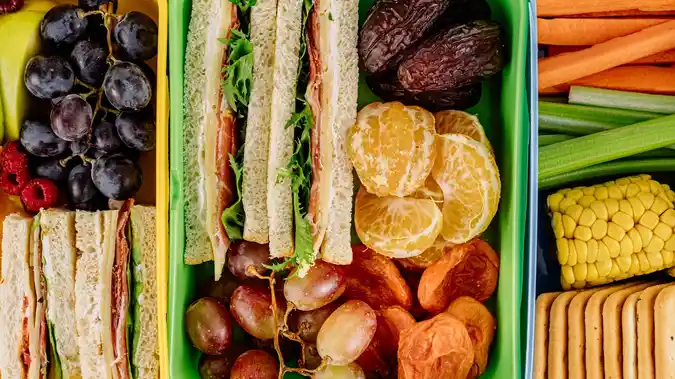
A heart-healthy lunch stays useful when it gives you fiber, unsaturated fat, and lean protein without a lot of sodium or heavy cream-based dressing. It also needs texture that survives a half day in a bag.
Since that balance is the goal, picture this: you open the container at 4 p.m. and the meal still has bite. The grain is not gummy, the greens are not wilted, and the protein did not soak everything below it.
A strong long-hold lunch usually has these parts:
- A base: brown rice, quinoa, farro, barley, or whole-grain pasta.
- A protein: beans, lentils, tofu, edamame, tuna, salmon, eggs, chicken, or turkey.
- Produce that lasts: cucumbers, carrots, bell peppers, cherry tomatoes, cabbage, snap peas, apples, oranges, berries.
- Fat that helps satiety: avocado, olives, nuts, seeds, tahini, olive-oil dressing.
- Flavor from acid and herbs: lemon, vinegar, dill, parsley, cilantro, mustard.
Here’s the catch: heart-healthy does not mean salad only. A soggy greens-and-cucumber box may be light, but it often leaves you hungry and disappointed by 3 p.m.
The American Heart Association’s guidance on healthy eating is a useful anchor here. It favors vegetables, fruits, whole grains, beans, fish, and unsaturated fats, while keeping sodium and saturated fat in check.
For planning and food-safety context, the USDA Food Safety and Inspection Service also notes that perishable foods should not remain in the danger zone too long, which is why the packing method matters as much as the ingredients.
Foods that usually hold up
- Grain bowls with roasted vegetables
- Bean salads with vinaigrette
- Hummus wraps with crunchy vegetables
- Tuna or salmon salad made with yogurt or a light mayo mix
- Whole fruit and unsalted nuts packed on the side
Foods that often fail by late afternoon
- Lettuce-heavy salads with juicy tomatoes mixed in too early
- Bread that sits against wet fillings
- Hot rice or pasta packed before it cools
- Avocado spread on bread without a barrier
- Creamy dressings poured over everything in the morning
The best lunches are built for delay, not just for taste at noon. If you want a lunch that lasts, the next step is keeping it safe before you even worry about flavor.
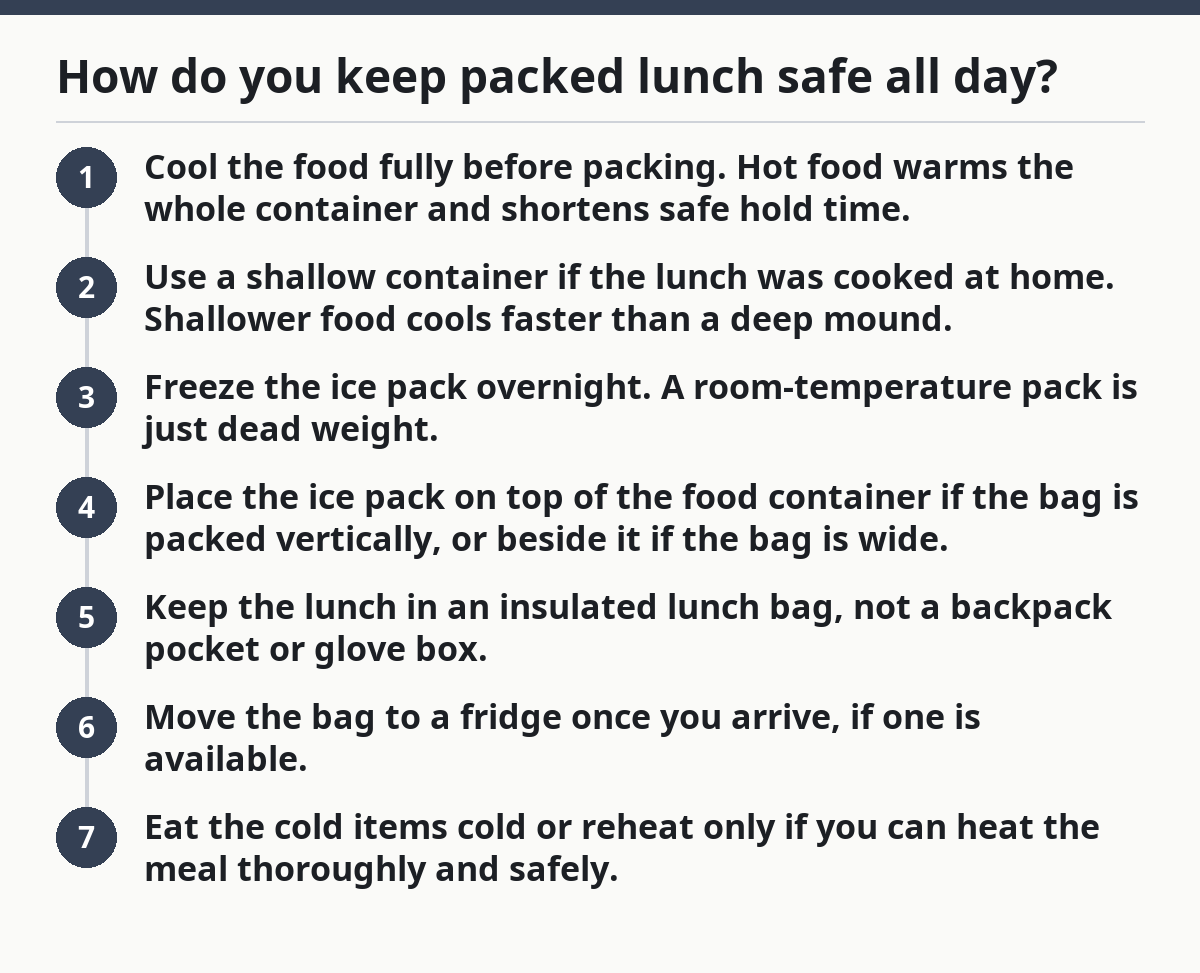
How do you keep packed lunch safe all day?
You keep packed lunch safe all day by chilling it fast, holding it cold, and not letting it sit unrefrigerated on a desk or car seat. That means food safety starts before the bag closes.
Because that clock starts early, picture this: you pack at 7 a.m., then the lunch sits through a commute, a meeting, and a long afternoon. A single warm stretch can spoil the plan, even if the food looks fine.
Instead, follow this sequence:
- Cool the food fully before packing. Hot food warms the whole container and shortens safe hold time.
- Use a shallow container if the lunch was cooked at home. Shallower food cools faster than a deep mound.
- Freeze the ice pack overnight. A room-temperature pack is just dead weight.
- Place the ice pack on top of the food container if the bag is packed vertically, or beside it if the bag is wide.
- Keep the lunch in an insulated lunch bag, not a backpack pocket or glove box.
- Move the bag to a fridge once you arrive, if one is available.
- Eat the cold items cold or reheat only if you can heat the meal thoroughly and safely.
A common mistake is packing lunch and then leaving it on the counter while you finish getting ready. That can cost you the whole safety margin before the commute even starts. Put the food in the bag last, right before you walk out.
The USDA Food Safety and Inspection Service and the FDA both give clear temperature rules for perishable food. If you need a number to remember, use 40°F as the fridge target and 2 hours as the outside limit for room temperature.
Two safe habits that matter more than fancy gear
- Use a real insulated lunch bag, not a thin paper bag.
- Carry a backup ice pack in summer or when the day will be long.
If the lunch will live outside a fridge for most of the day, treat the ice pack as part of the meal, not an accessory, and if you are unsure about a specific setup, consult a food-safety professional or follow FDA and USDA guidance.
What should go in a lunch that won’t get soggy?
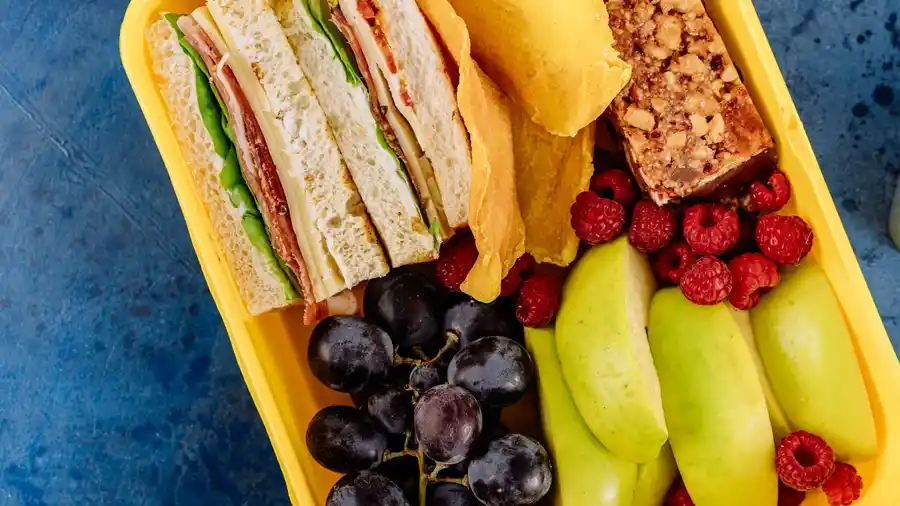
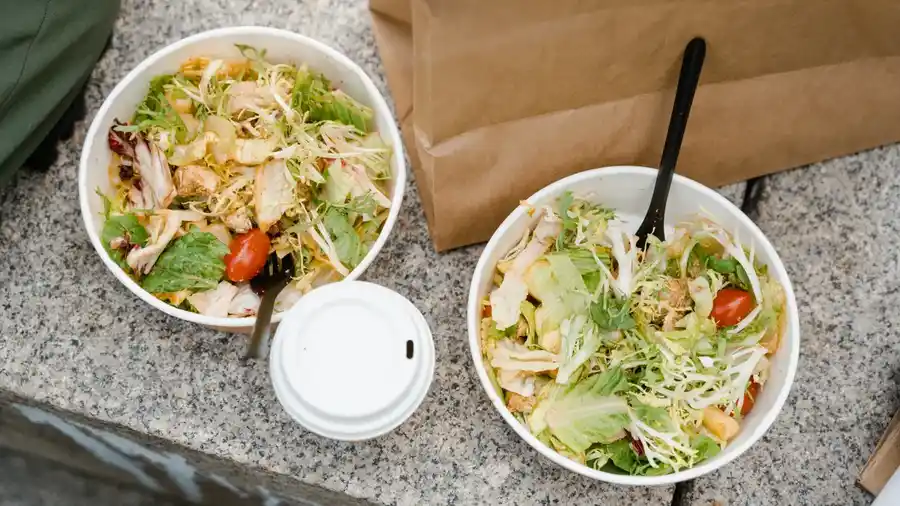
A lunch that won’t get soggy uses dry layers, sturdy ingredients, and separate dressing. That is the difference between a meal and a wet pile.
Because moisture control matters so much, picture this: you open the lid after six hours and find a wrap that still bends instead of breaks, or a grain bowl that still has structure. That happens when moisture is managed from the start.
Build around ingredients that resist collapse:
- Whole grains instead of soft white bread.
- Hummus, mashed beans, or nut butter as a moisture barrier.
- Crunchy vegetables like carrots, cabbage, radishes, and peppers.
- Thick-skinned fruit such as apples, oranges, and grapes.
- Nuts and seeds packed apart until snack time.
A wrap works better than a sandwich when the filling is low-moisture and the tortilla is sturdy. Use lettuce leaves, sliced turkey, egg salad that is not too wet, or hummus with shredded carrots and cucumber. A wrap with too much soft filling bursts and leaks by midafternoon, so avoid overfilling.
Grain bowls are also strong for late-day eating, but only if the dressing stays separate. Put the dressing in a small container and add it when you eat. That keeps the grains from going mushy.
Better texture choices
- Cooked grains cooled before packing
- Roasted vegetables instead of watery raw ones
- Hard cheeses in small amounts
- Apples with lemon juice to slow browning
- Toasted nuts for crunch
Texture choices that fail fast
- Wet tomatoes cut into bread
- Cucumber slices tossed directly into wraps
- Warm grains packed with dressing
- Delicate greens with no barrier
- Chips mixed into the main container hours early
The truth is, the best long-hold lunch is usually simple. It has fewer parts, but each part is chosen for a reason, which makes the packing step easier in the next section.
How to pack an insulated lunch bag the right way
An insulated lunch bag works best when the cold source touches the food and the bag stays closed as much as possible. A good bag is not magic; placement matters.
Picture this: you toss everything into a bag and hope for the best. The ice pack sits in one corner, the food slides around, and the top of the lunch warms up by noon.
Use this packing order as a practical starting point:
- Put the coldest container at the center of the bag.
- Add the ice pack beside it or above it.
- Fill empty space with a napkin or small snack pack so warm air has less room to move.
- Keep fruit, nuts, and crackers in a separate sleeve or pouch.
- Close the zipper fully and keep it shut until lunch.
A medium insulated lunch bag usually does better than a soft tote with no insulation. Hard containers help too, because they keep the contents from being crushed in a backpack or car. If you can, choose containers with tight lids and a flat shape that fits the bag without gaps.
Do not put the bag in direct sun or on a hot seat. Even a good insulated lunch bag loses ground fast when it sits in a warm car. That is where many lunches fail.
A simple packing order that works
- Bottom: sturdy container
- Side: ice pack
- Top: napkin or extra cold pack
- Separate pocket: fruit and nuts
- Outer pocket: spoon, fork, salt-free seasoning
This routine takes less than 5 minutes once the foods are ready. It is about order, not extra effort, and that order matters most when the lunch has to last until late afternoon.
What are the best foods to mix for a late-afternoon lunch?
For a late-afternoon lunch, grain bowls, wraps, fruit, nuts, and salads built with firm ingredients and separate dressing are the most practical mix. That combination covers hunger, flavor, and staying power.
Picture this: you want something that still feels like lunch after a long stretch, not a snack box that leaves you hunting for chips. The answer is to combine one main item with two small supports.
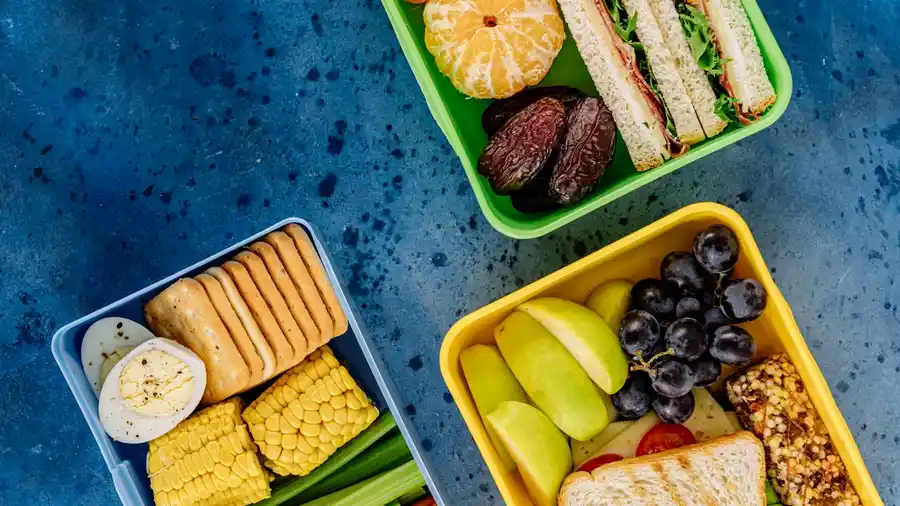
A good late-afternoon lunch often looks like this:
- Main container: quinoa bowl with chickpeas, roasted peppers, spinach, and olive oil on the side.
- Side 1: apple slices with lemon or a whole apple.
- Side 2: unsalted almonds or walnuts.
- Optional: a plain yogurt cup if it can stay cold.
For a wrap, use a whole-grain tortilla, hummus, greens, shredded carrots, sliced turkey, or smashed chickpeas. Add avocado only if it will be eaten the same day and kept cold the whole time. Avocado browns and softens, so it is better as a small layer than the main event.
For a salad, choose cabbage, kale, romaine, or spinach only if the greens are sturdy and dry. Add beans, edamame, cucumbers, peppers, and seeds. Keep tomatoes and dressing separate if you want the salad to last longer than lunch hour.
Strong combos
- Farro, white beans, cucumber, parsley, olive oil
- Whole-grain wrap, hummus, turkey, carrots, spinach
- Brown rice, salmon, snap peas, sesame seeds
- Lentils, roasted sweet potato, arugula, pumpkin seeds
Weak combos
- Iceberg lettuce with watery dressing
- White bread with juicy fillings
- Pasta salad overloaded with mayo
- Fruit salad that mixes berries with cut banana too early
A lunch that survives until late afternoon is usually built around one sturdy base, one protein, and one fruit or nut side. That simple rule does more than a long recipe list, especially when you want the meal to hold together after the first few hours.
Mistakes that shorten shelf life and ruin texture
The worst mistakes are packing warm food, mixing wet and dry items too early, and using containers that do not seal. Each one costs you either safety, texture, or both.
Picture this: the lunch starts strong, then the bread gets damp, the greens wilt, and the whole thing smells off by 3 p.m. That is not bad luck. It is a packing mistake.
Common errors and what they cost:
- Packing hot food: warms the bag and cuts safe hold time.
- Using no ice pack: leaves you with a lunch that may warm above safe storage range.
- Overdressing the salad: causes soggy greens and mushy grains.
- Putting fruit with cut surfaces against other food: adds moisture where it does not belong.
- Choosing crumbly bread for wet fillings: makes lunch fall apart in the bag.
What to do instead is plain and boring, which is why it works. Cool food first. Use a small lidded container for juicy items. Pick bread, wraps, and grains that can take a beating.
One more mistake deserves a callout: trying to make one box do every job. A lunch that lasts until late afternoon often needs two or three containers, not one deep tub where everything gets mixed together.
What this lunch plan is not for
This lunch plan is not for food that must stay hot all day or for meals that depend on delicate textures. It also is not the right fit if you need a warm thermos lunch, a fully fresh-made salad at 4 p.m., or a recipe-heavy meal prep routine.
Because the setup is so specific, picture this: you want a packed lunch that works on a workday, in school, or on errands without special gear beyond a bag and cold pack. The system here is built for that kind of day.
Use a different approach if you need:
- Hot soup or stew held for hours
- Dairy-heavy dishes without cold storage
- Very soft greens with dressing already mixed in
- A lunch that stays in a hot car for part of the day
If you are packing for a day trip or a long commute, read the hub on Heart-Healthy Lunch Planning for Work, School, and Errands for the bigger picture. This page stays focused on the long-hold packed lunch itself.
The main rule is simple: the longer the lunch must sit, the more the meal should act like an insulated snack box and less like a fresh plated salad. That shift changes everything.
Key Takeaways
- A long-hold lunch needs cold storage, sturdy ingredients, and a tight seal.
- Insulated lunch bags and frozen ice packs do the heavy lifting.
- Grain bowls, wraps, fruit, and nuts hold up far better than wet sandwiches and dressed salads.
- Keep dressing, juicy produce, and crunchy toppings separate until eating time.
- Food safety matters as much as flavor; 40°F and the 2-hour rule are the guideposts.
What heart-healthy lunch lasts until late afternoon?
A heart-healthy lunch that lasts until late afternoon is usually a grain bowl, wrap, or sturdy salad built with beans, lean protein, vegetables, fruit, and nuts. The best version uses cold storage, low-moisture ingredients, and separate dressing so it still works when you open it hours later.
Drafted with AI; not yet reviewed by a person.