Last updated: November 19, 2026
Key Takeaways
- Layer ingredients, keep dressing separate, and use side cups or compartments for the wettest foods.
- Moist ingredients should stay away from greens that bruise or wilt first.
- Keep dressing, crunchy toppings, and juicy ingredients in separate containers.
- Dry, cool, loosely packed meal prep containers help salad bowls stay fresher.
- The fastest way to keep salad bowls fresh
- How to layer salad bowls so the greens stay crisp
- What should you store separately in a salad bowl?
- How to prep salad meal prep containers without wilt
- Common mistakes that make salad bowls go bad
- How long can prepared salad bowls last in the fridge?
- A simple salad meal prep routine that saves time all week
Salad meal prep stays fresh when you keep wet ingredients away from leafy greens, layer smartly, and chill the containers fast. This guide explains how to keep salad bowls fresh for meal prep, with the core answer up front: build them dry, cold, and separated, then eat them within 1 to 3 days for best texture.
The fastest way to keep salad bowls fresh
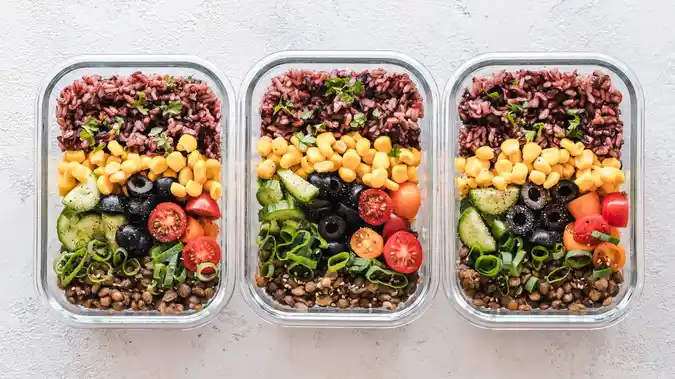
The easiest method is usually to build the bowl in layers, store dressing separately, and keep the coldest ingredients at the bottom or in side containers. That is the basic fix for soggy greens, limp cucumbers, and watery tomatoes.
If you want one sentence that covers the whole job: make the bowl dry, cold, and sealed until you eat it.
Start with meal prep containers that close tightly. A leak-resistant lid matters more than a fancy shape. Glass or rigid plastic both work if the seal is good and the container is shallow enough that the greens do not get crushed. If the container has a flat lid and room for a separate cup or compartment, that helps.
The other key is to think in terms of moisture zones. Wet foods release liquid. Dry foods absorb it. Your job is to keep those two groups apart until lunchtime.
Here is the order that usually works best:
- Put dressing in a separate small container, ideally 2 to 4 tablespoons at a time. The bowl should open to dry greens, not a puddle of vinaigrette.
- Add sturdy ingredients first, such as beans, chopped chicken, eggs, grains, or firm vegetables. These create a base that can handle a little moisture.
- Add cucumbers, tomatoes, and other watery vegetables above the base, but not touching the greens if you can avoid it. Tomato juice is one of the quickest ways to soften a salad.
- Put leafy greens on top or pack them in a separate compartment. The greens should look uncompressed and crisp, not flattened.
- Close the lid and chill the container right away. A cold refrigerator, around 4°C / 40°F, slows the damage. According to the USDA FoodKeeper app, that temperature range is the standard baseline for cold storage. When the salad is packed correctly, the leaves should still look perky the next day.
This method is not for salads that depend on delicate herbs, avocado, or cut fruit sitting in dressing for hours. Those ingredients go soft fast and need a different plan.
How to layer salad bowls so the greens stay crisp
Layering works because the ingredients with the most moisture should not touch the ingredients that bruise or wilt first. That means the bottom of the container should hold the most stable items, and the top should hold the most fragile ones.
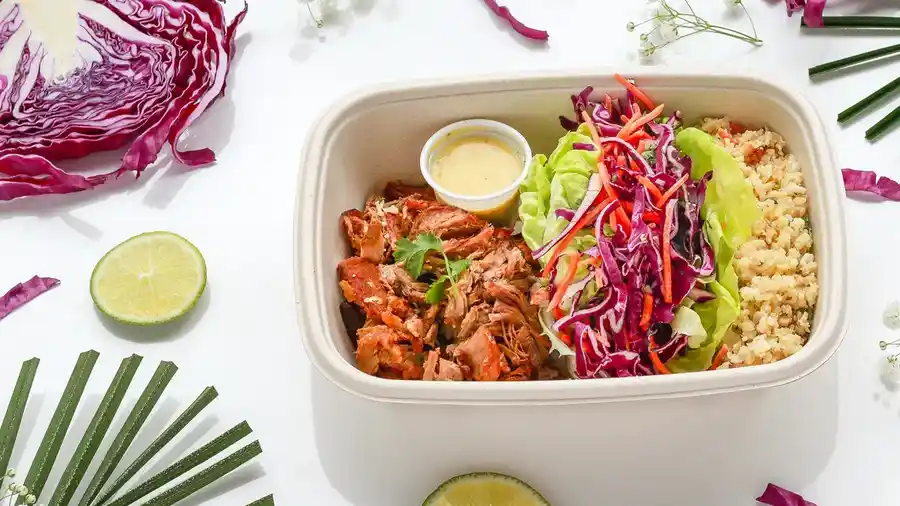
A simple layering order is: heavy proteins and beans at the bottom, firmer vegetables in the middle, leafy greens at the top, and dressing off to the side. That order gives the salad structure and cuts down on trapped moisture.
A practical layering plan looks like this:
- Bottom: beans, chickpeas, lentils, grilled chicken, tofu, tuna, or hard-boiled eggs.
- Middle: cucumbers, bell peppers, shredded carrots, radishes, or chopped celery.
- Top: spinach, romaine, spring mix, arugula, or other leafy greens.
- Separate: dressing, croutons, nuts, seeds, and anything you want to stay crunchy.
Beans are useful because they do not collapse the way fragile vegetables do. If you are using canned beans, drain and rinse them well, then let them drain again for a few minutes. Too much liquid at the bottom turns the whole container into a soup starter.
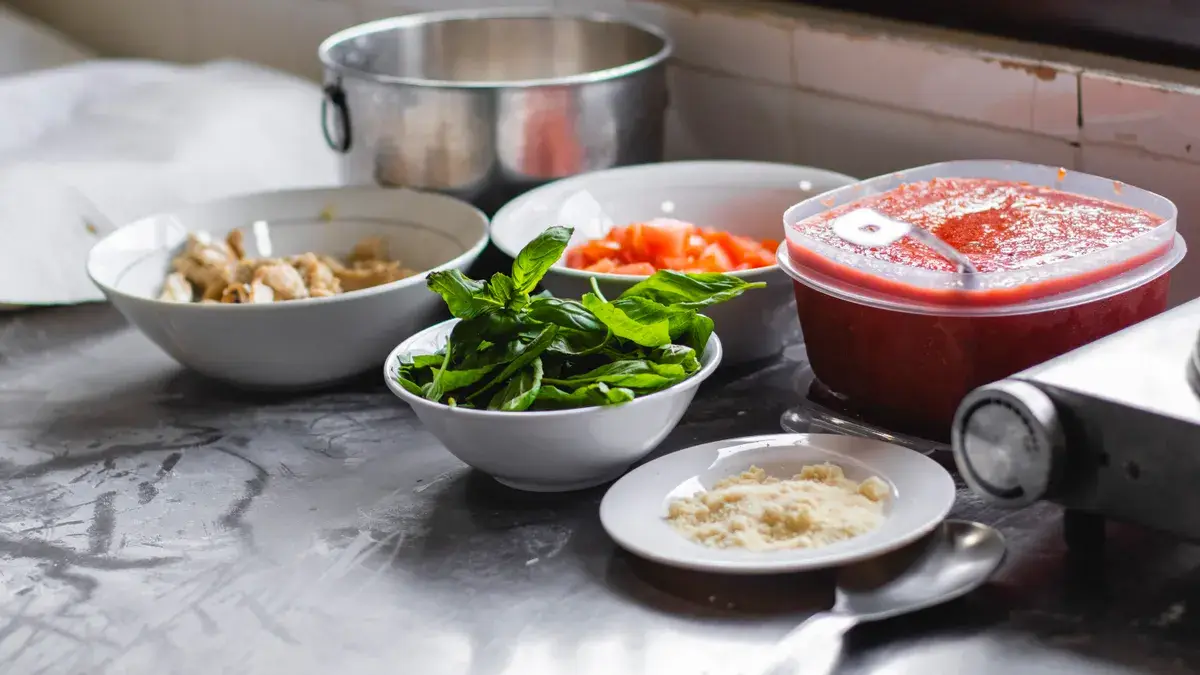
Tomatoes are the tricky one. They are not a bad ingredient, but they should be treated like a moisture bomb. If you are unsure how much raw tomato your bowl can handle, check food-safety guidance from your local extension or a registered dietitian. Cherry tomatoes can be left whole and packed in a separate cup. Larger tomatoes should be seeded and patted dry before they go into the bowl. If you chop them small and leave the seeds in, they will release more juice in 24 hours than you want in a lunch container.
Cucumbers can also cause trouble if they are sliced thin and packed wet. If you want them to stay firm, slice them thick, blot them with a paper towel, and keep them away from the greens. That small step usually matters more than any storage trick.
If the bowl includes avocado, add it right before eating. Even with lemon juice, it tends to brown and soften. The same goes for fresh herbs. Parsley, basil, and cilantro lose their snap faster than lettuce, so they are better added at the last minute.
What should you store separately in a salad bowl?
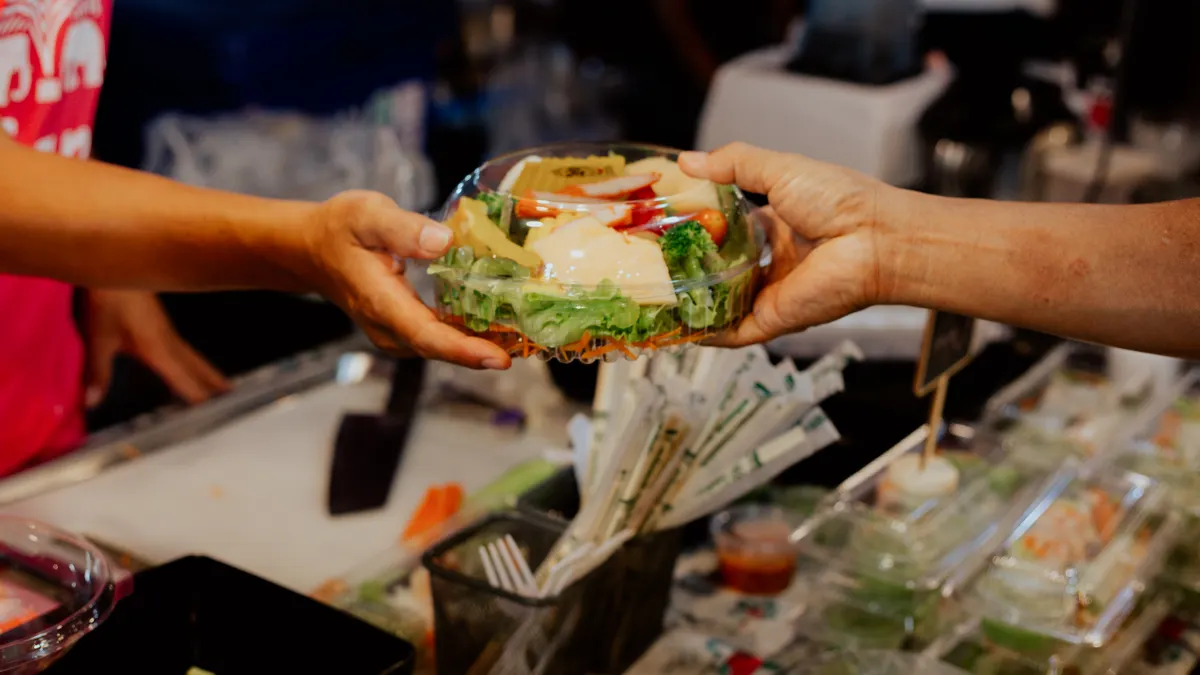
Store dressing, crunchy toppings, and high-moisture ingredients separately. That is the cleanest way to prevent soggy greens and crushed add-ins.
The most important separate item is salad dressing. Oil-and-vinegar dressings, creamy dressings, tahini dressings, and yogurt-based dressings all soften greens once they sit on them for hours. Even a light amount can wilt the leaves by lunch. A small lidded container, sauce cup, or divided compartment solves that.
Crunchy add-ins also belong apart. Croutons, nuts, seeds, tortilla strips, and crisp onions all lose texture when they sit on wet greens overnight. If you like a crunchy finish, add it after you open the container.
Some ingredients need separation for food quality, not just texture. Tomatoes, cucumber slices, pickles, olives, and salsa-style toppings all bring liquid. Keep them off the greens unless you are eating within a few hours. If they are part of the bowl, pack them in a corner compartment or a separate cup.
Proteins are a judgment call. Cooked chicken, turkey, tofu, hard-boiled eggs, and beans can sit in the main container if they are drained and cooled before packing. Warm protein should not go straight into the fridge in a sealed bowl; trapped steam condenses and drips onto the leaves. Let it cool first so the salad does not sweat inside the lid.
Here is the shortcut: if an ingredient can leak, soften, or go stale, give it its own space.
That rule also explains what not to overcomplicate. You do not need 10 containers for one lunch. One main container plus one tiny dressing cup is enough for most meal prep. The point is not separation for its own sake; it is separation where moisture or texture would otherwise ruin the bowl.
For a broader plan that fits the rest of a week of lunches, the hub on heart-healthy salad and bowl building covers the larger framework this page supports, and USDA FoodKeeper gives a practical cold-storage reference.
How to prep salad meal prep containers without wilt
Salad meal prep containers work best when they are dry, cool, and not overpacked. A damp container can undo careful layering before the salad leaves the fridge.
Wash the container and lid, then dry them completely. Even a few drops trapped under the greens can turn into a wet spot overnight. If you air-dry the container, give it a few extra minutes.
Choose a size that lets the contents sit loosely. A container that is too small compresses romaine and spring mix, and compressed greens wilt faster. A 1-liter to 1.2-liter container, or roughly 34 to 40 fluid ounces, often works for a single lunch bowl, though the right size depends on how much protein and vegetable volume you pack. The key is room at the top for the greens to breathe.
Do not pack warm ingredients into the container. If cooked chicken or beans are still hot, steam forms under the lid. That moisture settles on the lettuce and makes the greens droop by the next day. Cool cooked foods before assembly, then refrigerate the finished bowl right away.
If your container has a built-in insert or divider, use it for the wettest add-ins. A separate cup for dressing is ideal because it keeps the liquid from migrating into the main compartment. If you do not have a divider, use a small snap-lid cup or even a silicone sauce cup inside a larger container.
A good container setup should look neat, not stuffed. You should be able to see separate layers, no puddles, and no crushed leaves pressing against the lid. If the bowl looks squashed before it goes into the fridge, it will usually be worse at lunch.
Common mistakes that make salad bowls go bad
The biggest mistake is dressing the salad too early, and it costs you texture immediately. Even a small amount of dressing can turn crisp greens limp if it sits overnight. The fix is simple: pack dressing separately and add it only when you are ready to eat.
Another mistake is leaving wet vegetables unprepared. Un-drained tomatoes, rinsed but not dried greens, and cucumbers cut with a lot of surface moisture all create a watery container. Pat produce dry with paper towels before packing. If the ingredients are visibly wet, the bowl will usually go soft faster.
Overcrowding is a quieter problem. When the container is jammed full, the lid presses down on the leaves and traps more moisture. Use a container that fits the amount of food, not the other way around. If the lid has to force the contents down, the salad will not stay crisp.
People also forget to cool proteins before packing them. Warm beans, chicken, or tofu do not just raise the temperature inside the container; they create condensation. That condensation can make a salad look old before lunch starts.
A final mistake is storing the bowl too long, even when it is packed well. Most meal-prepped salads are best within 1 to 3 days, depending on the ingredients. Hardy greens and firm vegetables hold up better than delicate leaves, but no container setup can keep a cut tomato or dressed greens fresh forever.
So the rule is simple: dry ingredients, separate moisture, and do not ask the container to rescue a salad that was packed badly in the first place.
How long can prepared salad bowls last in the fridge?
Prepared salad bowls usually hold best for 1 to 3 days in the refrigerator, depending on the ingredients. A salad with dry greens, beans, and firm vegetables will outlast one with tomatoes, cucumbers, avocado, or delicate lettuce.
The shelf life is less about the calendar than the wettest ingredient. A bowl with spinach, chopped cucumber, and dressing already poured on top may look tired by the next day. A bowl with romaine, chickpeas, shredded carrots, and dressing stored separately can stay much fresher.
Use the fridge correctly as well. Keep the bowl at or below 4°C / 40°F, and put it in the refrigerator soon after assembly. If you leave a packed salad sitting out on the counter for a long stretch, the greens soften faster and the safety margin drops. A cool fridge is not a cure-all, but it is the baseline for cold storage, and USDA guidance gives 4°C / 40°F as a practical target.
A few ingredients shorten the window. Cut avocado browns. Tomatoes leak. Dressed leafy greens soften. Soft cheeses can get wet around the edges. If your salad depends on those ingredients, pack them separately or add them the day you eat it.
If a bowl smells off, looks slimy, or has obvious liquid pooling around the greens, do not try to rescue it with more dressing or a paper towel. That is a sign to discard it.
A simple salad meal prep routine that saves time all week
A repeatable routine matters more than a perfect recipe, because freshness depends on how you assemble the bowls every time. The goal is to spend about 20 to 30 minutes once, then eat from the fridge without rebuilding the salad each day.
Start by washing and drying the greens first. Dry leaves are the foundation. If you are using bagged greens, still check for moisture and blot them if needed. Then prep the sturdy ingredients: drain beans, cook and cool proteins, slice cucumbers, and halve or chop tomatoes. Keep each ingredient dry and in its own small container until assembly.
Next, line up the meal prep containers and build each one in the same order. Bottom layer for protein or beans, middle for firmer vegetables, top for leafy greens, separate cup for dressing. If you pack the bowls the same way every time, you are less likely to forget a wet ingredient in the wrong place.
After assembly, refrigerate the containers right away. Put the bowls where they will stay cold and upright, not on the fridge door, which warms up more often than the main shelf. When lunch comes, shake or pour on the dressing, close the lid again if needed, and toss just before eating.
The routine is not for someone who wants a fully dressed salad for four days in a row. That style of meal prep usually trades freshness for convenience. If your priority is crisp greens, you need the extra minute to separate the dressing and the wet toppings.
Used this way, salad meal prep is simple: dry the greens, isolate the moisture, and keep the bowl cold until the last possible moment.
How do you stop salad from getting soggy?
Keep the wet ingredients away from the greens until you are ready to eat. That means drying washed produce, storing dressing separately, and putting tomatoes, cucumbers, and other juicy toppings in their own section or container. A dry, tightly closed meal prep container also helps slow the softening.
How long do prepared salad bowls last?
Most prepared salad bowls are best within 1 to 3 days in the fridge, depending on the ingredients. Bowls with sturdy greens, beans, and firm vegetables last longer than bowls with dressed lettuce, tomatoes, avocado, or soft herbs. Cold storage at about 4°C / 40°F helps preserve texture.
What should you store separately in a salad bowl?
Store dressing, crunchy toppings, and the wettest vegetables separately. Croutons, nuts, seeds, tomatoes, cucumbers, pickles, and avocado all do better when they are not sitting on the greens overnight. Separating them keeps leafy greens crisper and gives you better texture at lunch.
Drafted with AI; not yet reviewed by a person.