Last updated: November 19, 2026
Key Takeaways
- A heart-healthy smoothie usually uses a 1-1-2 pattern: 1 cup fruit, 1 protein add-in, and 1 to 2 fiber or fat boosters.
- Berries, spinach, plain Greek yogurt, chia seeds, unsweetened soy milk, and flaxseed each add something different.
- Add protein with plain Greek yogurt, unsweetened soy milk, or a measured scoop of unsweetened protein powder, if you use one.
- Keep fruit measured; 1 cup is usually the starting point for breakfast.
A heart-healthy smoothie is easiest to build when you use measured fruit, a protein anchor, and a fiber-rich base, and this guide focuses on Heart-Healthy Smoothies: Best Ingredient Combinations for Breakfast. For breakfast, the smartest smoothies use berries, spinach, plain Greek yogurt, chia seeds, unsweetened soy milk, or flaxseed to keep sugar lower and satiety higher.
If your goal is Heart-Healthy Smoothies: Best Ingredient Combinations for Breakfast, the core answer is simple: build around unsweetened liquid, add one protein source, add one or two fiber boosters, then keep fruit to a measured portion. The difference between a good smoothie and a sugar-heavy one is usually the ratio, not the recipe name.
The formula that keeps Heart-Healthy Smoothies: Best Ingredient Combinations for Breakfast
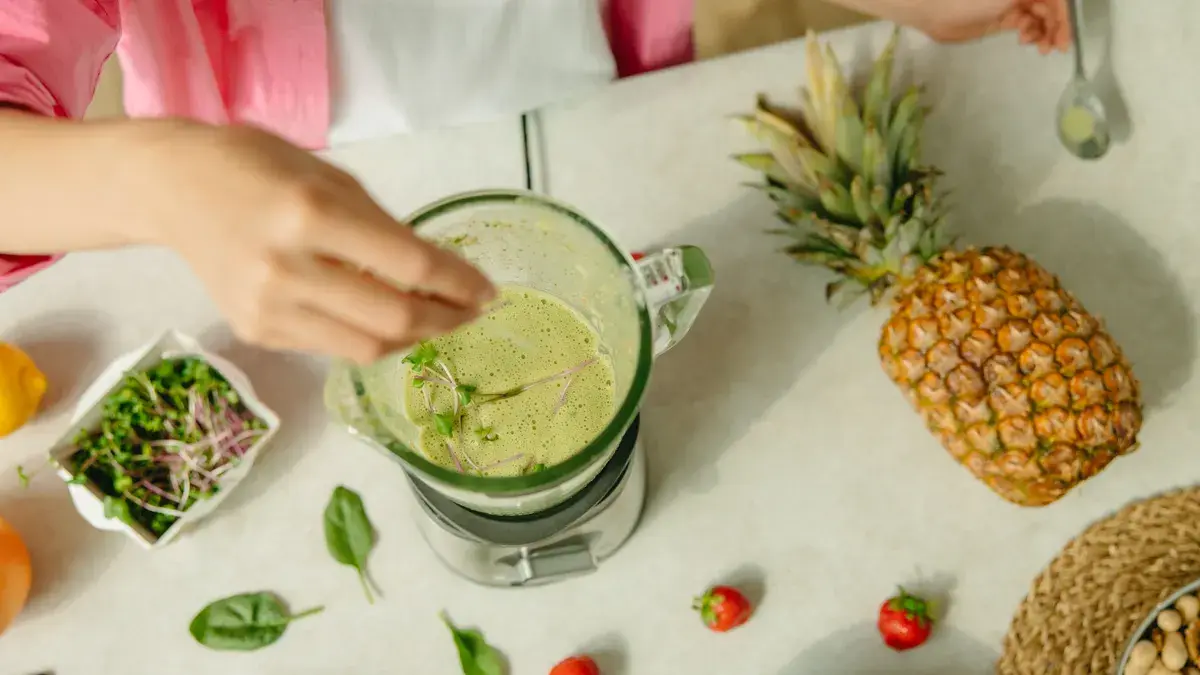
A heart-healthy smoothie usually follows a 1-1-2 pattern: 1 cup fruit, 1 protein add-in, and 1 to 2 fiber or fat boosters. That structure keeps the drink from turning into dessert in a cup.
Use this as the starting point:
- Choose 1 cup of fruit, ideally berries. Blueberries, strawberries, raspberries, and blackberries bring flavor with less sweetness than many tropical fruits. A 1-cup portion is easy to measure and keeps the fruit load from taking over the glass.
- Add 1 cup of an unsweetened liquid base. Unsweetened soy milk is a strong choice because it contributes protein without added sugar. Plain water works too, but the result is thinner.
- Add 1 protein source. Plain Greek yogurt is the easiest option for thickness and protein. If dairy is not a fit, soy milk helps, and silken tofu can work if you want a neutral flavor.
- Add 1 fiber booster. Chia seeds or ground flaxseed are the most useful. Start with 1 tablespoon, not a heaping spoonful, so the texture stays drinkable.
- Add greens if you want volume. A handful of spinach blends into fruit smoothies without dominating the taste.
- Blend for 30 to 60 seconds. Stop when the texture looks uniform and no leafy bits remain. Overblending can thin the drink and warm it slightly.
- Taste, then adjust with ice or more liquid. Ice thickens the texture; extra liquid loosens it. This is the easiest way to fix a smoothie that comes out too dense or too sharp.
The formula is not meant to be rigid. It is meant to stop the common mistake of building breakfast from fruit alone. A banana, a mango, and juice can taste great, but that mix is easy to overdo and usually leaves the smoothie short on protein and fiber.
This section is the core of the page, and it also explains why the same smoothie can feel filling one morning and forgettable the next: the balance changed.
Which ingredients do the most work in Heart-Healthy Smoothies: Best Ingredient Combinations for Breakfast?
Berries, spinach, plain Greek yogurt, chia seeds, unsweetened soy milk, and flaxseed do the most work because each adds something the others do not. Fruit gives flavor, greens give volume, yogurt gives protein and body, seeds add fiber and healthy fats, and soy milk supplies a smooth base without the sugar of juice.
Here is how each ingredient earns its place:
- Berries: Best for keeping sweetness in check. Frozen berries also help with thickness, so the smoothie feels like a meal instead of a drink. They are usually the first fruit I would choose for this topic.
- Spinach: Best for adding volume with very little flavor. A handful or two is enough for most blenders. Spinach is useful when the smoothie needs more green without becoming bitter.
- Plain Greek yogurt: Best for creaminess and protein. It makes the smoothie thicker than milk alone. The drawback is dairy, which does not suit everyone, and flavored yogurt can quietly add sugar.
- Chia seeds: Best for gel-like thickness and extra fiber. They swell as they sit, so a smoothie with chia can thicken in 5 to 10 minutes.
- Unsweetened soy milk: Best for a creamier base with protein. It is one of the few plant milks that does more than act like flavored water.
- Flaxseed: Best when ground. Whole flaxseed often passes through with less benefit, so the milled form is the practical choice.
The trade-off is simple: the ingredients that improve heart-healthy quality can also change the texture. Chia and flax can make a smoothie too thick if you use both heavily. Greek yogurt can overpower delicate fruit. Spinach can make the color less appealing if you use too much at once.
If you want the easiest combination to remember, think berries + spinach + plain Greek yogurt + unsweetened soy milk + 1 tablespoon chia or flaxseed. That mix checks flavor, protein, and fiber without relying on juice, sherbet, or sweetened yogurt.
For a wider breakfast plan that includes other options, the heart-healthy breakfasts hub can sit beside this smoothie guide as the broader starting point. For added guidance, the American Heart Association and USDA MyPlate both emphasize choosing nutrient-dense foods and limiting added sugar in breakfast choices. American Heart Association, USDA MyPlate
How do I add protein to a heart-healthy smoothie?
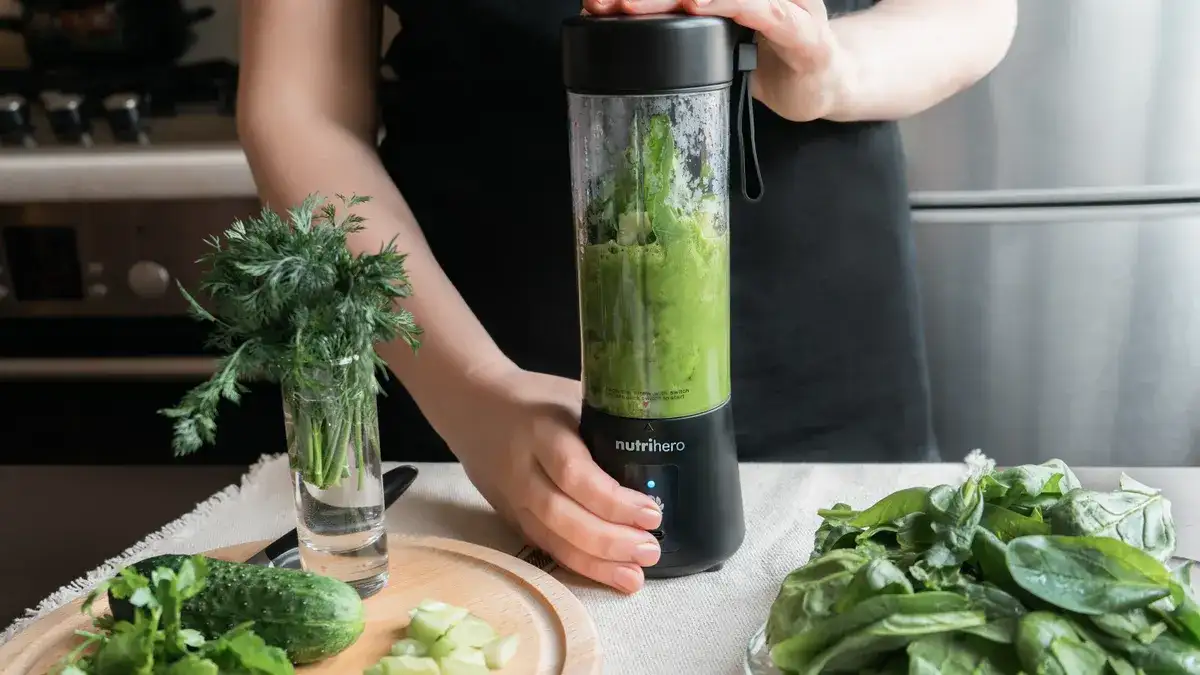
Add protein with plain Greek yogurt, unsweetened soy milk, or a measured scoop of an unsweetened protein powder if you use one. Protein matters because fruit and juice alone can leave a smoothie feeling light an hour later, which is the opposite of what most breakfast drinkers want.
The cleanest protein choices are these:
- Plain Greek yogurt: Usually the simplest route because it thickens the smoothie and adds a tang that balances berries. Use about 1/2 to 1 cup depending on how thick you want the drink.
- Unsweetened soy milk: A good base when you want a lighter texture than yogurt gives. It works well with frozen berries and spinach, and it keeps the drink from tasting milky-sweet.
- Silken tofu: Useful if you want a dairy-free, neutral-tasting protein source. It blends smoothly and does not fight with fruit.
- Unsweetened protein powder: Convenient, but not always necessary. It is the most variable ingredient because brands differ in flavor, sweetness, and texture.
The mistake here is stacking protein sources without checking the result. Greek yogurt plus soy milk plus protein powder can make a smoothie chalky or overly thick. That is fine if you want a spoonable breakfast bowl, but it is not ideal for a drinkable breakfast smoothie.
A better approach is to pick one main protein source and one supporting base. For example, a cup of unsweetened soy milk plus 1/2 cup plain Greek yogurt gives a smooth texture without turning the blender into paste. If using protein powder, start with the smallest serving listed on the label and blend before adding anything else.
This is also the section where people most often go wrong with sweetness. Flavored yogurts and sweetened milks can make a smoothie taste pleasant at first, but they move the drink away from the heart-healthy goal. Plain versions are less exciting on the label and more useful in the glass.
Fruit balance: how much sweetness is too much?
Fruit balance is the difference between a breakfast smoothie and a dessert shake, and 1 cup of fruit is usually the right place to start. That amount gives color, flavor, and natural sweetness without letting the fruit take control.
A good way to keep the sugar load in check is to treat fruit as one ingredient, not the whole recipe. Berries should do most of the sweetening work. If you want to use banana, keep it to half a banana and let berries fill the rest of the fruit portion. Mango, pineapple, and grapes push the smoothie sweeter very quickly, so they are better as occasional accents than the main base.
A practical fruit balance looks like this:
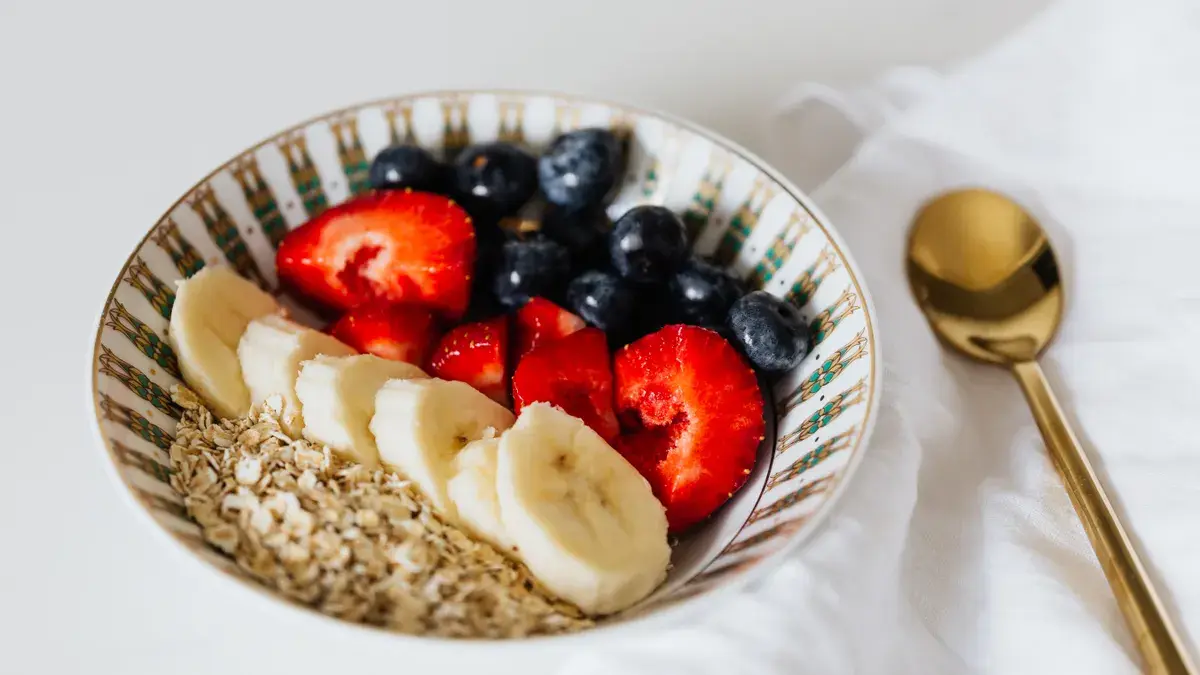
- 1 cup berries + spinach + plain Greek yogurt
- 1/2 banana + 1/2 cup berries + unsweetened soy milk
- 1 cup frozen berries + chia seeds + a small handful of spinach
What to avoid is fruit plus juice plus sweetened yogurt. That combination often tastes bright and smooth, which is exactly why it is easy to overdrink. A large glass can disappear in 2 minutes, and the result can feel less like breakfast and more like a snack.
Frozen fruit helps here because it makes the smoothie thick without adding more sweetener. Ice can do the same thing, but it waters down flavor. Frozen berries are usually the better answer when the goal is a heart-healthy breakfast smoothie with body.
If the smoothie tastes flat after you cut back on fruit, add cinnamon, vanilla, or more berries before reaching for honey or syrup. Those flavor fixes keep the recipe aligned with the goal.
What liquid base works best, and what should I skip?
Unsweetened soy milk is often the most useful liquid base for a heart-healthy breakfast smoothie, and fruit juice is the one I would skip first. The liquid you choose affects sweetness, protein, and texture more than most people realize.
The most useful bases are:
- Unsweetened soy milk: Creamy, balanced, and useful for protein.
- Plain water: Neutral and calorie-free, but thin.
- Ice with a small amount of liquid: Good for thick smoothies, though it can dilute flavor if overused.
- Unsweetened almond milk or oat milk: Fine if they fit your diet, but not all versions contribute much protein, and some brands are thinner than expected.
The base to avoid is juice, especially as the main liquid. It makes the smoothie easier to drink and easier to overconsume. It also pushes the recipe toward sweetness without adding much satiety. Coconut water is less problematic than juice, but it still adds sweetness and is not the first choice if your goal is a heart-healthy breakfast.
The texture issue matters too. A smoothie made with only water and berries can taste sharp and thin. A smoothie made with only yogurt can become dense and heavy. A practical result usually comes from a blend such as 1 cup unsweetened soy milk plus 1/2 cup yogurt, or 1 cup soy milk plus chia seeds and frozen fruit.
If the smoothie is too thick, add liquid by the 1/4 cup. If it is too thin, add frozen fruit, ice, or 1 tablespoon chia and let it sit for 5 minutes. That small pause gives the seeds time to thicken the drink instead of making you guess while it is still spinning.
For readers who want a broader breakfast framework, the heart-healthy breakfasts hub is the right place to branch out after this. The National Institutes of Health also notes that adding fiber-rich foods can support a more balanced eating pattern. NIH Office of Dietary Supplements
Blending tips that stop a good recipe from turning soggy
The best blending tip is to start with liquid, then soft ingredients, then frozen ingredients, because that order helps the blades catch faster and keeps the texture smoother. A smoothie is easy to ruin with bad layering even when the ingredient list is sound.
Use this sequence:
- Pour in 1 cup liquid first so the blades can move freely.
- Add yogurt, tofu, or nut butter next if you are using them.
- Add spinach or other leafy greens so they get pulled down by the liquid.
- Add berries, banana, or other fruit.
- Finish with chia or flaxseed on top.
- Blend on low for 10 seconds, then high for 20 to 40 seconds, until the mixture looks even.
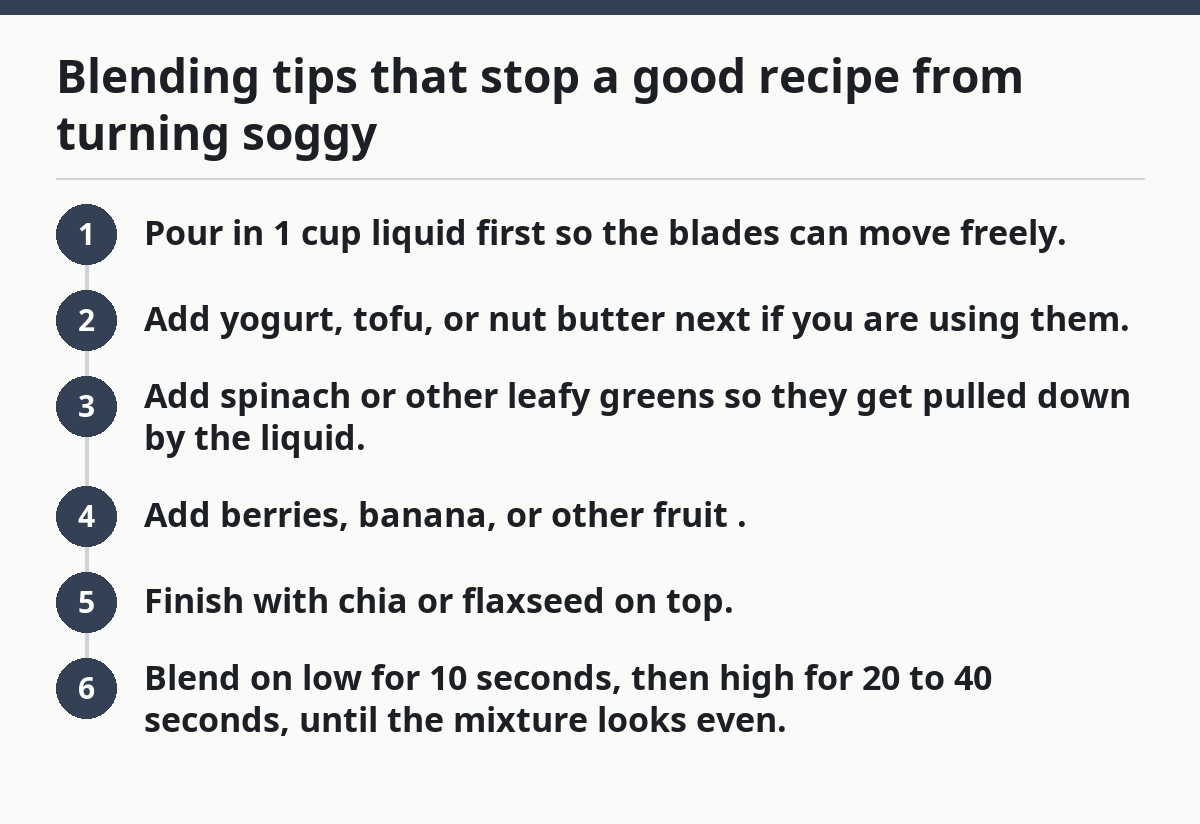
That order reduces the chance of dry pockets and helps the greens disappear. It also protects texture. If you dump frozen fruit on top of a dry blender jar, the blades can stall and leave chunks behind. If you add seeds too early and blend too long, they can make the smoothie gummy.
A few small fixes matter:
- Use frozen berries for thickness.
- Blend spinach with the liquid first if your blender is weak.
- Let chia sit 5 minutes after blending for a thicker finish.
- Add ice last if the smoothie needs more body.
- Do not keep adding sweeteners to fix texture. That solves the wrong problem.
This section is also where a generic smoothie article often fails. It gives recipes but not process, so the reader gets a drink that tastes okay in theory and separates in the glass 10 minutes later.
The mistakes that turn heart-healthy smoothies into sugar drinks
The biggest mistake is treating a smoothie like a juice bar order, because that usually means too much fruit, too little protein, and a sweetened liquid base. Once that pattern starts, the smoothie stops being a balanced breakfast.
The common mistakes and their costs are easy to spot:
- Using juice as the base: Raises sweetness and lowers satiety. Use unsweetened soy milk or water instead.
- Stacking too much fruit: Makes the smoothie taste great but leaves it closer to a sweet beverage than a meal. Keep fruit to about 1 cup.
- Skipping protein: The smoothie may be easy to drink but not filling. Add plain Greek yogurt or soy milk.
- Using flavored yogurt: Hidden sugar can climb quickly. Use plain Greek yogurt and sweeten with fruit instead.
- Forgetting fiber boosters: A smoothie without chia, flax, or greens is often too light. Add at least one fiber-rich ingredient.
- Adding honey, syrup, or sweetened protein powder by default: These can overwhelm the whole point of the recipe. Taste first, sweeten only if needed, and use the smallest amount possible.
There is one honest limitation here: a smoothie is not automatically a heart-healthy breakfast just because it contains fruit. If the recipe is mostly banana, juice, and sweetened yogurt, it may look virtuous and still act like a sugar-heavy drink. That matters for anyone trying to manage appetite, blood sugar, or overall breakfast quality.
The good news is that the fix is straightforward. Keep the fruit measured, choose an unsweetened liquid, add one protein source, and use chia or flaxseed to give the smoothie real staying power. For medical questions about diet and heart health, a clinician or registered dietitian is the right person to ask. The American Heart Association and USDA MyPlate both provide useful public guidance on balanced breakfast choices. American Heart Association, USDA MyPlate
What makes a smoothie heart-healthy?
A heart-healthy smoothie uses unsweetened liquid, measured fruit, and ingredients that add fiber and protein instead of just sweetness. Berries, spinach, plain Greek yogurt, chia seeds, unsweetened soy milk, and flaxseed are strong choices because they help the smoothie feel like breakfast, not dessert. The main risk is turning it into a sugar-heavy drink with juice or flavored yogurt.
Drafted with AI; not yet reviewed by a person.