Last updated: November 19, 2026
Quick Answer: Low-sodium recipes taste good when you build flavor with acid, aroma, browning, and smart ingredient swaps instead of trying to replace salt one-for-one. In How to Make Low-Sodium Recipes That Still Taste Good, the goal is not “bland but healthy”; it is food with enough depth that you stop missing the extra sodium.
What low-sodium recipes need to taste complete
Low-sodium recipes need four things on the plate: a savory base, a bright note, a rich note, and a clean finish. Salt usually helps all four at once, so when you reduce it, the recipe needs other ingredients doing some of that work.
Think of flavor in layers. A soup gets depth from low-sodium broth, onions, garlic, and tomatoes. A bean chili gets body from beans simmered with cumin, browned onion, and unsalted tomatoes. A side dish like rice or roasted vegetables needs something sharp at the end, such as lemon or vinegar, so the flavor does not stop halfway through the bite.
This is also why a generic “just use less salt” tip fails. When a recipe loses a large share of its sodium but keeps the same structure, it often tastes flat. A recipe rewritten for low sodium changes the whole balance: the cooking liquid, the canned goods, the seasonings, and the finishing step.
The hardest part is restraint. If you chase flavor by dumping in garlic powder, onion powder, and dried herbs all at once, the dish can taste crowded instead of seasoned. The better move is to use 2 or 3 clear flavors per dish and let them show up at different moments.
A useful mental check: if the food would still taste thin with the salt removed, the recipe needs more body, not more seasoning. If it tastes dull only at the end, it probably needs acid or a finishing herb.
Build flavor in low-sodium recipes before you season
You build flavor in low-sodium recipes by cooking ingredients long enough to create sweetness, browning, and aroma before you even reach for the shaker. That step does more for taste than most people expect, and food-science guidance from institutions such as the USDA and Harvard T.H. Chan School of Public Health supports using herbs, spices, acids, and cooking technique to boost flavor while reducing sodium.
Start with the ingredients that create a base. Onion, celery, carrots, garlic, and tomato paste give soups and sauces a backbone. When a recipe begins with 5 to 10 minutes of sautéing onion in a little oil, the dish gets a deeper taste than the same ingredients added raw. Browning a portion of the food in a skillet or roasting vegetables at 425°F can build savory notes people often mistake for salt.
Use this as the core procedure for a pot of soup, a skillet main, or a grain bowl sauce:
- Heat 1 to 2 tablespoons of oil in a pot or skillet over medium heat, then cook onion, garlic, or other aromatics for 5 to 8 minutes until soft and fragrant. The dish starts with a sweeter, more rounded base instead of a sharp raw edge.
- Add any browned ingredients next: tomato paste, mushrooms, or vegetables that can take heat. Cook them for 2 to 4 minutes so they deepen in color and flavor.
- Pour in low-sodium broth or water, then scrape the pan well. The browned bits dissolve into the liquid and give the sauce or soup more body.
- Simmer long enough for flavors to meet, usually 15 to 30 minutes for a soup or sauce and 10 to 15 minutes for a quick skillet dish. The result should taste integrated, not like separate ingredients sitting in the same bowl.
- Finish with fresh herbs, lemon, or vinegar right before serving. The last hit of brightness makes the whole dish taste more seasoned without adding much sodium.
This method works for many low-sodium recipes, but it is not ideal for foods that are meant to stay extremely light and fresh, such as a simple cucumber salad. In those cases, the base is the vegetable itself, and heavy browning would push the dish in the wrong direction.
How to season without leaning on salt
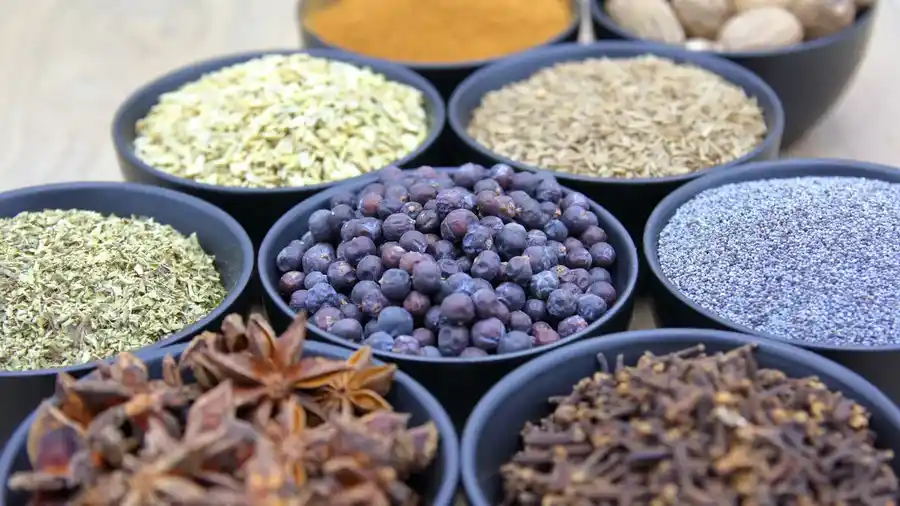
You season low-sodium recipes by pairing herbs, acid, and a small amount of heat rather than stacking half a dozen spice blends. That keeps the flavor readable.
Fresh herbs matter because they add aroma at the end of cooking, where salt usually does its cleanup work. Parsley, cilantro, dill, basil, and chives each bring a different finish. Dry herbs can help earlier in the cook, but they need time in liquid or fat to wake up. A teaspoon of dried oregano in a tomato sauce, for example, behaves very differently from a handful of fresh basil added at the table.
Acid is the other workhorse. Lemon and vinegar sharpen flavor and make vegetables, beans, and grains taste more alive. A squeeze of lemon over lentils or a teaspoon of red wine vinegar in a bean stew can replace some of the dullness people often blame on missing salt. Use acid carefully: too much can make a dish taste harsh, especially in delicate soups or creamy casseroles.
Heat has a smaller job. Black pepper, chile flakes, ginger, and mustard can add contrast, but they should not carry the whole recipe. A low-sodium dish is not automatically better because it is spicy. It is better when each flavor note has a purpose.
One useful pattern is this: herb for aroma, acid for lift, spice for edge. Put herbs in at the end, acid near the end, and stronger spices earlier so they cook into the dish. That timing matters more than buying a special “healthy” seasoning mix.
Which ingredients change the most in low-sodium recipes?
The ingredients that change the most in low-sodium recipes are broth, canned tomatoes, beans, and packaged sauces because those items often contribute a large share of the sodium in a dish. Swap them first and the entire recipe gets easier to control.
Low-sodium broth is a strong starting point for soups, risottos, braises, and pan sauces. It gives you control over the final taste instead of starting with a salty base you have to work around. Unsalted tomatoes do the same job in sauces, chilis, and stews. If you use regular canned tomatoes, the dish may still work, but the rest of the recipe needs to be adjusted so the sodium does not pile up.
Beans deserve special attention. Canned beans are convenient, and they can fit low-sodium cooking, but they need a rinse if you want to reduce the sodium on the surface. Rinsing also removes some of the canning liquid, which often tastes metallic or salty. For a quick weeknight dinner, rinsed beans are still useful. For a dish where beans are a main flavor, cooking dried beans from scratch gives you the most control.
Packaged sauces are the trickiest category. A small amount of soy sauce, broth concentrate, bouillon, teriyaki sauce, or jarred pasta sauce can dominate the sodium in the whole recipe. If you use them, use them as accents, not foundations. Build the recipe from unsalted tomatoes, broth, garlic, onion, herbs, lemon, and vinegar, then add a measured spoonful of the salty ingredient only if the dish still needs it.
The trade-off is real: lower-sodium versions of pantry staples can taste less assertive on their own. That is the price of control. The upside is that your final dish becomes predictable instead of accidentally over-salted.
Can canned foods fit low-sodium cooking?
Yes, canned foods can fit low-sodium cooking if you choose them carefully and rinse them when it makes sense. The label matters more than the can itself.
Use canned beans, canned tomatoes, canned corn, and canned fish as building blocks, not automatic problems. The trick is to look for low-sodium or no-salt-added versions when they exist, especially for tomatoes and beans. Unsalted tomatoes are especially useful because they bring body and acidity to sauces without adding hidden sodium.
Label reading should be fast and practical. Check the sodium line per serving, then check servings per container. A can that looks modest at first can add up fast if the whole container goes into one recipe. If a recipe calls for two cans, the difference between standard and low-sodium versions becomes much larger than people expect.
Rinsing helps most with beans and some vegetables. Drain them in a colander and rinse under cool water for about 10 to 20 seconds until the liquid runs clearer. That step will not make the food sodium-free, but it can lower the salty edge enough that herbs and acid have room to work.
Canned foods are not the right choice when the canning liquid is part of the flavor, such as in some chowders or tuna salads. In those recipes, a lower-sodium brand is better than a rinse-and-hope approach. If the canned food is only one component of the dish, rinsing usually helps.
What mistakes make low-sodium recipes taste flat?
The biggest mistake is cutting salt without changing technique, because the food loses structure and gains nothing in return. That usually produces the bland result people complain about.
A second mistake is using too little acid. Without lemon or vinegar, low-sodium food often tastes heavy and sleepy, especially in beans, grains, and vegetable soups. The fix is simple: finish with a small amount of brightness, then taste again before adding more. A third mistake is relying on one loud spice to cover everything. Smoked paprika, cumin, or garlic can help, but they cannot replace the balance that salt used to provide.
Another problem is using salty ingredients in more than one place. A recipe with broth, canned tomatoes, beans, and cheese can quietly stack sodium from four directions. The dish may be “low-sodium” by intention but not by result. In practice, the cure is to choose the salty element once, then keep the rest of the recipe clean; if you are unsure how much sodium to leave in a specific dish, consult a registered dietitian or clinician and use a trusted source such as the CDC’s sodium guidance.
Finally, some cooks under-season the last minute. Fresh herbs, lemon zest, and a small splash of vinegar lose power if they are simmered for too long. Add them near the end so the flavor reaches the plate. That one change can make a 30-minute soup taste much more complete.
Low-sodium cooking is not right for someone who wants the same salty punch as a restaurant dish with no ingredient changes. The flavor profile has to shift. Once that expectation changes, the recipes become much easier to like.
A simple framework for soups, mains, and sides
A good low-sodium recipe usually follows the same framework: build a base, use one savory anchor, add one bright finish, and let the dish stay focused. That works across soups, mains, and sides.
For soups, start with onion, garlic, celery, or carrots, then use low-sodium broth and unsalted tomatoes if the recipe needs tomato flavor. Beans can add body and protein, and they work especially well in vegetable soups and chilis. Finish with parsley, dill, lemon, or vinegar depending on the flavor profile.
For mains, treat the pan sauce as the place where the recipe lives or dies, but if you are designing a low-sodium recipe for a medical reason, consult a registered dietitian or clinician about the target sodium level. Sear chicken, fish, tofu, or mushrooms, then use a little broth, lemon, vinegar, or tomato to lift the pan drippings. A main dish does not need to be heavily salted if the sauce tastes complete.
For sides, keep the structure even simpler. Roasted vegetables, rice, farro, or potatoes usually need fat plus acid plus herbs. A roasted pan of vegetables finished with lemon and chopped parsley tastes far more complete than the same pan with extra oil alone. Beans can also act as a side if they are cooked with onion and a small amount of broth, then finished with vinegar.
This framework is useful because it scales. A weeknight rice bowl and a simmered stew can use the same logic, just in different proportions. If a dish feels flat, the answer is usually not “more salt.” It is usually “more contrast.”
Key Takeaways
- Low-sodium recipes taste better when flavor is built in layers, not when salt is simply removed.
- Browning, simmering, and sautéing create depth before seasoning ever starts.
- Fresh herbs, lemon, and vinegar do the finishing work that salt often covers.
- Low-sodium broth, unsalted tomatoes, and rinsed beans are practical pantry tools.
- Canned foods can fit low-sodium cooking if the label is checked and the recipe is balanced around them.
How do you make food low sodium without losing flavor?
You replace the job salt was doing, not just the amount of salt in the recipe. Use browned onions or garlic for depth, low-sodium broth for a clean base, and finish with lemon, vinegar, or fresh herbs so the dish tastes complete at the table. Timing matters as much as ingredients.
What are the best low-sodium substitutions?
The most useful swaps are low-sodium broth, unsalted tomatoes, rinsed canned beans, and fresh herbs. Lemon and vinegar are also strong tools because they sharpen flavor without adding much sodium. The most useful low-sodium substitutions depend on the dish, but these five work across soups, mains, and sides.
Can canned foods fit low-sodium cooking?
Yes, canned foods can fit low-sodium cooking if you choose low-sodium or no-salt-added versions and rinse beans or vegetables when appropriate. Canned tomatoes and beans are especially useful because they add body and convenience. Check the label, since sodium can vary a lot between brands and products.
Drafted with AI; not yet reviewed by a person.