Last updated: November 19, 2026
Key Takeaways
- Choose low-sodium foods that still supply protein, fiber, and minerals, and build meals from produce plus minimally processed staples.
- This is about repeatable choices, not fancy cooking.
- Sodium matters first, but serving size tells you what the label really means.
- If health conditions complicate the plan, a qualified professional should guide it.
Heart-healthy meals for high blood pressure are meals built around lower sodium, more potassium-rich foods, and simple cooking patterns that make it easier to stay consistent day after day. For Heart-Healthy Meals for High Blood Pressure: What to Prioritize, the safest move is to speak with a qualified clinician or dietitian about your own target needs before changing diet in a major way, especially if blood pressure is already diagnosed or being monitored.
What this meal plan is for, and who should get individual advice first
This approach is for someone who wants practical high blood pressure meal planning, not a perfect diet scorecard. It fits people who cook at home, can read a nutrition label, and are willing to swap highly processed meals for mostly prepared-at-home food. It also assumes you are not looking for a cure; food choices can support blood-pressure management, but they do not replace medical care when it is needed. The American Heart Association and the National Heart, Lung, and Blood Institute both frame this as a support strategy, not a cure. See the American Heart Association sodium guidance and the NHLBI DASH eating plan.
The general pattern is well known: aim for meals that are lower in sodium and richer in potassium, fiber, and unsaturated fats. That usually means beans, leafy greens, bananas, plain yogurt, canned tomatoes, and herbs show up often, while salty processed meats, packaged instant sides, and heavy sauces show up less. The American Heart Association’s sodium guidance is commonly used as a reference point for people with blood-pressure concerns, and the DASH eating pattern from the National Heart, Lung, and Blood Institute is a familiar evidence-based template. The AHA advises most adults to aim for no more than 2,300 mg of sodium a day, and the ideal limit is 1,500 mg a day for many adults. For source material, see the American Heart Association’s sodium guidance and the NHLBI’s DASH eating plan pages.
Some people need more than general meal planning. Anyone with kidney disease, heart failure, a history of high potassium, or a clinician-directed fluid or sodium limit should not copy a generic “heart-healthy” plan without asking for individualized advice. Potassium-rich foods can help many people, but they are not automatically appropriate for everyone. That is especially true if a person takes medicines that affect potassium or has reduced kidney function.
For readers building a larger plan, this page supports the hub on heart-healthy meal planning for specific goals. I am keeping the focus here on blood-pressure-focused meal structure, not on a full dietary overhaul.
What should I prioritize in meals for high blood pressure?
Prioritize low-sodium foods that still give you protein, fiber, and minerals, then build each meal around produce and minimally processed staples. The easiest way to do that is to make half the plate vegetables or fruit, keep starches plain or lightly seasoned, and use beans, fish, poultry, tofu, or plain dairy as the main protein when those foods fit your needs. A 2,000-calorie pattern from DASH typically uses about 8 to 10 servings of vegetables and fruits a day, which makes the plate structure easier to see.
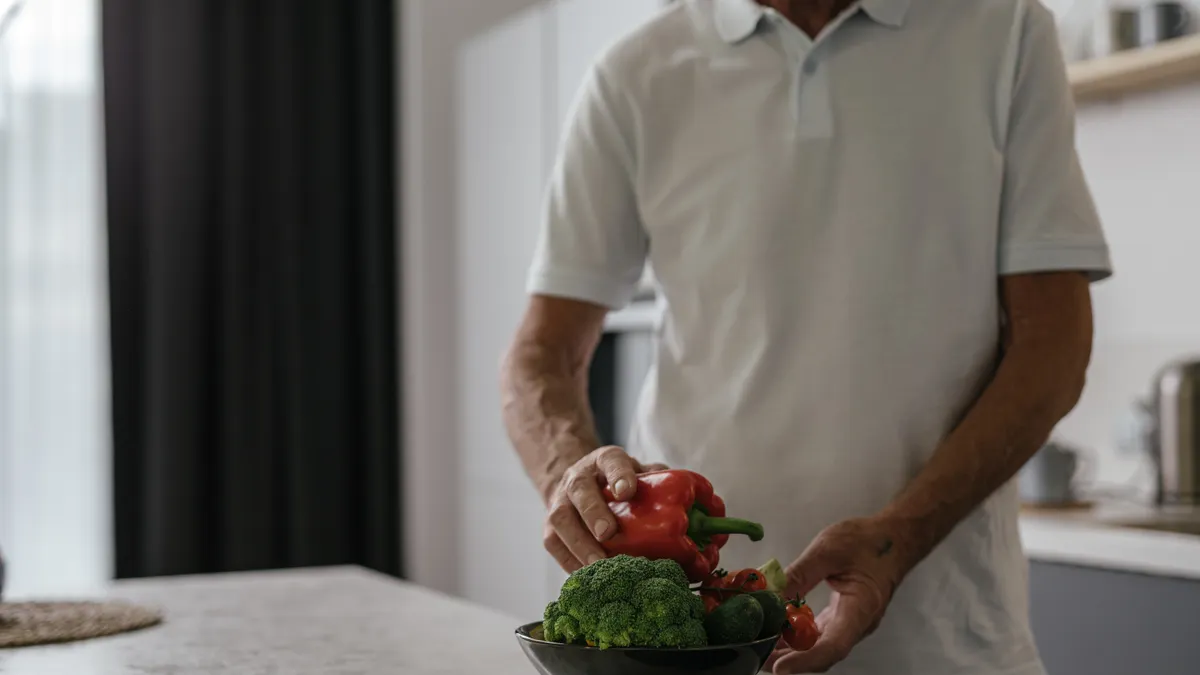
A practical plate usually starts with a vegetable anchor. Leafy greens such as spinach, kale, collards, or arugula bring volume without much sodium if they are fresh or frozen without sauce. Beans are another useful anchor because they add fiber, protein, and steady structure to a meal. Plain yogurt can work in breakfast bowls, sauces, or as a base for dips without the salt load of many packaged spreads. Canned tomatoes are useful too, but the can matters: choose no-salt-added or low-sodium versions when possible, because standard canned tomato products can carry more sodium than many people expect.
Bananas can fit when potassium-rich foods are part of the plan, though they are not the only fruit to consider. Potatoes, beans, yogurt, and many leafy greens also contribute potassium, but the right mix depends on your health profile. Herbs matter because they let you season food with flavor from basil, dill, cilantro, parsley, thyme, rosemary, or oregano instead of leaning on the salt shaker. That is a flavor strategy, not a magic trick: the point is to keep meals enjoyable enough to repeat them 5 or 6 nights a week.
The biggest win usually comes from the meal pattern, not one “superfood.” A bowl of beans with greens and tomatoes, a yogurt-based breakfast with fruit, or a grain bowl with herbs and vegetables generally does more for sodium control than a single low-sodium ingredient dropped into an otherwise salty meal. That is why generic “eat more of X” advice often fails; the whole plate still matters.
How do I build a lower-sodium plate step by step?
Build the meal in 7 steps: start with the sodium target, then choose the protein, fill in produce, add a plain starch, check the label, season smartly, and verify the finished meal is still satisfying enough to repeat. The work here is not gourmet cooking; it is repeatable decision-making.
- Set the sodium ceiling for the meal before cooking. Use a daily target given by a clinician if you have one, or work from a general heart-health framework rather than guessing. Verify that the day’s meals can fit that ceiling; if one takeout entrée already consumes most of it, the plan is off. A meal that quietly depends on “just one more pinch” of salt usually signals the target is too vague.
- Choose one main protein with a short ingredient list. Pick beans, plain yogurt, eggs, fish, chicken, tofu, or another minimally processed option in a portion that fits the meal. Verify the package does not hide salt-heavy seasoning blends, brines, or sauces. If sodium appears high for a basic protein, that food is probably doing too much work for too little benefit.
- Make vegetables take up at least half the plate. Use leafy greens, tomatoes, broccoli, peppers, carrots, or similar produce, fresh or frozen. Verify the vegetables are plain or nearly plain, not swimming in sauce. If the vegetable side comes in a cheese or gravy packet, the sodium load rises fast.
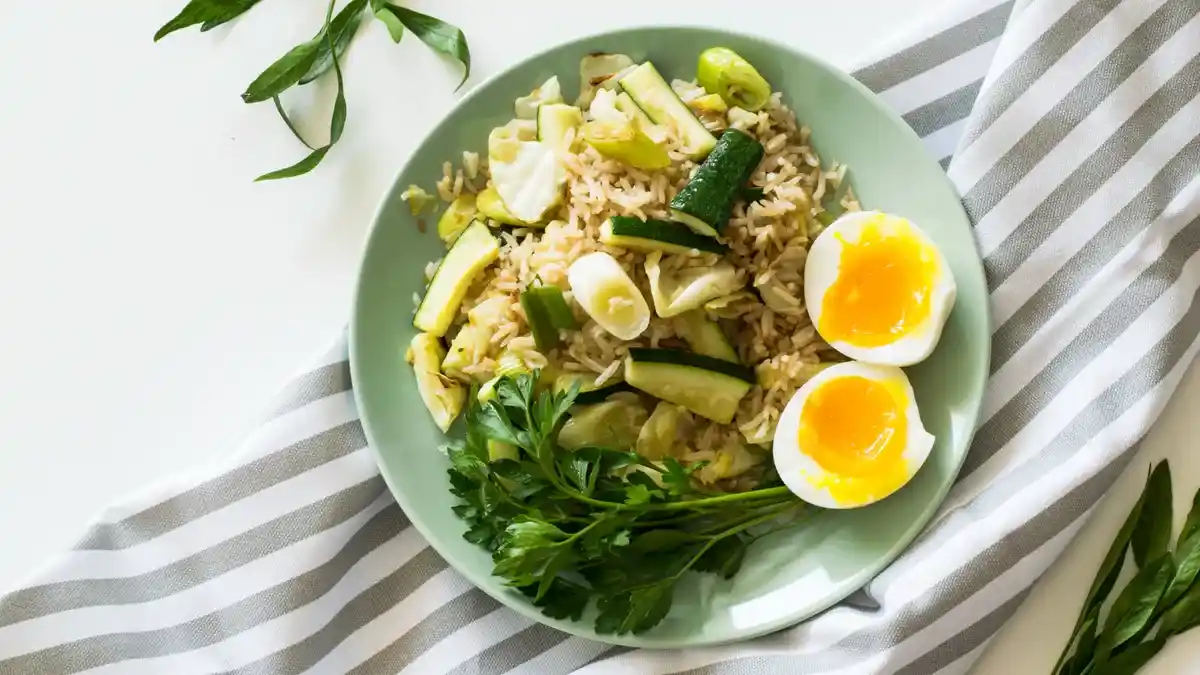
- Add a starch that does not come pre-salted. Brown rice, oats, plain potatoes, whole-wheat pasta, or whole-grain bread can fit well. Verify the starch is not a boxed “flavor packet” product, because those are often sodium traps. If the starch tastes like seasoning mix before you add anything, it probably needs replacing.
- Use herbs and acidic ingredients to create interest. Add lemon, vinegar, garlic, onion, cumin, paprika, dill, oregano, or basil in amounts that make the food taste intentional. Verify the flavor is pleasant before adding salt; a flat flavor profile usually means more acid, herbs, or aroma, not immediately more sodium. If you only taste “starchy” or “bland,” the seasoning structure needs work.
- Check the nutrition label for sodium per serving and servings per container. Look at both numbers, because a 2-serving package can trick the eye. Verify the amount per meal matches the portion you will actually eat. If you routinely eat the whole container, the per-serving math is meaningless.
- Finish with a second pass on taste and texture. Add crunch, warmth, or creaminess through nuts, seeds, yogurt, roasted vegetables, or a small amount of olive oil if it fits the meal. Verify the meal feels complete enough that you would eat it again tomorrow. If it feels like punishment, the plan is not sustainable.
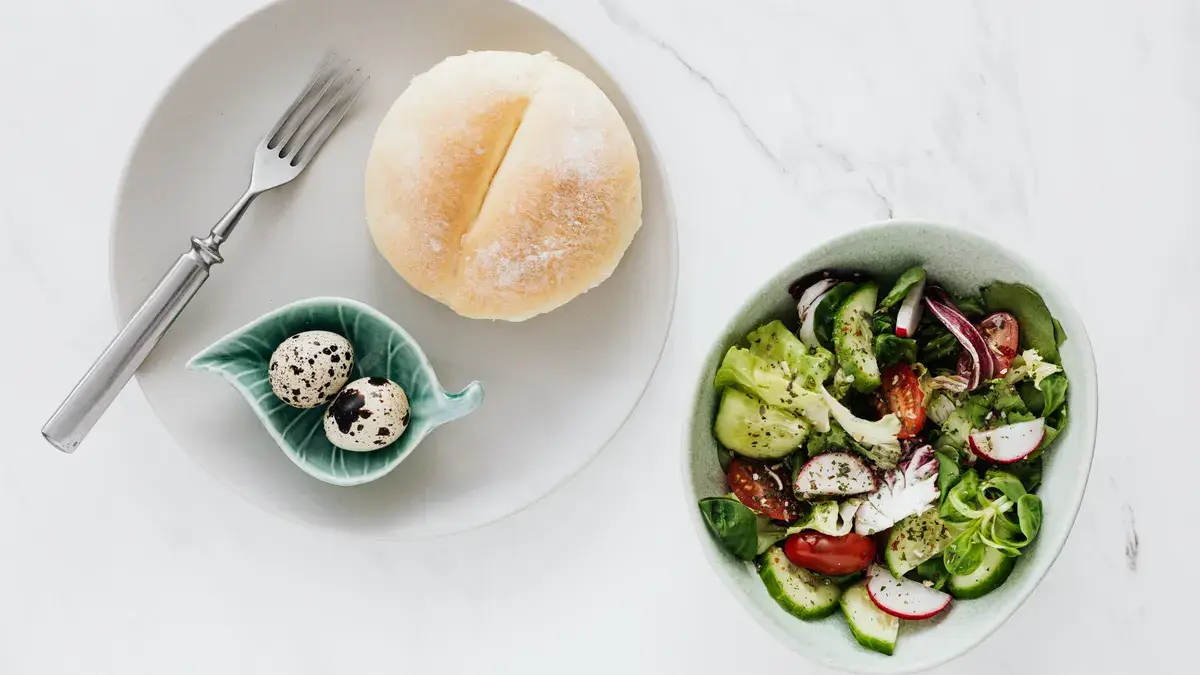
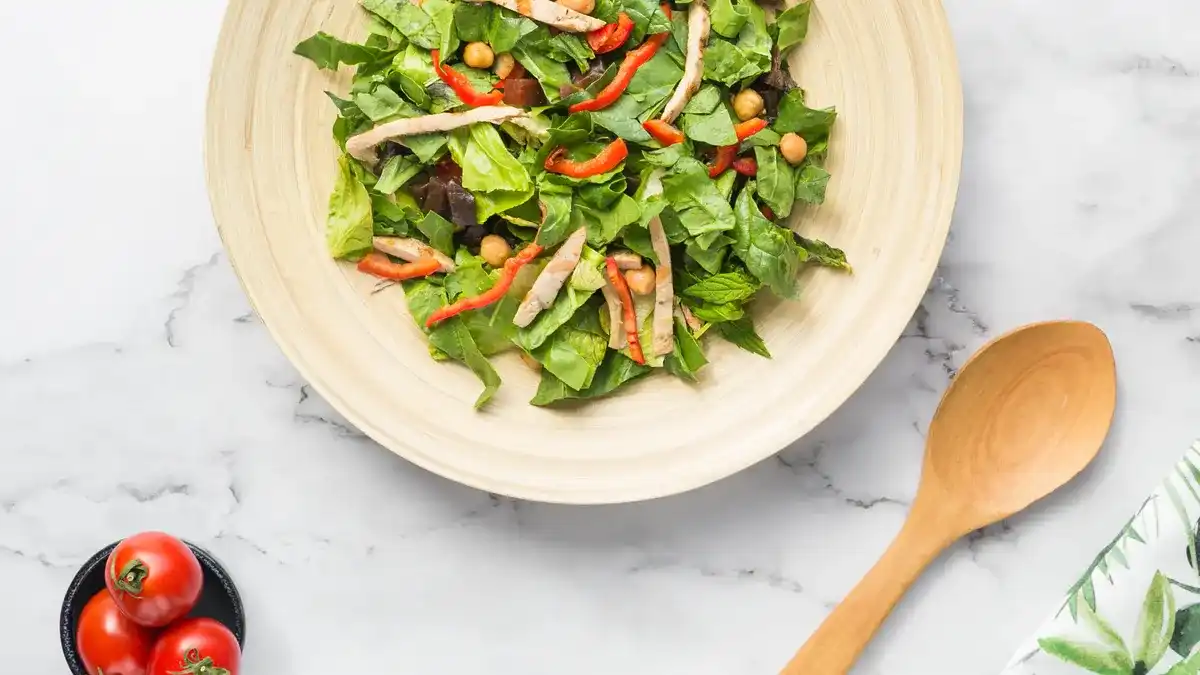
A good example is a bowl made with beans, sautéed leafy greens, canned tomatoes labeled no-salt-added, herbs, and a plain grain. Another is plain yogurt with fruit and oats, or a simple lunch plate of chicken, tomato-cucumber salad, and roasted vegetables. The point is not to chase novelty; it is to create a default pattern that survives a busy Tuesday.
What should I check on the label before buying food?
Check sodium, serving size, and whether the product is “plain” enough to stay in the meal without pushing the whole day off course. The sodium line is the first one that matters for high blood pressure meal planning, but the serving size is what tells you whether the number is useful.
Start with serving size. If a soup lists 1 cup but you usually eat 2 cups, the sodium number on the label is not the real number for your plate. Then look at sodium per serving and compare it to the rest of the day’s meals. There is no universal “good” number for every product, but in general a lower number is easier to work with. Highly salted convenience foods can burn through the day’s allowance with very little food volume, which is why they cause trouble.
Ingredient lists deserve the same attention. Salt, sodium bicarbonate, sodium phosphate, monosodium glutamate, soy sauce, cured meats, brined ingredients, and seasoning blends can all raise sodium quickly. Canned tomatoes are a useful example: the same food can be a helpful pantry staple or a sodium problem depending on whether it is labeled no-salt-added, low-sodium, or standard. Plain yogurt also varies; flavored or savory versions may carry more sodium and sugar than a plain tub. The FDA’s Nutrition Facts label page is the best quick reference for checking serving size and sodium numbers.
Frozen vegetables are another good test. A plain bag is usually easier to fit into a blood-pressure-focused plan than a cheese-coated or seasoned version. The same applies to beans: dried beans cooked at home give you the most control, while canned beans are still workable if you rinse them and choose lower-sodium options. Rinsing canned beans can reduce surface sodium, though it does not turn a salty product into a low-sodium one.
If the label is confusing, choose the simpler product. The shortest ingredient list is often the easiest one to make fit.
When does this approach stop being the right one?
This approach stops being enough when your health situation changes the rules, when the food you need is not the food you can safely eat, or when meal planning starts competing with medical instructions. In those cases, a qualified professional should set the frame, not a generic article.
Kidney disease or a history of high potassium: Potassium-rich foods may need limits or special balancing — work from individualized advice before leaning on bananas, beans, or large amounts of leafy greens.
Heart failure with fluid or sodium restriction: Meal planning becomes part of a wider treatment plan — follow the limits given by the care team rather than using a standard heart-healthy template.
Medication that changes potassium handling: Some blood-pressure medicines and related drugs can alter potassium balance — ask for a medication-specific food review before increasing potassium-heavy foods.
Frequent dizziness, swelling, chest symptoms, or sudden blood-pressure changes: Food choices alone are not the issue — get medical assessment instead of trying to solve a changing symptom pattern with meal swaps.
Unintentional weight loss, poor appetite, or trouble chewing/swallowing: The meal plan has to protect intake first — a dietitian or clinician can help keep meals both heart-healthy and adequate.
Only packaged or restaurant food is available most days: The standard home-cooking pattern becomes hard to maintain — focus on label reading and ordering strategies, and get help building a realistic plan.
These are not moral failings. They are signs that the usual meal template is the wrong tool or an incomplete tool. The consequence of pushing ahead anyway can be under-eating, unsafe potassium intake, or a plan no one can follow for more than a week.
What are the most common meal-planning mistakes?
The most common mistake is treating “healthy” as the same thing as “good for blood pressure.” A granola bowl, soup, or frozen entrée can look virtuous and still be sodium-heavy. The better test is what the nutrition label and ingredient list say, not the halo on the front of the box.
-
Choosing “low-fat” food without checking sodium. The consequence is a meal that fits cholesterol goals but not blood-pressure goals. The alternative is to check both fat and sodium, especially in soups, sauces, and deli items.
-
Using canned tomatoes, beans, or broth without checking the label. The consequence is hidden sodium that accumulates across the meal. The alternative is no-salt-added or low-sodium versions, plus rinsing beans when practical.
-
Over-relying on salty flavor boosters. Soy sauce, bouillon, seasoning packets, and cured meats can dominate the meal. The consequence is that a small amount of food carries a large sodium load. The alternative is herbs, garlic, citrus, vinegar, onion, and spice blends without added salt.
-
Building meals around bread, crackers, and cheese. The consequence is that the meal fills the plate but not the nutrient needs. The alternative is to anchor the meal with vegetables and a real protein, then use bread or cheese as a smaller component.
-
Ignoring portion size because the food is “heart-healthy.” The consequence is that a modest sodium number turns into a large intake when the container is emptied. The alternative is to match the label’s serving math to the amount actually eaten.
A useful rule: if most of the flavor comes from a packet, a sauce jar, or a restaurant kitchen, the meal deserves a second look. If most of the flavor comes from the ingredients themselves plus herbs, it is usually easier to fit into a blood-pressure-focused pattern.
How do I make restaurant meals fit a blood-pressure plan?
Choose meals that are built from plain proteins, vegetables, and simple starches, then ask for salt-heavy extras on the side. That is the easiest restaurant strategy for high blood pressure meal planning, because most restaurant sodium comes from sauces, marinades, soups, and sides rather than the basic ingredients alone.
Order grilled, baked, roasted, or steamed items when possible, and look for combinations like fish with vegetables, a rice bowl with beans, or a salad topped with plain protein. Ask for sauces, dressings, cheese, and salty toppings separately. If a menu item is described as blackened, teriyaki, miso-glazed, breaded, cured, smoked, or “house seasoned,” assume sodium may be higher unless the restaurant can clarify otherwise.
Bread baskets, soups, pickles, fries, and combo platters are common sodium traps. A bowl of soup can be the entire problem before the entrée even arrives. If the restaurant has nutritional information, use it. If it does not, the safest move is to keep the order simple and lean on vegetables and plain protein.
The trade-off is taste and convenience. Restaurant food usually tastes stronger than home food because salt is doing a lot of work. That is why even a smart restaurant order may still be more sodium-heavy than a simple meal cooked at home with fresh ingredients. For practical ordering guidance, see the CDC’s sodium reduction page and the FDA’s Nutrition Facts label page for quick label checks.
Drafted with AI; not yet reviewed by a person.