Last updated: November 19, 2026
Key Takeaways
- Save heart-healthy foods first; the container matters less than what you store.
- Most cooked leftovers keep 3 to 4 days in the refrigerator when cooled quickly and stored properly.
- Soups, beans, cooked grains, and many vegetables freeze well; salad greens do not.
- Freshen leftovers with moisture, brightness, and texture after reheating, not extra sauce.
Leftovers can absolutely be heart-healthy — but only when they stay cold, keep their moisture, and get reused without turning into a salt bomb. The job is practical: cool cooked food fast, keep it safe in the fridge or freezer, and turn it back into a meal that still fits a heart-conscious pattern. Planning for that also cuts waste. Nice side effect.
What makes leftovers heart-healthy in the first place
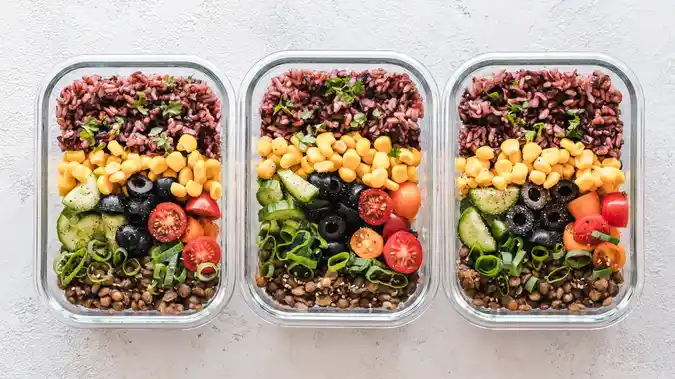
Start with the food, not the box. If the original dish was heavy on sodium, saturated fat, or refined grain, reheating does not magically fix it. But a few smart choices can pull dinner in the right direction: roasted vegetables, cooked beans, brown rice, plain grilled chicken, and unsalted soup usually make better leftovers than a creamy casserole or a heavily sauced takeout box.
Ask a simple question: does the dish still look built around vegetables, beans, whole grains, lean protein, and modest seasoning? A bowl with 1 cup of rice, 1 cup of vegetables, and a palm-size portion of chicken is easier to balance than a slice-and-heat dinner where the sauce does all the lifting. If the main flavor came from salty sauce, the leftovers often need fresh ingredients to feel alive again.
Convenience and heart health do not always move in the same direction. Some foods hold up beautifully for 3 to 4 days in the refrigerator; others go soft fast or create food safety trouble if they sit around. A good plan respects both. The same grilled chicken that works in a bowl on day 2 can turn dry by day 4 if it gets blasted in the microwave. The same roasted carrots and broccoli can become a useful base for soup or grain bowls, but they should not be left in a warm pan on the counter for hours. That’s how dinner turns into mush.
The goal is not perfection. Keep the parts that help heart health; trim the parts that do not. So go lighter on cream-based sauces, skip the extra salt at reheating, and bring in acid, herbs, and fresh vegetables to wake the dish up again. The American Heart Association’s sodium advice and heart-healthy eating guidance are useful references if you want a broader framework, and the USDA Food Safety and Inspection Service has clear leftover storage guidance for the safety side.
How long can leftovers stay in the fridge?
Most cooked leftovers stay in the refrigerator for 3 to 4 days if they are cooled quickly and stored properly. That covers cooked chicken, beans, rice, soup, stews, and roasted vegetables. The clock starts when the food goes into the fridge, not when it was first cooked, so a pot left out for hours has already lost time and safety margin.
Here is the core routine that keeps leftovers usable and safer:
- Portion hot food into shallow containers within 2 hours of cooking. Spread soup, rice, or stew in containers no deeper than about 2 inches so heat escapes faster and the food cools evenly.
- Get the containers into the refrigerator promptly. Keep the fridge at 40°F or below, which slows bacterial growth and helps the leftovers hold for the 3 to 4 day window.
- Label the lid with the date. A strip of tape and a marker is enough; the point is to know when the food should be eaten or frozen.
- Store the most perishable items where you can see them first. Put cooked chicken, cooked fish, and cut greens in front so they do not get buried behind jars and condiments.
- Reheat only the portion you plan to eat. Bring that portion to 165°F for soups, stews, casseroles, and other leftovers that need thorough reheating, then stop heating as soon as it is hot through.
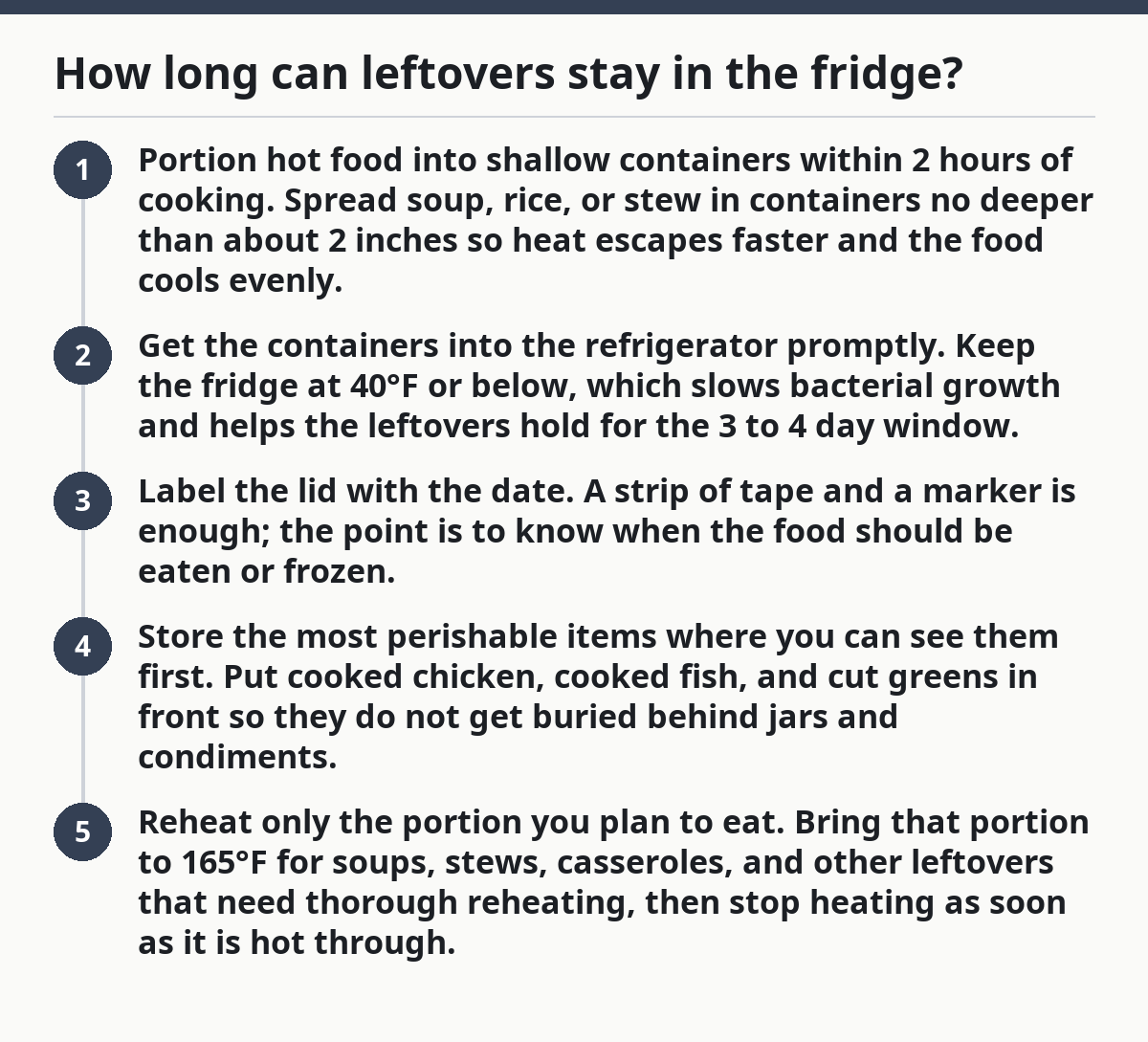
That sequence matters because room temperature is where leftovers slip away. A deep bowl of rice holds heat in the middle for much longer than people expect, and warm centers are exactly where trouble starts. A shallow container fixes that. So does not packing the fridge so tightly that cold air cannot move.
One trade-off deserves to be said plainly: some leftovers are still safe after 4 days, but they are not especially appealing. Cooked chicken may sit within the window and still dry out. Soup may be safe and yet taste flat. Freezing earlier is smarter than waiting for the last possible day. Honestly, I’d choose quality first.
For food safety specifics, the USDA FSIS leftover pages are the most relevant public reference, and they align with the standard 3 to 4 day guidance used in home kitchens. The CDC also reinforces safe cooling and storage habits for preventing foodborne illness.
Which leftovers freeze well, and which do not?
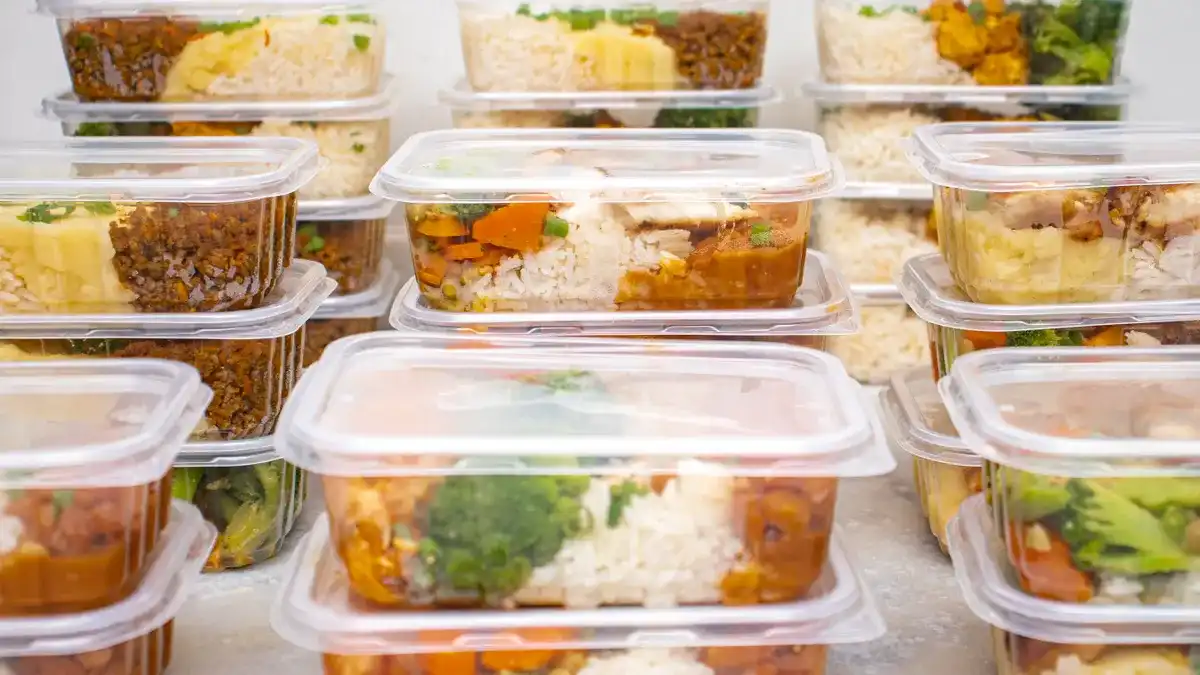
Soups, beans, cooked grains, and many cooked vegetables freeze well; salad greens do not. Freezing is a strong backup plan for leftovers you will not eat within 4 days, but it changes texture, so not every food comes back in useful form.
A good freezer candidate is moist, sturdy, and not dependent on crisp texture. Think black beans, lentils, chili, vegetable soup, cooked rice, quinoa, roasted carrots, roasted squash, and cooked chicken cut into pieces. By contrast, lettuce, cucumber, raw tomato slices, and dressed salad greens are poor candidates; they go limp and watery. That is why salad greens belong in the “use now” category, not the “save for next week” category.
Rice needs special care. It can be frozen, but it should be cooled quickly and packed in a thin layer so it does not clump into a brick. A 1- to 2-cup portion is easier to thaw and reheat than one giant tub. Beans and soup are even easier; freeze them in meal-sized portions so you can thaw only what you need for one lunch or one dinner.
There is a practical reason to freeze earlier rather than later: quality drops before safety does. A stew frozen on day 2 often tastes better than the same stew pushed to day 4, then frozen. The vegetables stay more distinct, and the meat is less likely to dry out when reheated later. That’s the difference between dinner and leftovers with a sad face.
A heart-healthy freezer habit also helps sodium control. When leftovers are portioned into single meals, it is harder to drift into oversized bowls or keep adding salty toppings just because the food is convenient. That does not make frozen leftovers “diet food.” It just keeps the portion honest. The FDA’s food storage guidance is useful here if you want a second check on freezer timing and handling.
Do not freeze large containers of hot food. Let them cool first, then freeze, or divide them into smaller containers so the freezer can do its job within a few hours. If you want a broader planning system around this habit, the hub on heart-healthy pantry, fridge, and freezer planning gives the bigger framework for stocking and rotation.
How do you make leftovers taste fresh again?
Add moisture, brightness, and texture after reheating. That works better than drowning everything in sauce. A squeeze of lemon, a spoon of plain yogurt, chopped herbs, or a handful of fresh greens can do more for a leftover bowl than another layer of salt.
The main mistake is treating every food the same way. Chicken breast dries out under hard microwave heat. Roasted vegetables can turn limp if they sit in steam too long. Rice gets gummy if it is flooded with water. Soup, on the other hand, tolerates gentle simmering and often improves with a splash of broth or water.
Use these simple fixes:
- Cooked chicken: Reheat covered with a tablespoon or two of water or unsalted broth, then finish with pepper, herbs, or a little mustard.
- Roasted vegetables: Warm them in a hot oven or skillet for a few minutes so the edges wake back up, then add a fresh acid like vinegar or lemon.
- Beans: Stir in a little broth and garlic, then finish with chopped onion, cilantro, or parsley.
- Rice: Sprinkle with water, cover, and heat until steaming; then fold in herbs or a little olive oil.
- Soup and stew: Thin with water or low-sodium broth if needed, then brighten with tomato, lemon, or a splash of vinegar.
Seasoning matters for heart health. A lot of people rescue leftovers with cheese, butter, salty seasoning blends, or bottled sauces. That can taste good, but it can push a heart-healthy dish in the wrong direction fast. A better move is to build flavor from the top: fresh herbs, citrus, raw onion, garlic, scallions, chili flakes, or toasted seeds added after reheating.
Temperature matters too. Microwaves heat unevenly, so a 2-minute blast is often worse than 60 seconds, a stir, then another short burst. That keeps the edges from drying out while the center catches up. Covering the dish loosely helps trap steam without making everything soggy.
This is not the place for perfectionism. Leftovers should taste good enough to want again. If they need a total makeover to be appealing, they probably need to be turned into a different dish rather than warmed and served as-is.
Leftover grain bowls that actually work
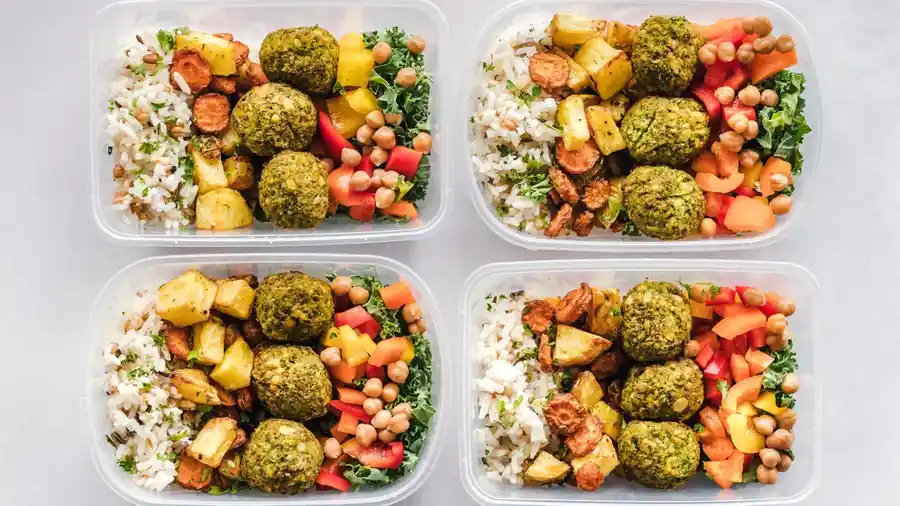
A good leftover grain bowl uses 3 parts: a grain, a protein or bean, and at least 2 vegetables. That formula keeps the bowl filling without relying on a heavy sauce.
Start with about 1 cup of cooked rice, quinoa, farro, or barley. Add 1/2 to 1 cup of beans or cooked chicken. Then pile on roasted vegetables, chopped greens, or both. If the vegetables are cooked, they can be reheated with the grain. If the greens are raw, keep them on top so the residual heat softens them just a little without turning them soggy.
A grain bowl is where leftovers become useful instead of merely tolerated. Cooked chicken from last night’s dinner can become the protein in today’s lunch. Roasted carrots and broccoli can sit on top of brown rice with beans. Leftover rice can be the base for a bowl with black beans, salsa, avocado, and a handful of spinach. The grain gives structure; the vegetables provide volume; the beans or chicken make it substantial.
Keep the dressing light and separate if possible. A heavy dressing can drown the texture and add a lot of sodium or saturated fat without helping the bowl much. A spoon of tahini thinned with water and lemon, a drizzle of olive oil with vinegar, or a yogurt-based sauce is usually enough. If you are using something store-bought, read the label and treat it as a seasoning, not a bath; if you have heart or sodium concerns, check with a registered dietitian or clinician and use FDA guidance on sodium and packaged foods as a reference.
One limitation: bowls are not ideal for every leftover. Very soft leftovers, like overcooked vegetables or a stew with no body left, can make a bowl feel muddy. In that case, turn the food into soup or fold it into eggs or a wrap instead.
The bowl idea works because it gives leftovers a second life without demanding a new recipe. That makes it easier to eat the vegetables first, use the beans before they fade, and keep the meal aligned with heart-conscious eating instead of defaulting to takeout.
Soup, stew, and rice: the easiest heart-healthy second acts
Soup, stew, and rice are the most forgiving leftovers because they absorb small adjustments well. A cup of broth can rescue a thick stew. A handful of chopped vegetables can stretch soup. A portion of rice can become the base for a new meal in 5 to 10 minutes.
Soup and stew are the simplest to reinvent. If the flavor is flat, add onion, garlic, celery, pepper, chili, or a splash of vinegar. If the texture is too dense, thin it with water or unsalted broth. If it needs more protein, stir in beans or shredded chicken near the end so they warm without breaking down. A tomato-based soup often benefits from a little lemon or vinegar right before serving.
Rice is a different case. Leftover rice should be reheated until steaming, but it needs just enough moisture to loosen the grains, not so much that it turns mushy. A covered skillet with a tablespoon of water per cup of rice works well. Once hot, you can fold in peas, beans, chopped scallions, or leftover roasted vegetables for a fast pilaf-style bowl.
This is where heart-healthy leftovers can become better than the original meal. A pot of bean-and-vegetable soup often tastes more integrated the next day. A rice bowl with leftover roasted vegetables and plain chicken can feel fresher after a squeeze of lime and a handful of cilantro. Three or four ingredients, handled well, beat a long list of salty extras. That math stops working fast.
The main risk is over-reheating. Soup boiled hard for too long turns vegetables mushy and meat stringy. Rice dried out in the microwave turns hard around the edges. Heat gently, stop once the food is hot, and use fresh toppings for contrast.
What mistakes turn leftovers from healthy to risky?
Leaving food out too long, packing it too thick, and reheating it unevenly are the mistakes that cost the most. They shorten safe storage time, damage texture, and make it more likely that the meal will be tossed instead of eaten.
The first mistake is waiting until the food is fully cool before refrigerating it. That can mean hours on the counter, which is exactly what the 2-hour rule is meant to prevent. The second mistake is storing everything in one deep bowl. A large mass of hot rice or stew cools slowly in the middle, and slow cooling is a food-safety problem. The third is reheating only the outer edges until they are hot while the center stays lukewarm. That is both unpleasant and unsafe.
There is also a flavor mistake that hurts heart health more quietly: fixing bland leftovers with salt-heavy sauces, cheese, or processed meats. That can erase the point of the original meal. If the food needs help, reach first for acid, herbs, garlic, peppers, mustard, or a little olive oil.
If a cooked dish has been left at room temperature for several hours, has an off smell, or has a texture that clearly looks spoiled, it should not be rescued. No seasoning trick makes unsafe food safe.
The bottom line is plain. Good leftovers are not an accident, and they are not a punishment. They are the result of fast cooling, sensible storage, and a second round of seasoning that respects both safety and the goal of eating in a heart-healthy way.
How long can leftovers stay in the fridge?
Most leftovers stay good in the refrigerator for 3 to 4 days if they are cooled quickly and stored properly.
Drafted with AI; not yet reviewed by a person.