Last updated: November 19, 2026
Key Takeaways
- A heart-healthy batter uses whole grains, oats, and fruit or yogurt to stay soft without excess sugar.
- Change the batter first, then cook hot enough to brown before the inside dries out.
- Fruit, yogurt, and a light drizzle of maple syrup usually work better than heavy syrup or whipped cream.
- Fruit, oats, seeds, and small amounts of nuts add fiber and flavor without making the batter heavy.
Heart-healthy pancakes and waffles start with whole grains, fruit, and a lighter hand with sugar and fat. The goal of How to Make Heart-Healthy Pancakes and Waffles at Home is not a sad substitute; it is a breakfast that still browns well, tastes good, and leaves room for toppings that help rather than drown the plate.
Build a batter that keeps pancakes and waffles tender
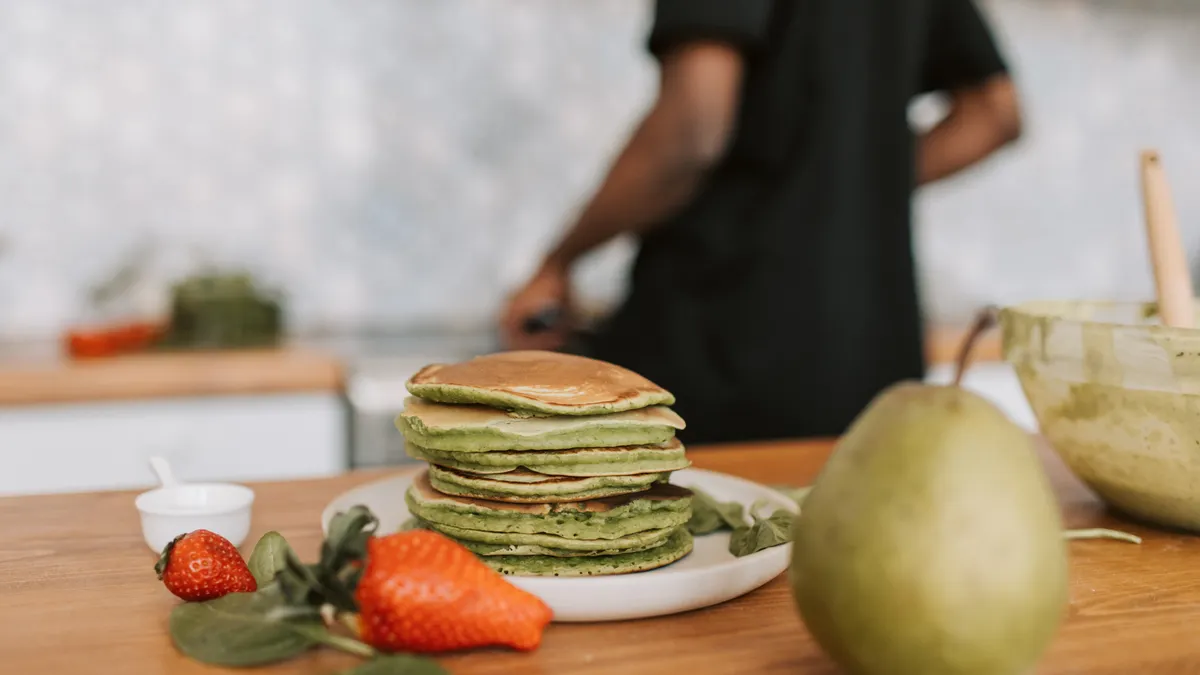
A good heart-health batter uses whole wheat flour, oats, and a moist fruit ingredient such as banana or yogurt so the finished cakes stay soft instead of cardboard-dry. That combination also adds fiber, which is the main reason these breakfasts can feel more satisfying than a plain white-flour version.
Here is the basic structure to aim for:
- Combine 1 cup whole wheat flour with 1/2 cup oat flour or finely ground oats. The whole grain base gives the batter more body and a nuttier flavor.
- Add 1 to 2 teaspoons baking powder and a pinch of cinnamon. The baking powder helps the cakes rise; cinnamon adds flavor so you do not reach for extra syrup.
- In a second bowl, whisk 1 egg, 1 cup milk or unsweetened soy milk, 1/2 mashed banana, and 1/4 cup plain yogurt. The banana and yogurt add moisture and some sweetness without the sugar load of a dessert-style batter.
- Stir the wet ingredients into the dry ingredients just until the flour disappears. A few streaks are fine. Overmixing turns pancakes tough and makes waffles dense.
- Let the batter rest for about 5 to 10 minutes. Oats hydrate during that pause, which thickens the batter and improves the texture.
- If the batter seems too thick, add milk 1 tablespoon at a time. It should pour slowly for pancakes and fall from the spoon in thick ribbons for waffles.
That structure works because each ingredient has a job. Whole wheat flour brings structure. Oats bring fiber and a softer crumb. Banana helps bind the batter and cuts the need for added sugar. Yogurt adds tenderness and a mild tang that helps the flavor read as “finished,” not bland.
This is not the right approach if you want a very light, classic diner-style pancake with a pale interior and a crisp, buttery edge. Whole grains and fruit change the texture on purpose. If you prefer a more neutral flavor, a half whole wheat, half all-purpose blend can be a workable compromise rather than pushing every batch to 100% whole grain.
If you want a broader breakfast pattern built around this kind of choice, the hub on [heart-healthy breakfast strategies] can sit beside this page without repeating the recipe itself.
How to make heart-healthy pancakes and waffles without wrecking the texture
You make them heart-healthy by changing the batter formula, then cooking it hot enough to brown before the inside dries out. Many people stop at “use less sugar,” but texture matters just as much as nutrition. A dry pancake is easy to over-syrup; a well-made one needs less help.
Because the cooking method matters too, start with the batter and then use steady heat. That combination helps both pancakes and waffles hold together and brown evenly.
Use this order:
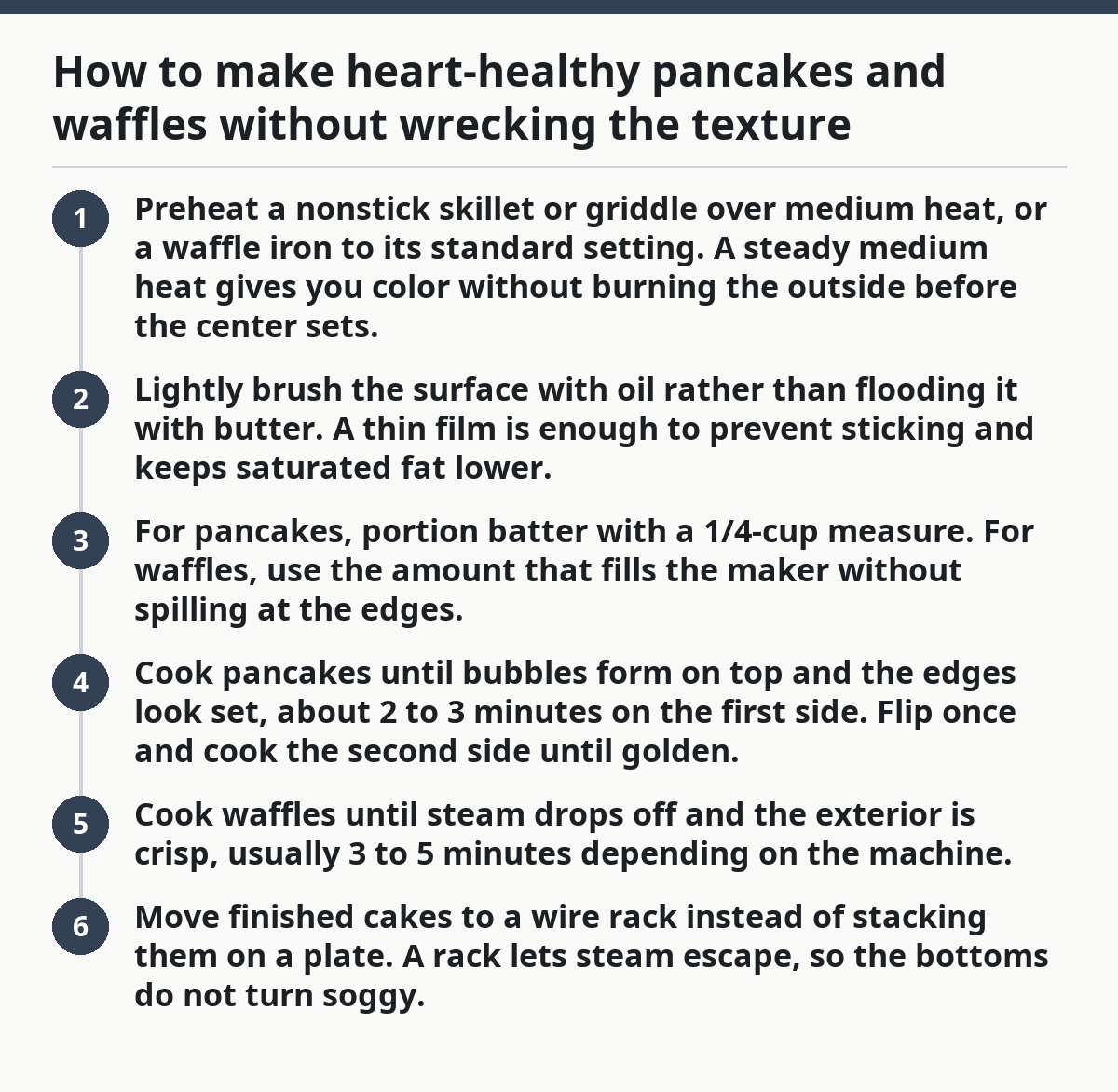
- Preheat a nonstick skillet or griddle over medium heat, or a waffle iron to its standard setting. A steady medium heat gives you color without burning the outside before the center sets.
- Lightly brush the surface with oil rather than flooding it with butter. A thin film is enough to prevent sticking and keeps saturated fat lower.
- For pancakes, portion batter with a 1/4-cup measure. For waffles, use the amount that fills the maker without spilling at the edges.
- Cook pancakes until bubbles form on top and the edges look set, about 2 to 3 minutes on the first side. Flip once and cook the second side until golden.
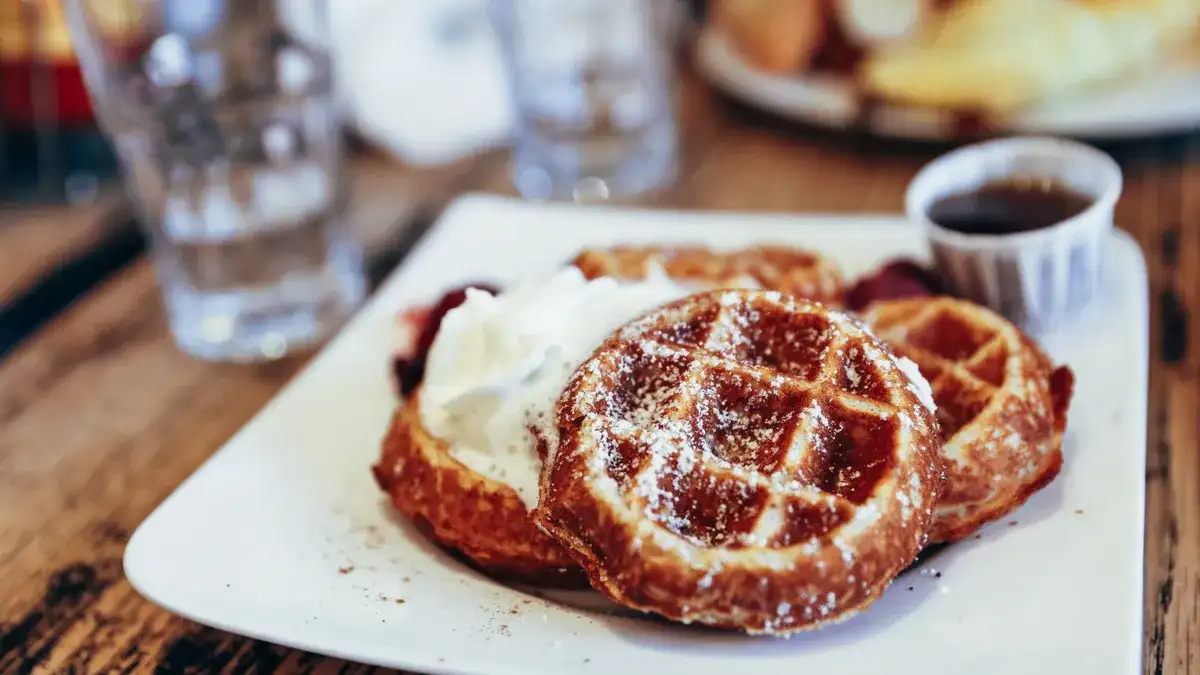
- Cook waffles until steam drops off and the exterior is crisp, usually 3 to 5 minutes depending on the machine.
- Move finished cakes to a wire rack instead of stacking them on a plate. A rack lets steam escape, so the bottoms do not turn soggy.
The biggest mistake is crowding the pan or overfilling the waffle iron. That costs you both texture and cleanup. Batter that runs together cooks unevenly, and waffles that overflow can glue the lid shut. Use a ladle or measuring cup and leave room at the edges.
Another common error is adding lots of oil to the batter because “heart-healthy” sounds like it should be moist. Too much fat makes pancakes greasy and can soften waffles so much that they lose their structure. A better fix is mashed banana, yogurt, or applesauce in a modest amount.
For a practical standard, watch the browning, not the clock alone. Skillets, griddles, and waffle makers vary, so the visual cues matter more than a hard timer. For broader food-safety and preparation guidance, see the USDA’s FoodKeeper and Harvard’s The Nutrition Source.
What toppings are actually good for heart-healthy waffles and pancakes?
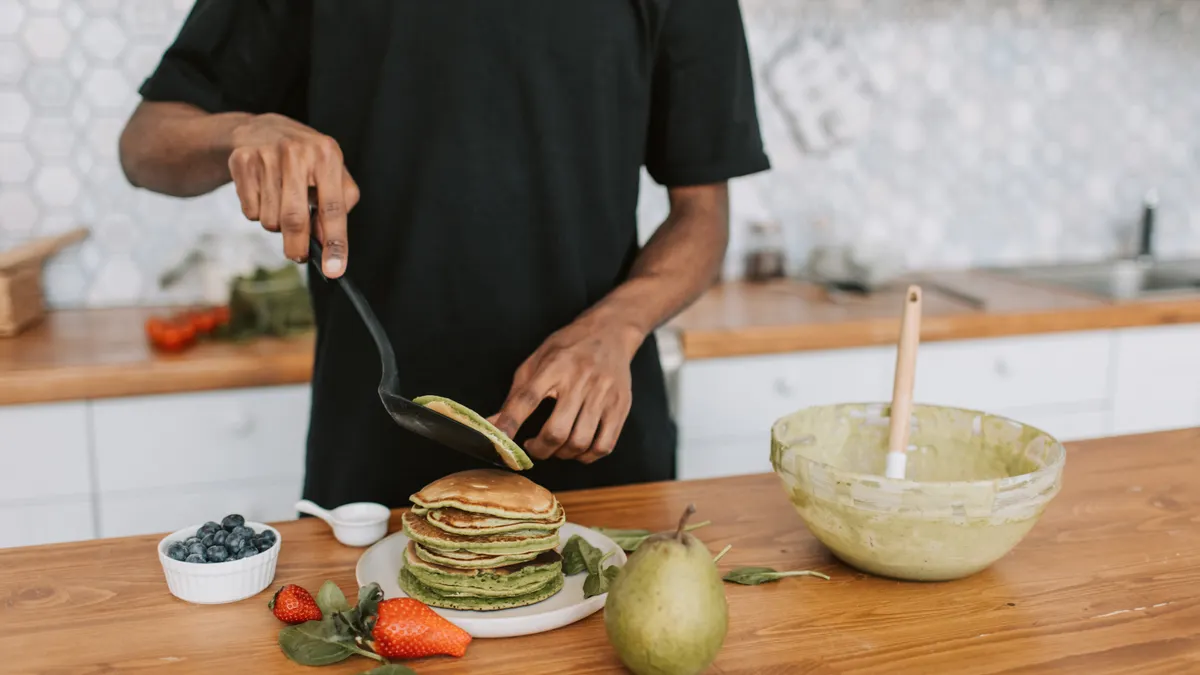
The best toppings for heart-healthy waffles and pancakes are usually fruit, yogurt, and a small drizzle of maple syrup rather than a blanket of syrup or whipped cream. Toppings decide whether your breakfast stays balanced or turns into a sugar-heavy dessert on a plate.
A simple topping formula works well:
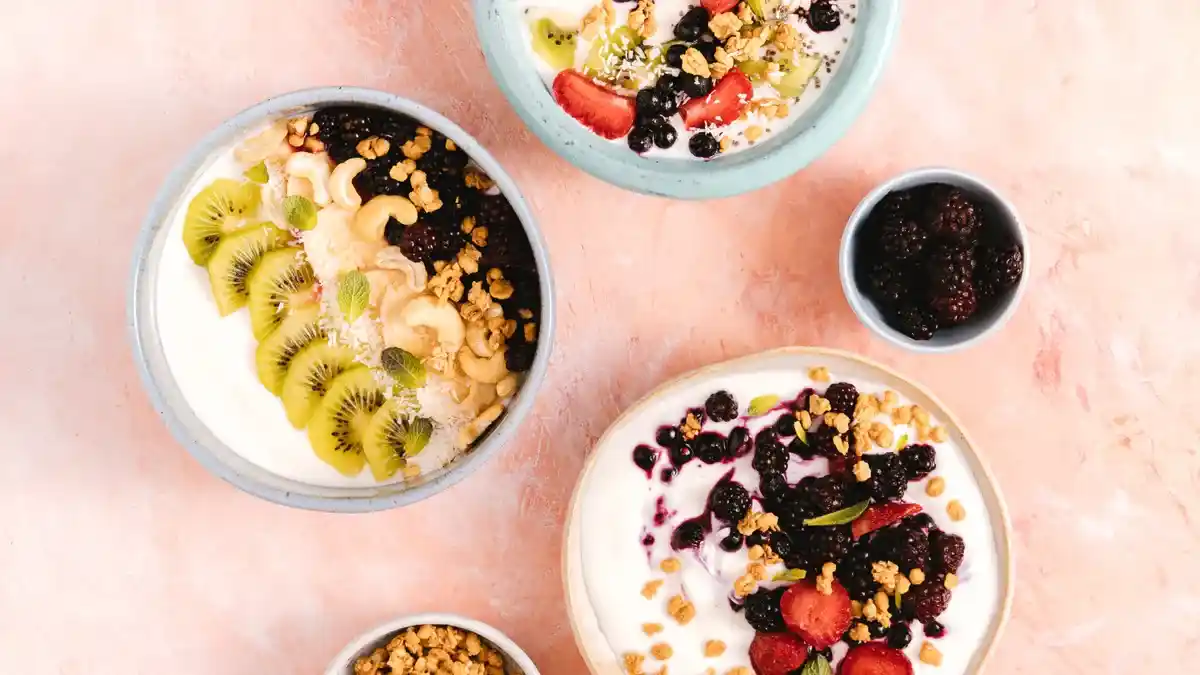
- Fresh berries for sweetness, color, and moisture
- Sliced banana for extra body and natural sugar
- Plain yogurt for creaminess and tang
- Chopped walnuts or ground flaxseed for healthy fat and crunch
- 1 to 2 teaspoons maple syrup if you want a sweet finish
Berries are the easiest upgrade because they bring sharp flavor and make whole-grain batter taste brighter. If the fruit is tart, a spoonful of yogurt does more than another pour of syrup. Yogurt also gives pancakes something creamy to cling to, so the plate feels complete with less added sugar.
Maple syrup is still on the menu, but keep it as a finishing note rather than the main flavor. A teaspoon or two over a whole stack goes farther than many people expect. If you want a deeper sweetness, warm the berries in a small pan for 2 to 3 minutes until they release juices. That creates a sauce without a separate jar of syrup.
Healthy fat add-ins belong in the topping bowl as much as in the batter. Chopped nuts, almond butter, or flaxseed can make a breakfast feel more filling. The trade-off is that these ingredients are calorie-dense, so a tablespoon goes a long way. They are a poor fit for anyone trying to keep the meal very light.
Avoid chocolate chips, candied fruit, and thick flavored syrups as the default. They drown out the grain flavor and make it harder to tell whether the batter itself is good. If every bite needs a sugar hit, the base recipe is not doing enough work.
Which add-ins improve the batter without making it heavy?
The most useful add-ins are fruit, oats, seeds, and small amounts of nuts, because they raise fiber and flavor without turning the batter dense. The rule is simple: add enough for interest, not enough to make the batter look like granola paste.
Good options include:
- 1/2 cup blueberries, folded in at the end
- 1/4 cup finely chopped walnuts or pecans
- 1 to 2 tablespoons ground flaxseed
- 2 to 3 tablespoons rolled oats for extra chew
- 1/4 cup grated apple or zucchini, squeezed dry
Blueberries are the easiest choice for pancakes because they stay small and distribute well. For waffles, smaller mix-ins work better than large fruit chunks, which can create weak spots in the iron. Grated apple adds moisture and a mild sweetness, while zucchini disappears into the batter if you squeeze out extra water first.
Ground flaxseed is useful because it thickens the batter slightly and adds a nutty note. Start with 1 tablespoon. More than that can make the texture pasty, especially in a batter that already includes oats. Nuts bring healthy fat and crunch, but they also weigh down the batter if you chop them too coarsely.
A common mistake is piling in too many add-ins at once. Blueberries plus banana plus oats plus nuts can sound nutritious and still make a heavy, gummy stack. Pick one fruit and one booster, then let the base batter do the rest.
If you are cooking for children or anyone who dislikes visible “healthy” bits, blend the oats into flour and use banana or yogurt for the nutrition lift. That keeps the look familiar while still shifting the recipe in the right direction.
Storage, freezing, and reheating that keep the texture decent
You can freeze pancakes and waffles well if you cool them first, freeze them flat, and reheat them dry. That preserves the crisp edges better than wrapping warm cakes in plastic, which traps steam and makes them limp.
Because the make-ahead step matters for busy mornings, this method works well for a batch of heart-healthy pancakes and waffles.
Use this method:
- Cool the cooked pancakes or waffles on a wire rack for 15 to 20 minutes. They should be room temperature before freezing.
- Lay them in a single layer on a baking sheet and freeze until firm, about 1 hour.
- Transfer them to a freezer bag or container with parchment between layers. Squeeze out extra air if you use bags.
- Reheat pancakes in a toaster oven, skillet, or microwave. Reheat waffles in a toaster or toaster oven so the outside firms up again.
- Warm only what you plan to eat, then top after reheating.
The freezer is where many good breakfasts get ruined. If you stack still-warm pancakes, they stick together. If you seal them hot, condensation forms and turns them spongy. The one-hour tray freeze avoids both problems and gives you portions you can grab one at a time.
Pancakes are more forgiving in the microwave than waffles, but a toaster oven gives better texture for both. A toaster is especially useful for waffles because it restores the crust. If you have a thick pancake, the toaster oven or a skillet is usually better than the microwave, which can make the middle rubbery.
Do not freeze pancakes loaded with fresh yogurt or very wet fruit toppings. Freeze the base only, then add toppings after reheating. Toppings with high water content turn slushy and separate when thawed.
This is one place where heart-healthy and practical line up cleanly. A batch of whole-grain pancakes or waffles can become a quick breakfast later in the week without needing a separate processed freezer product.
Common mistakes that make “healthy” pancakes taste like cardboard
The most common mistake is using only whole wheat flour and no moisture helpers, which makes the pancakes dry and the waffles brittle. Whole grain is a good start, but it needs support from banana, yogurt, or oats soaked into the batter.
Watch for these problems:
- Too much flour: the batter gets stiff and the finished cakes turn dense. Fix it with 1 tablespoon of milk at a time.
- Too much sweetener: the batter browns too fast and tastes flat. Use fruit for most of the sweetness.
- Too much mixing: the gluten tightens up and the texture turns chewy. Stir only until combined.
- Too little heat: the pancakes dry out before browning. Use medium heat, not low heat.
- Too much fat in the pan: the cakes fry instead of cook evenly. Brush on a thin layer only.
Another mistake is treating waffles like pancakes with a different shape. Waffle batter usually needs to be a little thicker and can handle slightly more fat in the recipe, but it still benefits from whole grains and lower-sugar toppings. If you pour pancake batter into a waffle iron without adjusting the texture, the result can be soft and under-crisp. If you are unsure how your machine handles batter, check the manufacturer’s instructions before adjusting the recipe.
The honest trade-off is that heart-health upgrades change the mouthfeel. Whole wheat, oats, and fruit make breakfast more filling, but they can soften the airy, buttery character people expect from a diner stack. That is fine if the goal is a weekday breakfast that supports a better pattern over time. It is not the ideal choice for someone chasing a classic pastry-like pancake.
Use the right version for the right eater. A family that wants a mild, fluffy weekend stack may prefer a half-white-flour recipe. Someone focused on fiber and less added sugar will usually do better with the full whole-grain version.
Make the breakfast fit a heart-healthy pattern
The smartest plate is a moderate stack with fruit on top and a measured spoon of syrup, not a mountain of cakes with a side of sweet extras. Pancakes and waffles can fit a heart-healthy routine when the rest of the plate stays simple.
A practical serving pattern looks like this: 2 medium pancakes or 1 waffle, a handful of berries, a spoonful of yogurt, and a small drizzle of maple syrup. If you want more staying power, add nuts or flaxseed instead of another layer of syrup. That keeps the flavor strong while limiting the parts that tend to crowd out everything else.
This also works well for people who dislike “diet food.” The batter should taste like breakfast, not a compromise. Whole wheat flour, oats, banana, berries, yogurt, and maple syrup belong here because they are familiar foods, not specialty products. The recipe does not need a protein powder, a bottle of fake syrup, or a long ingredient list to be useful.
The limit is real: if you need a very low-fat, very low-sugar breakfast for medical reasons, a standard pancake or waffle recipe may not be the right base without guidance from a clinician or dietitian. For most people who simply want a smarter homemade breakfast, though, this is a strong place to start.
How do you make pancakes heart-healthy?
You make pancakes heart-healthy by using whole wheat flour, oats, fruit, and plain yogurt instead of a refined flour batter heavy with sugar and butter. Keep the toppings simple: berries, banana, nuts, or a small drizzle of maple syrup. The key is to improve the base recipe, not just swap the topping. For general nutrition guidance, see the American Heart Association.
What toppings are good for heart-healthy waffles?
The best toppings for heart-healthy waffles are berries, sliced banana, plain yogurt, chopped nuts, and a small amount of maple syrup. These add flavor and texture without turning the meal into a sugar bomb. Warm fruit works well too, especially if you want a sauce-like topping without using a bottled syrup.
Can you freeze heart-healthy pancakes?
Yes, heart-healthy pancakes freeze well if you cool them first and freeze them in a single layer before bagging them. Reheat them in a toaster oven, toaster, or skillet for the best texture. Keep the toppings separate and add them after reheating so the pancakes do not turn soggy.
Drafted with AI; not yet reviewed by a person.