Last updated: November 19, 2026
Quick Answer: You can make 12 heart-healthy egg muffins in one standard muffin pan, using 6 large eggs and 4 egg whites for a simple meal-prep batch.
Key Takeaways
- Make-ahead egg muffins usually combine eggs, egg whites, vegetables, and a little low-sodium cheese.
- Whisk, fill a greased muffin pan, bake until set, and stop before the centers dry out.
- Choose vegetables that cook fast and do not release much water.
- Egg muffins can be filling without meat when they have enough egg and protein.
Heart-healthy egg muffins for meal prep are a good make-ahead breakfast when the base stays simple: eggs, plenty of vegetables, and a light hand with cheese and salt. The trick is to keep them satisfying without turning them into salty little casseroles.
Heart-Healthy Egg Muffins for Meal Prep Start With the Right Base
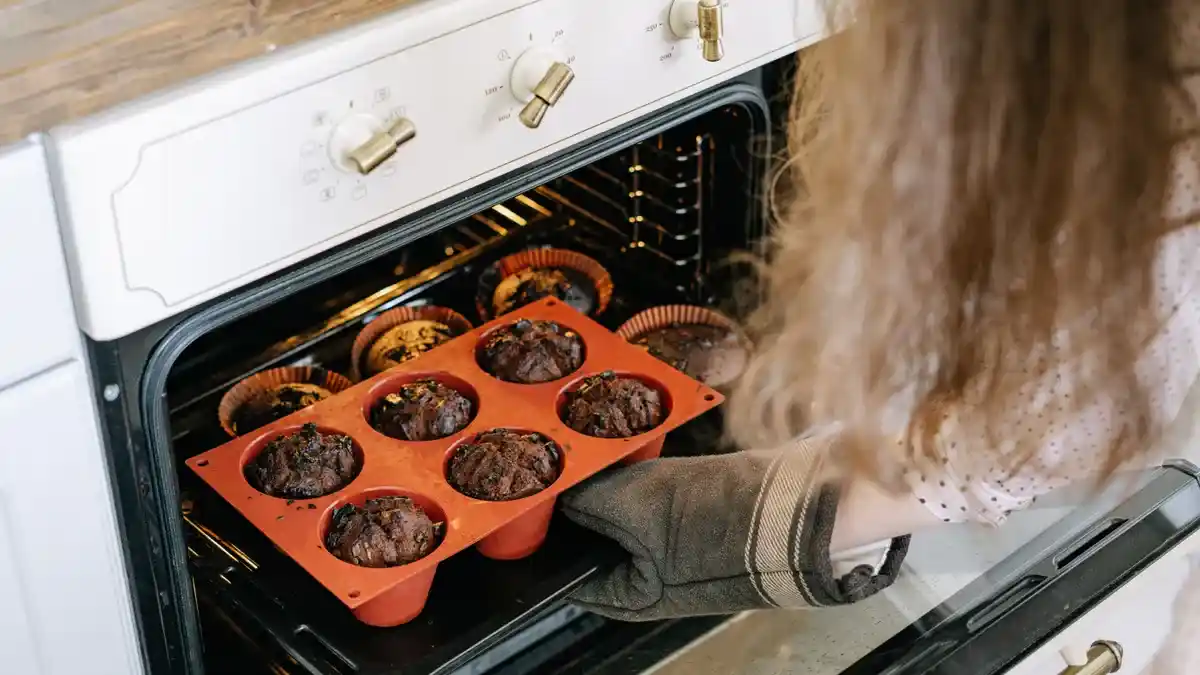
Heart-healthy egg muffins for meal prep start with eggs, egg whites, vegetables, and a small amount of low-sodium cheese if you want it. That combination gives you structure, protein, and flavor without leaning on sausage, ham, or a heavy cheese layer.
The simplest balance is this: use whole eggs for richness, egg whites to lighten the mix, and vegetables for volume. A practical ratio for a batch is 6 large eggs plus 4 egg whites, which usually fills a standard 12-cup muffin pan when combined with about 2 to 3 cups of chopped vegetables. If you want a richer texture, keep more whole eggs; if you want a lighter result, increase the egg whites.
This is the point where many recipes go sideways. They add bacon bits, salty deli meat, or a full cup of cheese and then call the muffins “healthy” because the cups are small. That misses the real issue: sodium can pile up fast in breakfast foods, and muffins are easy to eat in twos or threes. A better approach is to build flavor with onion, bell pepper, spinach, herbs, and just enough cheese to matter.
A few ingredients deserve a direct mention:
- Eggs and egg whites: the base for texture and protein.
- Bell peppers: sweet, colorful, and easy to dice small.
- Spinach: useful because it shrinks a lot once cooked, so it adds volume without making the muffins bulky.
- Onions: best when chopped fine so they soften in the oven.
- Low-sodium cheese: optional, not mandatory. A small amount adds flavor without taking over.
- Common allergens: eggs and dairy are the big ones here. If you avoid dairy, skip the cheese or use a dairy-free alternative that melts well.
If you are choosing one rule to remember, choose this one: vegetables should be the bulk of the mix by volume, not an afterthought.
How Do You Make Egg Muffins Step by Step?
You make egg muffins by whisking the eggs, loading a greased muffin pan with vegetables, pouring in the egg mixture, and baking until the centers are just set. The baking time is typically around 18 to 22 minutes at 350°F / 175°C, though ovens vary.
- Heat the oven to 350°F / 175°C. Set a rack in the middle so the tops bake evenly and the bottoms do not overbrown.
- Grease a 12-cup muffin pan well. Use about 1 tablespoon of oil, butter, or spray, and get into the corners of each cup. Egg muffins stick badly if the pan is only lightly coated.
- Chop the vegetables finely. Dice bell peppers and onions into pieces no larger than about 1/4 inch / 6 mm so they soften in the bake time. If using spinach, chop it roughly after removing tough stems.
- Wilt watery vegetables first if needed. Sauté spinach, mushrooms, or onions for 2 to 3 minutes in a skillet if they seem very wet. This keeps the muffins from turning spongy or leaking liquid.
- Whisk the eggs and egg whites in a bowl. Combine 6 large eggs with 4 egg whites, or another mix of the same general size, until the yolks are fully blended and the mixture looks even.
- Season lightly. Add black pepper, garlic powder, or herbs. Keep salt modest because cheese and any add-ins may already bring some sodium.
- Fill the muffin cups about 3/4 full. Put vegetables in first, then pour the egg mixture over them. Leave a little space at the top so the muffins can rise without spilling over.
- Top with a small amount of low-sodium cheese if using it. About 1/2 cup / 50 to 60 g for the full pan is enough for most people. That gives flavor without burying the vegetables.
- Bake until the centers are just set. The exact time depends on your oven and how wet the vegetables are, so check early rather than relying only on the clock.
- Cool for 5 minutes before lifting them out. Run a thin spatula or butter knife around the edges if needed, then move them to a rack so steam does not soften the bottoms.
That method is forgiving, but the oven matters. At 325°F / 165°C they take longer and can dry out before the centers set; at 375°F / 190°C the edges can brown before the middle is cooked. For this style, 350°F / 175°C is the most workable middle ground.
Which vegetables work best in egg muffins?
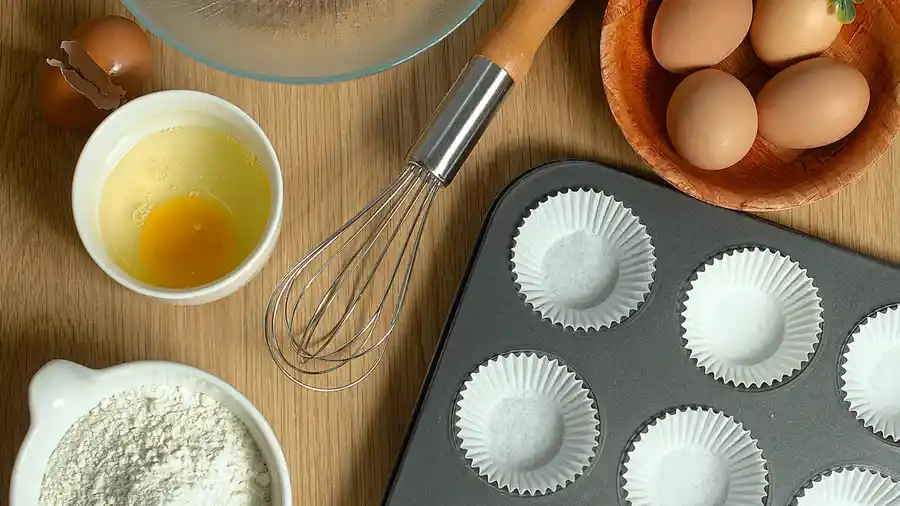
The vegetables that work best in egg muffins are the ones that cook quickly, hold their shape, and do not flood the cups with water. Bell peppers, spinach, onions, and mushrooms are the easiest starting point, but each needs a little handling so the muffins stay tender instead of soggy.
Bell peppers are the most forgiving. Red, yellow, or orange peppers add sweetness and color, and a fine dice lets them cook through in the same 18 to 22 minutes as the eggs. Green peppers work too, though they taste sharper.
Spinach belongs in almost every batch because it shrinks so much. A packed handful can turn into a few spoonfuls once cooked, which makes it a smart way to add volume without making the muffins heavy. Fresh spinach is easiest; frozen spinach needs to be thawed and squeezed very dry.
Onions bring depth, but raw chunks can stay too firm if they are large. Finely chopped onions soften well in the oven. If the flavor is too strong, sauté them for 2 to 3 minutes before adding them to the cups.
Mushrooms are useful, but only if they are pre-cooked or at least sautéed first. Raw mushrooms release water as they bake, which can leave a rubbery texture. Zucchini has the same problem unless it is salted, squeezed, and dried well.
A simple vegetable mix that works well for a 12-cup pan is:
- 1 cup / about 150 g finely diced bell pepper
- 1 cup / about 30 to 40 g loosely packed chopped spinach
- 1/2 cup / about 75 g finely chopped onion
That ratio gives color, moisture, and bite without overwhelming the eggs. If you want more vegetables, add them slowly. Once the cups are overfilled with wet produce, the muffins stop tasting like a breakfast bite and start tasting like steamed vegetables trapped in egg.
How much protein balance do egg muffins need?
Egg muffins need enough egg to hold the vegetables together and enough protein to make them a real breakfast, but they do not need meat to qualify as filling. A mix of whole eggs and egg whites usually gives a better balance than all whole eggs or a pile of cheese.
Whole eggs bring flavor and a softer texture. Egg whites lighten the mixture and increase the egg portion without making the muffins feel rich. That is useful if the goal is a lighter breakfast that still holds up until lunch. A common balance is 6 whole eggs plus 4 whites for a standard 12-cup pan, though you can shift that ratio based on taste.
If you want a richer, more custardy muffin, use more whole eggs and fewer whites. If you want a firmer, lighter result, use more whites. The trade-off is clear: more yolks mean more flavor and tenderness; more whites mean a cleaner texture and less richness. Neither is automatically “better.” The right choice depends on what the muffins are replacing.
Cheese can help with protein, but it is easy to overdo. Low-sodium cheese is the safer pick if you want flavor without pushing salt too high. About 1/2 cup / 50 to 60 g for a full pan is enough in most cases. Anything much heavier starts to dominate the muffin and can turn the finished cups greasy.
Do not make the mistake of trying to “fix” bland muffins with lots of salty add-ins. Sausage crumbles, bacon, feta, and processed cheese can all make the batch taste louder, but they pull the recipe away from the heart-healthy goal. If the first bite seems underseasoned, the better fix is usually herbs, pepper, garlic powder, or a more flavorful vegetable mix.
For a breakfast that travels well, pair two muffins with fruit and plain yogurt, or with whole-grain toast. The muffins do not need to do every job on their own.
Make-ahead storage that keeps the texture intact
Egg muffins keep best for 3 to 4 days in the refrigerator when cooled completely and stored in an airtight container. If you stack them while they are still warm, condensation softens the tops and makes the bottoms soggy.
Cool the muffins on a rack for at least 10 to 15 minutes before packing them away. Once they are no longer steaming, place them in a sealed container lined with a paper towel. That towel helps catch moisture, especially if the batch includes spinach or onions.
If you are meal prepping for several days, portion the muffins into grab-and-go sets of 2. That makes breakfast easier to repeat and keeps the serving size honest. A pair of muffins is a more realistic breakfast for many adults than one muffin, which can disappear in two bites.
For longer storage, freeze them after cooling. Wrap each muffin individually or freeze them in a single layer on a tray before moving them to a freezer bag. Reheat from frozen or thawed, but do not leave them at room temperature for long. The texture is best when they are frozen within a day of baking.
A few storage mistakes cost you quality fast:
- No cooling time: steam softens the muffins.
- Loose wrapping: the fridge dries them out.
- Wet vegetables: they make the leftovers weep by day two.
- Unlabeled freezer bags: old muffins get forgotten.
If you are making them for the week, bake on Sunday, chill them quickly, and keep the container near the front of the fridge. That simple habit matters more than any fancy ingredient swap.
For more breakfast planning ideas, the heart-healthy breakfasts hub can help you build a wider rotation without repeating the same meal every morning.
How should you reheat egg muffins without drying them out?
You should reheat egg muffins gently so the centers warm through before the edges turn rubbery. The microwave is the fastest option for most people: 20 to 30 seconds for one muffin, or 45 to 60 seconds for two muffins, depending on your microwave’s power.
Microwaving is quick, but it can overcook eggs in a hurry. Cover the muffins loosely with a damp paper towel or a microwave-safe lid to trap a little steam. That keeps the texture softer. If the muffin came from the freezer, start with a thawed muffin when possible. If it is frozen, add short bursts rather than one long blast.
The oven gives a better texture if you have a few extra minutes. Reheat at 325°F / 165°C for about 8 to 10 minutes, or until the muffins are warmed through. This method helps if you want the tops a little firmer and the edges less springy than a microwave can make them.
An air fryer can work too, but it is easy to overdo. Use a low setting and check early; egg muffins dry out faster than many people expect. If the muffins contain a lot of spinach or onion, the oven is safer because it warms them more evenly.
Here is the simplest rule: microwave for speed, oven for texture. If the muffins taste dry, the reheating method is usually the reason, not the recipe. Next time, shorten the heating time by 10 to 15 seconds and let residual heat finish the job.
What goes wrong with egg muffins, and how do you fix it?
Egg muffins usually fail because the filling is too wet, the pan is not greased well enough, or the recipe leans too hard on salty add-ins. Those problems are fixable, and the fix is usually small.
Soggy muffins usually mean the vegetables released too much water. Wilt spinach, sauté mushrooms, and chop onions finely so they cook down before the eggs set. If the batch already came out wet, chill it fully before reheating; sometimes the texture improves once the steam redistributes.
Rubbery muffins usually mean they stayed in the oven too long. Pull them when the centers are just set, not when they look deeply browned. The residual heat in the pan finishes the job in the next few minutes.
Stuck muffins mean the pan needed more fat. A light coating is not enough for eggs in many pans, even nonstick ones. Use enough oil, butter, or spray to coat the sides and bottom of every cup.
Flat flavor often comes from a fear of seasoning. Use herbs, black pepper, garlic powder, or chopped chives. If you want cheese, choose a small amount of low-sodium cheese instead of a large amount of a saltier one.
This recipe is not ideal if you want a crisp crust, a pastry-like bite, or a very rich brunch dish. It is a practical weekday breakfast, not a restaurant omelet in cup form. That trade-off is the whole point: it is meant to be dependable, portable, and easy to repeat.
If a person wants a heart-healthy breakfast that can be made in one pan, chilled, and reheated through the week, egg muffins fit the job well.
Can egg muffins be heart-healthy?
Yes, egg muffins can be heart-healthy when they are built around eggs, egg whites, vegetables, and modest amounts of low-sodium cheese. The problem is usually the add-ins, not the format itself. Heavy salt, processed meat, and lots of cheese push them in the wrong direction. A vegetable-forward batch is the better choice.
For a broader overview of egg safety and cooking, the USDA Food Safety and Inspection Service has guidance on safe minimum internal temperatures, and the USDA MyPlate plate model can help with vegetable-heavy meal planning. The American Heart Association also publishes practical advice on sodium and heart-healthy eating.
How long do egg muffins keep in the fridge?
Egg muffins usually keep for 3 to 4 days in the fridge if they are cooled fully and stored in an airtight container. A paper towel in the container helps limit condensation. If you will not eat them within that window, freezing is the safer option.
For storage guidance, the USDA FoodKeeper app is a useful reference, and the FDA also recommends prompt refrigeration for cooked egg dishes.
Drafted with AI; not yet reviewed by a person.