Last updated: November 19, 2026
Key Takeaways
- Match breakfast size to morning hunger, not a preset “healthy” amount.
- Aim for a meal that eases hunger for 2 to 4 hours without making you sluggish.
- Keep small-appetite breakfasts compact, soft, and quick to finish.
- Moderate appetites can usually pair grain, protein, and fruit with little effort.
Heart-healthy breakfasts for different appetite levels are easier to plan when the portion matches your morning hunger, not a preset “healthy” amount. Heart-Healthy Breakfasts for Different Appetite Levels work best when the meal size fits the appetite in front of you; a small appetite may need a light bowl or one egg with fruit, while a bigger appetite may need oats, protein, and a second side to stay satisfying without going heavy on saturated fat, salt, or added sugar.
Start with appetite, not with a food rule
The right heart-healthy breakfast begins with how hungry you are at the table. A person who wakes up barely interested in food should not be handed the same 2-cup plate as someone who is ready for a full meal, because forced portion sizes usually lead to waste or a later snack.
Think in three appetite bands: small, moderate, and larger. That is not a medical scale; it is a practical way to size a meal. For heart health, the composition matters as much as the size: use fiber-rich foods like oatmeal, fruit, and whole-grain toast; choose protein from eggs, yogurt, or peanut butter; and keep added sugar and salty processed toppings in the background.
A useful rule is to build from a base, then add only if the appetite is there. A small breakfast might be 1 slice of toast with 1 tablespoon of peanut butter and a piece of fruit. A moderate breakfast might be 1/2 cup dry oats cooked with water or milk plus yogurt. A larger breakfast might include oats, 2 eggs, and fruit. The exact amount is less important than avoiding a meal that is all refined starch or all protein with no fiber.
This is also where breakfast planning gets personal. Someone who exercises early may need more carbohydrate than someone who sits down to a desk and stays there for 4 hours. Someone who takes morning medication may need enough food to prevent nausea. If appetite is low for more than a few days, or if eating becomes difficult because of illness, a clinician or registered dietitian should help adjust the plan.
How much should I eat for a heart-healthy breakfast?
The amount should be enough to quiet your hunger for 2 to 4 hours without leaving you sluggish. That usually means matching the meal to appetite size and then balancing protein, fiber, and fluid.
Here is a simple way to portion breakfast without a scale:
- Name your appetite first. Decide whether you are at small, moderate, or larger appetite before you build the plate. That keeps you from overfilling a bowl or underfeeding a busy morning.
- Pick one fiber base. Use 1 slice whole-grain toast, 1/2 to 1 cup cooked oatmeal, or a bowl of fruit and yogurt. This gives the meal structure and helps it feel complete.
- Add one protein anchor. Choose 1 egg, 2 tablespoons peanut butter, or about 3/4 to 1 cup plain yogurt. Protein helps breakfast last longer and keeps the meal from being just starch.
- Add produce if it fits the appetite. A banana, berries, sliced apple, or citrus fruit adds volume and potassium without much effort.
- Stop before the plate becomes oversized. A heart-healthy breakfast does not need six separate items. If the meal already includes oats, yogurt, fruit, and peanut butter, that is enough for most moderate appetites.
Portion planning gets easier if you use visible cues instead of calorie counting. For example, 1/2 cup dry oats cooked into a bowl is a moderate start; 1 cup dry oats is usually too much for a small appetite but may suit a larger one. One egg is a small protein portion; two eggs can fit a larger breakfast when paired with toast and fruit. A tablespoon of peanut butter is modest and adds richness quickly, so it helps more with small and moderate appetites than with very large ones.
The trade-off is simple: smaller breakfasts are lighter and easier to finish, but they may not carry a person very far. Larger breakfasts are more satisfying, but if they rely on buttered pastries, sausage, or sugary cereal, they can drift away from the heart-healthy goal fast.
For broader planning, the hub on [Heart-Healthy Breakfast Planning] can sit above this page; this article stays focused on matching breakfast size to appetite.
Small appetite breakfast ideas that still count
A small appetite breakfast should be compact, soft, and easy to finish in 10 minutes or less. The goal is not a “mini meal” that feels like punishment; the goal is a few concentrated bites that provide protein and fiber without overwhelming someone who is not hungry.
Good fits include:
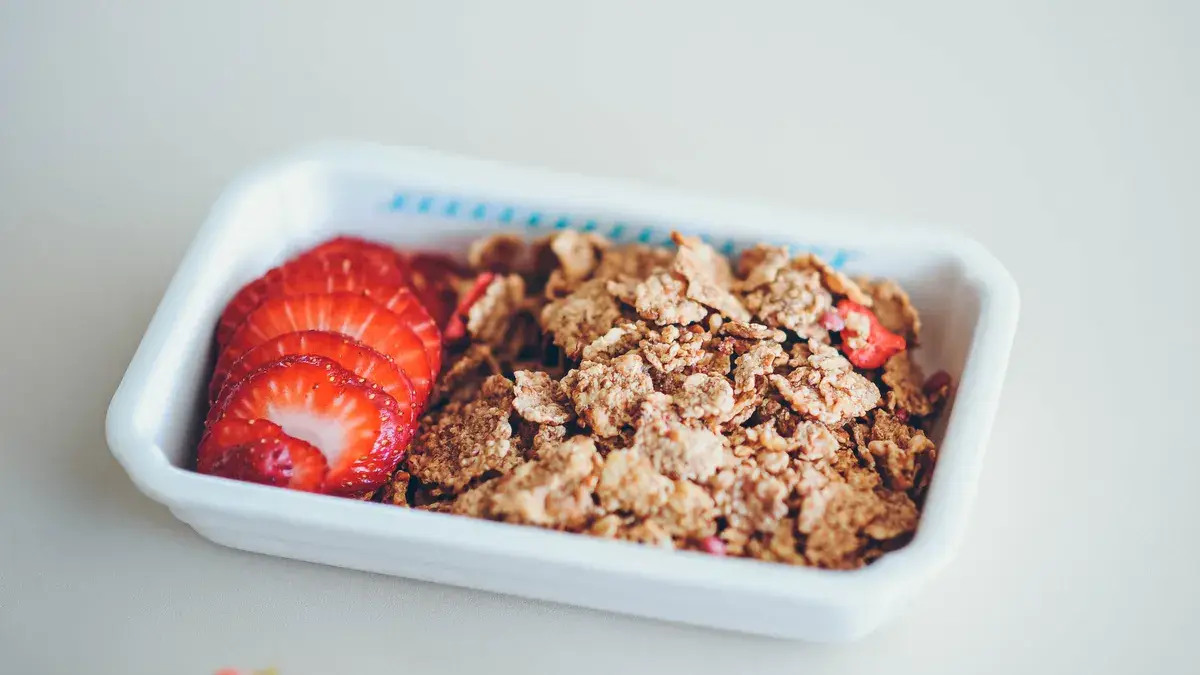
- Toast with peanut butter and fruit. One slice of whole-grain toast, 1 tablespoon peanut butter, and a few slices of banana or apple is enough for many light eaters.
- Small bowl of oatmeal. Cook 1/3 to 1/2 cup dry oats and top with berries or cinnamon. If appetite is very low, keep the topping simple.
- Plain yogurt with fruit. A modest bowl of yogurt with a handful of berries can work better than a large savory plate when the stomach wants something cool and easy.
- One egg plus toast. A single egg with one slice of toast is a practical choice when the appetite is low but breakfast still needs protein.
A small appetite breakfast should usually avoid bulky extras at the start of the day. Two eggs, a large bowl of oats, and a full fruit plate can become too much volume, which often leads to half-eaten food and then a later craving for snack food. That is a poor trade for someone trying to keep breakfast regular.
The main limitation here is that a small breakfast may not keep a person full for long. If that is the case, the solution is not automatically to make breakfast huge. Instead, keep the breakfast small and plan a midmorning snack with the same heart-healthy pattern: fruit, yogurt, unsalted nuts, or whole-grain crackers with peanut butter. That approach respects the morning appetite while still preventing the 10 a.m. energy drop.
Moderate appetite breakfast ideas that balance protein and fiber
A moderate appetite breakfast should be the easiest to build because it gives enough room for both substance and restraint. This is the sweet spot for most people: enough food to feel like a meal, not so much that the plate turns heavy.
A practical structure is:
- 1 fiber base: 1/2 to 1 cup cooked oatmeal, or 2 slices whole-grain toast, or a fruit-and-yogurt bowl
- 1 protein source: 1 to 2 eggs, plain yogurt, or peanut butter
- 1 fruit serving: berries, banana, citrus, pear, or apple
Examples that work well:
- Oatmeal + yogurt + berries. Cook oatmeal, spoon plain yogurt on the side, and add berries or sliced fruit. The oats bring soluble fiber, the yogurt brings protein, and the fruit adds sweetness without needing syrup.
- Eggs + toast + fruit. Two eggs with whole-grain toast and an orange or berries make a strong, plain breakfast that does not depend on processed meat.
- Peanut butter toast + yogurt. If the morning wants something simple, pair 2 slices toast with peanut butter and a cup of yogurt. That gives a good mix of texture and staying power.
- Eggs and oatmeal. This sounds unusual, but it works when the appetite is real and the morning is active. Keep the oats plain or lightly sweetened and avoid loading the plate with butter.
Moderate appetite breakfasts can go wrong in two predictable ways. The first is stacking too many calorie-dense extras into a meal that already has enough food, such as peanut butter, butter, syrup, and cheese all in one sitting. The second is making the meal too dry or too plain, which pushes people toward pastries or sugary drinks. A good compromise is one rich ingredient, not three.
If the reader likes numbers, use a simple plate mindset: one third fruit, one third grain, one third protein, adjusted slightly for hunger. It is not a rigid medical formula, but it keeps the breakfast from tilting too far in any one direction.
Larger appetite breakfasts without going heavy
A larger appetite breakfast should add volume with fruit, oats, eggs, and whole grains rather than with greasy sides or sugar. The aim is to feed a real appetite while keeping saturated fat and sodium in check.
A larger breakfast can look like this:
- A full bowl of oatmeal made from 1 cup dry oats, topped with fruit and a spoon of peanut butter
- Two eggs with whole-grain toast and fruit
- Yogurt, fruit, and oats combined in one bowl for a bigger, layered meal
- Toast, eggs, and fruit with a second slice of toast if needed
When appetite is high, breakfast should still keep the heart-health frame. That means choosing eggs over processed breakfast meats, choosing peanut butter over butter-heavy spreads, and choosing fruit or oats over pastries. It also means watching what drinks sneak into the meal. A large sweet coffee drink can quietly change the whole breakfast into a sugar-heavy one, even if the food looks tidy.
The advantage of a larger breakfast is obvious: it can keep a person going through a long morning. The drawback is just as clear. A bigger breakfast that leans too hard on refined grains, cheese, or fried foods can become a heavy, salty meal that leaves a person sleepy rather than satisfied. If someone wants a large breakfast, a more heart-friendly approach is to increase volume with whole foods, not with richer toppings.
This is the place where meal timing matters too. A person who eats a large breakfast because lunch will be late may do better with an oatmeal-and-egg combination than with a stack of toast and jam. The first gives protein and fiber; the second can burn off too fast.
Common mistakes that make heart-healthy breakfasts fail
The biggest mistake is confusing “small” with “too light to count.” A breakfast of only coffee and a piece of dry toast may technically be small, but it usually sets up a midmorning crash. Even a compact meal should include either protein, fiber, or both.
Another mistake is making breakfast heart-healthy in name only. A bowl of oats becomes less useful when it is flooded with brown sugar, honey, and flavored creamers. A slice of toast becomes less useful when the peanut butter is piled on so thickly that the portion stops being moderate. The fix is not to ban those foods; it is to keep the add-ons controlled.
A third mistake is using appetite as an excuse to skip structure. People with a larger appetite sometimes graze through breakfast foods and end up with too much sodium and too little fiber. A plate with 2 eggs, 2 slices whole-grain toast, fruit, and a measured spoon of peanut butter is more coherent than a countertop full of random bites.
A fourth mistake is assuming every morning should look the same. Some days appetite is small because of stress, medication, or a late dinner. Other days it is larger because of exercise or an early schedule. The better habit is to pick from a few repeatable templates and adjust the portion up or down by 25% to 50% as needed.
For trustworthy background on heart-healthy eating patterns, the American Heart Association and the National Heart, Lung, and Blood Institute both publish practical guidance on fats, fiber, and overall eating patterns. For details, see the American Heart Association’s heart-healthy eating pages and the NHLBI’s guidance on healthy eating patterns. Those sources are useful for the larger pattern; this page is the piece that helps turn that pattern into a breakfast portion.
The simplest way to build the right plate every morning
The simplest way is to choose one base, one protein, and one fruit, then scale the amount to the appetite you actually have. That keeps breakfast heart-healthy without making it complicated.
If appetite is small, use 1 slice toast or a small bowl of oats, plus a small protein such as peanut butter, yogurt, or 1 egg. If appetite is moderate, combine a grain, a protein, and fruit in normal portions. If appetite is larger, increase the grain or protein slightly and keep the added fat and sugar controlled.
The reason this works is that it respects hunger while still covering the three jobs breakfast needs to do: provide energy, slow hunger, and keep the meal from leaning on sugary or salty foods. That is a better system than chasing a “perfect” breakfast that ignores how hungry the person is on that particular morning.
It is also the right place to be honest about what this page is not for. If someone is dealing with ongoing loss of appetite, unexplained weight loss, trouble chewing, or nausea that keeps breakfast impossible, a general breakfast guide is not enough. That situation needs a health professional, because the issue is no longer just portion planning.
How much should I eat for a heart-healthy breakfast?
Eat enough to match your hunger, then build around protein and fiber. A small appetite may only need toast with peanut butter and fruit, while a larger appetite may need oatmeal, eggs, and fruit. The right amount is the one you can finish comfortably without feeling sluggish an hour later.
What if I am not hungry in the morning?
Start with a very small breakfast instead of forcing a large one. A single egg, a few spoonfuls of yogurt, or toast with peanut butter can be enough to begin with, and you can add more later if your appetite rises. If morning hunger stays low for more than a few days, talk with a clinician or dietitian.
Drafted with AI; not yet reviewed by a person.