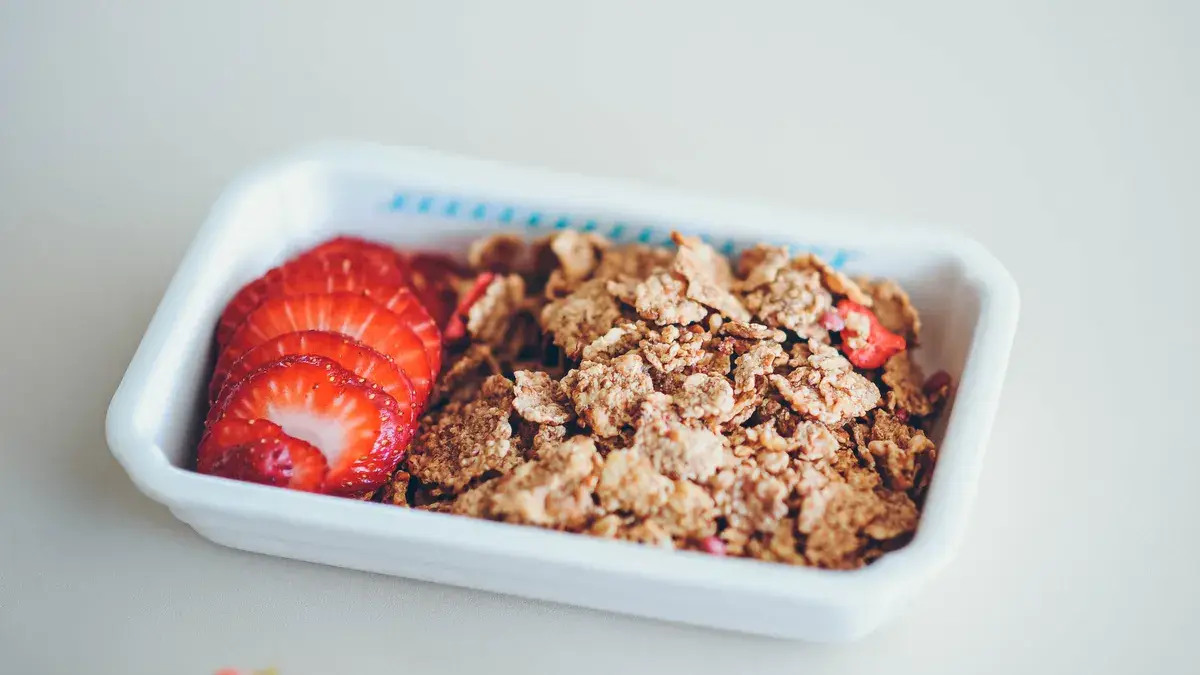
Last updated: November 19, 2026
Quick Answer: 1 reliable way to make a heart-healthy dairy-free breakfast is to build it around one protein, one fiber source, and one fortified plant milk. In How to Make Heart-Healthy Breakfasts Without Dairy, the goal is not just avoiding dairy; it is choosing a breakfast that stays filling, uses fiber and protein, and fits your routine. Start with unsweetened plant milks, soy yogurt, tofu, chia seeds, nuts, and fortified plant milks, then build the meal around fiber and protein. That is the quickest way to keep breakfast filling without leaning on butter, cream, or full-fat dairy.
Key Takeaways
- A strong dairy-free breakfast is usually built, not improvised: choose one protein, one fiber source, and one calcium-rich food.
- Unsweetened soy milk and soy yogurt do more work than many other substitutes because they add protein, not just moisture.
- Fortified plant milks matter when you rely on them often, because they can replace some of the calcium you would otherwise get from dairy.
- Hidden dairy shows up in flavored cereals, granolas, breads, and spreads, so the label matters as much as the ingredient list.
- This approach is not ideal if you need a very low-carb breakfast or if you dislike soy, nuts, or tofu; those readers need a different plan.
What makes a dairy-free breakfast heart-healthy?

A heart-healthy dairy-free breakfast has 3 things: fiber, protein, and an unsweetened liquid or creamy base that does not bring in a lot of saturated fat. That combination helps you stay full and keeps the meal from turning into toast and coffee with a side of hunger by 10 a.m.
The easiest way to think about How to Make Heart-Healthy Breakfasts Without Dairy is this: keep the breakfast anchored by oats, whole-grain bread, fruit, or vegetables; add protein from tofu, soy yogurt, nut butter, or nuts; and use a fortified plant milk when you need milk in cereal, oats, or coffee. The word “fortified” matters because plain oat milk and almond milk do not all contain the same nutrients. Some brands add calcium and vitamin D, some do not. The carton has to tell you.
A generic article can get this wrong by treating dairy-free as the main goal and heart-healthy as a vague bonus. That leads to breakfasts that are technically dairy-free but heavy on refined carbs, sweetened yogurts, or pastries. A better target is a meal that is steady, not flashy. If breakfast finishes in 5 minutes and keeps you comfortable for 3 to 4 hours, it is doing the job. For general guidance on added sugars and heart health, see the American Heart Association’s advice on added sugars and the Dietary Guidelines for Americans.
For a broader meal-planning framework, this page works best alongside the site’s Heart-Healthy Breakfast Planning hub, which can handle the bigger picture. Here, I am staying with the dairy-free substitution piece and the parts that tend to trip people up.
How do I build a dairy-free breakfast that still feels complete?
You build it in 4 steps: choose a fortified base, add protein, add fiber, then check the label for hidden dairy. That order keeps the meal balanced before it gets complicated.
- Pick your base first. Use 1 cup of unsweetened oat milk, almond milk, or soy milk for oatmeal, cereal, chia pudding, or coffee. If you want the closest protein match to dairy milk, soy milk usually does more work than almond milk. When this step works, the base tastes plain or mildly nutty, not candy-sweet.
- Add a protein anchor. Aim for one clear source such as 3/4 to 1 cup of soy yogurt, 1/2 cup of crumbled tofu in a scramble, or 2 tablespoons of nut butter on whole-grain toast. A worked step here feels satisfying, not airy, and the meal stays filling longer.
- Layer in fiber. Add 1/2 cup oats, 1 slice of whole-grain toast, 1 tablespoon chia seeds, or 1 piece of fruit. This is the part that makes the breakfast heart-smart rather than just dairy-free. A good sign is texture: the bowl or plate looks substantial, not wet and thin.
- Scan for hidden dairy. Check granola, bread, protein bars, flavored plant yogurts, and coffee creamers for whey, casein, milk powder, butter, or cream. If the ingredient list stays clean and the product still tastes good, you have found a repeatable option.
The trade-off is that this takes a little more label reading than a standard dairy breakfast. That is the price of avoiding surprise dairy, especially in packaged foods that look wholesome but are not. It gets easier after the first few shopping trips because the same brands tend to show up again. For shopping help, this dairy-free pantry list can save time.
Which dairy-free swaps work best for milk and yogurt?
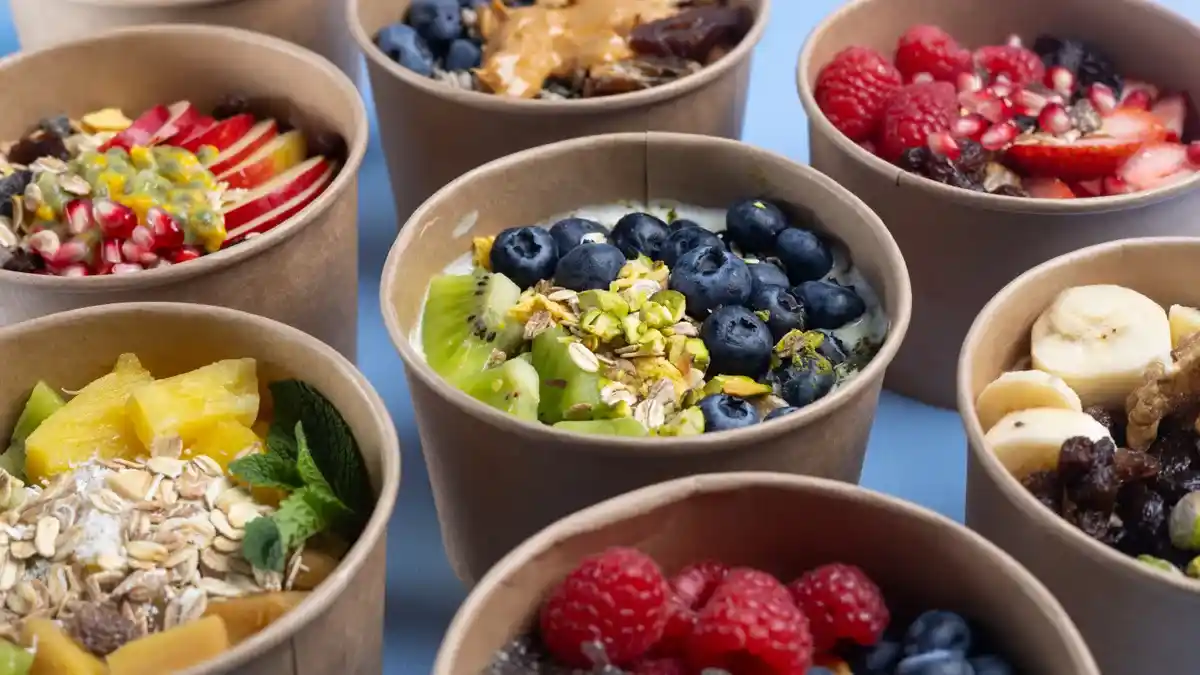
Soy yogurt, soy milk, oat milk, and almond milk are the most useful swaps because they cover different jobs instead of pretending one product can do everything. That matters if you want breakfast to taste normal and still hold together nutritionally. For more on nutrient balance, see the plant-based protein guide.
For milk in oatmeal, cereal, smoothies, or coffee, unsweetened soy milk is the most practical all-around option when protein matters. Unsweetened oat milk gives a creamier texture and works well in hot cereal, but it usually brings less protein. Almond milk is thinner and lighter, which helps if you want a small calorie footprint, but it does not add much body to the meal. If you choose almond milk, make sure the rest of the breakfast carries the protein load.
For yogurt, soy yogurt is the first substitute I would reach for. It has a tangy flavor and a spoonable texture that fits fruit, oats, seeds, and nuts. Coconut-based yogurts can taste rich, and they may bring less protein, so they are not always the best default for a heart-healthy breakfast. Read the sugar line too. Plain is usually easier to work with than flavored, and then you can sweeten with berries or cinnamon.
The common mistake is choosing the creamiest-sounding option and stopping there. A breakfast made with sweetened coconut yogurt and granola can taste good while still missing the protein and fiber that make breakfast useful. If the carton or tub lists a long string of added sugars, it may be better treated as a dessert-style ingredient, not a breakfast anchor. For added-sugar guidance, the American Heart Association and the Dietary Guidelines for Americans both recommend limiting added sugars.
For people who need a quick shopping rule, I use this one: choose unsweetened first, fortified second, and higher protein third. That order keeps the decision simple in a crowded dairy-free aisle. If you want a deeper comparison, the dairy-free breakfast swaps page breaks down the main options.
What can I use instead of yogurt in a heart-healthy breakfast?
Soy yogurt is the closest everyday substitute, and tofu or chia pudding can fill the same role when you want more protein or less sweetness. The right choice depends on whether you are building a bowl, a toast topping, or a make-ahead jar.
If you are replacing yogurt in a parfait or breakfast bowl, start with plain soy yogurt. It works with berries, ground flax, chopped walnuts, and oats without becoming watery. If the texture still feels too loose, stir in 1 tablespoon chia seeds and let it sit for 10 to 15 minutes. That thickens the bowl and adds fiber.
If you want something savory, soft tofu can stand in for yogurt in a different way. It does not taste like yogurt, but it gives breakfast a creamy base when blended with lemon, herbs, or a pinch of salt. That is useful for a savory breakfast bowl or a spread for toast. The downside is obvious: it takes a blender and a little seasoning, so it is not as grab-and-go as a tub of yogurt.
If you want a cold, spoonable breakfast that keeps well, chia pudding made with 1 cup fortified plant milk and 2 tablespoons chia seeds is one of the easiest options. It is not high in protein by itself, so pair it with nuts, soy yogurt, or tofu on the side if you need more staying power.
The wrong move here is to replace yogurt with a sweetened fruit cup or a thin plant-based pudding. That changes breakfast from a protein source into a dessert with a spoon. The label should show a short ingredient list and no dairy terms. If it does not, keep shopping. For label-reading basics, the FDA’s food labeling resources are a useful reference.
How do I get enough protein without dairy at breakfast?
You get enough protein by making one item the main event, not by hoping oats and fruit will cover it. That usually means soy yogurt, tofu, nut butter, nuts, seeds, or a combination of two of them.
A dependable pattern is 3/4 cup soy yogurt with 1 tablespoon chia seeds and 1/4 cup berries. Another is a tofu scramble with whole-grain toast and a piece of fruit. A third is oatmeal made with fortified soy milk, topped with walnuts and hemp seeds if you use them. The exact amount of protein you need is personal, so if you have a medical nutrition goal, a dietitian can help you set it.
What matters in practice is that the protein is visible. If breakfast is only a banana, coffee, and almond milk, it will not carry you far. If breakfast includes a scoop of nuts, a half block of tofu scrambled in a pan, or a thick soy yogurt bowl, you can usually feel the difference in satiety.
This is also where people overcorrect. They buy a “high-protein” plant yogurt with a long ingredient list and a lot of added sugar, then assume the label solves the problem. It does not. Protein and sugar both count. A better breakfast has enough protein without turning into candy in disguise.
If you prefer a warm breakfast, tofu is the easiest dairy-free protein that behaves like a real breakfast food. Crumble it into a skillet for 5 to 7 minutes with turmeric, pepper, and vegetables. It is not trying to mimic eggs perfectly; it is trying to give you a filling, savory start that does not depend on dairy. If you want more warm ideas, the tofu breakfast recipes collection keeps it practical.
How do I spot hidden dairy in breakfast foods?
You spot hidden dairy by reading for milk words on the ingredient list, not by trusting the front of the package. The front can say “plant-based,” “natural,” or “heart smart” and still contain whey, casein, milk powder, butter, cream, or lactose.
The highest-risk foods are flavored granola, baked goods, bread, instant oatmeal packets, protein bars, and coffee creamers. A plain-looking granola can contain milk powder. A loaf of bread can contain whey. A “vanilla” plant yogurt can contain dairy ingredients if the brand uses them for texture or flavor. If the ingredient list is long and the product is trying hard to sound healthy, read every line.
Look for a real allergen statement too. In many countries, packaged foods list milk in the “contains” statement when it is present. That helps, but it is not enough on its own. Some products are made in shared facilities, and some ingredient names are less obvious than “milk.” Caseinate and whey are both dairy-derived and easy to miss if you are skimming.
The cost of skipping this step is not abstract. It can mean an upset stomach for people who avoid dairy for intolerance, or a breakfast that breaks your plan after one bite. The fix is simple but unglamorous: make a short list of safe brands, then repeat them. Breakfast gets easier when you stop treating every shopping trip like a quiz. For more label detail, see the FDA’s food allergen labeling guidance.
A simple 3-day dairy-free breakfast rotation
A small rotation works better than hunting for a new breakfast every morning, and 3 days is enough to keep shopping and prep under control. The goal is repetition with small changes, not novelty.
Day 1 can be oatmeal made with 1 cup fortified soy milk, topped with 1 tablespoon chia seeds, walnuts, and sliced banana. It is warm, easy, and balanced.
Day 2 can be a soy yogurt bowl with berries, oats, and pumpkin seeds. If the soy yogurt is plain, a little cinnamon or vanilla goes a long way without adding dairy.
Day 3 can be tofu scramble with spinach and whole-grain toast, plus a piece of fruit on the side. That gives you a savory option so breakfast does not become sweet every day.
This rotation works because it covers the pieces that matter: one fortified milk, one yogurt substitute, one savory protein option, and a few fiber-rich add-ins. It also keeps the grocery list short enough to manage. If you need a heart-healthy dairy-free breakfast every weekday, repetition is not boring; it is efficient.
A generic article would stop here and call the job done, but the real challenge is consistency. The best breakfast is often the one you can repeat on a Tuesday at 7:15 a.m. without opening five apps or buying three specialty products. Keep the list tight, check labels once, and stick with the versions that actually fit your schedule.
Drafted with AI; not yet reviewed by a person.