Last updated: November 19, 2026
Key Takeaways
- Fiber-rich foods do most of the work: vegetables, beans, lentils, whole grains, fruit, and modest nuts.
- Keep portions practical with a 9-inch plate, a 1-cup measure, a palm-sized protein portion, and 1 tablespoon of oil.
- A “healthy” plate can still be energy-dense if high-calorie extras pile up.
- Standard plate guidance often needs changes when health needs differ from the average adult.
Heart-healthy meals for weight loss without counting calories work best when the plate does the counting for you: more vegetables, beans, whole grains, fish, nuts, and olive oil, with smaller portions of calorie-dense foods. This guide to heart-healthy meals for weight loss without counting calories is for adults who want a practical structure, not a calorie tracker, and who can make ordinary meal choices on their own. If you have diabetes, kidney disease, a recent heart event, an eating disorder history, or take medication that affects appetite or weight, speak with a qualified clinician or registered dietitian first.
Who this works for — and who should do something else
This approach fits someone who wants a repeatable meal pattern, not a spreadsheet. It assumes you can shop, cook, or assemble meals with basic tools and that you already know the difference between a meal and a snack. It does not assume perfect eating or fancy ingredients. A bowl, a plate, and a measuring cup are enough to start.
The method is built around the idea of a heart-healthy meal pattern: meals that naturally emphasize fiber-rich plants, leaner proteins, and unsaturated fats while keeping portions steady. That usually means meals built from vegetables, beans, fish, whole grains, nuts, and olive oil. It does not mean every meal has to be “clean,” and it does not require weighing food or counting calories. For broader heart-health guidance, the American Heart Association and the National Heart, Lung, and Blood Institute both recommend patterns that center plants and limit saturated fat.
This is the wrong tool if you need a medically prescribed diet, such as a low-sodium plan, a potassium-restricted plan, or a texture-modified diet. It is also the wrong tool if calorie tracking itself is causing stress, binge-restrict cycles, or obsessive checking. In those cases, the structure may still help, but the plan should be adapted with professional guidance.
The simplest reason this works is satiety, the feeling of fullness after eating. Studies on diet patterns consistently suggest that meals with more fiber and protein tend to be more filling than meals built from refined starches and low-volume foods. The practical trade-off is that plant-forward meals can feel less familiar at first, and some people miss the larger portions of bread, pasta, rice, or cheese they are used to. For a neutral overview of filling foods, the Harvard T.H. Chan School of Public Health notes that fiber-rich foods support satiety and overall diet quality.
For a broader framework, this page supports the hub on heart-healthy meal planning for specific goals. The hub can help you choose a pattern that fits your exact aim without turning every meal into a math exercise. If you are comparing meal patterns, the USDA MyPlate guide and the NHLBI DASH resources are useful cross-checks.
How do you build a heart-healthy plate for weight loss without counting calories?
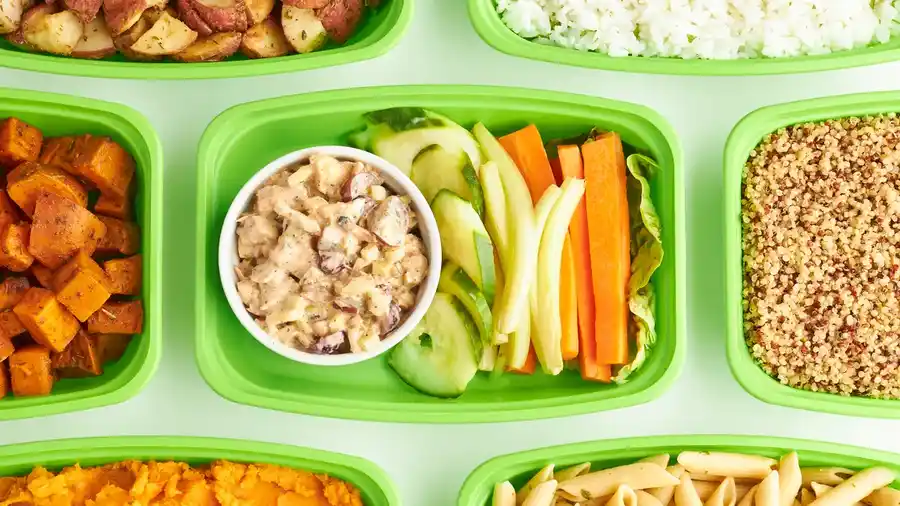
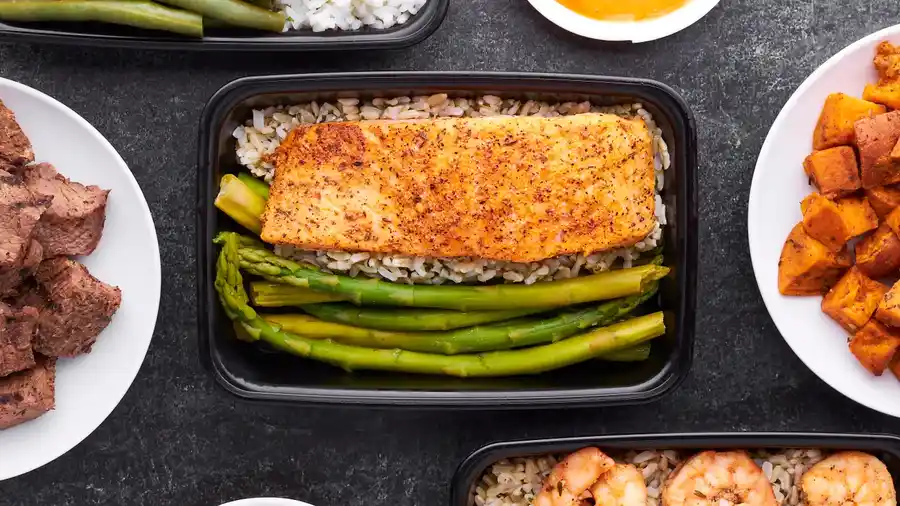
Build it by dividing the plate into 3 parts: half non-starchy vegetables, one quarter protein, and one quarter whole grains or starchy vegetables, then add a small amount of unsaturated fat. That pattern is close to the Mediterranean-style and DASH-style templates often recommended in heart-health guidance from organizations such as the American Heart Association and the National Heart, Lung, and Blood Institute. It also gives you a simple structure for heart-healthy meals for weight loss without counting calories.
Start with a 9-inch plate if portion size is your weak spot. On that plate, aim for about 2 to 3 cups of vegetables, such as greens, broccoli, peppers, zucchini, tomatoes, cabbage, green beans, or mushrooms. This is not a hard prescription; it is a visual cue that pushes volume up without relying on a calorie app. If the vegetable side is only a few forkfuls, the meal will usually miss the mark.
Next, add lean protein in a portion roughly the size of your palm, or about 3 to 4 ounces cooked for most adults. Good options include fish, skinless poultry, tofu, eggs in moderate portions, or beans and lentils. Fish matters here because many heart-health patterns emphasize it as a main protein more often than red or processed meat. If the protein portion grows to cover half the plate, the balance has drifted.
Then add about 1 cup cooked whole grains, such as brown rice, quinoa, barley, oats, or whole-wheat pasta, or a smaller portion if the meal already includes starchy vegetables. Whole grains bring fiber, which slows eating and often improves meal satisfaction. If you use refined bread or white rice instead, the meal can still fit sometimes, but the fullness signal is often weaker.
Finish with a measured fat source: 1 teaspoon to 1 tablespoon of olive oil, a small handful of nuts, or a spoon of seeds. Olive oil and nuts contribute unsaturated fats that fit heart-healthy patterns, but they are easy to overpour or overgrab. A tablespoon of oil in the pan is fine; free-pouring into the pan until it looks “enough” is where portion creep begins.
A simple check: after the meal, you should feel satisfied but not stuffed. If you are still looking for more food within an hour, the meal may need more vegetables, more protein, or more fiber, not more willpower.
What foods help you feel full without counting calories?
Fiber-forward foods help most, especially vegetables, beans, lentils, whole grains, fruit, and nuts in modest portions. They add bulk, chew time, and staying power. That combination matters more than chasing a low number on paper, because a meal that leaves you hungry is hard to repeat for long.
Beans are useful building blocks, especially in meals meant to support heart-healthy meals for weight loss without counting calories. Black beans, chickpeas, cannellini beans, and lentils give a meal texture and substance that plain rice or bread often cannot match. A cup of bean-based soup, a bean salad over greens, or a bowl with beans and roasted vegetables can feel substantial without needing a large portion of meat. The trade-off is that beans can cause gas or bloating in some people, especially if they are added quickly. Rinsed canned beans and gradual increases are usually easier on the gut.
Vegetables matter for volume, but not all vegetables behave the same. Leafy greens, cucumbers, tomatoes, peppers, cauliflower, broccoli, and zucchini are easy anchors because they fill the plate without adding much energy density. Starchy vegetables, such as potatoes, corn, and peas, can still fit well, but they belong closer to the grain portion than the vegetable half if weight loss is the main goal.
Lean protein helps with fullness when it is placed in the right amount. A piece of baked salmon, a tuna salad made with olive oil-based dressing, or grilled tofu can do more for satiety than a tiny protein garnish. It is a mistake to assume that more protein always means better results. Too much protein can crowd out vegetables and whole grains, especially if the plate turns into meat plus a small side.
Nuts are useful, but they are also the easiest place to lose control of portions. A small handful is very different from eating from the bag. If nuts become a snack, measure them once with a 1-ounce serving or a small cup so the hand portion becomes clear.
How to keep portions steady without a calorie app
Use visual cues that are repeatable in a real kitchen: a 9-inch plate, a 1-cup measuring cup, a palm-sized protein portion, and a tablespoon for oil. The point is not exactness; the point is consistency. Weight loss without counting calories usually comes from making the same reasonable meal shape often enough that excess energy slowly drops away.
A practical 7-step method:
- Choose the plate first: Use a 9-inch plate or a 2-cup bowl for mixed dishes. Verify: the dish is not oversized. Problem sign: serving dinner on a large platter or in a deep bowl makes normal portions look small.
- Fill half with non-starchy vegetables: Aim for 2 to 3 cups raw salad vegetables or 1.5 to 2 cups cooked vegetables. Verify: vegetables are the largest part of the meal by volume. Problem sign: the vegetable side disappears under sauce, cheese, or breading.
- Add one palm of protein: Use about 3 to 4 ounces cooked fish, poultry, tofu, or a bean portion that fills one quarter of the plate. Verify: protein is present, not dominating. Problem sign: protein takes up half the dish every night.
- Set the grain portion: Use 1 cup cooked whole grains, or about one fist, for a main meal. Verify: the grain is a side, not the base of the whole plate. Problem sign: the meal becomes mostly rice, pasta, or bread.
- Add fat with restraint: Measure olive oil at 1 teaspoon to 1 tablespoon, or use a small handful of nuts. Verify: the oil is measured, not poured freely. Problem sign: the pan or salad is glossy enough to pool oil.
- Slow the first 5 minutes: Put utensils down between bites and chew each mouthful completely. Verify: the meal lasts longer than a few minutes. Problem sign: eating so fast that fullness has no time to register.
- Check fullness at the end: Stop at satisfied, not stuffed, then wait 20 minutes before deciding on more food. Verify: hunger is settled, not urgent. Problem sign: you feel the need to keep grazing immediately after the plate is empty.
- Repeat the pattern at the next meal: Keep breakfast, lunch, and dinner similar in structure for 3 to 5 days before judging it. Verify: the pattern feels predictable. Problem sign: changing the structure every meal makes it impossible to see what works.
This is the part many generic articles skip: the pattern works better when the portions are stable enough to compare day to day. A meal that varies wildly in size can feel “healthy” and still fail as a weight-loss pattern.
What mistakes do people actually make?
The most common mistake is building a “healthy” plate that is still energy-dense. A salad loaded with cheese, croutons, nuts, creamy dressing, and a large protein portion can be heart-healthy in some respects and still too heavy for weight loss. The fix is not to ban those foods; it is to use smaller measured amounts and let vegetables lead.
A second mistake is treating whole grains as unlimited. Brown rice, quinoa, whole-wheat pasta, and oats are better choices than refined versions, but they still count as starch. If the grain portion grows to 2 or 3 cups, the plate stops being balanced. If you have diabetes, kidney disease, or another condition that changes carbohydrate targets, check with a clinician or registered dietitian before making grain portions larger or smaller. The alternative is a 1-cup cooked portion and a bigger vegetable layer.
A third mistake is relying on “light” processed foods to do the work. A low-fat frozen meal, reduced-calorie bar, or packaged snack may fit occasionally, but these foods often leave people less satisfied than a simple meal of beans, vegetables, and fish. The problem is not that packaged food is forbidden; the problem is that it can train the meal around convenience instead of fullness.
A fourth mistake is skipping protein at meals because the plate already has vegetables. That often leads to early hunger and extra snacking later. A bean-and-vegetable bowl, a fish salad, or tofu with roasted vegetables gives the meal more staying power.
A fifth mistake is ignoring sodium and relying on heavy sauces for flavor. Heart-healthy meals can still taste good, but the flavor base should come from herbs, citrus, garlic, vinegar, pepper, and spices rather than a large amount of salty sauce. This matters especially if a clinician has already asked you to watch sodium.
A sixth mistake is expecting hunger to disappear in a day. A new meal pattern can take a week or more to feel normal. If you quit after two meals because the plate looks too small, the method never gets a fair test.
When the standard pattern needs adjusting
The standard plate pattern needs modification when the body’s needs are different from the average adult’s. If you have chronic kidney disease, a clinician may need to adjust protein, potassium, phosphorus, or sodium. If you have diabetes, the balance of starch, fiber, and protein may need more careful planning, especially if medications can affect blood sugar. If you are recovering from surgery, illness, or unplanned weight loss, a weight-loss pattern may be the wrong priority.
It also needs adjustment if you have a history of disordered eating. A plate rule can help some people, but it can trigger others into rigid checking or guilt around food. If that is happening, the better option is usually a less visual, less restrictive structure designed with a clinician or therapist.
Very active adults may need larger portions, especially of whole grains and protein. The same 9-inch plate can still be used, but the portions inside it may need to be more generous. A person walking 10,000 steps a day and lifting weights is not the same as someone mostly seated.
Budget matters too. Fish and fresh produce can feel expensive, which pushes people toward refined carbs and packaged meals. Canned beans, frozen vegetables, canned fish in water or olive oil, oats, barley, brown rice, and peanut or almond portions can keep the pattern affordable. The goal is not perfect ingredients; it is a dependable structure.
If symptoms such as dizziness, frequent constipation, persistent fatigue, or rapid unplanned weight change show up while using this pattern, the issue is not solved by more discipline. It means the plan may be too aggressive, too low in total food, or mismatched to your health status.
What should make you stop and get qualified help?
Stop this approach and get professional guidance if any of these apply:
Chest pain, shortness of breath, fainting, or new swelling: these are not meal-pattern problems — seek urgent medical care.
A recent heart event or hospital discharge with a diet plan already in place: the meal structure may need tighter sodium or fluid limits — follow the discharge instructions and ask a clinician before making changes.
Kidney disease, dialysis, or abnormal potassium labs: protein, beans, nuts, and some vegetables may need modification — do not self-direct a heart-healthy pattern without guidance.
Diabetes with blood sugar swings or medication that can cause hypoglycemia: meal timing and carbohydrate portions may need adjustment — ask a registered dietitian or prescribing clinician.
Active bingeing, purging, or extreme food fear: meal rules can worsen symptoms — seek eating-disorder-informed care before using any structured plan.
Drafted with AI; not yet reviewed by a person.