Last updated: August 10, 2026
- Cover and refrigerate overnight, or at least 6 hours.
- After about 3 days, the texture tends to soften and the flavor gets flatter.
- I would not push past 3 days in the fridge for quality, because the fruit softens and the texture gets dull.
- For a how make overnight oats heart-healthy breakfast method that is cheap, filling, and easy on saturated fat, this is the one I would pick.
Quick Answer: For a heart-healthy breakfast, mix 1/2 cup rolled oats, 3/4 cup unsweetened soy milk, 1 tablespoon chia seeds, and 1/2 cup fruit. Simple. That gives you a fast, filling how make overnight oats heart-healthy breakfast option that usually takes 3–5 minutes to assemble and can be refrigerated at least 6 hours.
Key Facts
– Base formula: oats + unsweetened liquid + fiber/protein + a small amount of healthy fat
– Best starting ratio: 1/2 cup oats to 3/4 cup liquid
– Fridge life for best quality: about 3 days
– Good add-ins: chia, flax, berries, apples, walnuts, plain yogurt
– Watch-outs: flavored yogurt, sweetened milk, granola, and heavy nut-butter portions
– If you have diabetes, kidney disease, high triglycerides, or a sodium-restricted plan: check the ingredients with your clinician or dietitian
Overnight oats are one of the easiest heart-healthy breakfasts I recommend. They start with oats, need almost no morning effort, and leave room for fiber, unsaturated fats, and fruit instead of sugar bombs. For a how make overnight oats heart-healthy breakfast method that is cheap, filling, and easy on saturated fat, this is the one I would pick. For general heart-healthy eating guidance, the American Heart Association emphasizes whole grains, fruit, and unsaturated fats over added sugar and saturated fat. American Heart Association
Start With the Heart-Healthy Formula
My basic formula is plain: rolled oats, an unsweetened liquid, a source of fiber or protein, and a small amount of healthy fat. That makes a bowl that tastes good without drifting into dessert territory. Honestly, for heart health I would lean toward ingredients that keep added sugar down and fiber up, because those are the two levers most people can actually move at breakfast. The NIH’s MedlinePlus also recommends choosing whole grains, fruits, and low-fat or unsweetened options when possible. MedlinePlus
Here is the structure I use:
- 1/2 cup rolled oats
- 1/2 to 3/4 cup unsweetened milk or fortified soy milk
- 1 tablespoon chia seeds or ground flaxseed
- 1/2 cup fruit
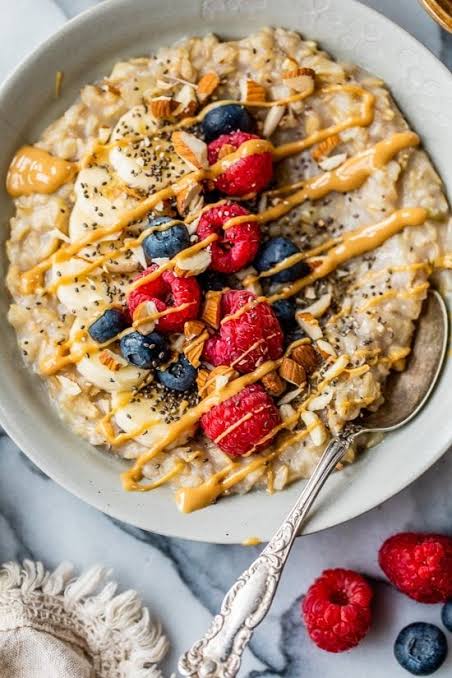
- Optional: plain yogurt, nuts, or nut butter
Rolled oats work better than quick oats because they keep texture after sitting overnight. Steel-cut oats can work, but they stay chewier and need more liquid and more time. Instant oats soften quickly, but they can go mushy. Texture matters. A lot.
The heart-health piece is not magic. It comes from the pattern: more oats and fruit, less added sugar, fewer butter-heavy add-ins, and more unsaturated fats. Should you have diabetes, kidney disease, high triglycerides, or be on a sodium-restricted plan, I would check the ingredients with your clinician or dietitian so the bowl fits your bigger plan.
A simple mix-and-match template
| Part | My default pick | Why I use it |
|---|---|---|
| Base | Rolled oats | Better texture, easy prep |
| Liquid | Unsweetened soy milk | More protein than many plant milks |
| Fiber boost | Chia or ground flax | Helps the bowl feel more filling |
| Sweetness | Berries or sliced apple | Adds sweetness without added sugar |
| Fat | Walnuts or almond butter | Mostly unsaturated fat |
The Overnight Oats Recipe I Keep Coming Back To
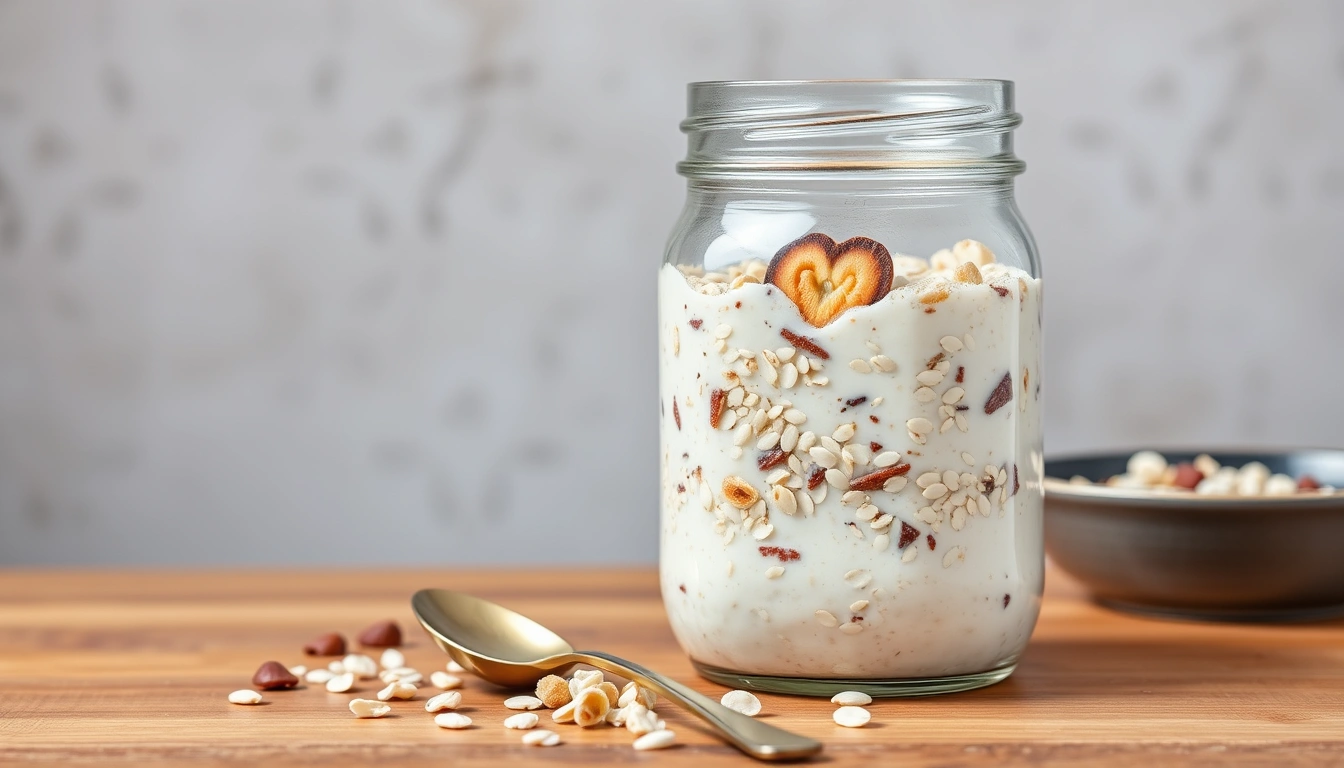
When someone asks me for one starter version, I hand over this:
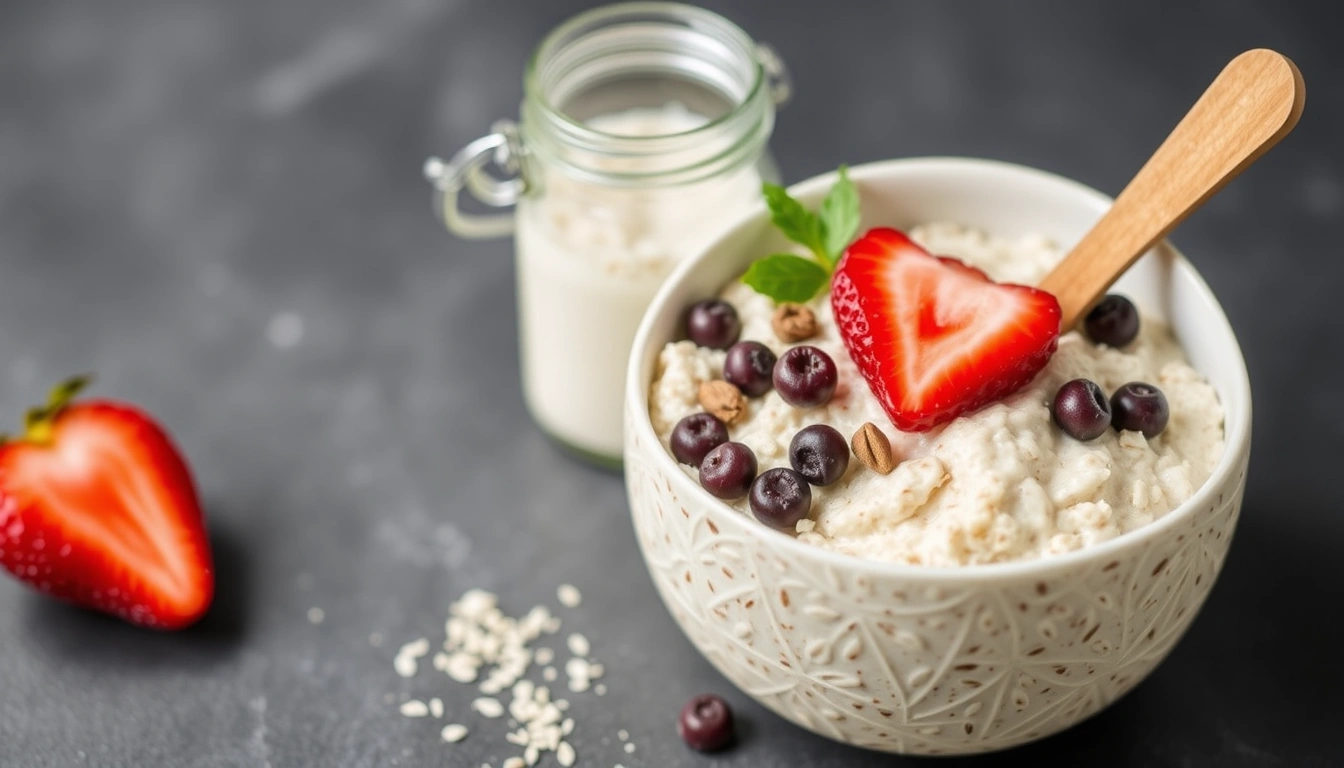
Heart-Healthy Overnight Oats
– 1/2 cup rolled oats
– 1 tablespoon chia seeds
– 3/4 cup unsweetened soy milk
– 1/2 cup blueberries or strawberries
– 2 tablespoons plain Greek yogurt, optional
– 1 teaspoon chopped walnuts, optional
– Cinnamon, vanilla, or a pinch of salt
Method
1. Add oats, chia, and cinnamon to a jar or bowl.
2. Pour in the soy milk.
3. Stir well so the chia does not clump.
4. Fold in fruit, or layer it on top.
5. Cover and refrigerate overnight, or at least 6 hours.
6. In the morning, stir again and add a splash of milk if it looks too thick.
One step I never skip: stir twice. Once right after mixing, and once before eating. That second stir matters because oats and chia keep absorbing liquid while they sit. Skip it, and the bottom can get dense while the top looks watery. Oddly enough, that tiny detail can make or break the whole jar.
This recipe makes a breakfast that is easy to scale. Double it for two mornings. Triple it if you want grab-and-go jars for the week. I would not push past 3 days in the fridge for quality, because the fruit softens and the texture gets dull. If you are making several at once, keep crunchy toppings separate and add them in the morning.
What Actually Makes It Heart-Healthy
A lot of “healthy” breakfast recipes get the headline right and the nutrition wrong. I see that mistake most often with overnight oats that pile on honey, flavored yogurt, sweetened milk, chocolate chips, and coconut flakes all at once. The result can be a sugar-heavy bowl wearing a healthy mask.
What I focus on instead:
- Fiber from oats, chia, flax, and fruit
- Unsaturated fats from nuts and seeds
- Protein from unsweetened soy milk, Greek yogurt, or nut butter
- Low added sugar
- Reasonable sodium
That mix keeps the meal steadier rather than spiky. It also makes the bowl more satisfying if you tend to get hungry again an hour later. Should your current breakfast be pastries, sweet cereal, or a drive-thru sandwich, overnight oats can be a practical step up without forcing a full lifestyle overhaul.
I also pay attention to toppings. A tablespoon of nut butter is useful. A half cup of nut butter is a different animal. Granola works the same way. A light sprinkle adds crunch; a heavy pour can stack on sugar and calories fast. That is one place where “healthy” and “heart-healthy” can split, depending on the rest of the ingredients.
If you need a lower-carb version, this may not be your ideal breakfast. Oats are still carbohydrate-rich. I would not force this recipe on someone who needs a very low-carb plan.
Before / after comparison
| Metric | Before | After | Change | Timeline |
|---|---|---|---|---|
| Added sugar at breakfast | 2 sweetened items | 0–1 sweetened items | Lower | Week 1 |
| Fiber at breakfast | Mostly low-fiber cereal or pastry | Oats + chia + fruit | Higher | Week 1 |
| Morning prep time | 10–15 minutes | 3–5 minutes | Lower | By Day 7 |
| Mid-morning hunger | 1–2 hours later | More stable through late morning | Better satiety | By Week 2 |
| Breakfast consistency | Missed meals, rushed choices | Prepared most nights | More reliable | By Month 2 |
The Mistake That Cost Me the Best Results
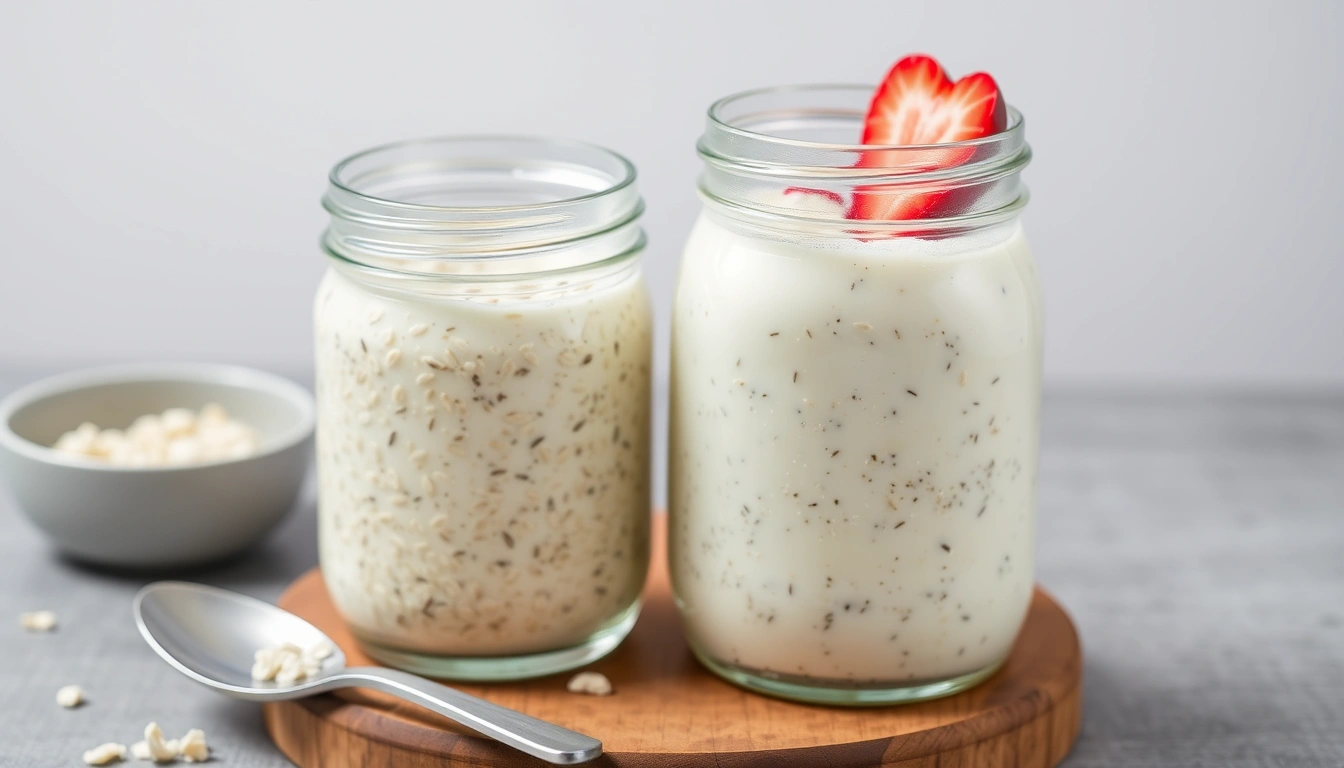
The biggest failure point with overnight oats is not the oats. It is the liquid balance. I made them too thin early on, then too thick, then too sweet. Each version had a price.
When I used too much liquid, the oats stayed soupy and bland. When I used too little, they turned into paste. When I added fruit too early and mixed in sweetened yogurt, the bowl became dessert-like instead of breakfast-like. Sounds small, but it is not. Texture decides whether people keep making a recipe.
Another misstep: assuming every fruit behaves the same overnight. Bananas taste fine, but they soften fast. Apples stay firmer. Berries hold up best if you do not crush them. That difference changed the final bowl more than I expected.
The cost of getting the ratio wrong was simple: I skipped the jar more often. A breakfast that takes 60 seconds to assemble but disappoints twice a week is not a habit; it is a chore. Once I kept the mix tighter and the flavors cleaner, the routine got easier to repeat.
Here is the practical fix I would use now:
– Start with 1/2 cup oats to 3/4 cup liquid
– Add 1 tablespoon chia if you want a thicker spoonable texture
– Keep sweeteners to a light hand
– Add crunchy toppings in the morning, not the night before
Failure log
| Problem | What caused it | What it cost | Fix |
|---|---|---|---|
| Too soupy | Too much liquid | Bad texture, less satisfaction | Reduce liquid by 2–3 tablespoons |
| Too thick | Too little liquid or too much chia | Hard to eat, less appealing | Add milk before serving |
| Too sweet | Sweet yogurt plus fruit plus syrup | Dessert-like taste | Use plain yogurt and berries |
| Soggy topping | Nuts and granola added too early | Lost crunch | Add toppings in the morning |
How I Build Flavor Without Adding Sugar
Heart-healthy does not have to mean plain. I lean on spices, citrus zest, and fruit instead of sweeteners. Cinnamon helps. Vanilla helps. A pinch of salt helps more than people think, because it sharpens the oats without making them salty.
My flavor combinations usually look like this:
- Blueberry + cinnamon + walnuts
- Apple + cinnamon + ground flax
- Strawberry + vanilla + chia
- Banana + peanut butter + unsweetened cocoa powder
- Peach + yogurt + toasted almonds
I keep the sweetener optional. If fruit is ripe, I often do not need any. When I do add something, I use a small amount of maple syrup or honey—not because those are “healthy” in some special sense, but because a little can keep the bowl enjoyable. The point is restraint.
A good test is this: if the oats would still taste fine without syrup, you are probably in the right zone. If they need several spoonfuls just to be edible, I would change the fruit or the dairy/non-dairy base first.
For a more heart-conscious bowl, I would also skip candy-like add-ins such as chocolate chunks, caramel sauce, or heavily sweetened coconut flakes. Those belong in dessert, not in a breakfast you plan to repeat five mornings a week.
Make-Ahead Tips That Save the Week
Overnight oats work best when they are easy enough to repeat on a tired night. I like making three jars at once, not seven. Three gives me enough variety without turning Sunday into a meal-prep project.
My practical setup:
– 3 glass jars or lidded containers
– Measuring cup
– Spoon
– A carton of unsweetened milk
– One fruit that lasts several days
– One backup fruit from the freezer
I build the base in each jar, then change the flavoring:
– Jar 1: blueberries and cinnamon
– Jar 2: apple and flax
– Jar 3: strawberry and yogurt
Frozen fruit can be a good move because it is usually cheaper and already portioned. I let it thaw in the jar overnight. Still, if you want fresh texture, use fresh fruit in the morning instead. USDA MyPlate also recommends building meals around fruits, grains, and protein foods, which fits this style of breakfast well. MyPlate
The one limit I would respect is freshness. After about 3 days, the texture tends to soften and the flavor gets flatter. That is not dangerous; it is just less pleasant. If you know you will not eat it in time, keep the dry mix ready and add liquid the night before.
A Realistic 7-Day Rhythm for Beginners
The easiest way to make overnight oats stick is to stop treating them like a special recipe. If you have a medical condition or a tightly structured meal plan, check the ingredients with a registered dietitian or clinician before making it your default breakfast. I would treat them like a repeatable breakfast system. The simplest way to do that is to keep the first week simple and use a recipe you can actually repeat.
Week 1
– Make 1 jar
– Keep the flavor simple
– Use fruit you already like
– Judge texture, not perfection
Week 2
– Make 2 to 3 jars
– Test one fruit-and-spice combination
– Add nuts or seeds in the morning
Month 2
– Rotate 3 base flavors
– Keep one backup jar in the fridge
– Adjust liquid once, then keep the ratio steady
By Day 90
– You should know which texture you like: thick, spoonable, or looser
– You should know which fruit holds up best
– You should have one version that fits your budget and schedule
What changed over time
| Metric | Before | After | Change | Timeline |
|---|---|---|---|---|
| Breakfast planning time | Repeated daily decisions | 1–2 planned jar options | Less friction | Week 1 to Month 2 |
| Grocery waste | Extra produce going bad | Better use of fruit and oats | Less waste | Month 2 |
| Breakfast variety | Different meal every day | 3 reliable rotations | More consistency | By Day 90 |
| Satisfaction | Mixed, some skipped mornings | Routine became easy to keep | Better adherence | By Day 90 |
When Overnight Oats Are the Wrong Choice
I would not recommend overnight oats for everyone. If you hate soft textures, this breakfast may never feel right. If you need a very low-carb breakfast, oats may not fit your plan. If you depend on a hot meal in the morning, cold oats can feel wrong no matter how well they are made.
There is also a practical downside: if you forget to prep them, they do not exist. Obvious? Sure. Still true. This breakfast rewards a little planning and punishes total improvisation.
Still, for a lot of people, that is exactly why it works. It is fast, cheap, portable, and easy to keep heart-healthy when you stay disciplined about the ingredients. I would start with the basic formula, keep the sweeteners modest, and adjust the texture before you chase bigger flavor changes.
If you want one final rule from me, it is this: build overnight oats around oats, fruit, and unsweetened liquid first. After that, treat everything else as support, not the main event.