Last updated: November 19, 2026
Key Takeaways
- A useful breakfast system needs protein, fiber, and low-sodium staples that hold up for 3 to 5 days in the fridge.
- A practical batch usually covers 4 to 5 breakfasts, not 7, because many breakfasts taste better and stay safer when they are not stretched past the end of the week.
- The most useful base components for this system are eggs, Greek yogurt, rolled oats, berries, whole grain toast, and chia seeds because they cover protein, fiber, and texture without much fuss.
- Portion breakfast containers by deciding what gets eaten together and what must stay separate until the last step.
Heart-healthy breakfast meal prep for the week means building 3 to 5 breakfasts at once so mornings run on autopilot without leaning on sugary cereal, oversized pastries, or sodium-heavy convenience food. In this heart-healthy breakfast meal prep for the week plan, the goal is simple: prep a few flexible components, store them safely, and assemble a breakfast that actually fits into a real weekday.
What a heart-healthy breakfast system needs to do
A useful breakfast system needs protein, fiber, and low-sodium staples that hold up for 3 to 5 days in the fridge. That is the standard I would use for this kind of planning, because breakfast prep that turns soggy on day 2 or requires a full recipe every morning is not a system.
The simplest structure is this:
- one protein anchor, such as eggs or Greek yogurt
- one fiber-rich base, such as rolled oats or whole grain toast
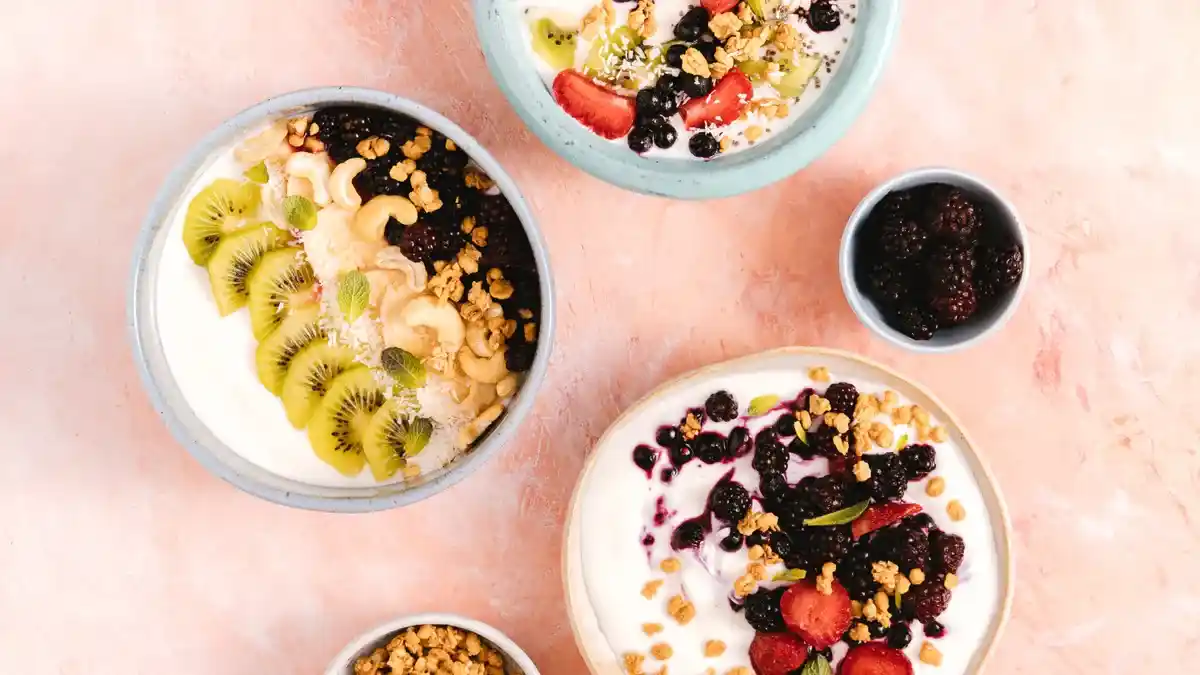
- one fruit, usually berries
- one seed or add-in, such as chia seeds
- one fast finishing step, like toasting bread or spooning yogurt into a container
That mix matters because it keeps the meal from becoming just carbs with a garnish. It also makes portion control easier. A breakfast prep box with 2 eggs, a cup of fruit, and a slice or two of whole grain toast is easy to repeat; a different recipe every morning is not.
A heart-healthy system also needs to avoid the two traps that wreck weekday breakfast: too much added sugar and too much salt. That does not mean “bland.” It means choosing plain ingredients and adding flavor with cinnamon, vanilla, citrus zest, herbs, peppers, or fresh fruit instead of sugary syrups and processed meats.
The system is not for someone who wants a hot, made-from-scratch breakfast with a different menu every day. It is for the person who wants the same dependable structure, the same 10 to 15 minutes of morning work, and fewer chances to skip breakfast and raid the vending machine by 10 a.m.
How do I meal prep breakfast for a whole week?
You meal prep breakfast for a whole week by cooking 2 or 3 base components on one day, portioning them into containers, and leaving only the final assembly for the morning. A practical batch usually covers 4 to 5 breakfasts, not 7, because many breakfasts taste better and stay safer when they are not stretched past the end of the week.
Use this basic workflow:
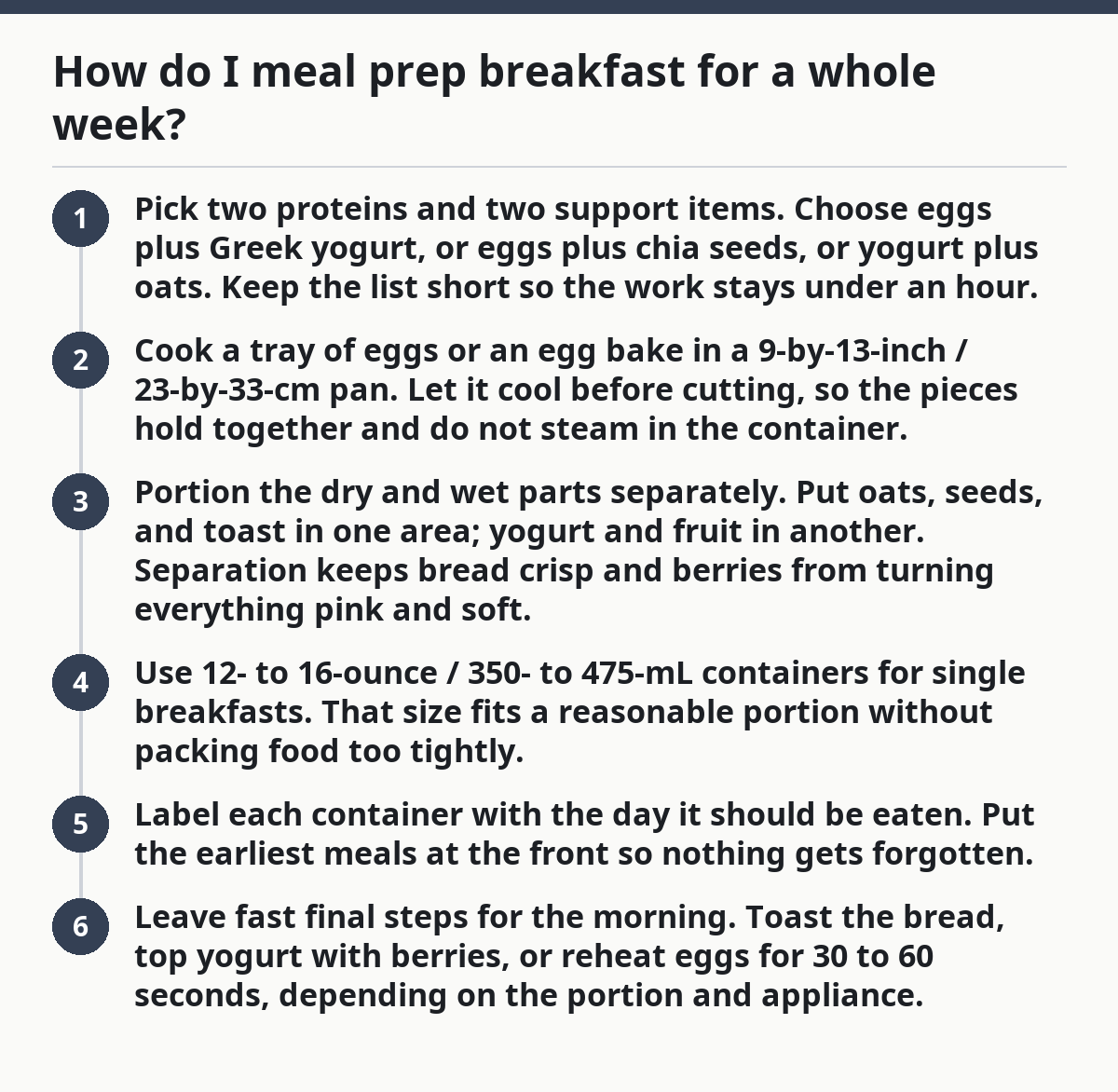
- Pick two proteins and two support items. Choose eggs plus Greek yogurt, or eggs plus chia seeds, or yogurt plus oats. Keep the list short so the work stays under an hour.
- Cook a tray of eggs or an egg bake in a 9-by-13-inch / 23-by-33-cm pan. Let it cool before cutting, so the pieces hold together and do not steam in the container.
- Portion the dry and wet parts separately. Put oats, seeds, and toast in one area; yogurt and fruit in another. Separation keeps bread crisp and berries from turning everything pink and soft.
- Use 12- to 16-ounce / 350- to 475-mL containers for single breakfasts. That size fits a reasonable portion without packing food too tightly.
- Label each container with the day it should be eaten. Put the earliest meals at the front so nothing gets forgotten.
- Leave fast final steps for the morning. Toast the bread, top yogurt with berries, or reheat eggs for 30 to 60 seconds, depending on the portion and appliance.
The point is not to build seven identical breakfasts. The point is to create a small set of ingredients that can be combined in different ways before work. That keeps the prep realistic and lowers the odds of waste.
Build the base components: eggs, Greek yogurt, oats, berries, toast, and chia
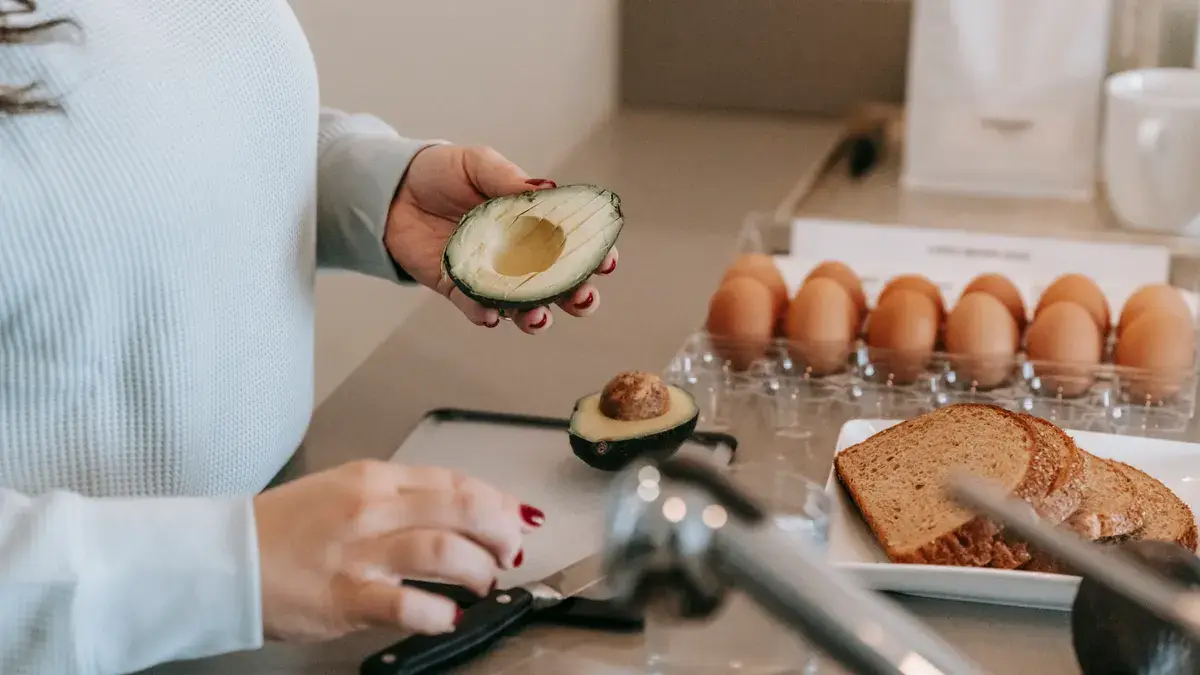
The most useful base components for this system are eggs, Greek yogurt, rolled oats, berries, whole grain toast, and chia seeds because they cover protein, fiber, and texture without much fuss.
Eggs are the most flexible savory anchor. A make-ahead egg bake works better than loose scrambled eggs for meal prep because it slices cleanly and reheats in 30 to 90 seconds in a microwave, depending on thickness and power. Bake it in a shallow pan so the center sets evenly. If you add cheese, keep it modest; heavy cheese makes the dish richer but also pushes sodium and saturated fat upward. For an obvious swap, use chopped spinach, mushrooms, or peppers instead of cheese-heavy add-ins.
Greek yogurt is the quickest cold breakfast base. Use plain yogurt, then add berries and chia seeds yourself. Flavored yogurt often brings a lot of added sugar, so it is not the first choice for a heart-healthy plan. If dairy is an issue, an unsweetened soy yogurt is the closest substitute in texture and protein profile among common plant-based options.
Rolled oats are the most useful fiber base for a week because they are inexpensive, keep well, and work in both hot and chilled formats. Since this page is about meal prep systems rather than a single oatmeal recipe, the practical move is to portion the dry oats into containers or jars and cook them in the morning, or batch-cook a pot and portion it for 3 to 4 days. If oats are not tolerated, cooked barley or quinoa can fill a similar role, though the texture changes.
Berries give color, acidity, and sweetness without turning the meal into dessert. Fresh berries hold up best for the first 2 to 3 days. Frozen berries work too, but they release more liquid as they thaw, so they are better stirred into oats than layered over toast. If fresh berries are out of season or too expensive, sliced apples or pears are the cleanest swap.
Whole grain toast is the fastest vehicle for eggs or yogurt on busy mornings. It adds crunch and makes the breakfast feel complete. The trade-off is obvious: toast goes soft if it sits assembled too long. So keep bread and toppings separate until the last minute.
Chia seeds are a useful add-in, not the whole meal. They absorb liquid and help a yogurt or oat container feel more substantial. A tablespoon or two is enough for most containers. If seeds are not your thing, ground flaxseed is a common substitute, but it also thickens quickly and should be stored dry.
Portion breakfast containers so the week does not fall apart by Wednesday
Portion breakfast containers by deciding what gets eaten together and what must stay separate until the last step. That single choice can help prevent soggy toast, watery yogurt, and limp vegetables, but if you need diet-specific guidance, check with a registered dietitian or another qualified professional and review safe food-storage advice from the USDA.
A sensible container setup looks like this:
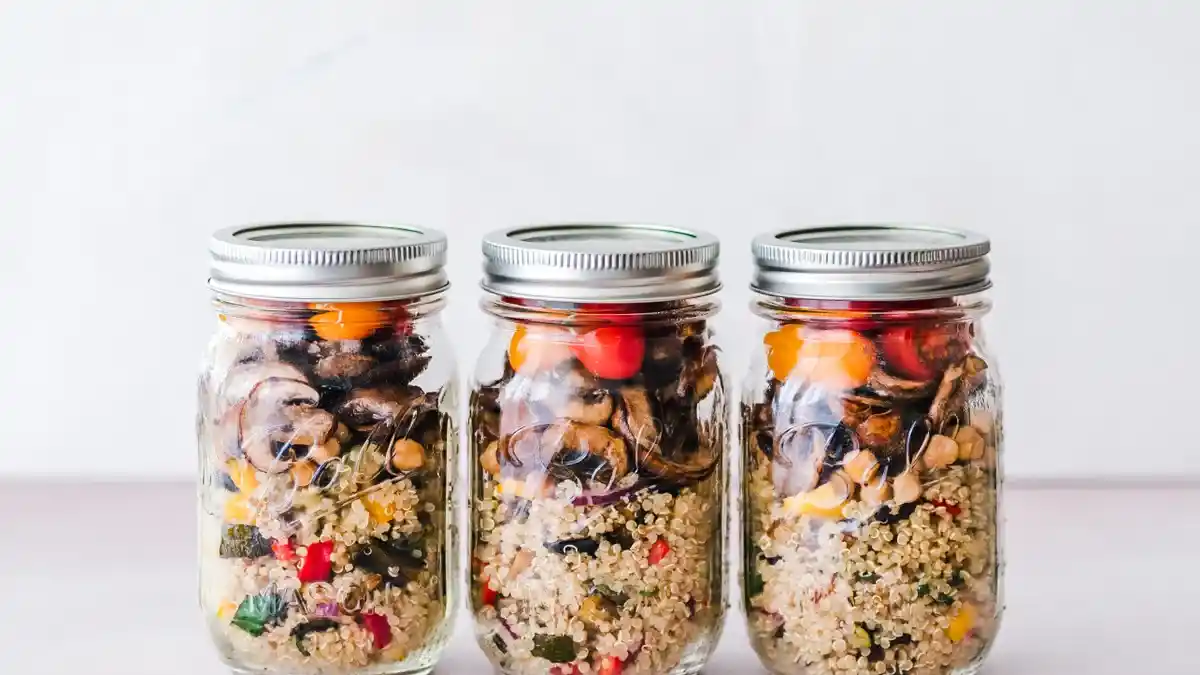
- Container A: egg bake portion, plus a slice or two of whole grain toast kept outside the container until eating
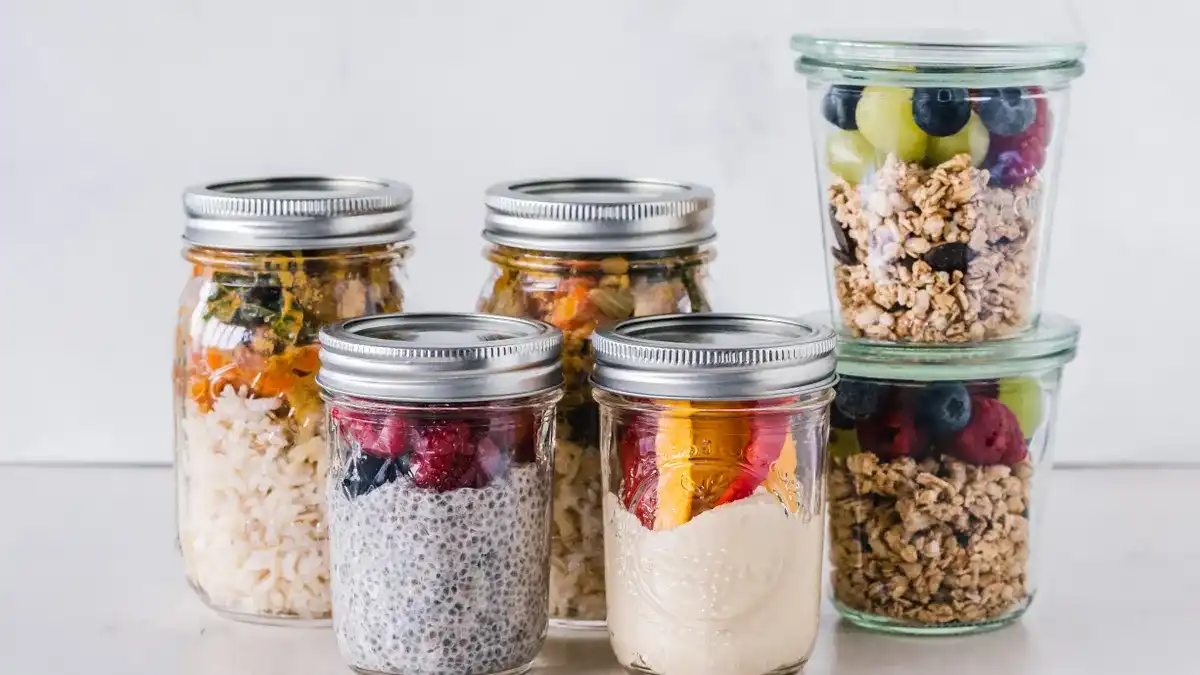
- Container B: plain Greek yogurt, berries, and chia seeds packed in layers or separated with a divider
- Container C: oats pre-portioned dry, with add-ins packed separately or mixed if they will be cooked the same way every morning
Use 1-cup to 1.5-cup portions of yogurt, smaller if the breakfast is paired with eggs and toast, larger if it is the main meal. For oats, measure a consistent dry portion at the start of the week so every breakfast is built from the same baseline. That makes the week easier to manage and reduces the chance of accidentally overpacking one day and underpacking the next.
One mistake is packing every container to the top because it looks efficient. The cost is mess and sogginess. Food needs a little room to breathe, especially if it will be reheated. Leave headspace in a microwave-safe container so steam can escape.
Another mistake is mixing wet fruit directly into toast or egg containers on Sunday. The cost is mush by Tuesday. Keep berries in a small side cup, then add them after reheating or just before eating.
For breakfast sandwiches or toast-based meals, keep bread in a bread box, bag, or airtight container at room temperature if it will be eaten within a day or two, or freeze the slices and toast them straight from frozen. That works better than refrigerating bread, which tends to stale faster.
If the week includes coworkers, commutes, or school drop-offs, make 3 grab-and-go containers and 1 or 2 backup breakfasts. Backup meals matter because not every morning looks the same. A frozen slice of egg bake and a banana can save the day when the clock wins.
How do you keep meal prep breakfasts from getting soggy?
You keep meal prep breakfasts from getting soggy by controlling moisture, storing components separately, and reheating only what needs heat. That is the whole trick.
The biggest moisture sources are berries, eggs, cooked vegetables, and hot food packed before it cools. Let cooked items cool to room temperature before sealing them in containers. If food goes into the fridge while still steaming, condensation forms and softens everything nearby.
Use these rules:
- Put toast in a separate bag or container.
- Keep berries dry until serving.
- Store cooked egg bakes in shallow portions, not thick slabs.
- Line containers with a paper towel only when moisture is the real issue, such as leafy greens or very juicy fruit.
- Reheat eggs separately from bread so the toast does not lose its structure.
A common failure point is over-saucing breakfast. A tablespoon of yogurt or nut butter can be fine; a large pour of syrup or wet toppings turns the meal into a puddle. The cost is texture and, often, overeating because the meal stops feeling balanced. The fix is simple: add sauce at the table, not the night before.
If you use reheated oats, store them in a lidded container with enough room for stirring. Oats thicken as they sit, so a splash of milk or water after reheating is normal. That is not a defect; it is how the texture comes back to life.
For eggs, don’t blast a cold portion for a full 2 minutes and walk away. Short bursts, about 30 seconds at a time, keep the texture from turning rubbery. The same idea applies to any breakfast you want to eat the next morning, not the next week.
What to assemble in the morning so breakfast stays fast
The fastest morning assembly is a 2-step finish: reheat one item, then add one cold item. That keeps the breakfast under control and usually under 5 minutes.
Here are three practical combinations:
- Egg bake + toast + berries. Reheat the egg portion for 30 to 60 seconds in a microwave, toast the bread, then add berries on the side.
- Greek yogurt + chia seeds + berries + toast. Stir chia seeds into the yogurt the night before or sprinkle them on top in the morning, then serve with toast if you want more staying power.
- Rolled oats + berries + yogurt. Warm the oats, top with berries, and add a spoonful of yogurt for creaminess.
A weekly breakfast system works best when the morning job is almost boring. If the fridge contains the right containers, the decision load drops to near zero. That matters on weekdays when attention is already being spent elsewhere.
The trade-off is that this style of breakfast is more structured than spontaneous. It is not for the person who wants to improvise from scratch every day or who gets bored eating similar foods two or three times a week. For that reader, a prep system may still help, but only if it rotates flavor: cinnamon one day, savory eggs another, fruit-forward yogurt another. Without that rotation, the plan dies by Wednesday.
If breakfast is supposed to be heart-healthy, the last morning check is easy: choose the version with whole grains, fruit, plain dairy or an unsweetened substitute, and a modest amount of added fat or salt. That is the point of the prep, not perfection.
For general guidance on building healthier meals, I would point a reader to the American Heart Association’s advice on heart-healthy eating and to the USDA’s MyPlate framework for balanced meals. Those sources are useful for the bigger pattern, while this article handles the week-ahead logistics.
A one-week breakfast prep plan that actually holds up
A workable one-week plan is to prep 2 savory breakfasts, 2 yogurt breakfasts, and 1 oat-based backup, then repeat or rotate the following week. That is more realistic than pretending every breakfast needs a different recipe.
Start with one Sunday session:
- bake an egg tray in a 9-by-13-inch / 23-by-33-cm pan
- portion plain Greek yogurt into 3 to 4 containers
- wash and dry berries
- portion rolled oats into 2 to 3 dry servings
- slice or set aside whole grain bread for toasting
- bag chia seeds in 1-tablespoon portions if you want less morning measuring
Then place the most perishable meals at the front of the fridge and the sturdiest items at the back. Eat the egg and berry breakfasts first, then move to the oat or yogurt backup meals later in the week.
This approach is not ideal for someone who needs every breakfast to be hot, unique, and completely finished in one container. It is ideal for someone who wants a reliable routine and fewer decisions before 8 a.m. The cost of that reliability is repetition. The benefit is that breakfast becomes a system instead of a daily negotiation.
How long can breakfast meal prep last in the fridge?
Most breakfast meal prep is best used within 3 to 5 days in the refrigerator. That window fits common food-safety guidance and also keeps texture acceptable for eggs, yogurt, and fruit. If a breakfast smells off, feels slimy, or looks visibly changed, it should be discarded even if it is within that time range.
The exact limit depends on the ingredient. Plain Greek yogurt and dry oats are more forgiving than berries or a moist egg bake. Cooked eggs and mixed breakfast dishes need the most care, especially if they were left out to cool for too long before chilling. A refrigerator at about 40°F / 4°C or below helps keep everything in safer shape.
What breakfast foods reheat well for meal prep?
Egg bakes, cooked oats, and some whole-grain breakfast sandwiches reheat well for meal prep. Eggs are the easiest savory option because they warm quickly and can be portioned into squares or slices. Rolled oats also reheat well, especially with a splash of milk or water after warming. Toast and fresh berries are better added after reheating.
Drafted with AI; not yet reviewed by a person.